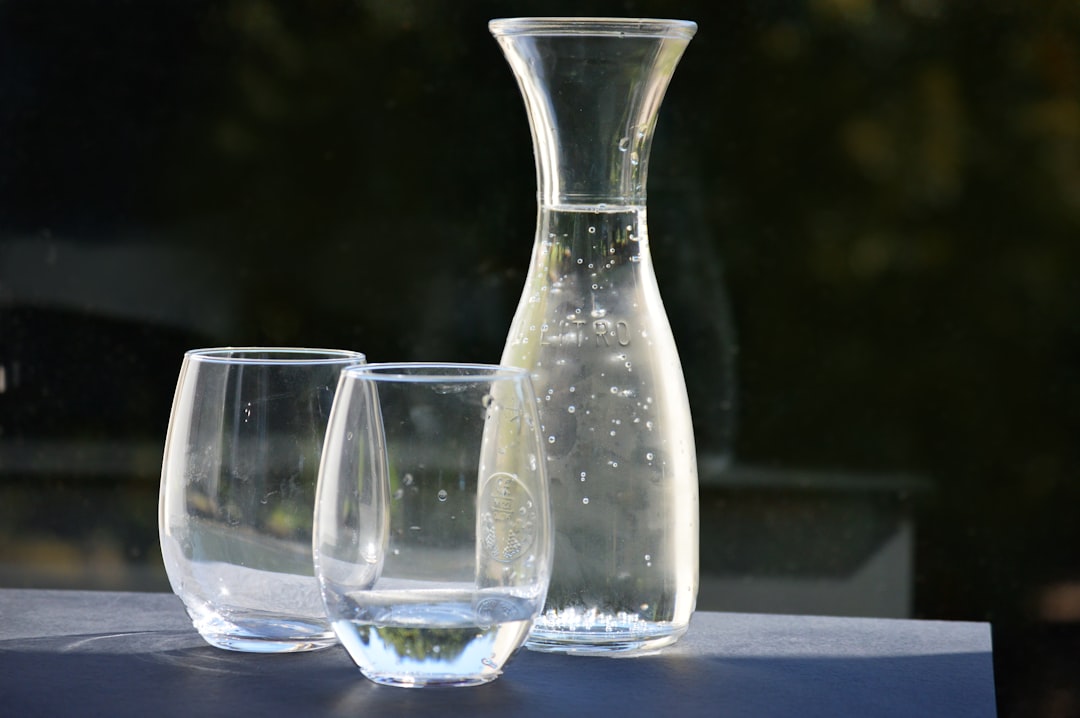
As you delve into the fascinating world of Roman glass, you may find yourself captivated by the story of Vitrum Flexile, a remarkable innovation from ancient times. This unique form of glass, known for its flexibility and resilience, emerged during the height of the Roman Empire, around the 1st century AD. The Romans were not only skilled in architecture and engineering but also in the art of glassmaking.
They experimented with various techniques and materials, leading to the creation of this extraordinary glass that could bend without breaking. The origins of Vitrum Flexile are somewhat shrouded in mystery, but it is believed that the Romans discovered a method to incorporate certain minerals into their glass mixtures, which granted it its distinctive properties. The use of Vitrum Flexile was not widespread initially; it was a luxury item reserved for the elite.
As you explore its history, you will uncover how this glass was often used in decorative pieces and functional items, showcasing the artistry and craftsmanship of Roman artisans. The production of Vitrum Flexile was a closely guarded secret, passed down through generations of glassmakers. This exclusivity contributed to its allure and value in ancient society.
Over time, as trade routes expanded and cultural exchanges flourished, the knowledge of flexible glassmaking began to spread beyond the borders of Rome, influencing glass production in other regions.
Key Takeaways
- Vitrum Flexile is an ancient Roman glass known for its unique flexibility and durability.
- The creation process involved specialized techniques that allowed the glass to bend without breaking.
- Historically, Vitrum Flexile was used in various Roman artifacts, showcasing its practical and artistic value.
- Modern rediscovery has led to its application in contemporary art, design, and conservation efforts.
- Today, Vitrum Flexile continues to inspire innovation, with opportunities to experience and purchase it worldwide.
The Unique Properties of Vitrum Flexile
What sets Vitrum Flexile apart from traditional glass is its remarkable ability to bend and flex without shattering. As you examine this material more closely, you will notice that it possesses a unique molecular structure that allows for this flexibility. Unlike standard glass, which is rigid and prone to breaking under stress, Vitrum Flexile can withstand significant pressure and deformation.
This property makes it an intriguing subject for both historians and modern designers alike. The combination of strength and pliability opens up a world of possibilities for creative applications. In addition to its flexibility, Vitrum Flexile is also known for its aesthetic qualities.
The glass often exhibits a beautiful translucence, allowing light to pass through in captivating ways. When you encounter pieces made from this material, you may find yourself drawn to the interplay of light and color that it creates. The ability to manipulate the glass into various shapes while maintaining its integrity adds an artistic dimension that is hard to replicate with other materials.
This unique combination of properties has made Vitrum Flexile a subject of fascination for centuries.
The Process of Creating Flexible Roman Glass

Creating Vitrum Flexile was no simple task; it required a deep understanding of materials and techniques. As you learn about the process, you will discover that Roman glassmakers began with a base mixture of silica sand, soda ash, and lime. However, the secret to achieving flexibility lay in the careful selection and addition of specific minerals, such as alumina or certain metal oxides.
These additives altered the glass’s thermal and physical properties, allowing it to bend rather than break when subjected to stress. The crafting process itself was labor-intensive and required great skill.
Once at the right temperature, they would shape the glass using tools like blowpipes and molds. The artisans had to work quickly and efficiently, as the glass would begin to cool and harden rapidly. After shaping, the pieces would undergo a controlled cooling process known as annealing, which helped to relieve internal stresses within the glass.
This meticulous attention to detail ensured that each piece of Vitrum Flexile was not only functional but also a work of art.
The Use of Vitrum Flexile in Ancient Rome
In ancient Rome, Vitrum Flexile found its way into various aspects of daily life and culture. You might be surprised to learn that this flexible glass was used for both practical and decorative purposes. For instance, it was often fashioned into containers such as bottles and jars that could withstand the rigors of transportation without breaking easily.
This durability made it an ideal choice for merchants who needed reliable packaging for their goods. Beyond utilitarian uses, Vitrum Flexile also played a significant role in Roman art and architecture. You may come across stunning examples of flexible glass used in mosaics or as decorative elements in public buildings and private homes.
The ability to create intricate designs with this material allowed artisans to push the boundaries of creativity. As you explore ancient Roman sites, keep an eye out for remnants of Vitrum Flexile; they serve as a testament to the ingenuity and craftsmanship of their creators.
The Rediscovery of Flexible Roman Glass
| Property | Description | Metric / Value | Unit |
|---|---|---|---|
| Material Name | Flexible Roman Glass (Vitrum Flexile) | Vitrum Flexile | – |
| Origin | Ancient Roman Empire | 1st Century AD | Century |
| Flexibility | Ability to bend without breaking | Up to 10° bend | Degrees |
| Thickness | Typical thickness of the glass sheets | 0.5 – 1.0 | mm |
| Composition | Main chemical components | Silica, Soda, Lime, Trace Metals | – |
| Transparency | Light transmission rate | 85 – 90 | % |
| Durability | Resistance to cracking and shattering | High | Qualitative |
| Historical Significance | Unique property among ancient glasses | Rare | Qualitative |
Fast forward to modern times, and you will find that Vitrum Flexile has experienced a resurgence in interest among historians and artists alike. The rediscovery of this ancient material has sparked curiosity about its production methods and applications. Archaeological excavations have unearthed fragments of flexible glass artifacts, providing valuable insights into how this material was made and used in antiquity.
As researchers study these remnants, they are piecing together the techniques that allowed Roman artisans to create such remarkable works. The fascination with Vitrum Flexile has also led to contemporary experiments aimed at replicating its unique properties. Modern glassmakers are eager to understand the science behind this ancient craft, experimenting with various compositions and techniques to recreate flexible glass.
This revival not only honors the legacy of Roman craftsmanship but also opens new avenues for innovation in art and design today.
The Advantages of Using Vitrum Flexile in Modern Design
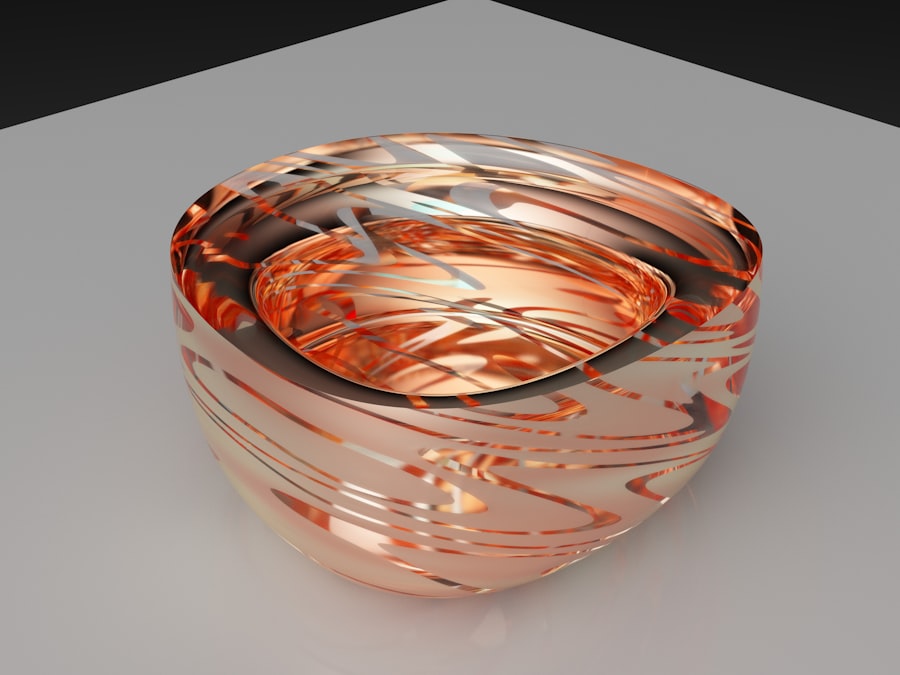
As you consider the implications of Vitrum Flexile in modern design, you will find that its unique properties offer numerous advantages over traditional materials. One significant benefit is its lightweight nature combined with strength; designers can create large installations or sculptures without compromising structural integrity. This quality allows for greater creativity in architectural projects, where flexibility can be an asset rather than a limitation.
Moreover, the aesthetic appeal of Vitrum Flexile cannot be overlooked. Its ability to refract light beautifully makes it an attractive choice for contemporary artists looking to create immersive experiences. You may find that installations featuring flexible glass can transform spaces by altering perceptions through light and color interplay.
As designers continue to explore this ancient material, they are discovering innovative ways to integrate it into modern aesthetics while paying homage to its historical roots.
The Versatility of Flexible Roman Glass in Contemporary Art
In contemporary art, Vitrum Flexile has emerged as a versatile medium that artists are eager to experiment with. You might encounter installations where flexible glass is used in unexpected ways—perhaps as part of a larger sculpture or even integrated into mixed media works. The adaptability of this material allows artists to push boundaries and challenge traditional notions of what glass can be.
As you explore galleries or exhibitions featuring contemporary art, keep an eye out for pieces that utilize flexible glass. You may find that artists are drawn to its tactile qualities and visual effects, using it to evoke emotions or convey messages in their work. The interplay between light and shadow created by Vitrum Flexile can add depth and dimension to artistic expressions, making it a compelling choice for those seeking to engage viewers on multiple levels.
The Conservation and Restoration of Vitrum Flexile Artifacts
The preservation of Vitrum Flexile artifacts poses unique challenges for conservators due to their delicate nature. As you learn about conservation efforts, you will discover that experts must employ specialized techniques to ensure these historical pieces are protected for future generations. This often involves careful cleaning methods that avoid damaging the fragile surface while maintaining the integrity of the original work.
Restoration projects may also require innovative approaches when dealing with broken or fragmented pieces of flexible glass. Conservators often collaborate with scientists to analyze materials and develop appropriate adhesives or treatments that can restore functionality without compromising authenticity. As you appreciate these efforts, you will gain insight into the dedication required to preserve such culturally significant artifacts.
The Cultural Significance of Flexible Roman Glass
Vitrum Flexile holds cultural significance beyond its physical properties; it represents a fusion of art, science, and history that reflects the values of ancient Roman society. As you explore its role within cultural contexts, consider how this material served as a symbol of wealth and sophistication among the elite classes. Its use in decorative arts showcased not only technical skill but also an appreciation for beauty that transcended time.
Moreover, flexible glass artifacts provide valuable insights into trade networks and cultural exchanges during the Roman Empire’s expansion. You may find that studying these objects reveals connections between different regions and peoples, highlighting how ideas about craftsmanship traveled across borders. In this way, Vitrum Flexile serves as a tangible link between past civilizations and contemporary society.
The Future of Vitrum Flexile in Art and Design
Looking ahead, the future of Vitrum Flexile appears promising as artists and designers continue to explore its potential applications. You may witness a growing trend toward incorporating flexible glass into sustainable design practices, where its durability can contribute to eco-friendly solutions in architecture or product design. As awareness about environmental issues increases, innovative uses for this ancient material could emerge as part of a broader movement toward sustainability.
Additionally, advancements in technology may further enhance our understanding of Vitrum Flexile’s properties. Researchers are continually investigating new methods for creating flexible glass that could lead to even more versatile applications across various fields—from fashion design to interior architecture. As you follow these developments, you will see how ancient techniques can inspire modern creativity while honoring historical craftsmanship.
Where to Experience and Purchase Flexible Roman Glass Today
If you’re eager to experience Vitrum Flexile firsthand or perhaps add a piece to your collection, there are several avenues available today. Museums housing ancient artifacts often feature exhibits showcasing flexible Roman glass alongside other historical treasures; visiting these institutions can provide invaluable context about its significance within ancient cultures. You might also find workshops or demonstrations led by contemporary artisans who specialize in recreating flexible glass using traditional methods.
For those interested in purchasing pieces made from Vitrum Flexile or inspired by its properties, galleries specializing in contemporary art or craft may offer unique options crafted by modern artists exploring this medium’s potential. Online platforms dedicated to artisanal goods may also feature selections from skilled makers who draw inspiration from ancient techniques while infusing their work with contemporary sensibilities. In conclusion, your journey through the history and significance of Vitrum Flexile reveals not only an extraordinary material but also a rich tapestry woven from art, culture, science, and innovation across centuries.
Whether you’re captivated by its historical roots or inspired by its modern applications, there is no denying that flexible Roman glass continues to enchant those who encounter it today.
Flexible Roman glass, known as vitrum flexile, showcases the remarkable ingenuity of ancient artisans who mastered the art of glassmaking. This unique material, which can be bent and shaped without breaking, has intrigued historians and archaeologists alike. For a deeper understanding of the historical context and significance of such materials, you can explore a related article on the topic at realloreandorder.
com/’>Real Lore and Order. This resource delves into the fascinating world of ancient glass and its applications in Roman society.
WATCH THIS! 🔍 Archaeologists REFUSE to Explain This Ancient Machine
FAQs
What is Roman glass vitrum flexile?
Roman glass vitrum flexile refers to a rare type of ancient glass discovered in Roman archaeological sites that exhibits unusual flexibility or pliability, unlike typical brittle glass.
How was flexible Roman glass made?
The exact manufacturing process of flexible Roman glass is not fully understood, but it is believed to involve specific additives or unique cooling techniques that allowed the glass to retain some flexibility rather than becoming completely rigid.
Where was flexible Roman glass typically found?
Flexible Roman glass artifacts have been primarily found in Roman-era sites across the Mediterranean region, including Italy and surrounding provinces, often in the form of small decorative items or jewelry.
What distinguishes vitrum flexile from regular Roman glass?
Vitrum flexile is distinguished by its ability to bend or flex without breaking, a property not seen in standard Roman glass, which is typically hard and brittle.
What were the uses of flexible Roman glass?
Flexible Roman glass was likely used for ornamental purposes such as jewelry, amulets, or decorative inlays, taking advantage of its unique pliability to create intricate designs.
Is flexible Roman glass still flexible today?
Over time, many samples of flexible Roman glass have become more brittle due to aging and environmental factors, but some pieces still retain a degree of their original flexibility.
How rare is flexible Roman glass?
Flexible Roman glass is extremely rare, with only a few known examples discovered, making it a significant subject of study for archaeologists and materials scientists.
Can modern glass be made flexible like Roman vitrum flexile?
Modern technology can produce flexible glass materials using advanced manufacturing techniques and special compositions, but these differ from the ancient methods used to create Roman vitrum flexile.
What scientific studies have been conducted on flexible Roman glass?
Researchers have used techniques such as microscopy, chemical analysis, and spectroscopy to study the composition and structure of flexible Roman glass to understand its unique properties and manufacturing methods.
Why is the study of flexible Roman glass important?
Studying flexible Roman glass provides insights into ancient glassmaking technologies, Roman craftsmanship, and the materials science knowledge of the time, contributing to our understanding of historical innovation.