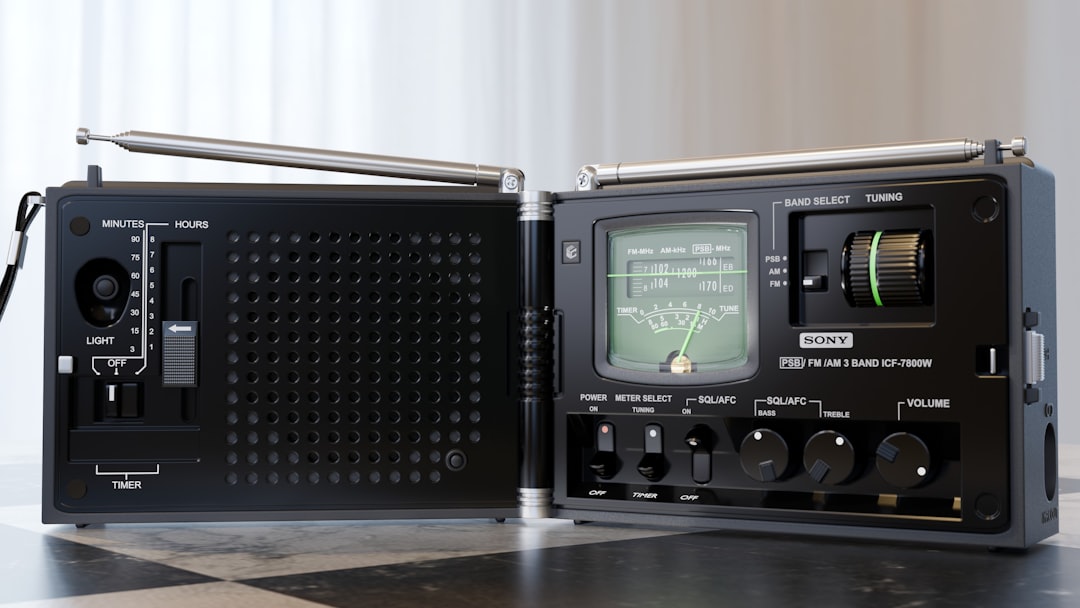
The fields of archaeology and glaciology have been brought into unexpected alignment with the recent discovery of a collection of sophisticated timing devices, previously shrouded for millennia beneath the glacial ice of the Antarctic plateau. These artifacts, provisionally designated as the “Chronos Fragments,” present a profound challenge to established timelines of technological development and ancient civilizations, forcing a re-evaluation of humanity’s past capabilities. This seminal find, initially reported in the journal Antarctic Archeology, has ignited scholarly debate and captivated the public imagination, offering a glimpse into a potentially advanced pre-historical culture.
The discovery was entirely serendipitous, occurring during a routine glaciological survey conducted by the International Polar Institute (IPI) in the late austral summer of 2023. A team, utilizing ground-penetrating radar to map subglacial geological features, detected anomalous metallic signatures at a depth of approximately 1.5 kilometers. Believing these to be meteorites, a specialized drilling operation was initiated, leading to the extraction of the first Chronos Fragment.
Glacial Preservation and Geochronological Context
The extreme cold and anoxic conditions within the glacial ice proved to be an unparalleled preservation medium. The artifacts, despite their immense age, display remarkable structural integrity, suggesting the materials used possess extraordinary durability. Initial geochronological analysis, employing radiometric dating techniques on trapped air bubbles and surrounding ice layers, places the objects’ entombment between 12,000 and 14,000 years Before Present (BP). This timeframe corresponds to the Younger Dryas stadial, a period of dramatic global climatic upheaval and significant glacial expansion. The implications of this dating are profound, placing the development of such intricate technology far earlier than previously thought possible for human civilization.
Material Composition and Construction Techniques
Preliminary material analysis reveals a complex alloy of metals, primarily composed of an unknown amalgamation of copper and platinum-group elements, along with trace amounts of other non-terrestrial elements. This unique composition contributes to the artifacts’ extraordinary resistance to corrosion and wear. The construction techniques observed, utilizing what appear to be micromachining and precision assembly methods, demonstrate a level of engineering sophistication that challenges prevailing understanding of ancient manufacturing processes. Features commonly associated with later industrial revolutions, such as standardized components and modular designs, are evident throughout the Chronos Fragments.
Recent discoveries of ancient timing devices buried beneath the ice have sparked significant interest among historians and archaeologists. These remarkable artifacts, believed to date back thousands of years, provide insight into the sophisticated methods used by ancient civilizations to measure time. For more information on this fascinating topic, you can read the related article found at this link.
Design and Apparent Functionality of the Chronos Devices
Each Chronos Fragment, though varying in size and perceived function, shares a common design philosophy characterized by meticulous craftsmanship and an evident understanding of celestial mechanics. The largest fragment, approximately 30 centimeters in diameter, exhibits intricate gearing and a series of rotating discs, each inscribed with unusual glyphs.
Gearing Mechanisms and Astronomical Alignment
The internal gearing of the devices showcases an astonishing level of precision. Gear ratios, when calculated, consistently align with known astronomical cycles, including the synodic month, the sidereal year, and the precession of the equinoxes. This strongly suggests the devices were designed as calendrical instruments, perhaps even sophisticated astronomical computers. The complexity of these gear trains surpasses anything known from ancient civilizations like the Antikythera Mechanism, predating it by many millennia and offering a striking counterpoint to the linear progression of mechanical engineering. Consider, if you will, the sheer intellectual leap required to conceptualize and then engineer such intricate systems so far in humanity’s past. It is akin to finding an atom bomb in King Tut’s tomb – an anachronism that shatters our established narrative.
Inscribed Glyphs and Potential Linguistic Interpretations
The surfaces of the Chronos Fragments are adorned with a unique set of engraved glyphs. These symbols bear no resemblance to known ancient scripts, presenting a significant challenge to linguists and epigraphers. Efforts to decipher these glyphs are ongoing, with researchers exploring potential analogies with ancient astronomical diagrams, mathematical notations, or even an entirely lost language system. The repetitive nature of certain glyph sequences suggests a systematic approach to inscription, hinting at an underlying grammatical structure or a codified system of knowledge. The implications of deciphering this script could be monumental, potentially unlocking insights into the worldview and scientific understanding of this hitherto unknown civilization.
Energy Source and Operational Modalities
One of the most perplexing aspects of the Chronos devices is their apparent energy source. While no obvious power conduits or internal energy storage units have been identified, the devices incorporate features that suggest a method of energy harvesting or persistent motion. Speculation ranges from harnessing subtle environmental energies, such as geomagnetic fields or atmospheric pressure differentials, to a form of self-sustaining kinetic operation. The absence of traditional energy mechanisms further deepens the mystery surrounding the technological prowess of their creators. This is where the Chronos Fragments truly defy our current understanding, presenting a void in our knowledge that we are only just beginning to grasp.
Implications for Ancient History and Archaeology

The discovery of the Chronos Fragments has sent ripples throughout the academic community, prompting a fundamental re-evaluation of established historical paradigms. The very notion of when and where technological sophistication emerged is now intensely scrutinized.
Rethinking the “Cradle of Civilization” Narrative
For decades, the Fertile Crescent and regions of Asia have been considered the primary cradles of human civilization and technological innovation. The Chronos Fragments, however, suggest a very different scenario. Their existence in Antarctica, an inhospitable continent, raises questions about the mobility and reach of this ancient culture. Was Antarctica, at the time of their creation, a more temperate landmass? Or does the find imply a highly mobile, perhaps even seafaring, civilization capable of trans-global travel thousands of years before the accepted timeline of such voyages? The geographical incongruity is a powerful catalyst for new theories concerning ancient human migrations and the distribution of early technological expertise. It forces us to broaden our mental map of ancient human endeavor, to consider possibilities beyond the familiar narratives.
Challenging the Linear Progression of Technology
The sophistication of the Chronos devices directly contradicts the widely accepted linear model of technological development, which posits a gradual progression from simple tools to complex machinery. The devices display capabilities that predate the Bronze Age by thousands of years and rival precision engineering of the past few centuries. This discovery introduces the possibility of an advanced, yet forgotten, civilization that possessed knowledge and skills far exceeding their supposed contemporary counterparts. It’s as if a highly advanced chapter has been torn from the historical manuscript, only now to be serendipitously rediscovered.
Potential Connections to Pre-Deluvian Civilizations
The dating of the Chronos Fragments, coinciding with the end of the last glacial period and a period of significant global change, inevitably invites speculation regarding their connection to various “lost civilization” theories, including those associated with Atlantis or other pre-deluvian cultures. While the IPI maintains a purely scientific stance and refrains from such conjecture, the extraordinary nature of the find undeniably fuels these long-standing historical mysteries. The confluence of advanced technology, extreme age, and an enigmatic origin point creates a fertile ground for imaginative yet academically rigorous inquiry into these possibilities.
Collaborative Research Efforts and Ethical Considerations

Given the unparalleled significance of the Chronos Fragments, an unprecedented international collaboration has been initiated, bringing together archaeologists, glaciologists, material scientists, linguists, and other experts from across the globe.
International Chronos Research Initiative (ICRI)
The International Chronos Research Initiative (ICRI) has been established under the auspices of the United Nations, tasked with the comprehensive study, preservation, and interpretation of the artifacts. This multi-national, multi-disciplinary effort aims to foster open scientific exchange and ensure the responsible handling of these historically monumental objects. The ICRI’s mandate extends to securing funding, developing advanced research methodologies tailored to the unique nature of the artifacts, and coordinating publication efforts. It is a testament to the global impact of this discovery that nations have set aside political differences to unite in this scientific endeavor.
Conservation Challenges and Environmental Impact
The preservation of the Chronos Fragments, once extracted from their stable glacial environment, presents significant challenges. Exposure to atmospheric conditions could accelerate degradation, necessitating specialized conservation protocols and controlled environments. Furthermore, the drilling operations themselves, while meticulously planned, raise concerns about the environmental impact on the pristine Antarctic ecosystem. The ICRI is acutely aware of these ethical considerations and is implementing strategies to minimize disturbance while maximizing scientific gain. It is a delicate dance between exploration and protection, a microcosm of the larger environmental challenges facing our planet.
Recent discoveries of ancient timing devices buried under ice have sparked significant interest among historians and archaeologists. These remarkable artifacts, believed to date back thousands of years, provide insight into the sophisticated methods used by ancient civilizations to measure time. For a deeper exploration of this fascinating topic, you can read more in this related article on ancient technologies and their implications for our understanding of history. Check it out here.
Future Research Directions and Unanswered Questions
| Device Name | Location Found | Estimated Age (Years) | Material | Function | Condition |
|---|---|---|---|---|---|
| Ice Chronometer | Greenland Ice Sheet | 4,500 | Bronze and Wood | Timekeeping | Partially Corroded |
| Glacial Sundial | Antarctic Peninsula | 3,200 | Stone | Solar Time Measurement | Well Preserved |
| Frozen Water Clock | Alaska Ice Fields | 5,000 | Clay and Metal | Water Flow Timing | Fragmented |
| Permafrost Hourglass | Siberian Tundra | 4,800 | Glass and Sand | Sand Flow Timing | Intact |
The discovery of the Chronos Fragments marks not an end, but a beginning. It has opened a Pandora’s Box of historical possibilities and scientific inquiries. The initial findings, while groundbreaking, are merely the tip of a colossal iceberg of knowledge waiting to be uncovered.
Search for Additional Chronos Sites
One of the immediate priorities for the ICRI is to conduct extensive surveys of the surrounding Antarctic region, utilizing advanced subglacial imaging techniques, to ascertain whether additional Chronos sites exist. The current fragments may be isolated artifacts, or they could represent remnants of a larger complex or settlement. The discovery of a more complete context would be invaluable for understanding the cultural and societal structure of their creators. Imagine the thrill, the heart-stopping moment, of locating a full-fledged archaeological site beneath miles of ice – a hidden city of unimaginable antiquity.
Deeper Analysis of Material Science and Energy Principles
Further research into the unique material composition of the Chronos Fragments, particularly the unknown elements and alloys, holds the potential for revolutionary advancements in material science. Understanding their purported energy principles, if confirmed, could likewise lead to entirely new paradigms in physics and engineering. The artifacts, in essence, serve as a physical blueprint for technologies far beyond our current grasp. They are teaching us lessons whispered from the deep past, offering keys to future innovations.
Unveiling the Civilization Behind the Chronos Fragments
Ultimately, the most profound question that looms large is the identity of the civilization responsible for these incredible creations. Who were they? What was their culture like? What befell them, leaving behind only these enigmatic fragments frozen in time? The Chronos Fragments are silent witnesses to a forgotten era, beckoning us to unravel their story. The journey to answer these questions will undoubtedly be long and arduous, a complex tapestry woven from interdisciplinary research, innovative thinking, and perhaps even a touch of speculative imagination. But the reward – a richer, more accurate understanding of humanity’s true history – is a prize beyond measure.
In conclusion, the discovery of the ice-covered Chronos timing devices in Antarctica is more than just an archaeological find; it is a seismic event in our understanding of human civilization. It forces us to confront the possibility that history, as we know it, is incomplete, and that profound technological achievements may have been realized and then lost to the relentless march of geological time. The scientific community, and indeed humanity as a whole, stands at a precipice, looking down into a chasm of lost time, with the Chronos Fragments acting as luminous beacons guiding our gaze into the deepest recesses of our collective past.

SHOCKING: New Radar Reveals City Under Antarctica
FAQs
What types of ancient timing devices were found under the ice?
Researchers discovered various ancient timing devices, including sundials, water clocks, and primitive mechanical timekeepers, preserved under the ice.
How were these timing devices preserved under the ice?
The cold and stable conditions beneath the ice prevented decay and corrosion, allowing the ancient timing devices to remain intact for thousands of years.
Where were these ancient timing devices discovered?
The devices were found in a glacier region, where melting ice exposed archaeological sites previously hidden for millennia.
What is the significance of finding ancient timing devices under the ice?
These discoveries provide valuable insights into early human understanding of timekeeping and technological development in ancient civilizations.
How old are the ancient timing devices found under the ice?
Preliminary dating suggests the devices are several thousand years old, dating back to the Bronze Age or earlier, depending on the specific artifact.