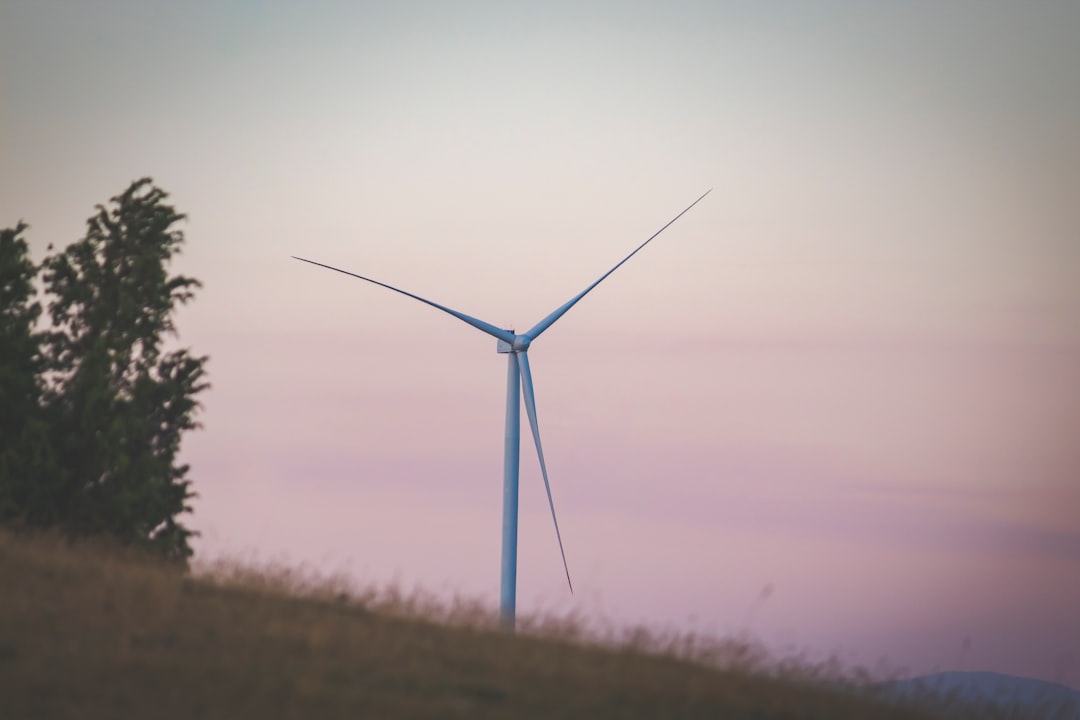
Distributed power grid independence refers to a system where energy generation and consumption occur locally, reducing reliance on centralized power plants and traditional grid infrastructures. This concept has gained traction in recent years as communities and individuals seek to enhance their energy resilience and sustainability. By decentralizing energy production, distributed power systems can harness local resources, such as solar panels, wind turbines, and biomass, to meet their energy needs.
This shift not only empowers consumers but also promotes a more sustainable energy landscape. The essence of distributed power grid independence lies in its ability to create a more flexible and responsive energy system. Unlike traditional grids, which are often vulnerable to outages and disruptions, distributed systems can operate independently or in conjunction with the main grid.
This flexibility allows for a more robust energy supply, particularly in times of crisis or natural disasters. As communities increasingly recognize the importance of energy security, the push for distributed power grid independence continues to grow, paving the way for innovative solutions and technologies.
Key Takeaways
- Distributed power grid independence enhances energy autonomy by decentralizing energy production and consumption.
- Renewable energy sources and energy storage are critical components for achieving reliable and sustainable energy autonomy.
- Smart grid technologies and supportive policies are essential to overcome challenges and optimize distributed power systems.
- Community initiatives and local government involvement play a significant role in advancing energy independence projects.
- Economic benefits and innovative opportunities drive the future growth of distributed power grid independence.
The Benefits of Embracing Energy Autonomy
Embracing energy autonomy offers numerous benefits that extend beyond mere convenience. One of the most significant advantages is the reduction in energy costs. By generating their own electricity, communities can decrease their dependence on expensive fossil fuels and mitigate the impact of fluctuating energy prices.
This financial relief can be particularly beneficial for low-income households, allowing them to allocate resources to other essential needs. Moreover, energy autonomy fosters environmental sustainability. By utilizing renewable energy sources, such as solar and wind, communities can significantly reduce their carbon footprint and contribute to global efforts to combat climate change.
This shift not only benefits the environment but also enhances public health by decreasing air pollution associated with fossil fuel combustion. As more individuals and communities embrace energy autonomy, the cumulative effect can lead to a substantial reduction in greenhouse gas emissions, promoting a healthier planet for future generations.
Challenges and Solutions for Implementing Distributed Power Grid Independence
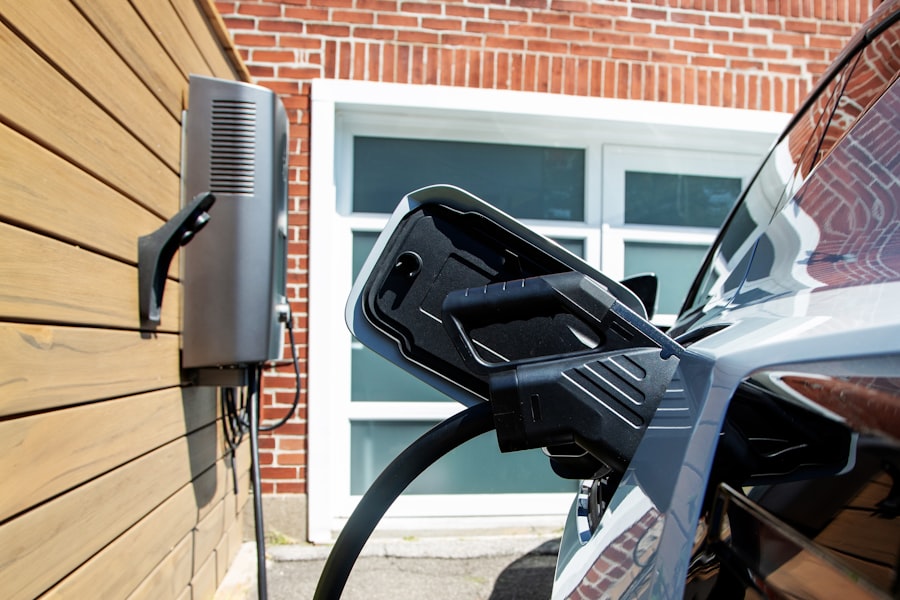
Despite its many advantages, implementing distributed power grid independence is not without challenges. One of the primary obstacles is the initial capital investment required for renewable energy technologies and infrastructure. Many communities may struggle to secure funding or financing options to support these projects, particularly in economically disadvantaged areas.
To address this issue, innovative financing models, such as community solar programs or public-private partnerships, can be explored to make renewable energy more accessible. Another challenge lies in regulatory frameworks that may not support decentralized energy systems. In many regions, outdated policies favor centralized power generation and can hinder the growth of distributed power initiatives.
Advocacy for policy reform is essential to create an enabling environment for energy autonomy. Engaging stakeholders, including local governments and utility companies, can facilitate discussions around regulatory changes that promote distributed energy solutions while ensuring grid reliability and safety.
The Role of Renewable Energy Sources in Achieving Energy Autonomy
Renewable energy sources play a pivotal role in achieving distributed power grid independence. Solar, wind, hydroelectric, and geothermal energy are among the most prominent options that communities can harness to generate clean electricity locally.
By investing in renewable technologies, communities can not only meet their energy needs but also contribute to a more sustainable future. The integration of renewable energy into distributed power systems also enhances resilience against climate-related disruptions. For instance, solar panels can provide electricity during extreme weather events when traditional grids may fail.
Additionally, advancements in technology have made renewable energy systems more efficient and cost-effective than ever before. As the price of solar panels continues to decline and wind turbine technology advances, communities are increasingly able to adopt these solutions without incurring prohibitive costs.
The Importance of Energy Storage in Distributed Power Grid Independence
| Metric | Description | Typical Value | Unit | Relevance to Distributed Power Grid Independence |
|---|---|---|---|---|
| Renewable Energy Penetration | Percentage of total energy generated from renewable sources | 30-80 | % | Higher penetration increases grid independence by reducing reliance on centralized fossil fuels |
| Energy Storage Capacity | Installed capacity of energy storage systems in the grid | 10-100 | MW | Enables balancing supply and demand, critical for autonomous operation |
| Grid Autonomy Level | Degree to which the grid can operate independently from the main grid | 50-100 | % | Measures the ability to sustain power without external support |
| Microgrid Deployment | Number of microgrids integrated within the distributed power system | 5-50 | Units | Microgrids enhance local control and resilience |
| Power Quality Index | Measure of voltage stability and frequency regulation | 95-99 | % | Maintains reliable and stable power supply in distributed grids |
| Demand Response Participation | Percentage of consumers participating in demand response programs | 20-60 | % | Improves grid flexibility and reduces peak loads |
| System Reliability (SAIDI) | System Average Interruption Duration Index | 30-120 | Minutes/year | Lower values indicate higher reliability and independence |
Energy storage is a critical component of distributed power grid independence, enabling communities to store excess energy generated from renewable sources for later use. This capability is essential for balancing supply and demand, particularly when renewable generation is intermittent. For example, solar panels produce electricity during the day but may not generate enough power at night or during cloudy weather.
Energy storage systems, such as batteries, allow communities to store surplus energy during peak production times and utilize it when demand is high. Moreover, energy storage enhances grid stability by providing backup power during outages or emergencies. In a distributed power system, storage solutions can act as a buffer against fluctuations in energy supply and demand, ensuring a reliable electricity supply even in challenging conditions.
As technology continues to advance, the cost of energy storage solutions is expected to decrease further, making them more accessible for communities seeking to achieve energy autonomy.
Policy and Regulatory Considerations for Energy Autonomy
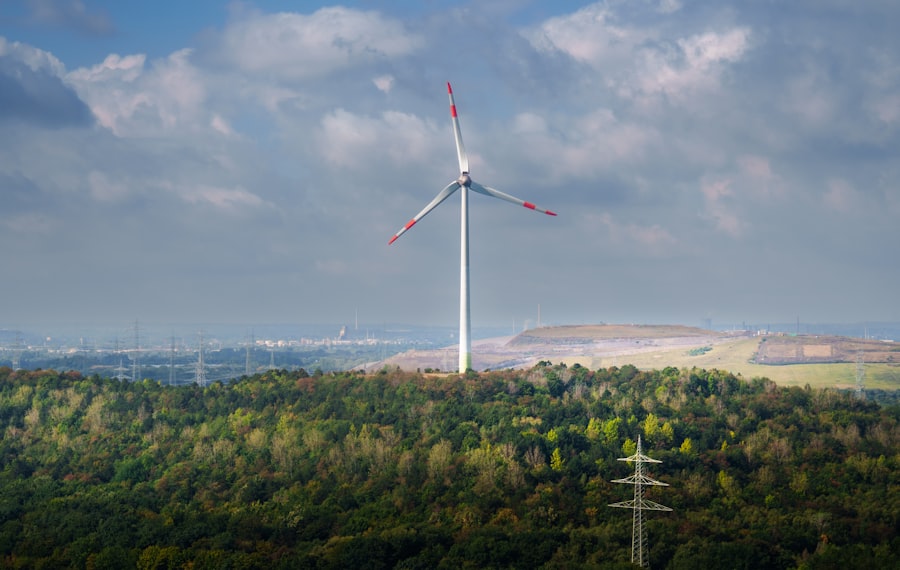
The successful implementation of distributed power grid independence hinges on supportive policy and regulatory frameworks. Policymakers must recognize the importance of decentralized energy systems and create incentives that encourage investment in renewable technologies and infrastructure. This may include tax credits for solar installations, grants for community energy projects, or streamlined permitting processes for renewable energy developments.
Additionally, regulatory bodies must adapt existing frameworks to accommodate the unique characteristics of distributed power systems. This includes establishing fair compensation mechanisms for excess energy fed back into the grid and ensuring that utility companies support rather than hinder the growth of decentralized energy initiatives. By fostering collaboration between regulators, utilities, and community stakeholders, policymakers can create an environment conducive to achieving energy autonomy.
The Role of Smart Grid Technologies in Supporting Distributed Power Grid Independence
Smart grid technologies are instrumental in facilitating distributed power grid independence by enhancing communication and control within the energy system. These technologies enable real-time monitoring of energy consumption and generation, allowing communities to optimize their use of renewable resources effectively. For instance, smart meters provide consumers with detailed insights into their energy usage patterns, empowering them to make informed decisions about their consumption habits.
Furthermore, smart grid technologies facilitate the integration of various renewable energy sources into the existing grid infrastructure. Advanced software solutions can manage the flow of electricity from multiple sources, ensuring that supply meets demand efficiently. This capability is particularly important as more communities adopt distributed power systems; smart grids can help balance localized generation with centralized resources when necessary, creating a more resilient overall energy network.
Community and Local Government Initiatives for Energy Autonomy
Community engagement is vital for advancing distributed power grid independence. Local governments play a crucial role in fostering initiatives that promote energy autonomy through education and outreach programs. By raising awareness about the benefits of renewable energy and providing resources for residents interested in adopting these technologies, local governments can empower their communities to take charge of their energy futures.
Additionally, community-led projects can serve as models for successful implementation of distributed power systems. Initiatives such as community solar gardens or cooperative wind farms allow residents to collectively invest in renewable energy projects while sharing the benefits of clean electricity generation. These collaborative efforts not only enhance local resilience but also strengthen community bonds as residents work together toward a common goal.
The Economic Implications of Embracing Distributed Power Grid Independence
The economic implications of embracing distributed power grid independence are profound and far-reaching. By investing in local renewable energy projects, communities can stimulate job creation within the green economy. From manufacturing solar panels to installing wind turbines and maintaining energy storage systems, a diverse range of employment opportunities emerges as communities transition toward decentralized energy solutions.
Moreover, reducing reliance on imported fossil fuels can enhance local economies by keeping energy dollars circulating within the community. This economic self-sufficiency fosters resilience against external market fluctuations while promoting sustainable growth. As more communities embrace distributed power grid independence, they position themselves as leaders in the transition toward a cleaner and more sustainable economy.
Case Studies of Successful Energy Autonomy Projects
Numerous case studies illustrate the potential of distributed power grid independence across various regions. One notable example is the town of Greensburg, Kansas, which rebuilt itself after a devastating tornado by committing to 100% renewable energy sources. Through investments in wind turbines and solar panels, Greensburg has not only achieved energy autonomy but has also become a model for other communities seeking sustainable solutions.
Another inspiring case is the island of Ta’u in American Samoa, which transitioned to 100% solar power with battery storage capabilities after facing challenges related to fuel imports and high electricity costs. This project has significantly reduced reliance on fossil fuels while providing reliable electricity to residents year-round. These examples demonstrate that with determination and innovative thinking, communities can successfully implement distributed power systems that enhance resilience and sustainability.
The Future of Distributed Power Grid Independence: Opportunities and Innovations
The future of distributed power grid independence holds immense promise as technological advancements continue to reshape the energy landscape. Innovations such as blockchain technology may revolutionize how communities manage their energy resources by enabling peer-to-peer trading of excess electricity generated from renewable sources. This decentralized approach could empower individuals to monetize their surplus energy while fostering greater collaboration within local networks.
Furthermore, ongoing research into advanced battery technologies promises to enhance energy storage capabilities significantly. As these innovations come to fruition, they will further enable communities to achieve greater levels of autonomy while ensuring reliable access to clean electricity. The convergence of these trends suggests that distributed power grid independence will play an increasingly vital role in shaping a sustainable future for generations to come.
In conclusion, distributed power grid independence represents a transformative shift toward localized energy solutions that empower communities while promoting sustainability and resilience. By embracing renewable resources, investing in smart technologies, and advocating for supportive policies, individuals and local governments can work together to create a brighter future powered by clean energy.
In the quest for distributed power grid independence, understanding the implications of local energy generation and consumption is crucial. A related article that delves into these concepts can be found at realloreandorder.
com/’>Real Lore and Order, where it explores the benefits and challenges of decentralized energy systems. This resource provides valuable insights into how communities can achieve greater energy autonomy and resilience.
FAQs
What is a distributed power grid?
A distributed power grid is an electrical grid system where power generation is decentralized and spread across multiple smaller sources, such as solar panels, wind turbines, and local generators, rather than relying solely on large, centralized power plants.
What does power grid independence mean?
Power grid independence refers to the ability of a community, facility, or region to generate and manage its own electricity without relying heavily on the main centralized power grid, enhancing energy security and resilience.
How does distributed power grid contribute to grid independence?
Distributed power grids enable grid independence by allowing local generation and consumption of electricity, reducing dependence on centralized utilities, minimizing transmission losses, and improving the ability to maintain power during outages or disruptions.
What are the benefits of distributed power grid independence?
Benefits include increased energy reliability, reduced transmission costs, enhanced resilience to natural disasters or cyberattacks, lower greenhouse gas emissions through renewable energy integration, and greater control over energy resources.
What technologies are commonly used in distributed power grids?
Common technologies include solar photovoltaic (PV) systems, wind turbines, energy storage systems (like batteries), microgrids, smart meters, and advanced control systems for managing distributed energy resources.
Can distributed power grids operate independently from the main grid?
Yes, distributed power grids can operate in “island mode,” where they function independently from the main grid, providing continuous power during outages or in remote locations without grid access.
What challenges are associated with achieving distributed power grid independence?
Challenges include the need for advanced grid management and control systems, initial investment costs, regulatory and policy barriers, integration of variable renewable energy sources, and ensuring grid stability and reliability.
How does distributed power grid independence impact the environment?
By promoting the use of renewable energy sources and reducing reliance on fossil fuel-based centralized power plants, distributed power grid independence can significantly lower carbon emissions and reduce environmental pollution.
Is distributed power grid independence suitable for all regions?
Suitability depends on factors such as local energy resources, infrastructure, regulatory environment, and economic considerations. Some remote or off-grid areas benefit greatly, while urban areas may require hybrid approaches.
What role do energy storage systems play in distributed power grid independence?
Energy storage systems store excess energy generated during peak production times and release it when demand is high or generation is low, ensuring a stable and reliable power supply in a distributed grid setup.