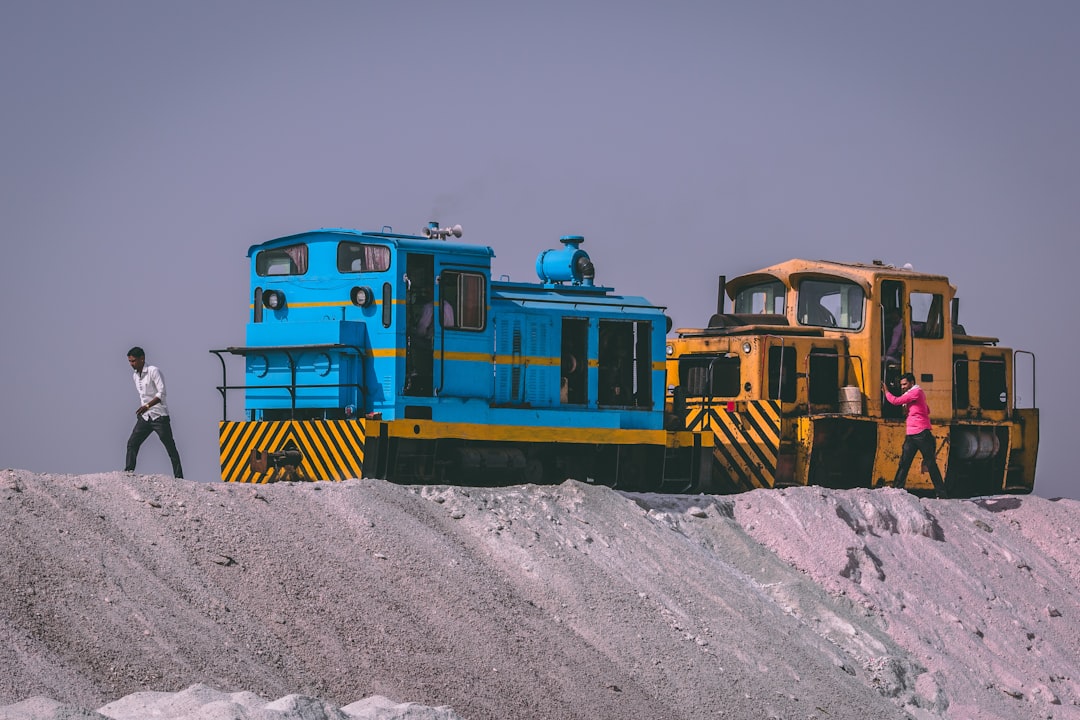
The relentless depletion of natural resources, particularly sand, has become a pressing environmental and societal concern across numerous regions. Despite legislative frameworks and institutional efforts designed to regulate and control its extraction, the illicit trade of sand, often orchestrated by powerful ‘sand mining mafias,’ continues to thrive. This article delves into the persistent failure of enforcement mechanisms, examining the multifaceted reasons behind the enduring power of these criminal enterprises and the devastating consequences of their unchecked operations.
The extraction of sand, a seemingly innocuous activity, forms the bedrock of modern infrastructure. From concrete and glass to road construction and land reclamation, sand is an indispensable commodity. Its pervasive use has, however, fueled a global crisis, where demand often outstrips sustainable supply. Learn about the environmental impacts of sand mining in this informative video.
A Global Phenomenon
The problem of illegal sand mining is not geographically isolated. Reports from the United Nations Environment Programme (UNEP) indicate widespread illicit sand extraction across Asia, Africa, and parts of Europe and Latin America. This makes it a global challenge requiring a coordinated international response.
The Economic Incentives
The primary driver behind the illicit sand trade is immense profit. The low cost of extraction, coupled with high demand, creates a lucrative black market. This makes it an attractive proposition for criminal organizations, particularly in regions with weak governance.
Environmental Degradation
The environmental ramifications of illegal sand mining are profound and often irreversible. Riverbeds are scoured, shorelines erode, and delicate ecosystems are destroyed, leading to biodiversity loss and habitat fragmentation. The removal of sand also alters hydrological regimes, contributing to increased flooding and droughts, directly impacting local communities.
The issue of sand mining mafia and the enforcement failures surrounding it has been a growing concern in many regions, highlighting the need for stricter regulations and better law enforcement. A related article that delves deeper into this topic can be found at this link, where it discusses the implications of illegal sand mining on the environment and local communities, as well as potential solutions to combat this pervasive issue.
The Cracks in the Enforcement Armor
Despite dedicated efforts by law enforcement agencies and environmental watchdogs, the sand mining mafia continues to operate with impunity in many areas. This persistence highlights systemic weaknesses within the enforcement framework.
Insufficient Manpower and Resources
One of the most immediate challenges facing enforcement agencies is the lack of adequate manpower and resources. Investigating and combating highly organized criminal networks requires a significant investment in personnel, training, and equipment, which is often lacking, especially in developing nations.
Corruption and Collusion
Perhaps the most insidious obstacle to effective enforcement is the pervasive issue of corruption. The lucrative nature of illicit sand mining makes it a prime target for corrupt practices, with officials at various levels often complicit in facilitating illegal operations or turning a blind eye to them. This creates a challenging environment where the very individuals entrusted with upholding the law are compromised.
The “Iron Triangle” of Illegality
This phenomenon is sometimes referred to as the “iron triangle” – a nexus of corrupt politicians, unscrupulous mining operators, and compromised law enforcement. This unholy alliance makes it exceedingly difficult to dismantle illicit operations from within.
Weak Legal Frameworks and Loopholes
While some nations possess robust environmental protection laws, others suffer from outdated or ambiguous legislation that provides ample loopholes for illegal miners to exploit. The lack of clear definitions, severe penalties, and efficient judicial processes further exacerbates the problem.
The Challenge of Evidence Collection
Gathering sufficient evidence to prosecute sand mining mafias is often an arduous task. Sites are frequently remote, operations are clandestine, and intimidation tactics are common, making eyewitness testimony scarce and dangerous.
The Human Cost: A Silent Crisis
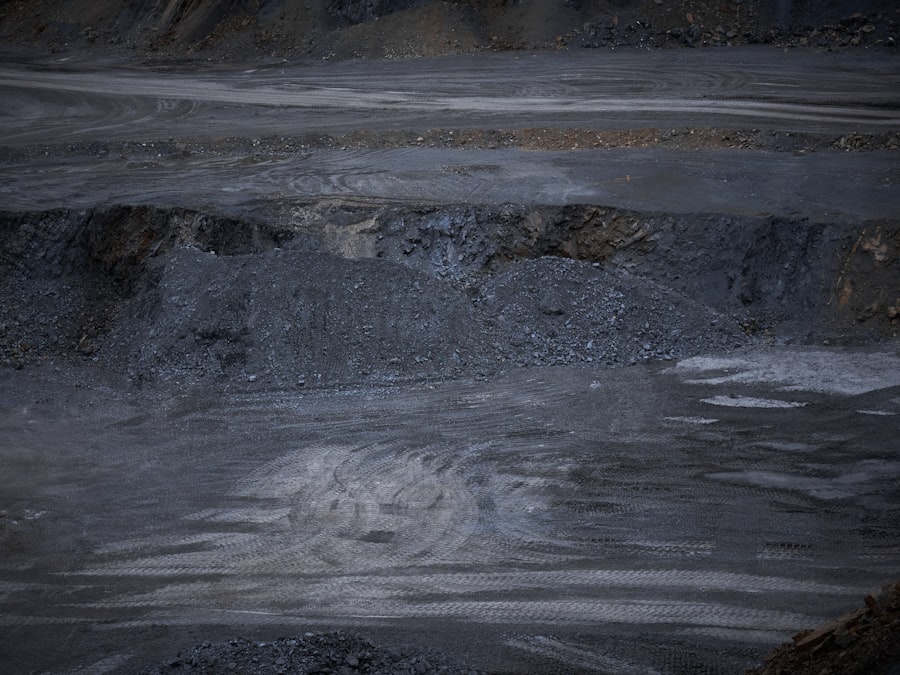
Beyond environmental damage, the unchecked activities of sand mining mafias inflict a significant human toll, impacting local communities and threatening social stability.
Displacement and Livelihoods
Communities living near active illegal mining sites often face displacement, as their homes and land become uninhabitable or are forcibly taken over. Traditional livelihoods, such as fishing and agriculture, are destroyed as river systems are degraded and fertile lands are rendered unproductive.
Violence and Intimidation
The sand mining mafia often operates with a level of ruthlessness that mirrors other organized crime syndicates. Activists, journalists, and concerned citizens who attempt to expose their activities often face intimidation, threats, and even violence. This creates a climate of fear, stifling dissent and further empowering the criminals.
Whistleblower Protection Deficiencies
The absence of robust whistleblower protection mechanisms further disincentivizes individuals from reporting illegal activities, leaving the mafia largely unchecked.
Health Impacts
The pollution generated by illegal sand mining, including dust particles and chemical runoff, has significant health implications for surrounding communities, contributing to respiratory illnesses and waterborne diseases.
Technological Solutions and Community Engagement

While the challenges are formidable, the tide can be turned through a multi-pronged approach that leverages technological advancements and fosters active community participation.
Satellite Monitoring and Remote Sensing
The advent of satellite imagery and remote sensing technologies offers a powerful tool for monitoring vast and often inaccessible areas prone to illegal mining. These technologies can detect changes in land use, identify active mining sites, and track the movement of excavated materials.
AI and Machine Learning for Anomaly Detection
Furthermore, the integration of Artificial Intelligence (AI) and machine learning algorithms can enhance the effectiveness of satellite monitoring by automatically identifying subtle patterns indicative of illegal mining activities, even in challenging terrains.
Drone Surveillance
For localized monitoring and real-time intervention, drones equipped with high-resolution cameras provide agile and cost-effective surveillance capabilities. They can rapidly survey suspected areas, gather visual evidence, and assist in coordinating enforcement actions.
Empowering Local Communities
Engaging local communities is paramount to long-term success. These communities are often the first to witness illegal mining activities and can serve as invaluable eyes and ears on the ground.
Participatory Monitoring Programs
Establishing participatory monitoring programs, where local residents are trained to report suspicious activities through accessible platforms (e.g., mobile apps), can significantly bolster enforcement efforts. This empowers communities and establishes a sense of ownership over their local environment.
Providing Alternative Livelihoods
Addressing the economic factors that push individuals towards precarious employment in illegal mining is crucial. Investing in sustainable alternative livelihoods for communities affected by mining can reduce their dependence on illicit activities.
The ongoing challenges faced by law enforcement in curbing the activities of the sand mining mafia highlight a significant gap in regulatory enforcement. A recent article discusses how the lack of coordinated efforts among various agencies has allowed these illegal operations to flourish, often leading to environmental degradation and loss of revenue for local governments. For a deeper understanding of the complexities involved, you can read more about this issue in the article on real law and order.
Policy Reformation and International Cooperation
| Metric | Description | Value | Source/Region | Year |
|---|---|---|---|---|
| Number of Illegal Sand Mining Cases Reported | Reported incidents of illegal sand mining activities | 1,250 | India (Rajasthan, Uttar Pradesh) | 2023 |
| Conviction Rate | Percentage of cases resulting in conviction | 12% | India (National Average) | 2023 |
| Enforcement Personnel Involved | Number of officials assigned to sand mining enforcement | 350 | India (Maharashtra) | 2023 |
| Reported Corruption Incidents | Cases of corruption linked to sand mining mafia | 85 | India (Kerala) | 2023 |
| Estimated Illegal Sand Extraction (tons) | Estimated volume of illegally mined sand | 500,000 | India (National Estimate) | 2023 |
| Number of Enforcement Raids Conducted | Operations conducted to curb illegal mining | 420 | India (Tamil Nadu) | 2023 |
| Average Time to Case Resolution (months) | Average duration from case filing to closure | 18 | India (National Average) | 2023 |
| Public Complaints Received | Number of complaints from citizens about illegal mining | 2,100 | India (National) | 2023 |
A fundamental shift in policy and enhanced international collaboration are essential to effectively combat the global sand mining mafia.
Strengthening Legal Frameworks
Governments must prioritize the review and strengthening of existing legal frameworks related to sand extraction. This includes:
- Standardizing Definitions: Clear and unambiguous definitions of sand, mining activities, and illegal practices.
- Imposing Harsher Penalties: Increasing the severity of penalties for illegal mining, including higher fines, longer prison sentences, and asset forfeiture for individuals and organizations involved.
- Streamlining Judicial Processes: Expediting legal proceedings related to environmental crimes to ensure timely justice and deterrence.
Enhancing Transparency and Accountability
Transparency in licensing and monitoring processes is critical to curbing corruption. Publicly accessible records of mining permits, extraction volumes, and environmental impact assessments can significantly reduce opportunities for illicit dealings.
Cross-Border Collaboration
Given the often cross-border nature of sand supply chains and criminal networks, international cooperation is indispensable. This includes:
- Intelligence Sharing: Establishing mechanisms for intelligence sharing among national and international law enforcement agencies to identify and dismantle transnational sand trafficking rings.
- Joint Operations: Conducting coordinated cross-border operations to target illegal mining sites and disrupt supply lines.
- Capacity Building: Providing technical assistance and training to countries with limited enforcement capabilities to strengthen their abilities to combat illegal mining.
Consumer Awareness and Demand Reduction
Ultimately, addressing the demand side of the equation is also vital. Educating consumers about the environmental and social costs of unsustainably sourced sand can foster a preference for responsibly extracted alternatives and recycled materials. This may involve:
- Promoting Sustainable Alternatives: Encouraging the use of crushed rock, recycled concrete, and other alternative building materials where feasible.
- Certifications and Labels: Developing certification schemes for sustainably sourced sand, allowing consumers and businesses to make informed choices.
The Road Ahead: A Collective Responsibility
The battle against the sand mining mafia is not merely an enforcement challenge; it is a complex societal issue requiring a holistic and sustained effort from all stakeholders. Governments, law enforcement, civil society organizations, local communities, and even the end-users of sand all have a role to play in stemming the tide of this environmental and social catastrophe.
As you, the reader, consider the vastness of this problem, remember that the sand beneath your feet is not an infinite resource. Its extraction, whether legal or illegal, carries profound implications for the planet and its inhabitants. The enforcement failure that allows the sand mining mafia to thrive represents a gaping wound in our collective commitment to environmental stewardship and social justice. Closing this wound requires political will, technological innovation, and an unwavering dedication to protecting our planet’s fragile ecosystems for future generations. The time for decisive action is now, before the very foundations of our world are eroded beyond repair.
WATCH THIS! 🏗️ SAND MINING MAFIA: The $70 Billion Crime Wave Destroying Rivers & Killing Journalists
FAQs
What is sand mining mafia?
Sand mining mafia refers to organized groups involved in illegal sand mining activities. These groups often operate outside legal regulations, exploiting natural resources for profit and sometimes using intimidation or violence to avoid enforcement.
Why is illegal sand mining a problem?
Illegal sand mining leads to environmental degradation, including riverbank erosion, loss of biodiversity, and disruption of aquatic ecosystems. It also causes economic losses to governments due to unpaid royalties and damages public infrastructure.
What does enforcement failure mean in the context of sand mining?
Enforcement failure refers to the inability of authorities to effectively regulate and control illegal sand mining activities. This can result from corruption, lack of resources, inadequate laws, or insufficient monitoring and penalties.
What are the consequences of enforcement failure against sand mining mafia?
Consequences include continued environmental harm, loss of public trust in law enforcement, increased criminal activities, and depletion of natural resources. It also undermines sustainable development efforts and can lead to social conflicts.
Which agencies are responsible for regulating sand mining?
Typically, environmental protection agencies, mining departments, local government bodies, and law enforcement agencies share responsibility for regulating sand mining. The exact agencies vary by country and region.
What measures can improve enforcement against sand mining mafia?
Improving enforcement can involve stricter laws, better monitoring technologies (like satellite imaging), increased transparency, community involvement, stronger penalties, and anti-corruption initiatives within enforcement agencies.
Is sand mining legal everywhere?
No, sand mining is regulated differently across regions. Some areas allow controlled sand mining under permits, while others have banned it due to environmental concerns. Illegal sand mining occurs when these regulations are violated.
How does illegal sand mining affect local communities?
Illegal sand mining can lead to loss of livelihoods for communities dependent on natural resources, damage to agricultural land, water scarcity, and increased risk of floods and landslides due to environmental degradation.
What role does corruption play in enforcement failure?
Corruption can enable illegal sand mining by allowing mafias to evade penalties, obtain illegal permits, or intimidate officials. It weakens the rule of law and hampers effective regulation and prosecution.
Are there any successful examples of combating sand mining mafia?
Yes, some regions have successfully reduced illegal sand mining through coordinated enforcement, community vigilance, use of technology, and legal reforms. These examples highlight the importance of multi-stakeholder collaboration and political will.