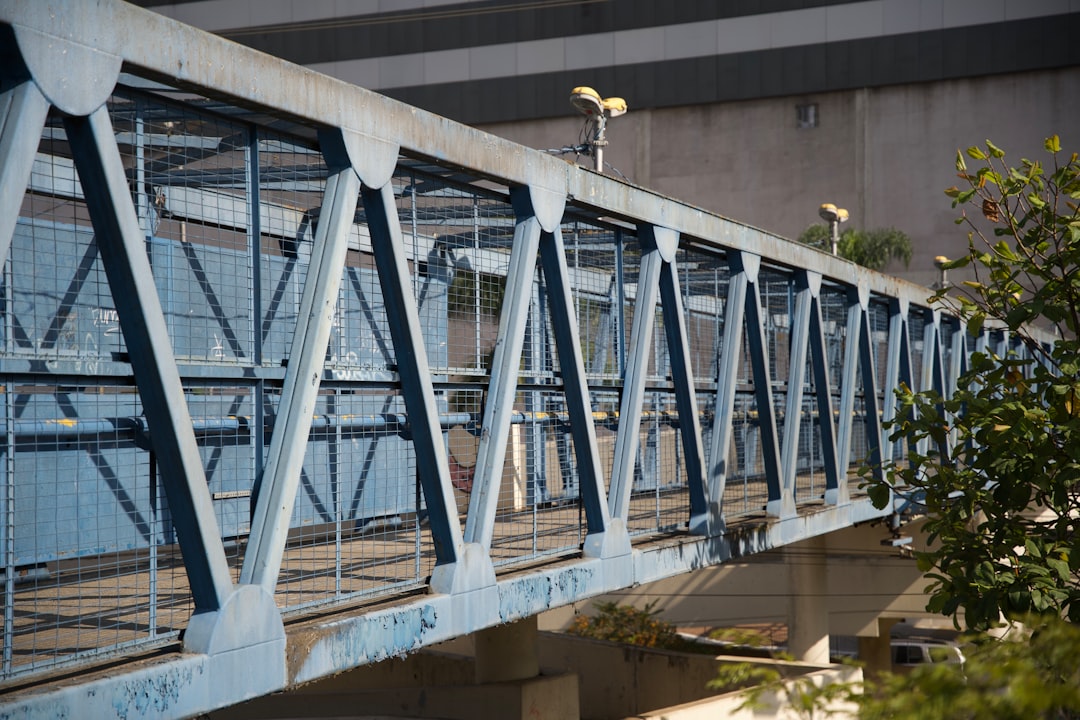
Bridge inspection safety is a critical aspect of infrastructure management that ensures the longevity and reliability of vital transportation links. As bridges age and traffic loads increase, the need for thorough and regular inspections becomes paramount. The safety of both the structures and the personnel conducting these inspections is of utmost importance.
Traditional methods of bridge inspection often involve manual assessments, which can pose significant risks to inspectors, especially when working at heights or in challenging environments. Therefore, the evolution of inspection methodologies has become essential in safeguarding both workers and the integrity of the structures they evaluate. In recent years, there has been a growing recognition of the need for advanced systems that enhance safety during bridge inspections.
These systems not only improve the accuracy and efficiency of inspections but also mitigate the risks associated with traditional methods. By integrating technology into the inspection process, stakeholders can ensure that bridges are maintained to the highest standards while protecting the health and safety of inspection teams. This article explores the importance of advanced systems in bridge inspection, their advantages, and the various technologies that are transforming this critical field.
Key Takeaways
- Advanced systems significantly improve the safety and efficiency of bridge inspections.
- Robotics and drones play a crucial role in reducing risks for inspection workers.
- Artificial intelligence enhances data analysis and defect detection during inspections.
- Despite benefits, challenges such as cost and technical limitations remain in adopting advanced systems.
- Future trends focus on integrating more sophisticated technologies to further enhance bridge inspection safety.
Importance of Advanced Systems in Bridge Inspection
The importance of advanced systems in bridge inspection cannot be overstated. As infrastructure ages, the potential for structural failures increases, making regular and thorough inspections essential.
By utilizing cutting-edge technology, inspectors can gather data that is not only more comprehensive but also more reliable than traditional methods. This shift towards advanced systems is crucial in maintaining public safety and ensuring that bridges can withstand the demands placed upon them. Moreover, advanced systems facilitate a more proactive approach to maintenance.
Instead of waiting for visible signs of deterioration, inspectors can use sophisticated tools to identify underlying problems before they escalate. This proactive stance not only extends the lifespan of bridges but also reduces long-term maintenance costs. By investing in advanced inspection technologies, agencies can prioritize safety and efficiency, ultimately leading to better resource allocation and improved infrastructure management.
Advantages of Using Advanced Systems for Bridge Inspection
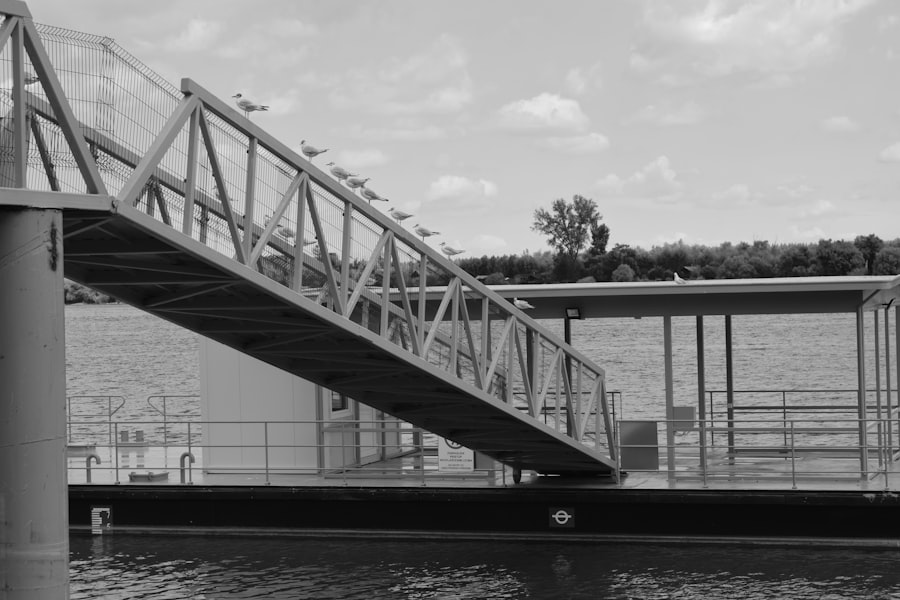
The advantages of using advanced systems for bridge inspection are manifold. One of the most significant benefits is the increased accuracy of data collection. Traditional inspection methods often rely on visual assessments, which can be subjective and prone to human error.
In contrast, advanced systems utilize technologies such as sensors, drones, and imaging techniques that provide objective data. This data-driven approach allows for more precise evaluations of a bridge’s condition, enabling engineers to make informed decisions regarding maintenance and repairs. Additionally, advanced systems enhance efficiency by reducing the time required for inspections.
Manual inspections can be labor-intensive and time-consuming, often requiring multiple personnel to assess various aspects of a bridge. Advanced technologies streamline this process by automating data collection and analysis, allowing inspectors to focus on interpreting results rather than gathering them. This efficiency not only saves time but also minimizes disruptions to traffic and reduces costs associated with prolonged inspections.
Types of Advanced Systems Used in Bridge Inspection
A variety of advanced systems are currently employed in bridge inspection, each offering unique capabilities that enhance safety and efficiency. One prominent technology is the use of drones, which can capture high-resolution images and videos from angles that are difficult or dangerous for human inspectors to reach. Drones equipped with thermal imaging cameras can also detect heat anomalies that may indicate structural issues, providing valuable insights into a bridge’s condition without putting personnel at risk.
Another important system is the use of sensors embedded within bridge structures. These sensors can monitor various parameters such as stress, strain, and vibration in real-time. By continuously collecting data, these systems enable engineers to track changes over time and identify potential problems before they become critical.
Additionally, ground-penetrating radar (GPR) is increasingly used to assess the integrity of concrete structures by detecting voids or delaminations beneath the surface. Together, these advanced systems create a comprehensive toolkit for effective bridge inspection.
Role of Robotics in Enhancing Bridge Inspection Safety
| Safety System | Description | Key Metrics | Benefits |
|---|---|---|---|
| Fall Protection Systems | Equipment and protocols to prevent falls during inspections | Number of harnesses used, Fall arrest incidents, Training hours | Reduces risk of injury or death, ensures compliance with safety standards |
| Structural Health Monitoring Sensors | Sensors installed to monitor bridge integrity in real-time | Number of sensors deployed, Data accuracy rate, Alert frequency | Early detection of structural issues, reduces manual inspection frequency |
| Drone Inspection Systems | Use of drones to inspect hard-to-reach areas safely | Flight hours, Number of inspections completed, Image resolution quality | Minimizes human exposure to hazards, increases inspection coverage |
| Personal Protective Equipment (PPE) | Standard gear such as helmets, gloves, and high-visibility clothing | PPE compliance rate, Replacement frequency, Incident reduction rate | Protects inspectors from physical hazards, improves visibility |
| Safety Training Programs | Regular training sessions on safety protocols and emergency response | Training hours per inspector, Certification rate, Incident rate post-training | Enhances safety awareness, reduces accidents and errors |
Robotics play a pivotal role in enhancing safety during bridge inspections by taking on tasks that would otherwise expose human inspectors to hazardous conditions. Robotic systems can navigate complex environments, such as confined spaces or high-altitude locations, where traditional access methods may be impractical or dangerous. By deploying robots equipped with cameras and sensors, inspectors can obtain detailed information about a bridge’s condition without putting themselves at risk.
Furthermore, robotic systems can operate autonomously or be remotely controlled, allowing for real-time data collection without direct human involvement. This capability not only improves safety but also increases the efficiency of inspections by enabling continuous monitoring without the need for frequent personnel deployment. As robotics technology continues to advance, its integration into bridge inspection processes is expected to grow, further enhancing safety measures and operational effectiveness.
Benefits of Using Drones for Bridge Inspection
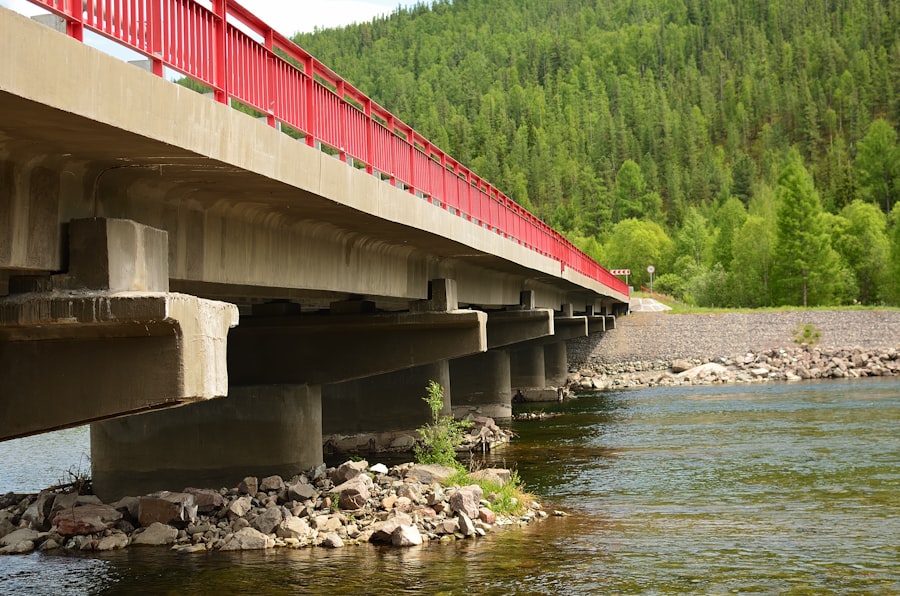
Drones have emerged as a transformative tool in bridge inspection due to their numerous benefits. One of the primary advantages is their ability to access hard-to-reach areas quickly and safely. Inspectors can deploy drones equipped with high-resolution cameras to capture detailed images and videos from various angles without needing scaffolding or ladders.
This capability significantly reduces the time required for inspections while minimizing risks associated with working at heights. In addition to improving access, drones also enhance data collection capabilities. Equipped with advanced imaging technology such as LiDAR (Light Detection and Ranging), drones can create detailed 3D models of bridge structures, allowing for comprehensive assessments of their condition.
The ability to gather vast amounts of data quickly enables engineers to analyze structural integrity more effectively and make informed decisions regarding maintenance and repairs. As drone technology continues to evolve, its applications in bridge inspection are likely to expand further, offering even greater benefits in terms of safety and efficiency.
Integration of Artificial Intelligence in Bridge Inspection
The integration of artificial intelligence (AI) into bridge inspection processes represents a significant advancement in how data is analyzed and interpreted. AI algorithms can process large volumes of data collected from various sources—such as drones, sensors, and imaging systems—much faster than human analysts. By employing machine learning techniques, AI can identify patterns and anomalies that may indicate potential structural issues, allowing for timely interventions.
Moreover, AI enhances predictive maintenance strategies by analyzing historical data alongside real-time information. This capability enables engineers to forecast when maintenance will be required based on usage patterns and environmental factors, ultimately leading to more efficient resource allocation. The combination of AI with advanced inspection technologies not only improves safety but also optimizes maintenance schedules, ensuring that bridges remain safe and functional for years to come.
Enhancing Worker Safety with Advanced Systems
Worker safety is a paramount concern in bridge inspection, and advanced systems play a crucial role in enhancing this aspect of operations. By utilizing technologies such as drones and robotics, agencies can significantly reduce the need for personnel to work in hazardous conditions. This shift not only protects inspectors from potential accidents but also fosters a culture of safety within organizations.
Additionally, advanced systems provide real-time monitoring capabilities that can alert inspectors to potential dangers during inspections. For instance, sensors embedded within bridges can detect structural changes that may pose risks to personnel working nearby.
Challenges and Limitations of Advanced Systems in Bridge Inspection
Despite the numerous advantages offered by advanced systems in bridge inspection, challenges and limitations remain. One significant hurdle is the initial cost associated with implementing these technologies. While long-term savings may be realized through increased efficiency and reduced maintenance costs, the upfront investment required for advanced equipment and training can be substantial for many agencies.
Moreover, there may be limitations related to data interpretation and reliance on technology. While advanced systems provide valuable insights into a bridge’s condition, human expertise remains essential for making final assessments and decisions regarding maintenance or repairs. The integration of technology should complement rather than replace human judgment in the inspection process.
Case Studies of Successful Implementation of Advanced Systems in Bridge Inspection
Several case studies illustrate the successful implementation of advanced systems in bridge inspection across various regions. For instance, a transportation agency in California adopted drone technology to inspect its aging bridges after experiencing challenges with traditional methods. The use of drones allowed inspectors to complete assessments more quickly while capturing high-resolution images that revealed previously unnoticed structural issues.
As a result, the agency was able to prioritize repairs effectively and allocate resources more efficiently. Another notable example comes from a project in Europe where ground-penetrating radar was utilized to assess concrete bridges’ integrity before major renovations were undertaken. The GPR technology provided detailed insights into subsurface conditions that informed engineers’ decisions regarding repair strategies.
This proactive approach not only enhanced safety during construction but also ensured that the renovations addressed underlying issues effectively.
Future Trends in Enhancing Bridge Inspection Safety with Advanced Systems
Looking ahead, several trends are likely to shape the future of bridge inspection safety through advanced systems. The continued evolution of drone technology will likely lead to even greater capabilities in terms of data collection and analysis. As drones become more sophisticated, they may incorporate additional sensors capable of detecting a wider range of structural issues.
Furthermore, advancements in artificial intelligence will enhance predictive maintenance strategies by improving algorithms used for data analysis. As AI becomes more integrated into inspection processes, agencies will be better equipped to anticipate maintenance needs based on real-time data trends. In conclusion, the integration of advanced systems into bridge inspection processes represents a significant leap forward in ensuring both worker safety and infrastructure integrity.
As technology continues to evolve, it will undoubtedly play an increasingly vital role in shaping how inspections are conducted—ultimately leading to safer bridges and more efficient maintenance practices across the globe.
In the realm of bridge inspection safety systems, understanding the latest advancements is crucial for ensuring the safety of both inspectors and the structures themselves. A related article that delves into innovative safety measures and technologies can be found at this link. This resource provides valuable insights into best practices and emerging trends in the field, making it a must-read for professionals involved in bridge maintenance and safety.
FAQs
What are bridge inspection safety systems?
Bridge inspection safety systems are specialized tools, equipment, and protocols designed to ensure the safety of inspectors and workers during the examination and maintenance of bridges. These systems help prevent accidents and facilitate thorough inspections.
Why are bridge inspection safety systems important?
They are crucial because bridge inspections often involve working at significant heights and in challenging environments. Safety systems protect personnel from falls, structural hazards, and other risks, ensuring inspections are conducted safely and effectively.
What types of safety equipment are commonly used in bridge inspections?
Common safety equipment includes harnesses, fall arrest systems, safety nets, guardrails, scaffolding, aerial lifts, and personal protective equipment (PPE) such as helmets, gloves, and high-visibility clothing.
How do fall protection systems work during bridge inspections?
Fall protection systems typically involve harnesses connected to secure anchor points or lifelines. These systems arrest a fall if an inspector slips or loses balance, minimizing injury risk.
Are there specific regulations governing bridge inspection safety?
Yes, organizations such as OSHA (Occupational Safety and Health Administration) in the U.S. set standards and regulations for fall protection, confined space entry, and other safety aspects relevant to bridge inspections.
What role do technology and innovation play in bridge inspection safety?
Technologies like drones, robotic crawlers, and remote sensing devices reduce the need for inspectors to access hazardous areas directly, enhancing safety by minimizing exposure to risks.
How often should bridge inspection safety systems be checked or maintained?
Safety systems and equipment should be inspected regularly, often before each use, and maintained according to manufacturer guidelines and regulatory requirements to ensure they function correctly.
Can bridge inspection safety systems prevent all accidents?
While these systems significantly reduce risks, no safety system can eliminate all hazards. Proper training, adherence to safety protocols, and situational awareness are also essential components of safe bridge inspections.
Who is responsible for implementing bridge inspection safety systems?
Employers, safety officers, and inspection teams share responsibility for implementing and maintaining safety systems, ensuring compliance with regulations, and providing adequate training to personnel.
What training is required for personnel using bridge inspection safety systems?
Personnel typically require training in fall protection, equipment use, hazard recognition, emergency procedures, and sometimes specialized certifications depending on the complexity of the inspection and equipment used.