
The intricate dance of global commerce relies heavily on unimpeded maritime transit. However, this vast and often vulnerable network faces numerous threats, from piracy and terrorism to illegal fishing and smuggling. To counter these challenges, maritime organizations and nations have increasingly turned to sophisticated defensive strategies. Among these, the implementation of robust convoy protocols stands as a foundational element for enhancing maritime security. This article delves into the various facets of convoy operations, from their historical origins to their modern-day applications, emphasizing their critical role in safeguarding seaborne trade and human life.
The concept of convoying vessels for mutual protection is far from novel. Its origins can be traced back centuries, evolving in response to prevailing maritime threats. Understanding this historical trajectory provides crucial context for appreciating the contemporary relevance of convoy protocols. Learn more about global trade and its impact on the economy.
Early Naval Warfare and Piracy
The earliest forms of convoying emerged in eras dominated by coastal raiding and privateering. Merchant vessels, laden with valuable cargo, were prime targets for opportunistic attackers. Naval powers, recognizing the economic and strategic importance of these trade routes, began organizing fleets of warships to escort their merchant brethren.
- Ancient Mediterranean: The Phoenicians and Greeks, pioneers of maritime trade, likely employed rudimentary escort systems to protect their galleys from pirates operating in the Mediterranean. Evidence from archaeological finds and historical accounts suggests that larger, more heavily armed vessels sometimes accompanied smaller trading ships.
- Viking Raids: During the Viking Age, coastal communities and trading vessels throughout Northern Europe faced persistent threats. While not always formal convoys, larger fleets of longships would often travel together, offering a degree of mutual protection against rival raiders or stormy seas.
Age of Sail and Privateering
The age of sail witnessed a significant escalation in both maritime trade and naval conflict. Privateering, the practice of government-sanctioned piracy, became a widespread feature of warfare, making virtually any unescorted merchant ship a potential prize.
- Colonial Trade Routes: The lucrative trade routes between European empires and their overseas colonies were particularly vulnerable. Spanish treasure fleets, laden with gold and silver from the Americas, often sailed in heavily guarded convoys to deter English, French, and Dutch privateers. These convoys were meticulously organized, with designated flagship vessels, strict sailing formations, and contingency plans for attack.
- Napoleonic Wars: During the Napoleonic Wars, the British Royal Navy extensively employed convoy systems to protect its vital trade and supply lines across the globe. These convoys were instrumental in sustaining Britain’s war effort and its economic dominance, despite constant harassment from French privateers and naval squadrons.
World Wars and Submarine Warfare
The advent of submarine warfare in the 20th century presented an unprecedented threat to maritime commerce. Unseen and often undetectable until too late, U-boats decimated unescorted shipping in both World War I and World War II.
- Battle of the Atlantic: The Battle of the Atlantic in World War II stands as a stark testament to the effectiveness of convoy protocols. Initially, Allied shipping suffered catastrophic losses to German U-boats. However, through the systematic implementation of well-organized convoys, supported by air cover and increasingly sophisticated anti-submarine warfare (ASW) technologies, the tide of the war was eventually turned. These convoys involved hundreds of ships, designated escorts, and elaborate communication systems to coordinate defense.
In recent discussions surrounding maritime security, the implementation of convoy protocols has emerged as a crucial strategy to enhance the safety of shipping routes. For further insights into this topic, you can explore the article on maritime security measures at Real Lore and Order, which delves into various protective strategies and the importance of coordinated efforts in safeguarding maritime operations against potential threats.
Contemporary Threats and the Renewed Importance of Convoys
While the nature of maritime threats has evolved, the fundamental principle of collective defense remains profoundly relevant. Modern convoys are designed to counter a diverse array of risks, underscoring their enduring utility in a complex maritime environment.
Piracy and Armed Robbery
Despite international efforts, piracy and armed robbery at sea continue to plague certain regions, particularly in areas like the Gulf of Aden, the Indian Ocean, and parts of West Africa. These attacks, often perpetrated by well-organized criminal groups, pose significant risks to vessels and their crews.
- Somali Piracy Crisis: The peak of Somali piracy in the late 2000s necessitated a robust international response. Naval forces from numerous nations established transit corridors and provided escorts for merchant shipping, significantly reducing successful attacks. The “Best Management Practices” (BMP) guidelines, which include recommendations for convoying and group transits, became standard industry practice.
- Gulf of Guinea: More recently, the Gulf of Guinea has emerged as a hotspot for piracy, characterized by kidnappings for ransom. While formal naval convoys are less frequent, vessel operators often coordinate their transits, sharing intelligence and sometimes employing private maritime security contractors (PMSCs) to enhance collective protection.
Terrorism and Asymmetric Warfare
Maritime terrorism, though less frequent than piracy, represents a grave threat, as evidenced by incidents like the attack on the USS Cole. The potential for terrorist groups to target critical infrastructure, such as oil tankers or LNG carriers, necessitates stringent security measures.
- Vulnerability of Critical Infrastructure: The global economy relies heavily on the continuous flow of energy and goods. Terrorist attacks on key maritime assets could have devastating economic and environmental consequences. Convoys, particularly for high-value or high-risk cargoes, can mitigate these vulnerabilities by providing layered defense and rapid response capabilities.
- Naval Escorts for High-Value Assets: In certain high-threat zones or for specific types of cargo, dedicated naval escorts may be deployed. These escorts not only provide a deterrent but also possess the capabilities to counter sophisticated threats, including sea-borne suicide attacks or remote-controlled explosive devices.
Geopolitical Instability and Regional Conflicts
Regional conflicts and geopolitical tensions can disrupt maritime trade and expose vessels to collateral damage or targeted aggression. Navigating such volatile waters often requires coordinated protective measures.
- Strait of Hormuz: As a critical choke point for global oil supplies, the Strait of Hormuz is frequently subject to geopolitical tensions. Naval presences and coordinated transits are common, ensuring the safe passage of tankers through potentially hostile waters.
- Conflict Zones and Blockades: In times of war or naval blockades, convoys become essential for humanitarian aid, military resupply, and maintaining vital economic links for besieged nations. These operations are often conducted under strict rules of engagement and may involve multinational forces.
Operational Aspects of Modern Convoy Protocols
The effectiveness of any convoy system hinges on meticulous planning, clear communication, and the seamless coordination of diverse assets. Modern convoy protocols are sophisticated frameworks designed to optimize these elements.
Planning and Formation
Before a convoy departs, extensive planning is undertaken to ensure its efficient and secure execution. This involves considering various factors, from the characteristics of the participating vessels to the specific threats anticipated.
- Route Assessment: A detailed assessment of the proposed transit route is conducted, identifying potential choke points, areas with historical incidents, and environmental hazards. This informs the optimal path and any necessary adjustments.
- Vessel Grouping: Vessels within a convoy are often grouped based on their speed, maneuverability, and cargo type. Slower vessels might form the core, protected by faster, more agile escorts. This ensures that the convoy can maintain a consistent speed and formation.
- Designated Roles and Responsibilities: Each vessel within the convoy, including merchant ships and escorts, is assigned specific roles and responsibilities. This includes designated lookouts, communication protocols, and emergency procedures. The convoy commander, typically an experienced naval officer, assumes overall authority.
Communication and Command and Control
Effective communication is the lifeblood of a successful convoy operation. A robust and resilient communication infrastructure is paramount for maintaining situational awareness and coordinating responses to threats.
- Secure Communication Channels: Convoys utilize secure and redundant communication channels, including satellite communications, encrypted radios, and specialized data links. This prevents interception by adversaries and ensures reliable information exchange.
- Shared Situational Awareness: All participating vessels maintain a shared picture of the operational environment. This includes real-time intelligence on potential threats, weather conditions, and the positions of all convoy members. Advanced tracking and surveillance systems contribute to this comprehensive awareness.
- Command Vessel and Information Hub: A designated command vessel, often the lead escort, serves as the central hub for intelligence gathering and decision-making. It processes information from all sources and issues directives to the convoy.
Escort Assets and Defensive Layers
The protective shield of a convoy is formed by a combination of escort assets, each contributing to a layered defense strategy. These assets are chosen based on the nature of the threat and available resources.
- Naval Warships: Destroyer, frigates, and corvettes, equipped with advanced radar, sonar, anti-ship missiles, and close-in weapon systems, form the primary escort. They provide significant firepower and deterrence.
- Air Support: Helicopters, maritime patrol aircraft (MPA), and unmanned aerial vehicles (UAVs) provide invaluable aerial surveillance, extending the convoy’s detection range and offering rapid response capabilities against fast-moving threats.
- Unarmed Security Teams: For less severe threats, unarmed security teams, often drawn from private maritime security contractors, may be deployed on merchant vessels to deter boardings and provide an initial response. Their presence alone can be a significant deterrent.
- Evasive Maneuvers and Countermeasures: Merchant vessels within a convoy are trained in evasive maneuvers and the deployment of passive countermeasures, such as high-pressure hoses, razor wire, and acoustic deterrent devices, to repel boardings.
The Human Element: Training and Coordination
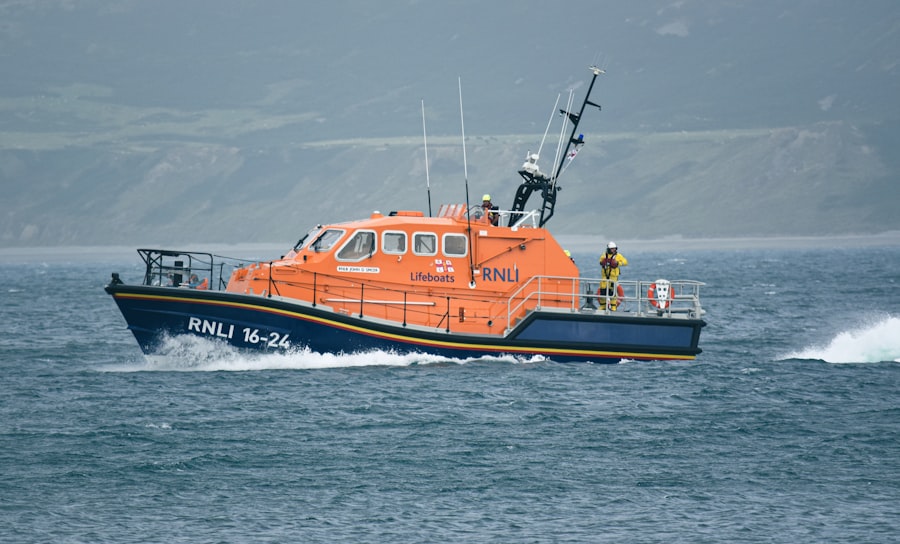
Beyond technological advancements and strategic planning, the success of convoy operations ultimately rests on the human element – the skill, training, and coordination of the personnel involved.
Crew Training and Preparedness
The crews of merchant vessels participating in convoys play a vital role in their own defense and the overall security of the group.
- Anti-Piracy Drills: Crews undergo rigorous training in anti-piracy drills, including lockdown procedures, citadel activation, and the use of non-lethal deterrents. This ensures they can react effectively under pressure.
- Communication Protocols: Proficiency in standardized communication protocols is essential for seamless interaction with escort vessels and other convoy members. Clear and concise reporting of suspicious activity can be critical.
- Situational Awareness: Training emphasizes the importance of constant vigilance and situational awareness. Crew members are taught to identify potential threats, such as approaching small boats or unusual radar contacts.
Interoperability and Multinational Cooperation
Many modern convoy operations involve naval forces from multiple nations, necessitating a high degree of interoperability and effective multinational cooperation.
- Standardized Procedures: International naval forces adhere to standardized operating procedures (SOPs) and tactical doctrine to ensure seamless integration and coordination. This includes common communication protocols and shared understanding of command structures.
- Joint Exercises: Regular joint exercises are conducted to practice convoy operations, refine tactics, and build trust and understanding among participating navies. These exercises are crucial for ironing out any communication or procedural discrepancies.
- Information Sharing and Intelligence Fusion: Effective intelligence sharing and fusion among participating nations are critical for anticipating threats and adapting convoy protocols accordingly. Real-time intelligence from diverse sources helps paint a comprehensive picture of the operational environment.
In recent discussions surrounding maritime security, the implementation of convoy protocols has emerged as a crucial strategy for protecting vessels against piracy and other threats. A related article that delves deeper into this topic can be found at this link, which explores the effectiveness of these protocols in enhancing the safety of maritime operations. By examining real-world case studies, the article highlights how organized groups can significantly reduce the risks faced by shipping fleets in high-risk areas.
Challenges and Future Outlook
| Metric | Description | Typical Value/Range | Importance |
|---|---|---|---|
| Convoy Size | Number of vessels grouped together for transit | 5 – 20 ships | Medium – Larger convoys provide better protection but require more coordination |
| Escort Vessels | Number of naval or security ships accompanying the convoy | 1 – 5 escorts | High – Escorts deter and respond to threats |
| Speed of Convoy | Average speed maintained during transit | 10 – 15 knots | Medium – Balances fuel efficiency and security |
| Communication Protocols | Methods and frequency of communication among convoy members and escorts | Encrypted VHF/UHF radio, AIS updates every 5-15 minutes | High – Ensures coordination and threat awareness |
| Threat Detection Radius | Distance at which potential threats are detected | 5 – 20 nautical miles | High – Early detection allows timely response |
| Response Time | Time taken to respond to a security threat | Under 10 minutes | High – Critical for neutralizing threats quickly |
| Rules of Engagement | Predefined actions to be taken in case of attack or threat | Varies by region and authority | High – Provides clarity and legal framework for defense |
| Use of AIS (Automatic Identification System) | Whether AIS is active or turned off to avoid detection | Active in safe zones, sometimes turned off in high-risk areas | Medium – Balances visibility and stealth |
| Frequency of Convoy Operations | How often convoys are organized in a given maritime route | Weekly to monthly | Medium – Regular convoys improve security but require resources |
While convoy protocols have proven their effectiveness, they are not without their challenges, and their future evolution will be shaped by emerging threats and technological advancements.
Logistical Complexities and Economic Costs
Organizing and executing convoy operations can be logistically complex and impose significant economic costs.
- Scheduling and Delays: Coordinating the movement of multiple vessels, often with disparate schedules and destinations, can lead to delays for merchant ships. These delays have economic implications for shipping companies and cargo owners.
- Resource Allocation: Deploying naval assets for escort duties diverts resources from other essential missions. The decision to employ convoys often involves a careful cost-benefit analysis.
- Environmental Considerations: Large convoys can have environmental impacts, particularly in sensitive marine areas. Careful planning is needed to mitigate these effects.
Adapting to Evolving Threats
The maritime threat landscape is constantly evolving, requiring convoy protocols to be highly adaptable and responsive.
- Drone and Autonomous Systems: The proliferation of unmanned aerial vehicles (UAVs) and unmanned surface vessels (USVs) presents new challenges for convoy defense. These systems can be used for surveillance, harassment, or even as weapon platforms.
- Cyber Threats: The increasing reliance on digital systems for navigation and communication makes convoys vulnerable to cyber attacks. Protecting these critical systems from disruption or compromise is a growing concern.
- Hybrid Threats: The interplay of state and non-state actors, often employing asymmetric tactics, creates complex hybrid threats that require multifaceted responses. Convoys must be prepared to counter a diverse range of aggression.
Technological Innovations
The future of convoy operations will undoubtedly be shaped by rapid technological advancements.
- Artificial Intelligence and Machine Learning: AI and machine learning can enhance threat detection, decision support systems, and the autonomous coordination of escort assets. This could lead to more efficient and effective convoy management.
- Advanced Sensors and Surveillance: Continued development of advanced radar, sonar, electro-optical/infrared (EO/IR) systems, and space-based surveillance will provide earlier and more precise threat detection.
- Autonomous Escort Vessels: The development of autonomous escort vessels, potentially operating as unmanned “bodyguards” for merchant ships, could provide a cost-effective and persistent protective presence, reducing the burden on manned naval assets.
In conclusion, convoy protocols stand as a testament to humanity’s enduring commitment to safeguarding maritime trade and the lives of seafarers. From their ancient origins countering pirates to their modern application against sophisticated threats, convoys represent a crucial bulwark in the complex and often perilous maritime domain. As the world’s oceans remain the vital arteries of global commerce, the continuous enhancement and adaptation of these protocols will be indispensable for ensuring the security and prosperity of nations. For any vessel navigating the vast, unpredictable expanse of the ocean, the collective embrace of a convoy offers not just a measure of protection, but a profound sense of shared purpose against the myriad dangers that lurk beneath the waves and on the horizon.
WATCH THIS! 🌍 GLOBAL TRADE IS A LIE: How Three Chokepoints Control Your Calendar
FAQs
What are convoy protocols in maritime security?
Convoy protocols in maritime security refer to the set of standardized procedures and guidelines followed by ships traveling together in a group to enhance their safety and protection against threats such as piracy, armed robbery, and other maritime crimes.
Why are convoy protocols important in maritime security?
Convoy protocols are important because they provide coordinated defense measures, improve communication among vessels, reduce the risk of attacks, and ensure a quicker response to emergencies, thereby enhancing the overall security of ships at sea.
How are convoys typically organized in maritime security operations?
Convoys are typically organized by grouping vessels based on their destination, speed, and size. A lead ship or escort vessels may be assigned to coordinate navigation, communication, and security measures. The convoy follows a predetermined route and schedule to minimize risks.
What communication methods are used in convoy protocols?
Convoy protocols utilize secure radio communications, satellite systems, and sometimes encrypted messaging to maintain constant contact between ships and with maritime security forces. Clear communication is essential for coordination and rapid response.
What role do naval escorts play in convoy protocols?
Naval escorts provide protection to convoys by patrolling the area, deterring potential attackers, and responding to threats. They often lead or flank the convoy and are equipped to engage hostile forces if necessary.
Are convoy protocols standardized internationally?
While there is no single global standard, many convoy protocols are based on international maritime security guidelines issued by organizations such as the International Maritime Organization (IMO) and regional maritime security coalitions, ensuring a degree of consistency.
How do convoy protocols help in piracy-prone areas?
In piracy-prone areas, convoy protocols help by concentrating ships into groups that are easier to defend, enabling coordinated security measures, and allowing naval forces to provide more effective protection, thereby reducing the likelihood of successful pirate attacks.
Can all types of vessels participate in convoys?
Most commercial vessels can participate in convoys, especially in high-risk areas. However, participation depends on factors such as vessel size, speed, cargo type, and the specific security situation.
What are some common security measures included in convoy protocols?
Common security measures include maintaining safe distances between ships, using lookouts, implementing watch rotations, employing non-lethal deterrents, conducting regular communication checks, and following strict navigation rules to avoid hazards.
How do convoy protocols adapt to changing maritime threats?
Convoy protocols are regularly reviewed and updated based on intelligence reports, threat assessments, and technological advancements to address emerging risks and improve the effectiveness of maritime security operations.