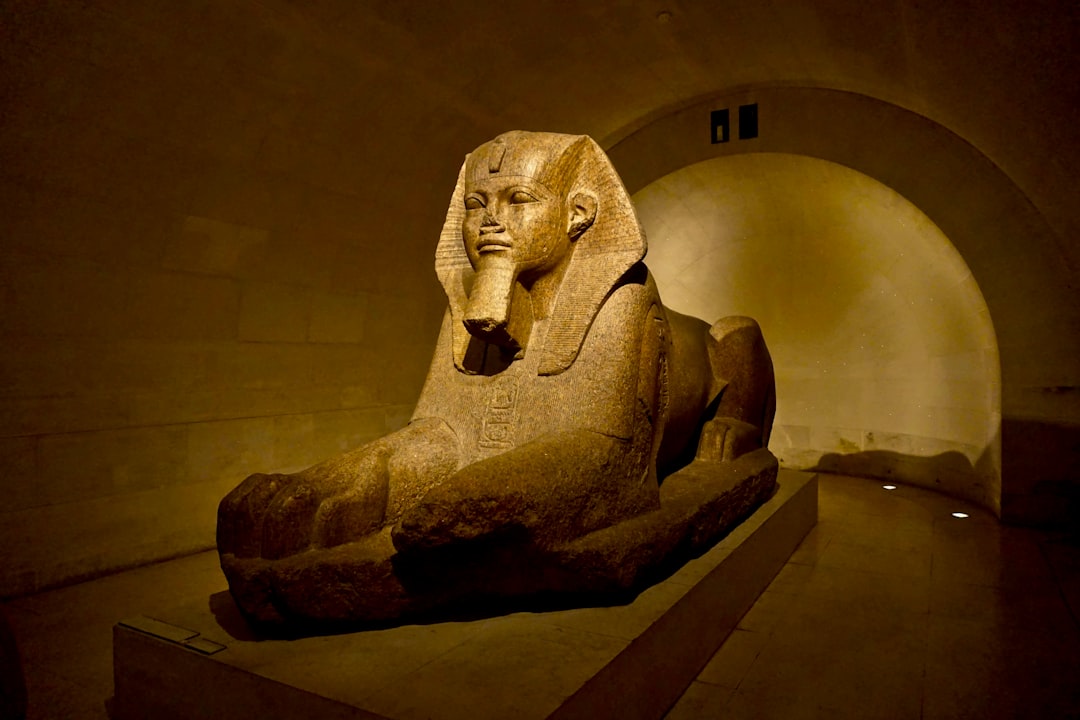
Throughout history, humanity has unearthed a plethora of ancient artifacts that continue to baffle scholars and enthusiasts alike. These enigmatic relics, often shrouded in mystery, provide tantalizing glimpses into the lives and cultures of civilizations long past. From intricately carved stone tools to ornate pottery, each artifact tells a story, yet many remain elusive in their meanings and purposes.
The allure of these objects lies not only in their physical beauty but also in the questions they raise about the capabilities and beliefs of ancient peoples. The fascination with ancient artifacts is not merely an academic pursuit; it resonates with the human desire to connect with the past. As archaeologists and historians delve into the remnants of bygone eras, they uncover not just objects but also the narratives that shaped human existence.
The study of these artifacts opens a window into the complexities of ancient societies, revealing their technological advancements, artistic expressions, and spiritual beliefs. However, the enigmatic nature of many artifacts often leads to more questions than answers, igniting debates and inspiring further exploration.
Key Takeaways
- Enigmatic ancient artifacts continue to puzzle historians and archaeologists with their mysterious origins and unexplained functionality.
- The unusual symbols and inscriptions on ancient artifacts have sparked theories and speculations about their purpose and meaning.
- Advanced technological achievements of ancient civilizations are evident in the enigmatic artifacts that have been discovered.
- Controversies and debates among historians surround the connections between enigmatic artifacts and ancient cultures, leading to differing interpretations of history.
- Modern discoveries and interpretations of ancient artifacts have shed new light on our understanding of history and the achievements of ancient civilizations.
Unexplained Functionality of Ancient Artifacts
Many ancient artifacts possess functionalities that remain unexplained, leaving researchers to ponder their true purposes. For instance, the Antikythera mechanism, an ancient Greek device discovered in a shipwreck, is often regarded as the world’s first analog computer. Its intricate gears and dials suggest a sophisticated understanding of astronomy and mathematics, yet its exact use remains a topic of speculation.
Such artifacts challenge the notion of linear technological progression, suggesting that ancient civilizations may have possessed knowledge that has since been lost. Similarly, the purpose of stone structures like Stonehenge continues to elude definitive explanation. While some theories propose that it served as an astronomical observatory or a religious site, no consensus has been reached.
The ambiguity surrounding these artifacts invites a deeper investigation into the cultural contexts in which they were created. As researchers strive to decode their functionalities, they often find themselves grappling with the limitations of modern understanding when faced with the ingenuity of ancient minds.
Mysterious Origins of Enigmatic Artifacts

The origins of many ancient artifacts are steeped in mystery, often leading to more questions than answers.
For example, the Piri Reis map, a world map created in 1513 by an Ottoman admiral, features detailed depictions of coastlines that were not officially discovered until centuries later.
This raises intriguing questions about the sources of knowledge available to its creator and whether there were advanced navigational techniques lost to history. In other cases, artifacts are discovered far from their presumed places of origin, suggesting complex trade networks or cultural exchanges that defy conventional historical narratives. The presence of Egyptian-style artifacts in South America or the discovery of Roman coins in India hints at interactions between civilizations that were previously thought to be isolated.
These findings challenge historians to reconsider established timelines and geographical boundaries, opening up new avenues for research into the interconnectedness of ancient cultures.
Theories and Speculations Surrounding Ancient Artifacts
| Artifact | Theories and Speculations |
|---|---|
| Egyptian Pyramids | Alien construction, advanced ancient technology |
| Stonehenge | Astronomical observatory, religious site |
| Nazca Lines | Astronomical calendar, alien landing strips |
| Crystal Skulls | Alien artifacts, ancient healing tools |
Theories surrounding ancient artifacts often reflect the diverse perspectives of scholars and enthusiasts alike. Some propose that certain artifacts may have extraterrestrial origins, suggesting that advanced beings influenced human development. This notion, while controversial, captures the imagination and highlights humanity’s enduring fascination with the unknown.
Such theories often arise from the inexplicable nature of certain artifacts, leading to speculation about their origins and purposes. Conversely, more grounded theories focus on the cultural and technological contexts of ancient civilizations. Researchers examine the materials used in artifact construction, the techniques employed by artisans, and the societal needs that may have driven innovation.
By situating artifacts within their historical frameworks, scholars can develop more plausible explanations for their existence. However, even these theories can spark debates among historians, as new discoveries frequently challenge established narratives and prompt reevaluation of previous conclusions.
Controversies and Debates Among Historians
The study of enigmatic ancient artifacts is rife with controversies and debates among historians and archaeologists. Disagreements often arise over interpretations of evidence, leading to divergent views on the significance of certain findings. For instance, the dating of artifacts can be contentious; differing methodologies can yield conflicting results, complicating efforts to construct a coherent timeline of human history.
Such disputes underscore the complexities inherent in archaeological research and highlight the need for rigorous methodologies. Moreover, the implications of certain discoveries can provoke heated discussions regarding cultural heritage and ownership. Artifacts removed from their original contexts raise ethical questions about preservation and repatriation.
The debate over who has the right to claim ownership of ancient relics—whether it be nations, indigenous groups, or private collectors—adds another layer of complexity to the study of these artifacts. As historians navigate these controversies, they must balance respect for cultural heritage with the pursuit of knowledge.
Unusual Symbols and Inscriptions on Ancient Artifacts

Many ancient artifacts feature unusual symbols and inscriptions that offer tantalizing clues about their creators’ beliefs and practices. These markings can range from simple geometric patterns to complex scripts that remain undeciphered. For example, the Voynich Manuscript is an illustrated codex filled with mysterious symbols that have puzzled linguists and cryptographers for centuries.
Its origins and meanings remain elusive, prompting speculation about its purpose as either a scientific treatise or an elaborate hoax. Inscriptions on artifacts can also provide insights into social hierarchies and religious practices within ancient cultures. The Rosetta Stone, inscribed with texts in three scripts—Greek, Demotic, and hieroglyphic—was crucial in deciphering Egyptian hieroglyphs and unlocking the history of ancient Egypt.
Such inscriptions serve as vital links between past and present, allowing modern scholars to glean information about long-lost languages and cultural practices. However, many symbols remain enigmatic, inviting ongoing research into their meanings and significance.
Advanced Technological Achievements of Ancient Civilizations
The technological achievements of ancient civilizations often astonish modern observers, revealing a level of sophistication that challenges preconceived notions about human development. The construction of monumental structures like the Great Pyramid of Giza showcases advanced engineering techniques that continue to inspire awe today. The precision with which these structures were built suggests a deep understanding of mathematics and physics that was far ahead of its time.
Additionally, ancient civilizations demonstrated remarkable ingenuity in various fields such as metallurgy, agriculture, and medicine. The use of advanced irrigation systems by Mesopotamian societies allowed for agricultural surplus, fostering urbanization and complex social structures. Similarly, ancient medical texts from cultures like Egypt and Greece reveal sophisticated understandings of anatomy and healing practices that laid the groundwork for modern medicine.
These achievements highlight the capabilities of ancient peoples and challenge simplistic narratives about technological progress.
Connections Between Enigmatic Artifacts and Ancient Cultures
The connections between enigmatic artifacts and their respective cultures are often intricate and multifaceted. Each artifact serves as a reflection of the values, beliefs, and practices of the society that created it.
The presence of specific motifs or materials can indicate trade relationships or cultural exchanges between different groups. Moreover, studying these connections allows historians to reconstruct aspects of daily life in ancient societies. Artifacts such as pottery fragments or tools can reveal information about dietary practices, social organization, and technological advancements.
By examining how these objects were used within their cultural contexts, researchers can gain a deeper understanding of the complexities that defined ancient civilizations.
Preservation and Study of Enigmatic Ancient Artifacts
The preservation and study of enigmatic ancient artifacts are critical for ensuring that future generations can learn from these invaluable remnants of history. Archaeological sites are often vulnerable to environmental factors, looting, and urban development, making preservation efforts essential for safeguarding cultural heritage. Institutions dedicated to conservation employ various techniques to protect artifacts from deterioration while allowing for ongoing research.
In addition to physical preservation, digital technologies have revolutionized the study of ancient artifacts. 3D scanning and imaging techniques enable researchers to create detailed digital models that can be analyzed without risking damage to fragile objects. This innovative approach not only facilitates collaboration among scholars but also makes artifacts accessible to a broader audience through virtual exhibitions and online databases.
Modern Discoveries and Interpretations of Ancient Artifacts
Modern discoveries continue to reshape our understanding of ancient artifacts and their significance within historical narratives. Recent archaeological excavations have unearthed previously unknown sites that challenge established timelines and cultural connections. For example, discoveries in places like Göbekli Tepe in Turkey have pushed back the timeline for complex societal structures by thousands of years, prompting scholars to reevaluate assumptions about human development.
Furthermore, advancements in scientific techniques such as radiocarbon dating and DNA analysis have provided new insights into artifact origins and cultural interactions. These modern methodologies allow researchers to trace trade routes or migration patterns with greater accuracy than ever before. As new discoveries emerge, they often lead to reinterpretations of existing knowledge, highlighting the dynamic nature of historical inquiry.
The Impact of Enigmatic Ancient Artifacts on Our Understanding of History
Enigmatic ancient artifacts profoundly impact our understanding of history by challenging established narratives and inspiring curiosity about human civilization’s complexities. Each artifact serves as a tangible link to the past, offering insights into the lives and beliefs of those who came before us. As researchers continue to explore these relics, they uncover stories that enrich our understanding of cultural heritage and human achievement.
Moreover, these artifacts remind contemporary society of its shared history and interconnectedness across time and space. They serve as a testament to human creativity and resilience while prompting reflection on how past societies navigated challenges similar to those faced today. Ultimately, enigmatic ancient artifacts not only illuminate history but also inspire future generations to seek knowledge and understanding in an ever-evolving world.
Ancient artifacts often leave historians puzzled, as they challenge our understanding of past civilizations and their cultures. One intriguing article that delves into this topic is found at this link, where various artifacts are discussed that have baffled experts and sparked debates about their origins and purposes. These mysterious objects not only highlight the complexities of archaeological interpretation but also invite us to reconsider what we know about human history.
WATCH THIS! Why 99% of History Is Wrong (The Ooparts That Prove It)
FAQs
What are some examples of ancient artifacts that confuse historians?
Some examples of ancient artifacts that confuse historians include the Antikythera Mechanism, the Voynich Manuscript, the Baghdad Battery, and the Nazca Lines.
Why do these ancient artifacts confuse historians?
These artifacts confuse historians because they often exhibit advanced technological or artistic capabilities that seem out of place for their time period, leading to questions about how they were created and what their purpose was.
What are some theories about the origins of these ancient artifacts?
There are various theories about the origins of these ancient artifacts, ranging from the idea that they were created by advanced ancient civilizations or extraterrestrial beings, to the possibility that they are simply misunderstood or misinterpreted by modern historians.
How do historians and archaeologists study and interpret these ancient artifacts?
Historians and archaeologists study and interpret these ancient artifacts through a combination of scientific analysis, historical research, and comparative study with other known artifacts from the same time period or region.
What impact do these ancient artifacts have on our understanding of history?
These ancient artifacts challenge our understanding of history by forcing us to reconsider the capabilities and knowledge of ancient civilizations, as well as the possibility of cultural exchange and technological innovation in the ancient world.