
Infrastructure safety is a critical aspect of modern society that often goes unnoticed until a disaster strikes. The integrity of roads, bridges, water systems, and public buildings is essential for the smooth functioning of daily life. When infrastructure fails, the consequences can be dire, leading to loss of life, economic downturns, and long-lasting damage to communities.
Therefore, understanding the importance of infrastructure safety is paramount for governments, organizations, and citizens alike. It serves as the backbone of societal stability and economic growth, ensuring that essential services are delivered efficiently and effectively. Moreover, infrastructure safety is not merely about preventing catastrophic failures; it also encompasses the proactive measures taken to enhance resilience against potential threats.
This includes natural disasters such as earthquakes, floods, and hurricanes, as well as human-made risks like terrorism and vandalism. By prioritizing safety in infrastructure development and maintenance, communities can foster a sense of security among their residents. This sense of security encourages investment and growth, ultimately contributing to a higher quality of life.
Thus, recognizing the significance of infrastructure safety is the first step toward building a robust and resilient society.
Key Takeaways
- Infrastructure safety is critical to prevent hazards and ensure public well-being.
- Regular inspections, maintenance, and advanced monitoring technologies are essential for early risk detection.
- Skilled personnel training and certification enhance effective safety management and emergency response.
- Collaboration with regulatory agencies and community engagement strengthen safety protocols and compliance.
- Continuous risk assessment, sustainable design, and adaptive improvements promote long-term infrastructure resilience.
Identifying Potential Hazards and Risks
Identifying potential hazards and risks is a fundamental component of ensuring infrastructure safety. Various factors can compromise the integrity of infrastructure, ranging from environmental conditions to human activities. For instance, aging structures may be more susceptible to failure due to wear and tear over time.
Additionally, extreme weather events can exacerbate existing vulnerabilities, leading to catastrophic outcomes if not addressed promptly. Therefore, a comprehensive risk assessment is essential to pinpoint these hazards and develop strategies to mitigate them. Furthermore, the identification process should involve a thorough analysis of both natural and anthropogenic risks.
Natural hazards include earthquakes, landslides, floods, and severe storms, while human-induced risks may involve accidents, sabotage, or inadequate maintenance practices. By employing a multi-faceted approach to risk identification, stakeholders can gain a clearer understanding of the vulnerabilities present within their infrastructure systems. This knowledge enables them to prioritize resources effectively and implement targeted interventions that enhance overall safety.
Implementing Regular Inspections and Maintenance
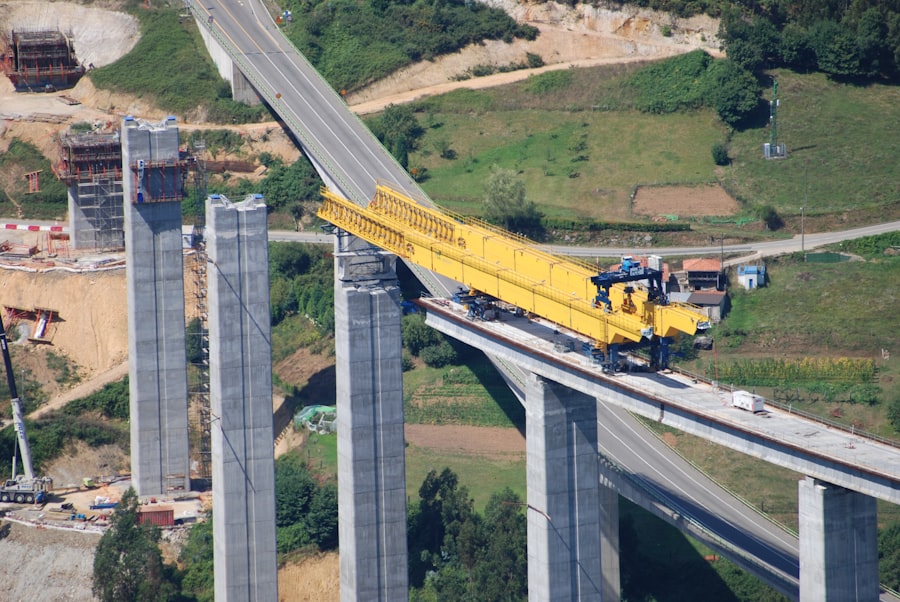
Regular inspections and maintenance are vital for preserving the safety and functionality of infrastructure. These practices help identify issues before they escalate into significant problems that could jeopardize public safety. Routine inspections allow for the early detection of structural weaknesses, corrosion, or other forms of deterioration that may not be immediately visible.
By addressing these concerns proactively, organizations can extend the lifespan of their infrastructure and reduce the likelihood of catastrophic failures. In addition to routine inspections, establishing a comprehensive maintenance schedule is crucial for ensuring that infrastructure remains in optimal condition. This schedule should be based on the specific needs of each structure and take into account factors such as usage patterns, environmental conditions, and historical performance data.
By adhering to a well-defined maintenance plan, organizations can minimize disruptions to services while maximizing safety. Ultimately, regular inspections and maintenance serve as the foundation for a resilient infrastructure system that can withstand both expected wear and unforeseen challenges.
Utilizing Advanced Technology for Monitoring and Assessment
The advent of advanced technology has revolutionized the way infrastructure safety is monitored and assessed. Innovative tools such as drones, sensors, and artificial intelligence have made it possible to gather real-time data on the condition of structures with unprecedented accuracy. For instance, drones equipped with high-resolution cameras can conduct aerial inspections of bridges and buildings, identifying potential issues that may be difficult to detect from the ground.
This technology not only enhances the efficiency of inspections but also reduces the risks associated with manual assessments. Moreover, data analytics plays a crucial role in interpreting the information collected through these advanced technologies. By leveraging machine learning algorithms, organizations can analyze vast amounts of data to identify patterns and predict potential failures before they occur.
This proactive approach allows for timely interventions that can prevent accidents and save lives. As technology continues to evolve, its integration into infrastructure safety practices will become increasingly essential for maintaining public trust and ensuring the longevity of critical systems.
Training and Certifying Skilled Personnel
| Metric | Description | Typical Value / Range | Unit | Relevance to Infrastructure Safety Expertise |
|---|---|---|---|---|
| Structural Integrity Assessment Score | Quantitative evaluation of a structure’s ability to withstand loads without failure | 0 – 100 (higher is better) | Score | Measures the safety margin and durability of infrastructure components |
| Failure Rate | Frequency of infrastructure component failures over time | 0.01 – 0.1 | Failures per year | Indicates reliability and risk level of infrastructure systems |
| Inspection Frequency | Number of safety inspections conducted per year | 1 – 12 | Inspections/year | Ensures ongoing monitoring and early detection of safety issues |
| Compliance Rate | Percentage of infrastructure meeting safety regulations and standards | 90% – 100% | Percent | Reflects adherence to legal and safety requirements |
| Risk Assessment Score | Evaluation of potential hazards and their impact on infrastructure safety | 1 – 10 (lower is better) | Score | Helps prioritize safety interventions and resource allocation |
| Response Time to Safety Incidents | Average time taken to respond to safety-related incidents | 5 – 60 | Minutes | Critical for minimizing damage and ensuring rapid mitigation |
| Training Hours per Safety Expert | Annual hours of specialized training received by safety personnel | 20 – 100 | Hours/year | Ensures expertise is up-to-date with latest safety practices and technologies |
The effectiveness of any infrastructure safety program hinges on the expertise of its personnel. Training and certifying skilled workers is essential for ensuring that inspections, maintenance, and emergency response efforts are conducted competently. A well-trained workforce is better equipped to identify potential hazards, implement safety protocols, and respond effectively in crisis situations.
Therefore, investing in training programs that focus on both technical skills and safety awareness is crucial for fostering a culture of safety within organizations. Certification programs also play a significant role in establishing industry standards for infrastructure safety professionals. By requiring individuals to demonstrate their knowledge and skills through rigorous assessments, organizations can ensure that their personnel meet established benchmarks for competency.
This not only enhances the overall quality of work but also instills confidence among stakeholders regarding the safety measures being implemented. Ultimately, a commitment to training and certification is an investment in the future resilience of infrastructure systems.
Developing Emergency Response Plans
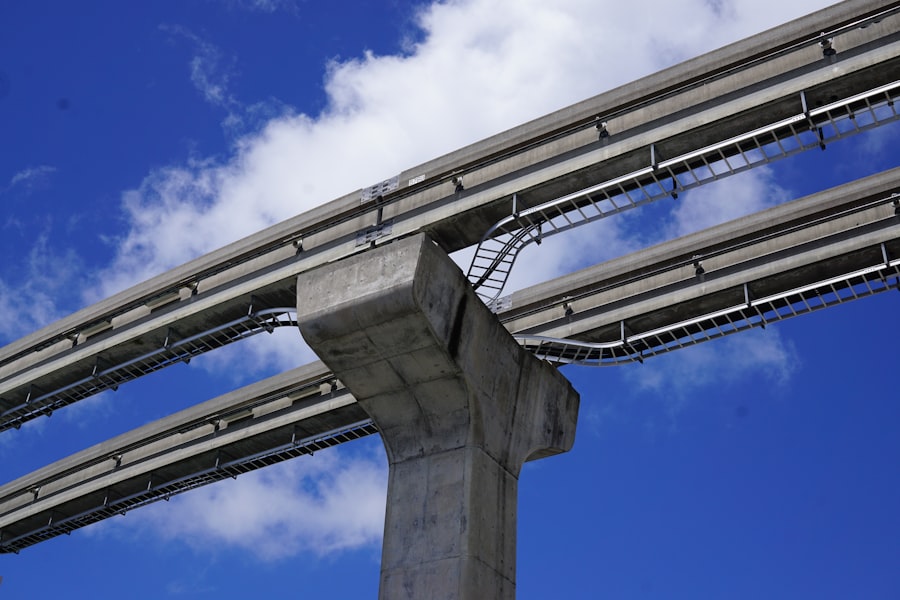
Developing comprehensive emergency response plans is a critical aspect of infrastructure safety management. These plans outline the procedures that must be followed in the event of an emergency, ensuring that all stakeholders are prepared to act swiftly and effectively. A well-structured emergency response plan includes clear communication protocols, designated roles for personnel, and established procedures for evacuating affected areas or providing assistance to those in need.
Moreover, regular drills and simulations are essential for testing the effectiveness of these plans. By conducting practice scenarios that mimic potential emergencies, organizations can identify weaknesses in their response strategies and make necessary adjustments. Engaging with local emergency services during these drills fosters collaboration and ensures that all parties are familiar with their roles in a crisis situation.
Ultimately, a robust emergency response plan not only enhances public safety but also builds community resilience in the face of unforeseen challenges.
Collaborating with Regulatory Agencies
Collaboration with regulatory agencies is vital for maintaining infrastructure safety standards. These agencies establish guidelines and regulations that govern construction practices, maintenance protocols, and safety measures across various sectors. By working closely with regulatory bodies, organizations can ensure compliance with established standards while also benefiting from expert guidance on best practices.
Furthermore, collaboration fosters information sharing among stakeholders, enabling them to stay informed about emerging trends and technologies in infrastructure safety. Regulatory agencies often conduct research and gather data on industry performance, which can be invaluable for organizations seeking to enhance their safety protocols. By actively engaging with these agencies, organizations can contribute to the development of more effective regulations while also advocating for policies that prioritize public safety.
Conducting Risk Assessments and Mitigation Strategies
Conducting thorough risk assessments is essential for identifying vulnerabilities within infrastructure systems and developing effective mitigation strategies. These assessments involve evaluating potential hazards, analyzing their likelihood of occurrence, and determining their potential impact on public safety. By systematically assessing risks, organizations can prioritize their resources toward addressing the most pressing concerns.
Once risks have been identified, developing mitigation strategies becomes paramount. These strategies may include reinforcing structures against natural disasters, implementing redundancy measures to ensure service continuity during emergencies, or investing in advanced monitoring technologies to detect issues early on. By taking a proactive approach to risk management, organizations can significantly reduce the likelihood of catastrophic failures while enhancing overall community resilience.
Incorporating Sustainable and Resilient Design Principles
Incorporating sustainable and resilient design principles into infrastructure projects is increasingly recognized as essential for long-term safety and functionality. Sustainable design focuses on minimizing environmental impact while maximizing resource efficiency throughout a structure’s lifecycle. This approach not only benefits the environment but also enhances the durability of infrastructure by utilizing materials and techniques that withstand changing conditions.
Resilient design principles further emphasize the importance of adaptability in the face of unforeseen challenges such as climate change or population growth. By designing infrastructure with flexibility in mind—such as incorporating flood-resistant features or using materials that can withstand extreme weather—organizations can ensure that their systems remain functional even under adverse conditions. Ultimately, embracing sustainable and resilient design principles contributes to safer communities while promoting environmental stewardship.
Engaging with Stakeholders and the Community
Engaging with stakeholders and the community is crucial for fostering a culture of safety around infrastructure projects. Stakeholders—including government officials, local businesses, residents, and advocacy groups—play an integral role in shaping infrastructure policies and practices. By involving these groups in decision-making processes, organizations can gain valuable insights into community needs while also building trust among residents.
Community engagement initiatives may include public forums, surveys, or collaborative workshops aimed at gathering feedback on proposed projects or safety measures. By actively listening to community concerns and incorporating their input into planning processes, organizations can create more effective solutions that address local priorities. Furthermore, fostering open communication channels helps raise awareness about infrastructure safety issues while encouraging collective responsibility among residents.
Continuously Improving and Adapting Safety Protocols
The landscape of infrastructure safety is constantly evolving due to advancements in technology, changes in regulations, and emerging threats. Therefore, continuously improving and adapting safety protocols is essential for maintaining effective risk management practices. Organizations must regularly review their policies and procedures to ensure they align with current best practices while also addressing new challenges as they arise.
This commitment to continuous improvement involves soliciting feedback from personnel involved in inspections and maintenance activities as well as engaging with external experts who can provide fresh perspectives on safety protocols.
Ultimately, this ongoing commitment ensures that communities remain resilient in the face of evolving risks while safeguarding public well-being for generations to come.
Infrastructure safety expertise is crucial for ensuring the longevity and reliability of public structures. A related article that delves into the importance of maintaining and assessing infrastructure can be found at Real Lore and Order. This resource provides valuable insights into the best practices for infrastructure safety and the role of expert evaluations in preventing potential hazards.
FAQs
What is infrastructure safety expertise?
Infrastructure safety expertise refers to the specialized knowledge and skills involved in assessing, designing, maintaining, and managing infrastructure systems to ensure they are safe, reliable, and resilient against hazards.
Why is infrastructure safety expertise important?
It is important because infrastructure such as bridges, roads, buildings, and utilities must operate safely to protect public health, prevent accidents, and minimize economic losses caused by failures or disasters.
What types of infrastructure are covered under infrastructure safety expertise?
This expertise covers a wide range of infrastructure including transportation systems (roads, bridges, railways), utilities (water, electricity, gas), communication networks, and public facilities like hospitals and schools.
Who typically provides infrastructure safety expertise?
Professionals such as civil engineers, structural engineers, safety inspectors, risk analysts, and urban planners typically provide infrastructure safety expertise.
What methods are used in infrastructure safety assessments?
Common methods include structural analysis, risk assessment, hazard identification, safety audits, inspections, and the use of monitoring technologies to detect potential issues.
How does infrastructure safety expertise contribute to disaster resilience?
By identifying vulnerabilities and implementing safety measures, infrastructure safety experts help ensure that infrastructure can withstand natural disasters like earthquakes, floods, and storms, reducing damage and facilitating quicker recovery.
What regulations and standards guide infrastructure safety?
Infrastructure safety is guided by national and international standards, building codes, safety regulations, and industry best practices designed to ensure minimum safety requirements are met.
Can infrastructure safety expertise help in aging infrastructure management?
Yes, experts assess the condition of aging infrastructure, recommend maintenance or upgrades, and develop strategies to extend service life while maintaining safety.
How is technology used in infrastructure safety expertise?
Technologies such as sensors, drones, geographic information systems (GIS), and computer modeling are used to monitor infrastructure conditions, predict failures, and improve safety planning.
What are the challenges faced in infrastructure safety expertise?
Challenges include dealing with complex and aging infrastructure, limited funding, evolving safety standards, climate change impacts, and integrating new technologies effectively.