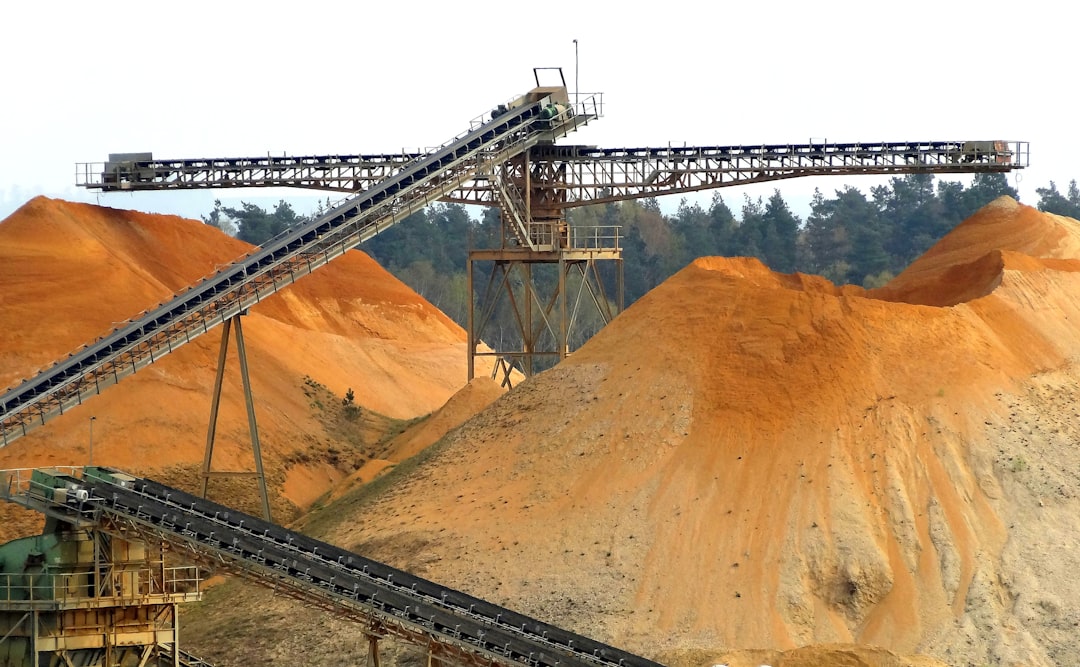
Sand, an ubiquitous and often overlooked resource, forms the bedrock of modern civilization. From the concrete that molds our cities to the glass that facilitates our views, its utility is undeniable. However, the extraction of this fundamental material, particularly through sand mining, carries a significant environmental burden. Despite a growing awareness of these impacts, a pervasive issue exists: the bypassing of sand mining regulations. This phenomenon, which undermines conservation efforts and exacerbates ecological damage, warrants a detailed examination.
The Indispensable Role of Sand and its Extraction Learn about the environmental impacts of sand mining in this informative video.
Sand, defined as granular material composed of finely divided rock and mineral particles, is a critical component in numerous industries. Its granular nature and chemical composition make it ideal for construction, glass manufacturing, electronics, and even as a filtering agent. The global demand for sand has skyrocketed in recent decades, driven by rapid urbanization and infrastructure development, especially in emerging economies.
Global Demand and Resource Scarcity
The sheer scale of sand consumption is staggering. Estimates suggest that the world consumes 40 to 50 billion tons of sand and gravel annually, making it the most extracted solid material globally after water. This insatiable demand has pushed extraction operations into increasingly sensitive ecosystems, often where regulatory oversight is weakest.
Traditional and Industrial Mining Methods
Sand mining occurs through various methods, each with its own set of environmental repercussions. Traditional methods, often small-scale and manual, involve shoveling sand from riverbeds or beaches. While seemingly benign individually, the cumulative impact of numerous such operations can be significant. Industrial methods, conversely, employ heavy machinery, dredgers, and sophisticated hydraulic systems to extract vast quantities of sand. These operations, often commercially driven, pose a more immediate and widespread threat to ecosystems.
Regulatory Frameworks: A Patchwork of Policies
In recognition of the environmental risks associated with sand mining, numerous national and international bodies have implemented regulatory frameworks. These regulations typically aim to control where, when, and how sand can be extracted, often incorporating provisions for environmental impact assessments (EIAs), permitting processes, and rehabilitation requirements.
National Legislation and Local Ordinances
Most nations have enacted specific legislation to govern mining activities, including sand extraction. These laws often delegate authority to local or regional governments, leading to a fragmented regulatory landscape. For instance, a national mining act might set broad guidelines, but individual municipalities or states may have detailed ordinances dictating specific operational parameters, such as allowed extraction depths or seasonal restrictions.
International Agreements and Guidelines
Beyond national borders, international agreements and guidelines also seek to address the transboundary impacts of sand mining. Organizations like the United Nations Environment Programme (UNEP) have highlighted the global nature of the issue and advocated for sustainable sand management practices. These international efforts often provide best practice guidelines and encourage cooperation among nations to tackle illicit trade and unsustainable practices.
The Mechanisms of Regulatory Bypass
Despite the existence of these frameworks, the reality on the ground often paints a different picture. Regulatory bypass, in its various forms, allows sand mining operations to proceed with minimal oversight, often leading to severe environmental degradation.
Illicit Mining and Black Markets
Perhaps the most direct form of bypass is outright illicit mining. This involves operations that proceed without any permits, often in protected areas or without adherence to any environmental standards. The extracted sand is then channeled into black markets, where it fetches lower prices due to the absence of regulatory compliance costs. These operations are difficult to track and police, often relying on intimidation and corruption to maintain their illicit activities. The profits generated from these operations can be substantial, making them attractive to organized criminal networks.
Weak Enforcement and Corruption
Even where regulations exist and permits are nominally required, weak enforcement mechanisms can render them toothless. Resource constraints, lack of political will, and susceptibility to corruption can allow operators to flout regulations with impunity. Inspectors may be understaffed, undertrained, or compromised, leading to perfunctory inspections or deliberate overlooking of violations. This “wink and a nod” approach effectively nullifies the purpose of the regulations.
Permitting Loopholes and Misclassification
Another insidious form of bypass involves exploiting loopholes within the permitting system itself. This can include misclassifying the type of material being extracted to avoid more stringent regulations, or submitting incomplete or misleading environmental impact assessments. Some operators might apply for permits for small-scale operations but then expand their activities significantly beyond the approved scope, leveraging the initial permit as a Trojan horse for larger, unregulated extraction.
Political Interference and Special Interests
The influence of political power and special interests can also directly contribute to regulatory bypass. Powerful individuals or corporations with close ties to government officials may exert pressure to obtain permits easily, circumvent restrictions, or avoid penalties for violations. This intertwining of economic interests and political leverage creates an environment where environmental protection takes a backseat to profit.
Ecological Ramifications of Unregulated Sand Mining
The consequences of bypassed sand mining regulations are far-reaching, transforming delicate ecosystems and impacting human communities. These ecological tolls are not merely abstract; they represent tangible losses of biodiversity, livelihoods, and natural resilience.
Habitat Destruction and Biodiversity Loss
Sand mining, especially in riverine and coastal environments, directly destroys critical habitats. Riverbeds, which are vital spawning grounds for fish and home to diverse invertebrate communities, are scoured clean. Coastal dunes, natural barriers against erosion, are dismantled. This habitat destruction leads to a cascade of biodiversity loss, as species are displaced, lose their food sources, or become vulnerable to predation. For instance, the excavation of riverine sand can lead to the collapse of fish populations, disrupting entire aquatic food webs.
Riverbank and Coastal Erosion
The removal of sand from rivers and coastlines fundamentally alters their geomorphology. Rivers, deprived of their natural sediment load, deepen their beds and accelerate their flow, leading to increased erosion of riverbanks. This erosion can undermine infrastructure, damage agricultural land, and destabilize surrounding areas. Similarly, the extraction of beach sand removes natural protective barriers, making coastal areas more susceptible to storm surges, saltwater intrusion into freshwater aquifers, and long-term land loss. Coastal communities, already grappling with rising sea levels, face a double assault.
Water Quality Degradation and Sedimentation
Unregulated sand mining significantly degrades water quality. The stirring of riverbeds and coastal sediments releases fine particles, increasing water turbidity. This cloudy water reduces light penetration, harming aquatic vegetation and making it difficult for filter-feeding organisms to thrive. Furthermore, the resuspended sediments can carry pollutants tied to the riverbed, contaminating water sources used for drinking and irrigation. The altered flow patterns and increased sedimentation can also clog irrigation systems and impact the functionality of dams and reservoirs.
Impact on Local Communities and Livelihoods
Beyond the direct ecological impacts, unregulated sand mining has severe socio-economic consequences for local communities. Many communities, particularly indigenous groups, depend on healthy riverine and coastal ecosystems for their livelihoods – fishing, agriculture, and tourism. The erosion of land, loss of fish stocks, and contamination of water directly threaten these traditional economies. Moreover, the presence of unregulated mining operations can lead to social unrest, land disputes, and an increase in crime rates, exacerbating existing vulnerabilities.
Towards Sustainable Sand Governance
Addressing the pervasive issue of regulatory bypass requires a multi-pronged approach that tackles both the symptoms and the root causes. A shift towards sustainable sand governance is imperative to protect ecosystems and future generations.
Strengthening Enforcement and Surveillance
Robust enforcement is the cornerstone of effective regulation. This involves increasing the number and training of environmental inspectors, providing them with adequate resources, and implementing transparent monitoring systems. The use of satellite imagery, drones, and remote sensing technologies can significantly enhance surveillance capabilities, allowing authorities to detect illicit mining activities even in remote areas. Furthermore, establishing clear penalties for violations and ensuring their consistent application is crucial to deterring illegal practices.
Promoting Transparency and Accountability
Transparency in the permitting process and accountability for all stakeholders are vital. This includes making environmental impact assessments publicly accessible, establishing independent review panels for mining applications, and implementing whistleblower protection mechanisms. Public participation in decision-making processes, including consultations with local communities, can also foster greater trust and ensure that local concerns are adequately addressed.
Exploring Alternative Materials and Technologies
Reducing the overall demand for virgin sand is a critical long-term strategy. This involves actively researching and promoting the use of alternative materials in construction, such as recycled concrete, manufactured sand (crushed rock), and wood-based composites. Investing in technologies that improve the efficiency of sand use in various industries can also significantly reduce extraction pressures. Embracing circular economy principles, where materials are reused and recycled to their fullest extent, offers a pathway to lessen our reliance on virgin sand.
International Cooperation and Capacity Building
Given the transboundary nature of sand mining impacts and illicit trade, international cooperation is essential. This includes sharing best practices, coordinating enforcement efforts across borders, and building the capacity of developing nations to manage their sand resources sustainably. International organizations can play a pivotal role in facilitating these collaborations, providing technical assistance, and raising global awareness about the scale and severity of the problem.
The bypassing of sand mining regulations is not merely an administrative oversight; it is a systemic failure with profound implications for the planet and its inhabitants. Like a silent, subterranean current, it erodes the very foundations of environmental protection, leaving a trail of ecological devastation in its wake. Addressing this challenge demands a concerted effort from governments, industry, communities, and international bodies to champion sustainable practices, reinforce governance, and uphold the integrity of our natural world. The choice is clear: either we allow this bypass to continue unimpeded, sacrificing vital ecosystems for immediate gain, or we collectively commit to a future where our indispensable resources are managed with wisdom and foresight.
WATCH THIS! 🏗️ SAND MINING MAFIA: The $70 Billion Crime Wave Destroying Rivers & Killing Journalists
FAQs
What is sand mining?
Sand mining is the process of extracting sand from beaches, riverbeds, seabeds, or other locations for use in construction, manufacturing, and other industries.
Why are environmental regulations important in sand mining?
Environmental regulations help minimize the negative impacts of sand mining on ecosystems, water quality, biodiversity, and local communities by controlling how and where sand extraction occurs.
What does it mean to bypass environmental regulations in sand mining?
Bypassing environmental regulations means conducting sand mining activities without following the required legal procedures, permits, or environmental safeguards, often leading to unregulated and potentially harmful extraction.
What are the common environmental impacts of unregulated sand mining?
Unregulated sand mining can cause riverbank erosion, habitat destruction, groundwater depletion, increased turbidity in water bodies, loss of biodiversity, and negative effects on local livelihoods.
How do authorities typically enforce sand mining regulations?
Authorities enforce regulations through permits, monitoring, inspections, fines, and legal actions against illegal mining operations to ensure compliance with environmental standards.
What challenges exist in preventing the bypass of sand mining regulations?
Challenges include lack of adequate monitoring resources, corruption, high demand for sand, insufficient legal frameworks, and difficulties in tracking illegal mining activities.
What are some measures to improve compliance with sand mining environmental regulations?
Measures include strengthening legal frameworks, increasing transparency, community involvement, using technology for monitoring, and imposing stricter penalties for violations.
Can sand mining be conducted sustainably?
Yes, sustainable sand mining involves following environmental guidelines, limiting extraction volumes, rehabilitating mined areas, and ensuring minimal impact on ecosystems and communities.
What role do local communities play in regulating sand mining?
Local communities can help monitor illegal activities, report violations, participate in decision-making, and promote sustainable practices to protect their environment and resources.
Where can I find more information about sand mining regulations?
Information can be found through government environmental agencies, international organizations like the United Nations Environment Programme (UNEP), academic research, and environmental NGOs focused on natural resource management.