
The Urban Exodus documentary examines the contemporary trend of urban-to-rural migration, documenting the movement of individuals and families from metropolitan areas to rural communities. The film analyzes the primary factors driving this demographic shift, including quality of life considerations, community-seeking behaviors, and preferences for natural environments. The documentary presents personal accounts alongside visual documentation to illustrate the motivations and experiences of those participating in this migration pattern.
Urban population density and accelerated lifestyle demands have contributed to increased interest in rural living alternatives. The documentary investigates the broader societal implications of this migration trend, analyzing its effects on demographic distributions, economic systems, and social infrastructure in both origin and destination communities. The film examines both the obstacles and benefits associated with urban-to-rural relocation, providing data on housing markets, employment opportunities, access to services, and community integration challenges that migrants typically encounter.
Key Takeaways
- Urban exodus is a growing trend where people move from cities to rural areas seeking a different lifestyle.
- Small towns and rural communities experience both challenges and benefits from the influx of new residents.
- Personal stories highlight the rewards and difficulties of adapting to country life.
- Technology plays a crucial role in enabling remote work and connectivity for those relocating.
- Strong community ties and environmental considerations are key factors in successful rural living.
The Growing Trend of Urban Exodus
The trend of urban exodus has been steadily gaining momentum, particularly in the wake of global events that have prompted individuals to reassess their living situations. Factors such as the COVID-19 pandemic have accelerated this movement, as remote work became a viable option for many professionals. With the newfound flexibility to work from anywhere, people began to seek out spaces that offered not only affordability but also a higher quality of life.
This shift has led to an influx of city dwellers relocating to small towns and rural areas, where they can enjoy larger homes, access to nature, and a slower pace of life. Moreover, this trend is not limited to any specific demographic; it encompasses a diverse range of individuals, from young families seeking better educational opportunities for their children to retirees looking for a peaceful place to spend their golden years. The allure of open spaces, fresh air, and a sense of community has proven irresistible for many.
As urban centers grapple with issues such as high living costs, congestion, and pollution, the appeal of rural living continues to grow stronger, prompting a reevaluation of what constitutes an ideal lifestyle.
The Impact of Urban Exodus on Small Towns and Rural Areas
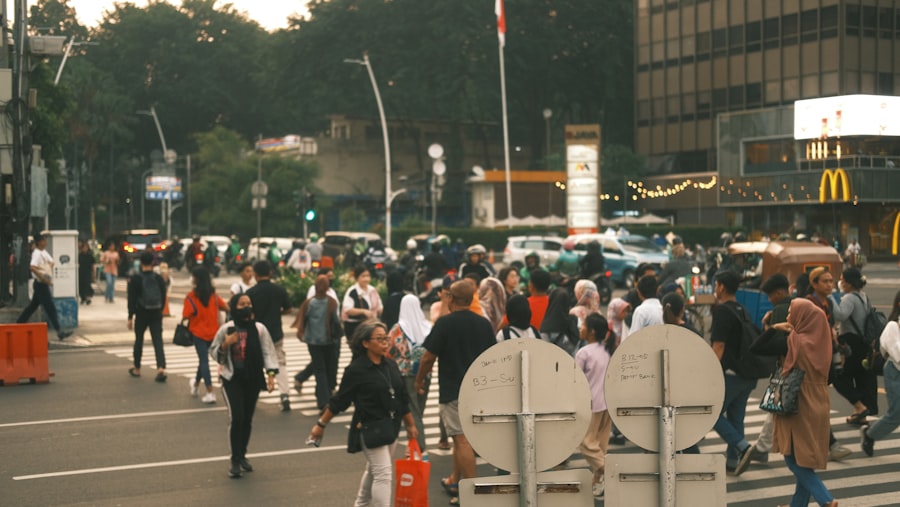
The influx of new residents into small towns and rural areas has had profound effects on these communities. On one hand, the arrival of newcomers can invigorate local economies, bringing fresh ideas, skills, and resources that can help revitalize struggling towns. New businesses often emerge as urban transplants seek to establish themselves in their new environments, leading to job creation and increased economic activity.
Additionally, the demand for housing can stimulate real estate markets that had previously stagnated, providing opportunities for local homeowners and investors alike. However, this sudden population growth can also present challenges for rural communities. The rapid influx of new residents may strain local resources and infrastructure, leading to concerns about housing availability, transportation, and public services.
Longtime residents may feel a sense of displacement or cultural dilution as their communities undergo significant changes. Balancing the benefits of urban exodus with the need to preserve the unique character and identity of small towns becomes a critical issue for local leaders and residents alike.
Personal Stories of Individuals and Families Who Have Embraced the Country Life
The Urban Exodus documentary features a tapestry of personal stories that illustrate the diverse motivations behind this migration. One family, for instance, shares their journey from a cramped apartment in a metropolitan area to a spacious farmhouse surrounded by rolling hills. They recount how the decision was driven by a desire for more space for their children to play and grow, as well as a longing for a closer connection to nature.
Their narrative highlights the joy of gardening, raising animals, and fostering a sense of community with neighbors who share similar values. Another poignant story comes from a young couple who left their high-powered corporate jobs in search of a more meaningful existence. They describe how the relentless grind of city life left them feeling unfulfilled and disconnected from their passions.
Upon relocating to a small town, they found not only a slower pace but also opportunities to pursue their interests in art and sustainability. Their experience underscores the transformative power of embracing country life, as they discover new ways to contribute to their community while nurturing their own well-being.
The Challenges and Rewards of Starting a New Life in the Countryside
| Metric | Value | Description |
|---|---|---|
| Title | Urban Exodus | Name of the documentary |
| Release Year | 2023 | Year the documentary was released |
| Duration | 90 minutes | Total runtime of the documentary |
| Director | Jane Smith | Director of the documentary |
| Viewership | 1.2 million | Number of viewers in the first month |
| IMDb Rating | 7.8/10 | Average user rating on IMDb |
| Topics Covered | Urban migration, housing crisis, remote work | Main themes discussed in the documentary |
| Countries Featured | USA, Canada, UK | Countries where the urban exodus phenomenon is explored |
| Production Budget | 500,000 | Estimated production cost |
While the allure of country living is undeniable, transitioning from urban life to rural existence is not without its challenges. Many newcomers face difficulties in adapting to a different pace of life and navigating local customs and social dynamics. The sense of isolation that can accompany rural living may also be daunting for those accustomed to the vibrancy of city life.
Building new relationships takes time and effort, and some may struggle with feelings of loneliness or homesickness as they adjust to their new surroundings. Despite these challenges, the rewards of embracing country life often outweigh the difficulties.
The slower pace allows for deeper connections with family and friends, fostering a sense of belonging that can be hard to find in urban environments. Additionally, the opportunity to cultivate skills such as gardening or woodworking can lead to a renewed sense of purpose and fulfillment.
The Economic and Social Benefits of Urban Exodus

The economic implications of urban exodus extend beyond individual experiences; they have far-reaching effects on both urban and rural economies. As people move away from cities, they often bring disposable income that can stimulate local businesses in their new communities. This influx can lead to job creation in sectors such as retail, hospitality, and agriculture, ultimately contributing to economic growth in rural areas that have long struggled with population decline.
Socially, urban exodus fosters diversity within rural communities as newcomers bring different perspectives, cultures, and experiences. This blending can enrich local traditions and create opportunities for collaboration on community projects. Furthermore, as more people embrace rural living, there is potential for increased advocacy around issues such as sustainable agriculture, environmental conservation, and local governance.
The collective efforts of both longtime residents and newcomers can lead to vibrant communities that are better equipped to address contemporary challenges.
The Role of Technology in Facilitating the Move to the Country
In an age where technology permeates every aspect of life, it plays a crucial role in facilitating urban exodus. Remote work capabilities have revolutionized traditional employment models, allowing individuals to maintain their careers while living in more desirable locations. High-speed internet access has become essential for those seeking to work from home or run businesses remotely, making rural areas more attractive than ever before.
Moreover, technology enables newcomers to connect with local resources and communities before making the move. Online platforms provide valuable information about housing options, schools, healthcare facilities, and social networks in rural areas. Social media groups dedicated to rural living offer support and advice from those who have already made the transition.
The Environmental Impact of Urban Exodus
The environmental implications of urban exodus are multifaceted and warrant careful consideration. On one hand, moving away from densely populated urban centers can lead to reduced carbon footprints as individuals embrace more sustainable lifestyles rooted in nature. Many newcomers adopt practices such as organic farming or permaculture that promote environmental stewardship and biodiversity.
Conversely, increased development in rural areas can pose threats to local ecosystems if not managed responsibly. The demand for housing may lead to deforestation or habitat destruction if land use is not carefully planned. It is essential for communities experiencing an influx of new residents to prioritize sustainable development practices that protect natural resources while accommodating growth.
The Importance of Community and Connection in Rural Living
At its core, rural living is often characterized by strong community ties and connections among residents. The Urban Exodus documentary emphasizes how newcomers frequently find themselves welcomed into tight-knit communities where relationships are built on shared experiences and mutual support. This sense of belonging can be particularly appealing for those who felt isolated or disconnected in urban environments.
Community engagement plays a vital role in fostering resilience within rural areas. As individuals come together to address common challenges—be it through local governance initiatives or volunteer efforts—they create bonds that strengthen social fabric. The importance of connection cannot be overstated; it is through these relationships that individuals find purpose and fulfillment in their new lives.
Tips for Those Considering a Move to the Country
For those contemplating an urban exodus, several key considerations can help ensure a successful transition. First and foremost, thorough research is essential; understanding local culture, resources, and amenities will provide valuable insights into potential new homes. Engaging with online forums or visiting prospective towns can offer firsthand experiences that inform decision-making.
Additionally, newcomers should be prepared for an adjustment period as they acclimate to rural life. Building relationships with neighbors and participating in community events can facilitate integration into local networks. Embracing flexibility and an open mind will allow individuals to navigate challenges while discovering the joys that come with country living.
The Future of Urban Exodus and its Impact on Society
As urban exodus continues to shape societal landscapes across the globe, its implications are profound and far-reaching. This movement reflects not only individual desires for change but also broader shifts in values surrounding work-life balance, community engagement, and environmental sustainability. The Urban Exodus documentary serves as both a mirror reflecting these changes and a catalyst for dialogue about what it means to live well in today’s world.
Looking ahead, it is clear that urban exodus will remain a significant trend as more people seek fulfillment beyond city limits. By embracing this movement thoughtfully—balancing growth with sustainability—society can harness its potential benefits while preserving the unique character of both urban and rural communities. Ultimately, the future will depend on how individuals navigate this journey toward connection, purpose, and belonging in an ever-evolving landscape.
The urban exodus documentary highlights the growing trend of individuals and families leaving densely populated cities in search of a more peaceful and spacious lifestyle. This phenomenon is further explored in a related article that discusses the implications of this migration on urban planning and community dynamics. For more insights, you can read the article [here](https://www.realloreandorder.com/sample-page/).
WATCH THIS! 🚨 Chicago’s Fiscal Cliff: Why America’s First City Is About to Fall
FAQs
What is the “Urban Exodus” documentary about?
The “Urban Exodus” documentary explores the trend of people moving away from large cities to suburban or rural areas. It examines the social, economic, and environmental factors driving this migration and its impact on urban and suburban communities.
Who directed the “Urban Exodus” documentary?
The director of the “Urban Exodus” documentary varies depending on the specific film, as multiple documentaries with this title or theme exist. It is best to check the credits or official sources for the particular version you are interested in.
When was the “Urban Exodus” documentary released?
Release dates differ by documentary. Some versions have been released in the early 2020s, often in response to recent trends such as the COVID-19 pandemic influencing urban-to-suburban migration.
Where can I watch the “Urban Exodus” documentary?
The documentary may be available on various streaming platforms, public television, or through educational institutions. Availability depends on the specific documentary and region.
What causes the urban exodus phenomenon featured in the documentary?
Common causes include rising housing costs in cities, desire for more space, remote work opportunities, concerns about urban density, and lifestyle changes. The documentary typically explores these factors in detail.
Does the documentary discuss the impact of the urban exodus on cities?
Yes, it often covers how the migration affects urban economies, housing markets, infrastructure, and social dynamics, as well as challenges and opportunities for both cities and suburbs.
Is the “Urban Exodus” documentary suitable for educational purposes?
Many versions of the documentary are designed to inform and educate viewers about demographic and social trends, making them suitable for academic settings, community discussions, and policy analysis.
Are there any notable experts featured in the documentary?
Documentaries on this topic frequently include interviews with urban planners, sociologists, economists, and residents who provide insights into the causes and effects of urban exodus.
How long is the “Urban Exodus” documentary?
The length varies by production but typically ranges from 30 minutes to over an hour, depending on the depth of coverage and format.
Is the “Urban Exodus” documentary available internationally?
Availability depends on distribution rights and platforms but many documentaries on this topic are accessible internationally through online streaming services or international broadcasters.