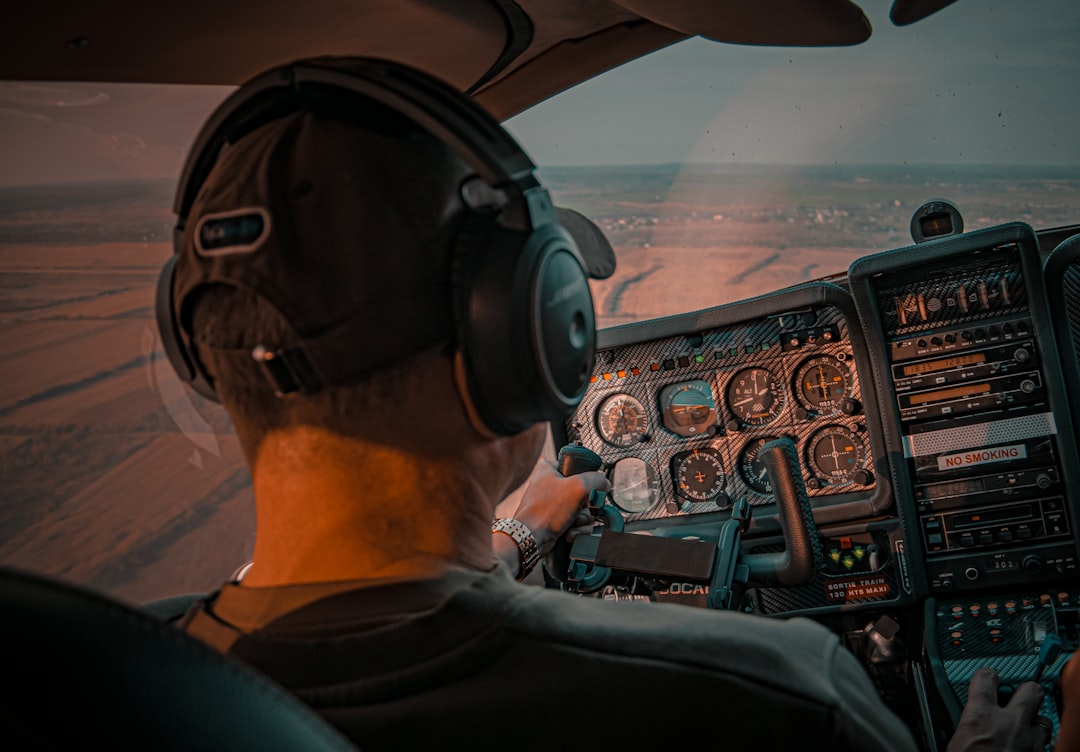
Pilot rutter documentation plays a crucial role in maritime navigation, serving as an essential resource for mariners and pilots alike. This documentation encompasses a variety of navigational aids that provide vital information about waterways, coastal features, and potential hazards. The significance of pilot rutter documentation cannot be overstated, as it enhances the safety and efficiency of maritime operations.
By offering detailed insights into local conditions, navigational routes, and environmental factors, this documentation helps to mitigate risks associated with navigation, particularly in challenging or unfamiliar waters. Moreover, pilot rutter documentation fosters a deeper understanding of the maritime environment. It equips navigators with the knowledge necessary to make informed decisions while at sea.
This is particularly important in areas where traditional navigation methods may fall short due to changing conditions or unforeseen obstacles. By relying on comprehensive pilot rutter documentation, mariners can navigate with greater confidence, ensuring not only their safety but also the safety of their vessels and crew. In essence, pilot rutter documentation serves as a foundational element in the broader framework of maritime safety and navigation.
Key Takeaways
- Pilot Rutter documentation is essential for safe and efficient maritime navigation.
- It includes various types such as nautical charts, pilot books, notices to mariners, and electronic navigation aids.
- Regular updating and maintenance of these documents are crucial to ensure accuracy and compliance with regulations.
- Proper use of pilot rutter documentation helps mariners avoid hazards and navigate complex waterways safely.
- Numerous resources are available for obtaining and staying current with pilot rutter documentation.
Types of Pilot Rutter Documentation
The landscape of pilot rutter documentation is diverse, encompassing various types of materials that cater to different navigational needs. One of the primary forms of documentation is the pilot book, which provides detailed descriptions of specific waterways, including information on tides, currents, and local regulations. These books are invaluable for both seasoned mariners and those new to a particular area, as they offer insights that can only be gained through experience.
Additionally, pilot books often include charts and illustrations that enhance understanding and facilitate navigation. Another important type of pilot rutter documentation is the sailing directions publication. These documents serve as comprehensive guides for navigating specific regions, detailing routes, landmarks, and potential hazards.
Sailing directions are typically organized by geographic area and provide essential information for safe passage through complex waterways. They often include updates on changes in navigational aids or local conditions, making them an indispensable resource for mariners seeking to stay informed about their surroundings.
Nautical Charts and Maps

Nautical charts and maps are fundamental components of pilot rutter documentation, providing visual representations of maritime environments. These charts depict various features such as water depths, coastlines, navigational aids, and underwater hazards. The accuracy and detail found in nautical charts are critical for safe navigation, as they allow mariners to plot their courses with precision.
Charts are regularly updated to reflect changes in the marine environment, ensuring that navigators have access to the most current information available. In addition to traditional paper charts, electronic nautical charts have gained popularity in recent years. These digital versions offer enhanced functionality, allowing mariners to zoom in on specific areas and access real-time data about weather conditions and tides.
The integration of technology into nautical charting has revolutionized the way mariners navigate, providing them with tools that enhance situational awareness and decision-making capabilities. Regardless of the format, nautical charts remain an essential element of pilot rutter documentation, serving as a primary reference for safe navigation.
Pilot Books and Sailing Directions
Pilot books and sailing directions are indispensable resources for mariners navigating unfamiliar waters. Pilot books typically contain detailed descriptions of ports, harbors, and coastal areas, along with information on local customs and regulations. They often include photographs and diagrams that help mariners visualize their surroundings and understand the unique characteristics of each location.
This wealth of information is particularly beneficial for those who may be unfamiliar with a region or are visiting for the first time. Sailing directions complement pilot books by providing specific guidance on navigating through particular routes or channels. These documents outline recommended courses, highlight potential hazards, and offer advice on local navigation practices.
By combining the insights found in both pilot books and sailing directions, mariners can develop a comprehensive understanding of their intended routes. This knowledge not only enhances safety but also contributes to a more efficient passage through challenging waters.
Notices to Mariners
| Metric | Description | Value | Unit |
|---|---|---|---|
| API Response Time | Average time for API to respond | 120 | ms |
| Documentation Coverage | Percentage of features documented | 95 | % |
| Number of Endpoints | Total API endpoints documented | 25 | count |
| Update Frequency | How often documentation is updated | Monthly | interval |
| User Satisfaction | Average user rating of documentation | 4.5 | stars |
Notices to Mariners are critical updates that inform navigators about changes affecting navigational aids, hazards, or other important information relevant to safe navigation. These notices are issued by maritime authorities and are designed to keep mariners informed about any alterations that may impact their voyages. Whether it involves the relocation of a buoy or the discovery of a new underwater hazard, Notices to Mariners ensure that navigators have access to timely information that can affect their routes.
The importance of regularly consulting Notices to Mariners cannot be overstated. Mariners who fail to stay updated on these notices may find themselves navigating through dangerous conditions or encountering unexpected obstacles.
This proactive approach not only enhances safety but also promotes a culture of vigilance within the maritime community.
Light Lists and Coast Pilots

Light lists and coast pilots are specialized forms of pilot rutter documentation that provide essential information about navigational aids along coastlines and in harbors. Light lists detail the characteristics of lighthouses, buoys, and other aids to navigation, including their locations, light patterns, and visibility ranges. This information is vital for mariners as it helps them identify key reference points during their voyages.
By understanding the specifics outlined in light lists, navigators can enhance their situational awareness and make informed decisions while at sea. Coast pilots complement light lists by offering detailed descriptions of coastal areas and approaches to ports. These publications provide insights into local conditions such as currents, tides, and potential hazards that may not be captured in standard nautical charts.
Coast pilots often include recommendations for safe navigation based on local knowledge and experience. Together with light lists, coast pilots form an integral part of pilot rutter documentation that supports safe navigation along coastlines and into harbors.
Electronic Navigation Aids
The advent of electronic navigation aids has transformed the way mariners access pilot rutter documentation. Electronic chart display and information systems (ECDIS) allow navigators to view nautical charts digitally while integrating real-time data such as weather conditions and vessel traffic. This technology enhances situational awareness by providing a dynamic view of the maritime environment, enabling mariners to make informed decisions based on current conditions.
In addition to ECDIS, other electronic navigation tools such as GPS devices and mobile applications have become increasingly popular among mariners. These tools offer convenient access to pilot rutter documentation while allowing users to track their positions accurately. The integration of electronic navigation aids into traditional pilot rutter documentation not only streamlines the navigation process but also enhances safety by providing up-to-date information at a mariner’s fingertips.
Updating and Maintaining Pilot Rutter Documentation
The process of updating and maintaining pilot rutter documentation is essential for ensuring its accuracy and reliability. As maritime environments are subject to constant change due to factors such as erosion, construction projects, or shifts in navigational aids, it is crucial for mariners to regularly review their documentation for updates. Many maritime authorities publish periodic updates or corrections that should be incorporated into existing materials to maintain their relevance.
Mariners are encouraged to establish a routine for checking updates from various sources, including Notices to Mariners, official publications from maritime authorities, and online resources. By staying informed about changes in their navigational environment, mariners can significantly reduce the risks associated with outdated information. This commitment to maintaining accurate pilot rutter documentation not only enhances individual safety but also contributes to the overall safety culture within the maritime community.
Using Pilot Rutter Documentation for Safe Navigation
The effective use of pilot rutter documentation is paramount for safe navigation at sea. Mariners must familiarize themselves with the various types of documentation available and understand how to interpret the information presented within them. This includes knowing how to read nautical charts accurately, understanding the significance of symbols used in pilot books, and being aware of local regulations outlined in sailing directions.
In addition to understanding the documentation itself, mariners should develop a systematic approach to integrating this information into their navigation practices. This may involve cross-referencing multiple sources of information before setting out on a voyage or regularly consulting Notices to Mariners during transit. By adopting a comprehensive approach to using pilot rutter documentation, mariners can enhance their situational awareness and make informed decisions that prioritize safety throughout their journeys.
Regulations and Requirements for Pilot Rutter Documentation
Regulations governing pilot rutter documentation vary by region but generally emphasize the importance of maintaining accurate navigational records. Many maritime authorities require vessels operating in specific waters to carry up-to-date pilot rutter documentation as part of their safety compliance measures. This requirement underscores the critical role that accurate information plays in ensuring safe navigation.
Mariners should familiarize themselves with the specific regulations applicable to their operating areas, including any requirements related to the types of documentation they must carry onboard. Compliance with these regulations not only enhances individual safety but also contributes to broader efforts aimed at promoting safe navigation practices within the maritime industry.
Resources for Obtaining Pilot Rutter Documentation
Accessing reliable pilot rutter documentation is essential for effective maritime navigation. Numerous resources are available for obtaining this vital information, including government agencies responsible for maritime safety and navigation. Many countries maintain official websites where mariners can access updated publications such as Notices to Mariners, light lists, and sailing directions.
These publications often incorporate local knowledge and insights from experienced mariners, providing valuable context that enhances understanding of navigational challenges. By leveraging these resources effectively, mariners can ensure they have access to comprehensive pilot rutter documentation that supports safe navigation throughout their journeys at sea.
For those looking to deepen their understanding of pilot rutter documentation, a related article can be found at this link. This resource provides valuable insights and additional context that can enhance your knowledge and application of pilot rutter concepts.
WATCH THIS! 🗺️ The Map That Proves Humans Explored Earth 5,000 Years Too Early
FAQs
What is Pilot Rutter Documentation?
Pilot Rutter Documentation is a comprehensive guide that provides detailed information on how to use the Pilot Rutter software or tool. It typically includes instructions, features, API references, and best practices for users and developers.
Who should use Pilot Rutter Documentation?
The documentation is intended for developers, pilots, and technical users who need to understand how to operate or integrate Pilot Rutter into their systems or workflows.
What topics are covered in Pilot Rutter Documentation?
The documentation usually covers installation procedures, configuration settings, API endpoints, usage examples, troubleshooting tips, and updates or version history.
Is Pilot Rutter Documentation available online?
Yes, Pilot Rutter Documentation is generally available online on the official website or a dedicated documentation portal to ensure easy access and regular updates.
How often is Pilot Rutter Documentation updated?
The documentation is updated regularly to reflect new features, bug fixes, and improvements in the Pilot Rutter software, ensuring users have the latest information.
Can I contribute to Pilot Rutter Documentation?
Depending on the project’s policies, users and developers may be able to contribute to the documentation through community forums, GitHub repositories, or direct feedback channels.
Does Pilot Rutter Documentation include API references?
Yes, it typically includes detailed API references that describe available endpoints, request and response formats, authentication methods, and usage examples.
Where can I find troubleshooting information in Pilot Rutter Documentation?
Troubleshooting sections are usually included to help users resolve common issues, errors, and provide guidance on debugging and support contacts.
Is there a version history in Pilot Rutter Documentation?
Most documentation includes a version history or changelog that outlines the changes, enhancements, and fixes made in each release of the Pilot Rutter software.
Are there tutorials or examples in Pilot Rutter Documentation?
Yes, many documentation sets provide tutorials, code samples, and practical examples to help users understand how to implement and use the software effectively.