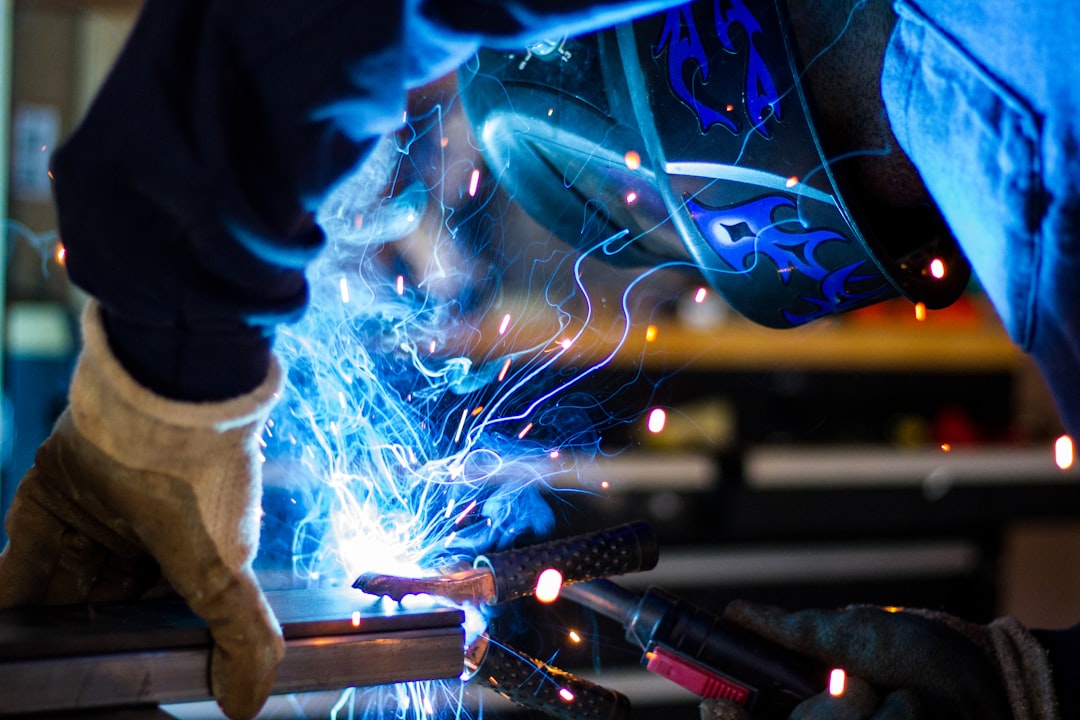
Manufacturing is often seen as the engine of economic growth, and in Europe, this holds particularly true. The continent’s manufacturing sector is a vital component of its economic stability, providing jobs, driving innovation, and underpinning its trade balance. While the digital revolution and service-based economies have gained prominence, the tangible output of factories remains a cornerstone of European prosperity. This article will explore the multifaceted role of manufacturing in European economic stability, examining its impact on employment, innovation, trade, and resilience.
Manufacturing has historically been the bedrock of employment in Europe, offering a stable pathway to skilled labor and supporting a significant portion of the continent’s workforce. The jobs created by manufacturing extend beyond the factory floor, rippling outwards to encompass supply chains, logistics, maintenance, and research and development. The recent report highlights the impact of [Germany factory closures] on the European economy.
High-Skilled and Stable Occupations
Manufacturing jobs, particularly those requiring technical expertise and specialized training, tend to offer higher wages and greater job security compared to many roles in the service sector. The demand for skilled machinists, engineers, quality control specialists, and production managers has remained a constant, even as automation has transformed some tasks. These roles often involve problem-solving, critical thinking, and hands-on application of knowledge, fostering a dedicated workforce that is integral to operational efficiency. The presence of these stable, well-compensated occupations directly contributes to the economic well-being of communities, forming a critical element of social cohesion.
The Multiplier Effect of Manufacturing Jobs
The economic impact of manufacturing employment is not confined to the direct jobs created. A significant multiplier effect is at play. For every job directly in manufacturing, several more are often supported indirectly. This includes jobs in companies that supply raw materials and components to manufacturers, as well as those that provide logistics, transportation, and business services. Furthermore, the disposable income earned by manufacturing workers is spent within their local economies, stimulating demand for retail, hospitality, and other service industries. This creates a virtuous cycle, where manufacturing employment acts as a catalyst for broader economic activity and job creation across diverse sectors.
Regional Development and Industrial Heartland
In many European countries, specific regions have developed a strong historical and economic reliance on manufacturing. These “industrial heartlands” have become centers of expertise, infrastructure, and a skilled labor pool. The decline or stagnation of manufacturing in these areas can lead to significant social and economic challenges, including unemployment, out-migration, and a decline in local tax revenues. Therefore, maintaining and revitalizing the manufacturing sector is crucial for ensuring balanced regional development and preventing economic disparities across the continent. The presence of robust manufacturing facilities anchors communities and provides a sense of identity and purpose, acting as a stabilizing force against regional decline.
In recent discussions about European economic stability, the role of the manufacturing sector has come to the forefront, highlighting its critical contribution to job creation and GDP growth. A related article that delves into this topic can be found at Real Lore and Order, where it explores how advancements in manufacturing technology and sustainable practices are shaping the future of the European economy. This piece provides valuable insights into the challenges and opportunities that manufacturers face in a rapidly changing global landscape.
Driving Innovation and Technological Advancement
Manufacturing is not merely about producing goods; it is a powerful incubator for innovation. The constant need to improve efficiency, reduce costs, and develop new products positions manufacturing at the forefront of technological advancement, a vital engine for European competitiveness.
Research and Development Investment
Manufacturing companies, especially in advanced sectors like automotive, aerospace, pharmaceuticals, and machinery, are significant investors in research and development (R&D). This investment is driven by the imperative to stay ahead of the competition, meet evolving customer demands, and comply with increasingly stringent environmental regulations. These R&D efforts often result in the development of new materials, processes, and technologies that have broader applications beyond the manufacturing floor, feeding into other sectors of the economy. The sustained commitment to R&D by European manufacturers acts as a bedrock for innovation, ensuring the continent doesn’t fall behind globally.
Process Innovation and Efficiency Gains
Beyond product innovation, manufacturing is a continuous laboratory for process innovation. This involves developing more efficient production methods, optimizing supply chains, and embracing automation and digitalization. Advancements in areas like lean manufacturing, just-in-time inventory, and Industry 4.0 technologies are born out of the manufacturing environment. These innovations not only lower production costs and increase output but also contribute to a more sustainable and resource-efficient economy. The relentless pursuit of efficiency within manufacturing is akin to honing a sharp blade, constantly refining its ability to cut through challenges and produce superior results.
The Interplay Between Manufacturing and Other Sectors
Innovation in manufacturing often has a symbiotic relationship with advancements in other sectors. For instance, breakthroughs in materials science allow for lighter and stronger components in vehicles and aircraft. Developments in software and artificial intelligence are crucial for advanced robotics and automated production lines. Conversely, the demand for specific components or manufacturing capabilities can spur innovation in upstream industries. This interconnectedness demonstrates how manufacturing acts as a crucible where different technological strands are forged together, creating stronger and more resilient economic infrastructure.
The Cornerstone of European Trade and Global Competitiveness
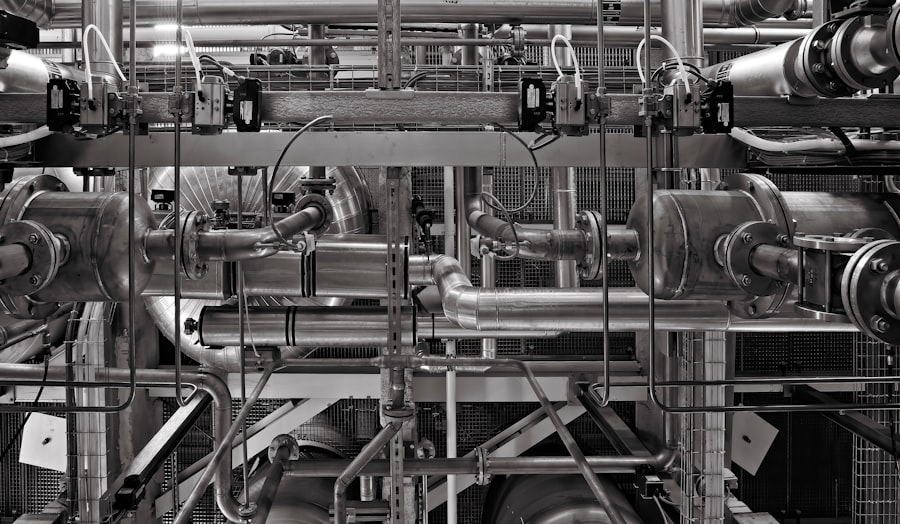
Europe’s manufacturing prowess is a major contributor to its global trade position. The export of manufactured goods is a critical source of revenue, helping to balance trade deficits and bolster the continent’s influence on the world stage.
Export-Oriented Industries
Many of Europe’s most successful industries are heavily export-oriented. Sectors such as automotive, machinery, chemicals, and pharmaceuticals consistently rank among the world’s leading exporters. These industries benefit from a strong reputation for quality, reliability, and innovation, which are hallmarks of European manufacturing. The ability of these sectors to compete successfully in international markets directly impacts the economic health of the European Union as a whole, creating a powerful outward flow of capital and goodwill.
The Trade Balance as an Economic Thermometer
The trade balance, which reflects the difference between a country’s exports and imports, is a key indicator of economic health. A consistent surplus in manufactured goods exports helps to offset potential deficits in other areas, contributing to overall economic stability. When European manufacturers are producing high-quality goods that are in demand globally, it signals a robust and competitive economy. Conversely, a decline in manufacturing exports can be a warning sign of eroding competitiveness, requiring careful analysis and strategic intervention. The trade balance, therefore, acts as a vital economic thermometer, signaling the vitality of the manufacturing engine.
Navigating Global Supply Chains
In an increasingly globalized world, European manufacturers are deeply integrated into complex international supply chains. This integration offers opportunities for cost efficiencies and access to specialized components, but it also presents challenges in terms of geopolitical risks, disruptions, and ethical sourcing. However, the capacity of European businesses to manage these intricate networks and maintain a high standard of production throughout the chain is a testament to their resilience and sophistication. Their ability to navigate the labyrinthine paths of global supply chains while maintaining quality is a testament to their intricate operational prowess.
Ensuring Economic Resilience and Stability During Shocks
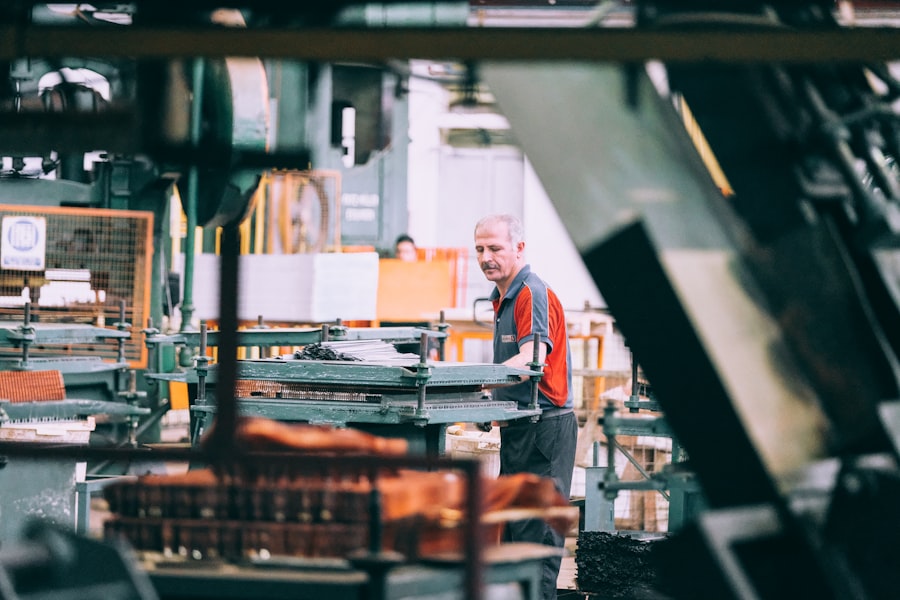
The importance of manufacturing for economic stability becomes particularly evident during times of crisis. Whether it’s a pandemic, a geopolitical conflict, or a natural disaster, the ability to produce essential goods domestically provides a crucial buffer against external shocks.
Securing Essential Goods and Services
The COVID-19 pandemic starkly highlighted the vulnerability of economies heavily reliant on imports for critical goods, such as medical supplies, personal protective equipment (PPE), and essential pharmaceuticals. Countries with strong domestic manufacturing capabilities were better positioned to respond to these challenges, ensuring the availability of vital resources for their populations. This experience has underscored the strategic importance of maintaining a robust manufacturing base, not just for economic growth, but for national security and public well-being. The capacity to produce necessities domestically acts as a shield against external disruptions, safeguarding national interests.
Diversification and Risk Mitigation
A diversified manufacturing sector, encompassing a range of industries and specializations, enhances economic resilience. If one sector faces a downturn, others can continue to function, mitigating the overall impact on employment and economic output. Furthermore, a strong domestic manufacturing base reduces reliance on single external suppliers, thereby mitigating risks associated with trade disputes, political instability in other regions, or disruptions to shipping routes. This diversification is akin to planting a diverse garden; if one crop fails, others still thrive, ensuring a harvest nonetheless.
The Role of Manufacturing in a Green Transition
The ongoing transition to a more sustainable economy presents both challenges and opportunities for manufacturing. The development and production of green technologies, such as renewable energy components, electric vehicles, and energy-efficient products, are inherently manufacturing-intensive. European manufacturers are playing a crucial role in driving this transition, investing in new processes and materials to meet the demand for sustainable goods. This not only contributes to environmental goals but also creates new economic opportunities and strengthens the continent’s long-term economic stability by positioning it as a leader in the green economy.
In recent discussions about European economic stability, the role of manufacturing has emerged as a critical factor in sustaining growth and resilience. A comprehensive analysis of this topic can be found in a related article that explores how manufacturing sectors across Europe are adapting to new challenges and opportunities. For more insights, you can read the article here, which delves into the strategies being implemented to enhance productivity and competitiveness in the region.
Challenges and the Path Forward for European Manufacturing
| Metric | Value (2023) | Unit | Notes |
|---|---|---|---|
| Manufacturing Output Growth | 1.8 | % | Annual growth rate in manufacturing production |
| Industrial Production Index | 102.5 | Index (2015=100) | Measures overall manufacturing activity |
| Manufacturing Employment | 30.2 | Million workers | Number of people employed in manufacturing sector |
| Capacity Utilization Rate | 78.4 | % | Percentage of total manufacturing capacity used |
| Manufacturing PMI | 49.7 | Index | Purchasing Managers’ Index, below 50 indicates contraction |
| Inflation Rate Impact on Manufacturing | 3.2 | % | Estimated inflation effect on manufacturing costs |
| Export Share of Manufacturing | 45.6 | % | Percentage of manufacturing output exported |
| Energy Costs Impact | 12.5 | % increase | Year-over-year increase in energy costs for manufacturers |
Despite its vital role, European manufacturing faces several significant challenges that require strategic attention to ensure its continued contribution to economic stability.
Global Competition and Cost Pressures
European manufacturers operate in a highly competitive global landscape, often facing pressure from countries with lower labor costs and less stringent environmental regulations. This necessitates a continuous focus on innovation, efficiency, and value-added production to remain competitive. The challenge is to find the optimal balance between cost-effectiveness and the high standards of quality and sustainability that define European manufacturing.
The Digital Transformation and Industry 4.0
The digital revolution is transforming manufacturing at an unprecedented pace. Embracing Industry 4.0 technologies, such as artificial intelligence, the Internet of Things (IoT), and advanced robotics, is crucial for enhancing productivity, efficiency, and flexibility. However, this requires significant investment in new technologies, workforce training, and digital infrastructure. The successful adoption of these technologies is akin to learning a new language; proficiency is essential for effective communication and engagement in the modern economic landscape.
Skills Gap and Workforce Development
A persistent challenge for European manufacturing is the mismatch between the skills required by modern industry and the skills available in the workforce. There is a growing demand for highly skilled workers with expertise in digital technologies, automation, and advanced manufacturing techniques. Addressing this skills gap through education, vocational training, and lifelong learning initiatives is essential for ensuring the future of the sector. Without a skilled workforce, even the most advanced machinery lies idle, like a well-tuned instrument without a musician.
Regulatory Environment and Bureaucracy
While regulations are necessary for ensuring safety, environmental protection, and fair competition, an overly complex or burdensome regulatory environment can hinder innovation and investment. Streamlining bureaucratic processes and ensuring a responsive regulatory framework are important for fostering a business-friendly environment for manufacturers. The goal is to create a system that supports and encourages production, rather than stifles it.
The Future of European Manufacturing
The future of European economic stability is intrinsically linked to the continued strength and adaptability of its manufacturing sector. By embracing innovation, investing in its workforce, and strategically navigating global challenges, European manufacturing can continue to serve as the reliable engine that drives prosperity, creates opportunity, and ensures the continent’s enduring stability. The ongoing evolution of manufacturing is not just about producing goods; it is about producing a more resilient, innovative, and prosperous future for Europe.
WATCH THIS 🔴 SHOCKING: Why Germany’s Factory Exodus Is Permanent (Not Temporary)
FAQs
What is the current state of European economic stability?
European economic stability is characterized by moderate growth, controlled inflation, and efforts to manage public debt across member states. The European Central Bank plays a key role in maintaining monetary stability, while fiscal policies vary among countries.
How does manufacturing contribute to Europe’s economic stability?
Manufacturing is a vital sector in Europe, providing jobs, driving exports, and fostering innovation. It supports economic stability by contributing significantly to GDP and maintaining trade balances, especially in countries with strong industrial bases like Germany and Italy.
What challenges does the European manufacturing sector face?
Challenges include global competition, supply chain disruptions, rising energy costs, and the need to transition to greener technologies. Additionally, geopolitical tensions and regulatory changes can impact manufacturing output and investment.
How is Europe addressing sustainability in manufacturing?
Europe is promoting sustainable manufacturing through policies encouraging energy efficiency, reduced emissions, and circular economy practices. Initiatives like the European Green Deal aim to make manufacturing more environmentally friendly while maintaining competitiveness.
What role do technological advancements play in European manufacturing stability?
Technological advancements such as automation, digitalization, and Industry 4.0 enhance productivity and innovation in manufacturing. These technologies help European manufacturers remain competitive globally and adapt to changing market demands, supporting overall economic stability.