
The European manufacturing sector, a historical bedrock of global economic prowess, currently navigates a complex network of challenges threatening its established position. What was once viewed as an unshakeable edifice now faces the tremors of geopolitical shifts, technological disruption, and environmental imperatives. This article dissects the multifaceted nature of the European manufacturing crisis, exploring its root causes and presenting potential pathways toward resilience and renewed competitiveness.
The global political landscape has undergone a dramatic transformation in recent years, casting a long shadow over European manufacturing. The interconnected supply chains, once lauded for their efficiency and cost-effectiveness, have revealed their fragility in the face of international turbulence. The recent report highlights the impact of [Germany factory closures] on the European economy.
Impact of Russia-Ukraine Conflict
The ongoing conflict in Ukraine has reverberated through Europe’s industrial heartland, creating a cascade of disruptions. Energy prices, already a significant component of manufacturing costs, have soared to unprecedented levels, forcing many energy-intensive industries to reconsider their operational viability. Furthermore, the conflict has highlighted Europe’s reliance on specific raw materials and intermediate goods originating from or transiting through the affected regions, leading to bottlenecks and exorbitant price increases. Companies are grappling with the immediate effects of supply shortages and the long-term implications of decoupling from previous trading partners.
Shifting Global Trade Dynamics
Beyond the immediate conflict, a broader recalibration of global trade dynamics is underway. The rise of protectionist policies in certain major economies, coupled with a movement towards strategic autonomy in others, is forcing European manufacturers to re-evaluate their sourcing strategies. The concept of “just-in-time” inventory, a hallmark of lean manufacturing for decades, is being supplanted by a “just-in-case” philosophy, with companies prioritizing resilience over absolute cost minimization. This shift often entails increased warehousing costs and necessitates a re-evaluation of established supplier relationships.
The ongoing European manufacturing crisis has raised significant concerns about the region’s economic stability and competitiveness. For a deeper understanding of the factors contributing to this crisis, you can read a related article that explores the challenges faced by the manufacturing sector in Europe and potential strategies for recovery. To access this insightful piece, click on the following link: European Manufacturing Crisis: Challenges and Solutions.
Technological Transformation and Digital Disruption
The fourth industrial revolution, characterized by the convergence of digital and physical technologies, presents both an immense opportunity and a significant challenge for European manufacturing. While some sectors have embraced this evolution with vigor, others struggle to keep pace, risking obsolescence.
The Rise of Industry 4.0 and Automation
Industry 4.0, encompassing concepts such as the Industrial Internet of Things (IIoT), artificial intelligence (AI), big data analytics, and advanced robotics, promises to revolutionize production processes, enhance efficiency, and unlock new forms of innovation. For European manufacturers, the adoption of these technologies is not merely an option but a strategic imperative to remain competitive on the global stage. However, significant investment in infrastructure, software, and skilled labor is required, posing a substantial hurdle for small and medium-sized enterprises (SMEs) that form the backbone of Europe’s industrial fabric.
Cybersecurity Risks and Data Protection
As manufacturing processes become increasingly interconnected and reliant on digital infrastructure, the threat of cyberattacks amplifies. Industrial control systems (ICS) and operational technology (OT) environments, previously isolated, are now vulnerable to sophisticated cyber threats that can disrupt production, compromise intellectual property, and even endanger worker safety. European manufacturers must invest heavily in robust cybersecurity measures and adhere to stringent data protection regulations, such as the GDPR, to safeguard their operations and maintain consumer trust. The integrity of the digital ecosystem is as crucial as the reliability of physical machinery.
Environmental Imperatives and Regulatory Burden
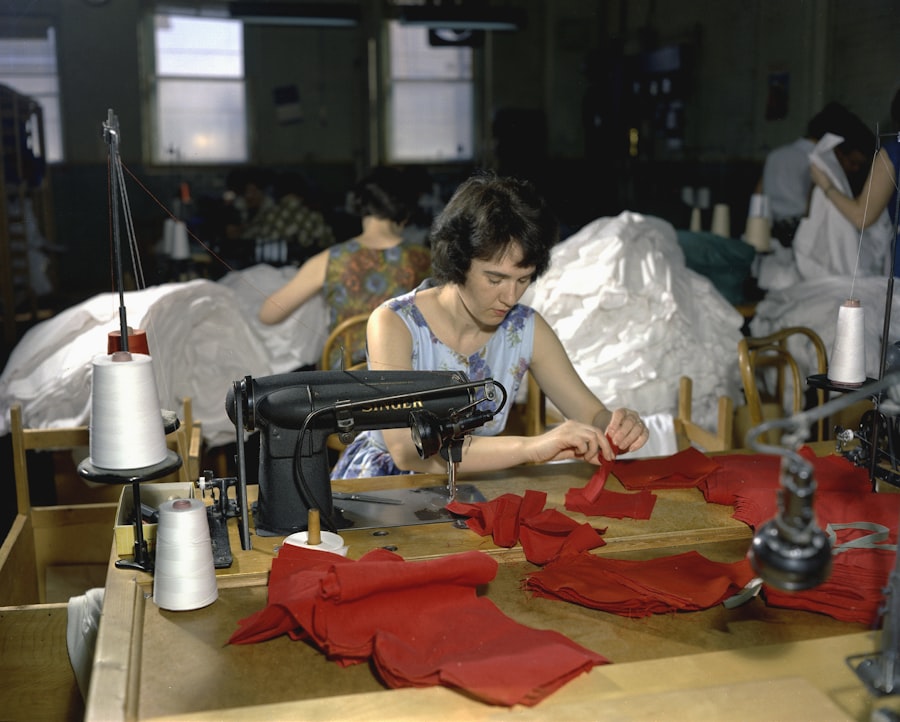
Europe has consistently positioned itself at the forefront of the global fight against climate change, enacting ambitious environmental policies aimed at decarbonizing its economy. While these initiatives are commendable, they impose significant compliance burdens and necessitate fundamental changes in manufacturing practices.
The European Green Deal and Decarbonization Targets
The European Green Deal, a comprehensive package of policy initiatives, aims to make Europe climate-neutral by 2050. This ambitious goal translates into stringent regulations for manufacturers concerning emissions, resource efficiency, and waste management. Industries are pressured to adopt cleaner production methods, transition to renewable energy sources, and internalize the costs of their environmental impact. While this drives innovation in sustainable technologies, it also creates a competitive disadvantage for European manufacturers compared to their counterparts in regions with less stringent environmental regulations.
Circular Economy Transition and Resource Scarcity
The transition to a circular economy, where resources are kept in use for as long as possible, is another cornerstone of Europe’s environmental agenda. This paradigm shift requires manufacturers to redesign products for durability, repairability, and recyclability, and to integrate recycled materials into their production processes. The dwindling availability of certain critical raw materials, exacerbated by geopolitical factors, further underscores the urgency of this transition. Manufacturers must not only comply with new regulations but also fundamentally alter their business models to embrace resource efficiency and closed-loop systems.
Labor Market Dynamics and Skills Gap
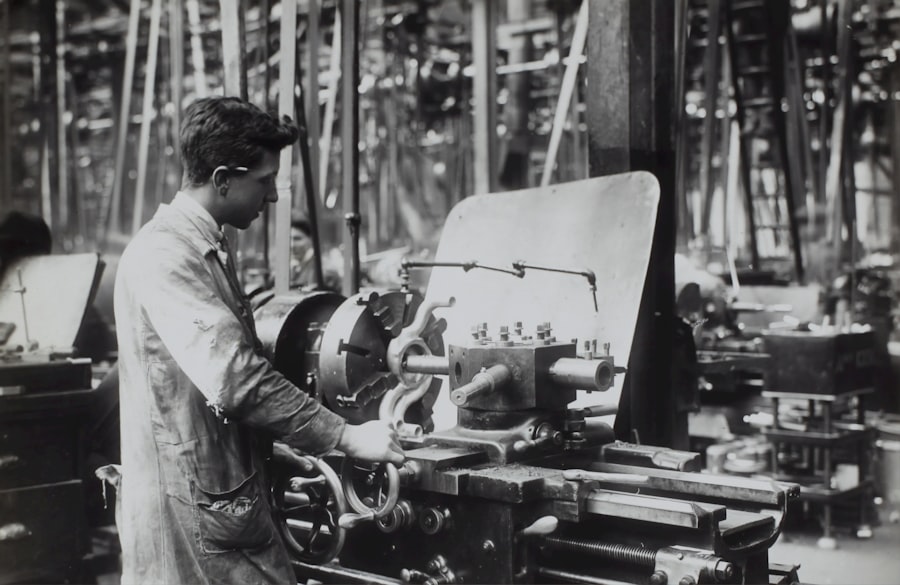
The demographic shifts within Europe, coupled with the evolving demands of an increasingly technological landscape, have created significant challenges in the labor market for manufacturing industries. The availability of a skilled workforce is a critical determinant of future competitiveness.
Aging Workforce and Demographic Decline
Many European countries face an aging population and declining birth rates, leading to a shrinking pool of working-age individuals. This demographic shift disproportionately affects manufacturing sectors, which often require specialized skills that are not easily acquired. The impending retirement of experienced workers, carrying decades of institutional knowledge, creates a generational gap that is proving difficult to bridge. Companies are struggling to attract and retain talent, impacting productivity and innovation.
The Need for Reskilling and Upskilling Initiatives
The rapid evolution of manufacturing technologies necessitates a continuous upgrading of skills within the workforce. Workers need to be proficient in areas such as data analysis, robotics operation, AI interaction, and cybersecurity. However, existing educational and training systems often lag behind these evolving demands, creating a significant skills gap. European manufacturers, in conjunction with educational institutions and governments, must invest heavily in reskilling and upskilling programs to equip the current and future workforce with the competencies required for the factories of tomorrow. Without a talent pipeline, even the most advanced machinery will remain idle.
The ongoing European manufacturing crisis has raised significant concerns about the continent’s economic stability and competitiveness. For a deeper understanding of the challenges faced by the industry, you can explore a related article that discusses the implications of supply chain disruptions and rising energy costs. This insightful piece sheds light on how these factors are reshaping the landscape of manufacturing in Europe. To read more about this pressing issue, visit this article.
Solutions and Pathways to Resilience
| Metric | Value | Year | Notes |
|---|---|---|---|
| Manufacturing Output Decline | 5.2% | 2023 | Year-on-year decrease in industrial production |
| Factory Orders Drop | 7.8% | 2023 Q4 | Significant reduction in new manufacturing orders |
| Unemployment Rate in Manufacturing | 9.5% | 2023 | Increase due to layoffs and reduced hiring |
| Energy Costs Increase | 30% | 2023 | Impacting manufacturing operational expenses |
| Supply Chain Disruptions | High | 2023 | Delays and shortages affecting production |
| Investment in Manufacturing | Down 12% | 2023 | Reduced capital expenditure amid uncertainty |
| Inflation Impact on Manufacturing Costs | 8% | 2023 | Increase in raw material and labor costs |
Addressing the European manufacturing crisis requires a multifaceted and coordinated approach, encompassing strategic investments, policy reforms, and a renewed emphasis on collaboration. The solutions are not simple silver bullets but rather a tapestry of interconnected strategies.
Strategic Autonomy and Reshoring Initiatives
To mitigate supply chain vulnerabilities, European manufacturers are increasingly exploring strategies for strategic autonomy. This involves diversifying sourcing channels, increasing regional production capacities, and investing in reshoring initiatives where feasible. Governments can play a crucial role by offering incentives for domestic production, fostering innovation ecosystems, and streamlining regulatory processes for businesses seeking to relocate manufacturing operations closer to home. This re-evaluation of global sourcing is not about isolation but about building redundancies and strengthening regional capabilities.
Investment in Research, Development, and Innovation
Continued and substantial investment in research, development, and innovation (RDI) is paramount for Europe to maintain its technological edge. This includes funding for fundamental research in emerging fields, support for industrial innovation centers, and incentives for private sector RDI. Areas such as advanced materials, quantum computing, biotechnology, and sustainable manufacturing processes offer fertile ground for future growth. Europe must cultivate an environment where groundbreaking ideas can flourish and be rapidly translated into marketable products and services.
Development of a Green and Digital Infrastructure
The transition to a sustainable and digitally integrated manufacturing sector necessitates significant investment in both green and digital infrastructure. This includes upgrading energy grids to accommodate renewable sources, expanding high-speed broadband connectivity to industrial areas, and establishing secure data centers. Governments, in partnership with the private sector, must prioritize these infrastructure projects to create the foundational elements for a resilient and competitive industrial base. This forms the backbone upon which a modernized manufacturing sector can thrive.
Talent Development and Vocational Training Renaissance
To bridge the skills gap and address labor shortages, Europe must embark on a comprehensive talent development strategy. This involves reforming educational curricula to align with industry needs, promoting vocational training programs, fostering lifelong learning initiatives, and attracting international talent. Apprenticeship programs, a historical strength of many European economies, should be revitalized and adapted to the demands of Industry 4.0. Furthermore, efforts to promote STEM (Science, Technology, Engineering, and Mathematics) education from an early age are crucial to cultivate a pipeline of future innovators and skilled workers.
Strengthening European Industrial Policy and Collaboration
A cohesive and forward-looking European industrial policy is essential to guide the sector through its current challenges. This policy should focus on creating a level playing field for European manufacturers, promoting fair competition, and fostering cross-border collaboration on strategic projects. The sharing of best practices, joint research initiatives, and coordinated investment in key industrial sectors can amplify the impact of individual national efforts. Europe’s collective strength, often compared to an orchestra where each instrument plays its part, can create a powerful symphony of industrial renewal.
The European manufacturing sector stands at a crossroads. The confluence of geopolitical instability, technological disruption, environmental pressures, and labor market shifts presents formidable obstacles. However, by strategically embracing innovation, investing in its workforce, and fostering a resilient and sustainable industrial ecosystem, Europe can navigate these turbulent waters. The path forward demands courage, collaboration, and a clear vision for an industrial future that is both competitive and responsible. The choices made today will determine whether Europe’s industrial heart continues to beat strongly on the global stage.
WATCH THIS 🔴 SHOCKING: Why Germany’s Factory Exodus Is Permanent (Not Temporary)
FAQs
What is the European manufacturing crisis?
The European manufacturing crisis refers to a period of significant challenges faced by the manufacturing sector in Europe, including declining production, supply chain disruptions, rising costs, and reduced competitiveness in global markets.
What are the main causes of the European manufacturing crisis?
Key causes include supply chain disruptions due to the COVID-19 pandemic, energy price volatility, labor shortages, increased raw material costs, geopolitical tensions, and shifts in global demand.
How has the crisis affected employment in the manufacturing sector?
The crisis has led to job losses and reduced working hours in some manufacturing industries, while others have faced difficulties in recruiting skilled workers, contributing to labor market imbalances.
What measures are European governments taking to address the manufacturing crisis?
Governments are implementing policies such as financial support for affected companies, investment in innovation and digitalization, efforts to secure energy supplies, and initiatives to strengthen supply chain resilience.
What is the outlook for European manufacturing in the near future?
While challenges remain, there is cautious optimism that increased investment in technology, sustainability, and supply chain diversification will help the sector recover and adapt to changing global conditions.