Europe’s Industrial Relocation: Opportunities and Challenges
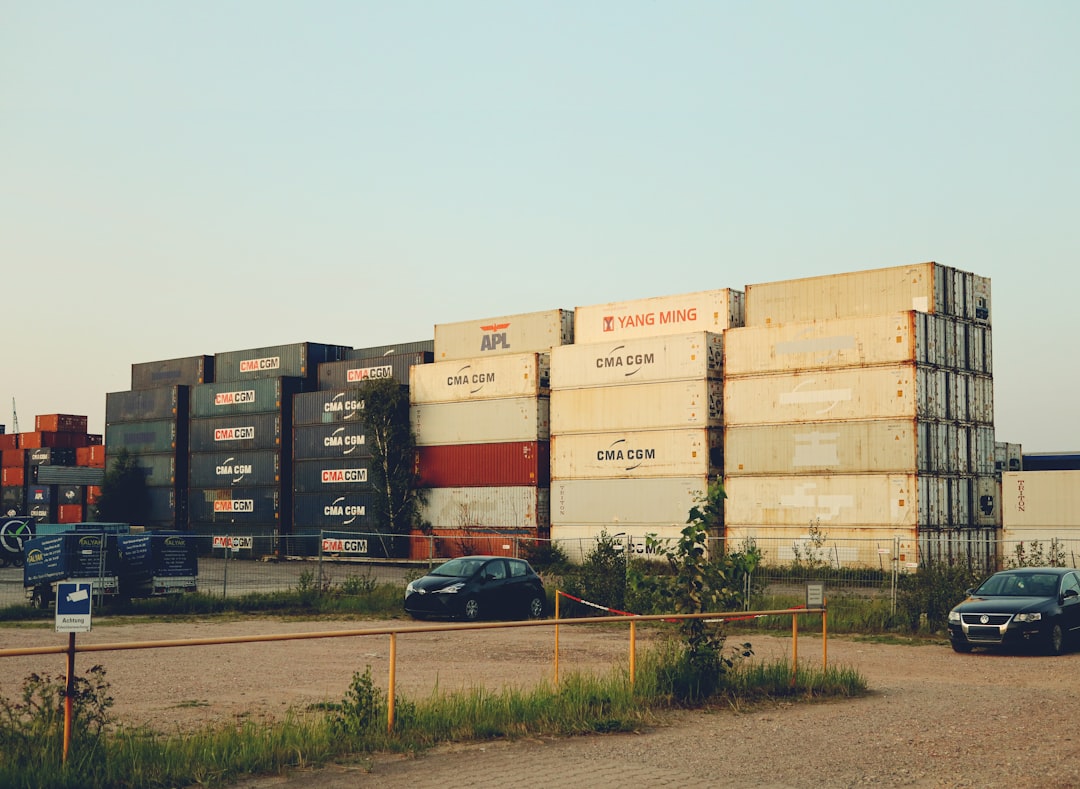
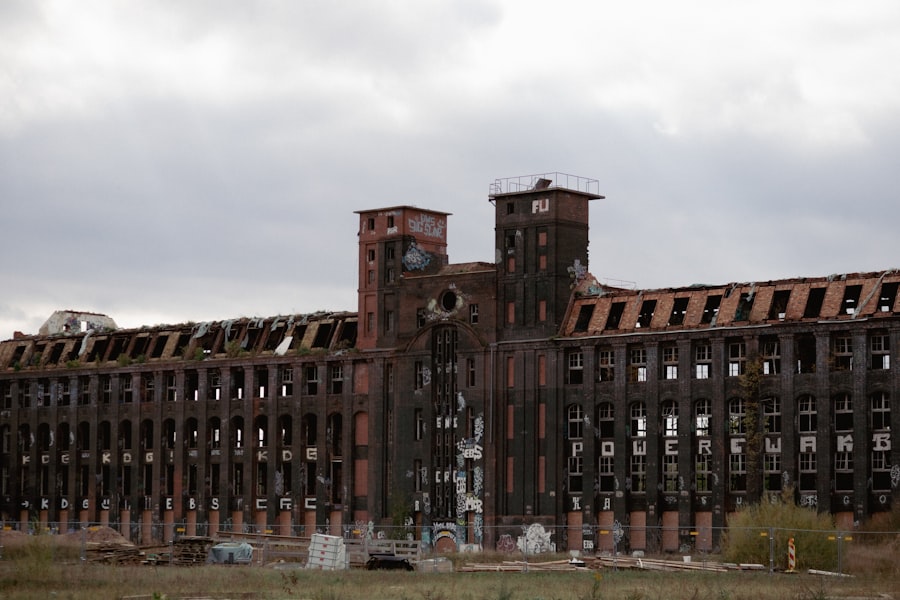
The landscape of European industry is in flux. For decades, a discernible trend toward the offshoring of manufacturing has reshaped the continent’s economic geography. This article will delve into the multifaceted phenomenon of industrial relocation, examining the drivers behind this movement, the opportunities it presents for both sending and receiving regions, and the inherent challenges that accompany such significant shifts. Understanding this process is crucial for policymakers, businesses, and citizens alike as Europe navigates its economic future. The recent report highlights the impact of Germany factory closures on the European economy.
The decision for a company to relocate its industrial operations is rarely a singular event, but rather a complex tapestry woven from numerous threads. Several key factors converge to push industries away from their historical European bases and toward new frontiers.
Cost Competitiveness: The Siren Call of Lower Expenses
One of the most significant magnets attracting businesses to relocate is the prospect of reduced operational costs. This encompasses a broad spectrum of expenses, with labor costs being a primary concern.
Labor Costs: A Global Disparity
The wage differential between Western Europe and many emerging economies represents a substantial economic incentive. In countries where the cost of living is considerably lower, the price of skilled and unskilled labor for manufacturing roles can be a fraction of that in established European nations. This difference can translate directly into improved profit margins, making products more competitive in global markets. However, it’s important to note that this is not a monolithic trend, as wage growth in some developing nations is beginning to narrow the gap.
Energy and Utility Expenses: Fueling Production Economically
Beyond direct labor, the cost of energy and utilities necessary to power manufacturing facilities can also be a deciding factor. In certain regions, particularly those with abundant and cost-effective energy sources, companies can significantly reduce their overhead. This includes electricity, natural gas, and water, all of which are indispensable for industrial processes. Fluctuations in energy prices within Europe, coupled with the potential for more stable or lower-cost alternatives elsewhere, can tip the scales.
Regulatory Burden and Environmental Standards: Navigating Compliance Landscapes
While often framed positively as safeguarding workers and the environment, stringent regulatory frameworks and high environmental standards, while essential, can represent a significant cost burden for businesses. Relocating to regions with less prescriptive regulations, or where enforcement is perceived to be less rigorous, can offer a pathway to reduced compliance costs. This is a particularly sensitive area, often sparking debates about the ethical implications of a “race to the bottom” in environmental and labor protections.
Access to New Markets: Expanding the Business Horizon
Cost is not the only imperative. Industrial relocation is also a strategic maneuver to gain a stronger foothold in burgeoning markets, effectively bringing production closer to the consumer.
Proximity to Developing Consumer Bases: Cutting Down on Delivery Times and Costs
As economies in Asia, Africa, and Latin America continue to grow, so does their purchasing power. Companies that relocate manufacturing to these regions can significantly reduce the time and cost associated with transporting goods to these newly affluent consumer bases. This proximity allows for faster response times to market demands, reduced logistics expenses, and a more efficient supply chain. It’s like moving your bakery closer to the bustling town square, rather than shipping bread across the country.
Overcoming Trade Barriers and Tariffs: A Smoother Path to Market Entry
Import tariffs, quotas, and other trade barriers can act as formidable obstacles to market access. By establishing manufacturing operations within a target market, companies can often circumvent these restrictions, leading to a more seamless and cost-effective entry. This can be particularly attractive for industries that have historically faced protectionist policies in certain regions.
Leveraging Local Demand and Preferences: Tailoring Products for Success
Manufacturing locally can also facilitate a deeper understanding of and response to local consumer preferences. This allows for greater customization of products, quicker adaptation to evolving tastes, and the development of niche offerings that might not be feasible from a distant European facility.
Technological Advancements and Automation: Redefining Production Lines
The evolution of technology has also played an intricate role in industrial relocation, sometimes paradoxically enabling further offshoring while also presenting opportunities for reshoring.
Increased Efficiency Through Automation: Reducing Reliance on Labor Intensity
Advances in robotics, artificial intelligence, and advanced manufacturing techniques have made highly automated production lines increasingly viable. This automation can reduce the reliance on the sheer volume of labor that was once a primary driver for offshoring. In some cases, highly automated facilities can be established in locations with lower overall operating costs, while still maintaining high levels of productivity.
Sophistication of Logistics and Supply Chain Management: Bridging Geographical Divides
Improvements in global logistics, containerization, and sophisticated supply chain management software have made it more feasible to manage complex international operations. This allows companies to coordinate production, inventory, and distribution across vast geographical distances with greater efficiency and predictability.
The topic of European industrial relocation has gained significant attention in recent years, particularly as companies seek to optimize their supply chains and reduce costs. A related article that delves into the implications of this trend can be found at this link. This article explores the various factors driving industrial relocation within Europe and examines the potential impacts on local economies and labor markets.
The Double-Edged Sword: Challenges of Industrial Relocation
While the allure of relocation is undeniable, the process is fraught with challenges that can undermine the intended benefits and create new complexities.
Supply Chain Vulnerabilities: The Fragility of Global Networks
The very globalized networks that enable relocation can also be a significant source of vulnerability, as recent global events have starkly demonstrated.
Geopolitical Instability and Conflict: Unforeseen Disruptions
The delicate balance of global politics can be easily disrupted by geopolitical tensions, regional conflicts, and trade wars. These events can lead to supply chain disruptions, affecting the flow of raw materials, components, and finished goods. A factory in a politically volatile region, once a beacon of cost savings, can quickly become a liability.
Natural Disasters and Pandemics: Testing the Resilience of the System
The COVID-19 pandemic served as a stark reminder of the fragility of extended supply chains. Natural disasters, such as earthquakes, floods, and extreme weather events, can also cripple production and logistics in affected regions, leading to widespread delays and shortages for industries reliant on those locations.
Rising Transportation Costs: The Erosion of Savings
While initial relocation might be driven by lower production costs, escalating global shipping rates, oil price volatility, and the environmental impact of long-distance freight can erode these savings. The cost of getting goods from a distant factory back to European markets can become a significant drain on profitability.
Loss of Domestic Expertise and Skills: The Fading Artisanal Touch
The physical relocation of production often entails a parallel shift in the location of skilled labor and institutional knowledge, creating a vacuum in the home country.
Deindustrialization and Job Losses: The Human Cost
The most direct and visible consequence for the sending nation is the loss of manufacturing jobs. This can lead to localized unemployment, economic decline in formerly industrial regions, and a broader erosion of the national industrial base. The social and economic fabric of communities that have long relied on these industries can be severely damaged.
Erosion of Technical Skills and Vocational Training: A Generation Gap in Expertise
As manufacturing jobs disappear, so too does the demand for specific technical and vocational skills. This can lead to a decline in apprenticeship programs, vocational training institutions, and the intergenerational transfer of manufacturing expertise. The “know-how” can become a ghost in the machine.
Intellectual Property Theft and Innovation Drain: The Risk of Knowledge Leakage
Relocating sensitive manufacturing processes and proprietary technologies to regions with weaker intellectual property protection regimes can expose companies to the risk of theft and unauthorized replication. This can stifle innovation and undermine a company’s competitive advantage in the long run.
Quality Control and Ethical Considerations: Maintaining Standards Abroad
Ensuring consistent quality and adhering to ethical labor and environmental practices across divergent regulatory and cultural landscapes presents a significant challenge.
Maintaining Product Quality and Consistency: The Challenge of Distance and Oversight
Maintaining rigorous quality control over production facilities located thousands of miles away can be difficult. Variances in local manufacturing practices, material sourcing, and labor can lead to inconsistencies in product quality, potentially damaging brand reputation.
Labor Exploitation and Unsafe Working Conditions: The Shadow of Low Costs
The pursuit of lower labor costs can, in some instances, lead to the exploitation of workers, including unfair wages, excessively long hours, and unsafe working conditions. Companies face intense scrutiny and reputational risk if their supply chains are found to be complicit in such practices.
Environmental Impact and Regulatory Loopholes: A Global Footprint
While European regulations are often stringent, operations in other countries may be subject to less rigorous environmental standards. This can lead to a larger overall environmental footprint for the relocated industry, and raise ethical questions about exporting pollution.
Opportunities for European Industry: A Renaissance of Innovation and Specialization

Despite the challenges, industrial relocation also presents a unique set of opportunities for Europe, prompting a recalibration of its industrial strategy towards higher-value activities.
Focus on High-Value Manufacturing and R&D: Leapfrogging to the Forefront
The departure of labor-intensive industries can create a vacuum that can be filled by sectors demanding higher levels of skill, innovation, and investment.
Specialization in Advanced Technologies and Automation: Leading the Next Industrial Revolution
Europe can leverage its strong research and development capabilities to focus on sectors like advanced robotics, artificial intelligence, biotechnology, and aerospace. Instead of mass-producing components on a global scale, Europe can focus on designing, engineering, and producing the sophisticated machinery and software that power those global operations.
Innovation Hubs and Research & Development Centers: Cultivating Tomorrow’s Industries
By concentrating resources on R&D, Europe can foster the creation of innovation hubs and specialized research centers. These knowledge-intensive environments can attract top talent and drive the development of next-generation technologies, ensuring Europe remains at the cutting edge of industrial progress.
Upskilling the Workforce: Preparing for the Future of Work
The shift towards high-value manufacturing necessitates a correspondingly skilled workforce. Investments in education, vocational training, and lifelong learning programs can equip European workers with the competencies required for these new roles, transforming a challenge into an opportunity for human capital development.
Reshoring and Nearshoring: Bringing Production Back Home
The vulnerabilities exposed by global supply chain disruptions are prompting a reassessment of the benefits of bringing manufacturing closer to home.
Strategic Importance and Supply Chain Resilience: Securing Critical Industries
Certain industries, particularly those deemed strategically important for national security or public health (e.g., pharmaceuticals, defense, critical infrastructure components), are prime candidates for reshoring or nearshoring. The ability to maintain a secure and reliable domestic supply chain becomes paramount.
Shortening Lead Times and Improving Responsiveness: Agility in Production
Bringing production back to Europe, or to neighboring countries, can significantly shorten lead times and improve responsiveness to market demands. This allows for greater agility in adapting to changing consumer trends and unexpected disruptions.
Environmental Benefits of Reduced Transportation: A Greener Footprint
Reshoring and nearshoring can lead to a substantial reduction in transportation distances, thereby decreasing carbon emissions and the environmental impact associated with global shipping. This aligns with Europe’s broader climate goals.
Fostering Circular Economy Principles: Designing for Sustainability
The concept of industrial relocation can also be an impetus for redesigning production processes with sustainability at their core.
Resource Efficiency and Waste Reduction: Minimizing the Environmental Burden
By rethinking manufacturing in a European context, emphasis can be placed on resource efficiency, waste reduction, and the adoption of circular economy principles. This involves designing products for longevity, repairability, and recyclability, minimizing the take-make-dispose model.
Localized Production and Sustainable Sourcing: A Closed-Loop Ecosystem
Localized production can facilitate the use of locally sourced, sustainable materials and renewable energy sources. This creates more closed-loop ecosystems, where waste from one process can become a resource for another, further reducing the environmental footprint.
Opportunities for Receiving Nations: A Catalyst for Development and Growth
For countries that become recipients of relocated industries, the prospect can be transformative, offering a pathway towards economic advancement.
Economic Growth and Job Creation: Injecting Vitality into Economies
The influx of foreign direct investment associated with industrial relocation can be a powerful engine for economic growth and job creation in receiving nations.
Employment Opportunities for Local Populations: A Lift from Lower Income Levels
The establishment of new factories creates direct employment opportunities for the local population, often providing a significant boost to income levels, particularly in regions with higher unemployment or lower average wages.
Development of Ancillary Industries and Services: A Ripple Effect of Prosperity
Beyond direct factory employment, industrial relocation can stimulate the growth of ancillary industries and services. This includes logistics, maintenance, catering, and local supply chains, creating a multiplier effect that benefits the broader economy.
Increased Government Revenue and Infrastructure Development: Investing in the Future
The economic activity generated by relocated industries leads to increased tax revenues for governments. These funds can then be reinvested in critical infrastructure development, such as roads, ports, power grids, and education systems, further enhancing the country’s attractiveness for future investment.
Technology Transfer and Skill Development: Building Capacity for the Long Term
Relocated industries can serve as conduits for the transfer of technology, management expertise, and skilled labor development.
Adoption of Modern Manufacturing Techniques and Management Practices: Learning from the Best
Foreign companies often bring with them advanced manufacturing technologies, efficient management practices, and sophisticated quality control systems. Local workers and managers can gain invaluable experience by working alongside these international firms, absorbing new knowledge and skills.
Training Programs and Workforce Education: Investing in Human Capital
Many multinational corporations invest in training programs to upskill the local workforce to meet their specific operational needs. This can lead to a more skilled and adaptable labor pool, enhancing the long-term economic potential of the country.
Potential for Indigenous Innovation: Seeds of Future Expertise
Over time, the exposure to international best practices and technological advancements can foster indigenous innovation. Local entrepreneurs and engineers can build upon the knowledge gained to develop their own unique solutions and create new industries.
Integration into Global Value Chains: Connecting to the World Economy
Industrial relocation can be a crucial stepping stone for developing economies to integrate more effectively into global value chains.
Access to International Markets and Supply Networks: Expanding Reach
By becoming a manufacturing hub for international companies, recipient nations gain direct access to global markets and established supply networks. This can be a significant advantage for smaller economies that might otherwise struggle to penetrate international commerce.
Diversification of the Economy: Reducing Reliance on Primary Commodities
For economies historically reliant on primary commodity exports, industrial relocation offers an opportunity to diversify their economic base towards higher-value manufacturing. This can lead to greater economic stability and resilience against commodity price fluctuations.
Attracting Further Foreign Investment: Building Momentum
Successful industrial relocation can create a positive feedback loop, attracting further foreign direct investment as the country establishes a reputation for reliability, efficiency, and a growing pool of skilled labor.
European industrial relocation has become a significant topic of discussion as companies seek to optimize their operations and reduce costs. A related article that delves into the implications of this trend can be found at this insightful resource, which explores the various factors driving businesses to move their manufacturing bases. The article highlights the challenges and opportunities that arise from such relocations, providing a comprehensive overview of the current landscape in European industry.
The Path Forward: Navigating the Complexities with Strategic Foresight
| Year | Number of Relocations | Top Destination Countries | Primary Industries Relocated | Average Cost Reduction (%) | Impact on Employment (Jobs Lost) |
|---|---|---|---|---|---|
| 2018 | 120 | Poland, Czech Republic, Hungary | Automotive, Textiles, Electronics | 15 | 3,500 |
| 2019 | 135 | Romania, Slovakia, Bulgaria | Machinery, Chemicals, Food Processing | 18 | 4,200 |
| 2020 | 110 | Poland, Hungary, Lithuania | Electronics, Automotive, Plastics | 20 | 3,800 |
| 2021 | 140 | Czech Republic, Romania, Estonia | Textiles, Chemicals, Machinery | 17 | 4,500 |
| 2022 | 150 | Poland, Bulgaria, Slovakia | Automotive, Electronics, Food Processing | 19 | 4,700 |
The phenomenon of industrial relocation is not a simple story of winners and losers. It is a complex, dynamic process with profound implications for economies across the globe. For Europe, the challenge lies in managing this transition strategically, recognizing both the risks and the opportunities.
Policy Interventions and Strategic Planning: Shaping the Industrial Landscape
Governments and international bodies have a crucial role to play in navigating the complexities of industrial relocation. Proactive policy interventions are necessary to mitigate negative consequences and capitalize on emerging opportunities.
Investment in Education and Training: Future-Proofing the Workforce
As mentioned earlier, investing in education and training programs that focus on high-demand skills, STEM fields, and digital literacy is paramount. This ensures that European workers are equipped to thrive in the evolving industrial landscape and that former industrial regions can transition to new economic activities.
Targeted Industrial Policies and Innovation Support: Fostering Growth Sectors
Governments can implement targeted industrial policies that support the growth of high-value manufacturing sectors, encouraging research and development, and providing incentives for innovation. This could include grants, tax breaks, and collaborative research initiatives.
Strengthening Trade Relations and Diversifying Markets: Building Resilience
Maintaining strong trade relations with a diverse range of countries and actively seeking out new markets for European goods and services can help to offset the impact of industrial relocation and build greater economic resilience.
Promoting Ethical Sourcing and Sustainable Practices: A Commitment to Responsibility
Encouraging and enforcing ethical sourcing practices, fair labor standards, and environmental sustainability throughout supply chains is crucial. This not only protects the reputation of European businesses but also contributes to responsible global development.
Business Adaptation and Strategic Agility: Embracing Change as Opportunity
Businesses themselves must demonstrate adaptability and strategic foresight to navigate the challenges and capitalize on the opportunities presented by industrial relocation.
Diversifying Supply Chains and Exploring Nearshoring Options: Mitigating Risks
Companies should actively diversify their supply chains, exploring nearshoring options and building redundancy to mitigate the risks associated with geopolitical instability and natural disasters. This involves establishing multiple production sites and sourcing from a variety of suppliers.
Investing in Automation and Digitalization: Enhancing Competitiveness
Embracing automation, digitalization, and Industry 4.0 technologies can enhance the competitiveness of remaining European manufacturing operations, making them more efficient and productive, even in the face of lower-cost competition.
Focusing on Brand Value and Customer Experience: Differentiation in the Market
In a globalized market, European companies can differentiate themselves by focusing on higher quality products, superior customer service, and strong brand reputation, rather than solely competing on price.
Developing Circular Economy Business Models: Towards a Sustainable Future
Adopting circular economy principles, designing for sustainability, and exploring new business models focused on repair, refurbishment, and remanufacturing can create new revenue streams and reduce the environmental impact of operations.
International Cooperation and Dialogue: A Collaborative Approach to Global Challenges
Industrial relocation is a global phenomenon that requires international cooperation and dialogue to address its multifaceted implications.
Establishing International Standards for Labor and Environmental Protection: A Level Playing Field
Promoting the establishment and adherence to international standards for labor rights, worker safety, and environmental protection can help to prevent a “race to the bottom” and ensure a more equitable global industrial landscape.
Collaborative Research and Development Initiatives: Sharing Knowledge for Mutual Benefit
International collaboration on research and development projects can foster innovation, accelerate technological advancement, and address global challenges such as climate change and public health.
Open Dialogue on Trade Policies and Economic Development: Building Bridges
An ongoing and open dialogue between nations on trade policies, investment strategies, and economic development can help to foster mutual understanding, resolve disputes, and create a more stable and predictable global economic environment.
In conclusion, Europe’s industrial relocation is a complex phenomenon driven by a confluence of economic, technological, and market forces. While it presents significant challenges, including job losses and supply chain vulnerabilities, it also offers substantial opportunities for innovation, specialization, and the development of higher-value industries. For receiving nations, it can be a catalyst for economic growth and development. Navigating this evolving landscape requires strategic foresight, adaptive policies, and a commitment to international cooperation. The future of European industry hinges on its ability to transform these challenges into opportunities, ensuring a competitive, resilient, and sustainable economic future.
WATCH THIS 🔴 SHOCKING: Why Germany’s Factory Exodus Is Permanent (Not Temporary)
FAQs
What is European industrial relocation?
European industrial relocation refers to the process of moving manufacturing and industrial operations from one location within Europe to another, often to optimize costs, access new markets, or benefit from favorable regulatory environments.
Why do companies relocate their industries within Europe?
Companies relocate their industries within Europe to reduce production costs, improve supply chain efficiency, access skilled labor, benefit from regional incentives, or respond to changes in market demand and trade policies.
Which European countries are common destinations for industrial relocation?
Common destinations for industrial relocation in Europe include countries with competitive labor costs and strong infrastructure, such as Poland, Czech Republic, Hungary, and Romania, as well as Western European countries offering advanced technology and innovation hubs.
What are the economic impacts of industrial relocation in Europe?
Industrial relocation can lead to job creation and economic growth in receiving regions, while potentially causing job losses and economic challenges in areas losing industries. It also affects regional development, investment patterns, and competitiveness within the European market.
How does European industrial relocation affect supply chains?
Relocation can streamline supply chains by positioning production closer to key markets or suppliers, reduce transportation costs, and improve responsiveness. However, it may also introduce risks related to disruption during transition and require adjustments in logistics and inventory management.