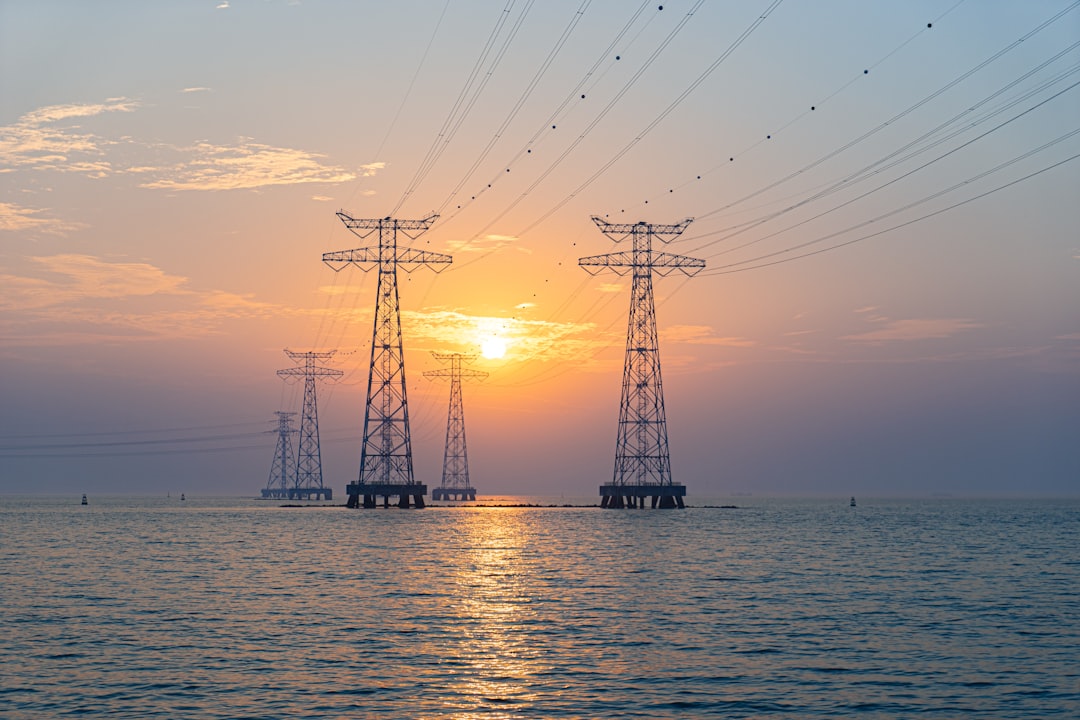
The energy market structure serves as the backbone of how energy is produced, distributed, and consumed across the globe. It encompasses a complex web of relationships among various stakeholders, including producers, consumers, regulators, and investors. Understanding this structure is crucial for grasping the dynamics that influence energy prices, availability, and sustainability.
The energy market is not static; it evolves in response to technological advancements, regulatory changes, and shifts in consumer preferences. As societies become increasingly aware of environmental issues and the need for sustainable practices, the energy market structure is undergoing significant transformations. The interplay between different energy sources—fossil fuels, nuclear power, and renewables—further complicates the market landscape.
Each source has its own set of economic, environmental, and social implications that affect how energy is traded and consumed. The structure of the energy market is not only a reflection of current practices but also a predictor of future trends. As the world grapples with climate change and seeks to transition to cleaner energy sources, understanding the historical context and current dynamics of the energy market becomes essential for policymakers, businesses, and consumers alike.
Key Takeaways
- Energy markets evolved from localized, pre-industrial systems to complex global networks influenced by industrialization and fossil fuels.
- Deregulation and restructuring introduced competition, transforming traditional energy market dynamics.
- The rise of renewable energy and technological advancements are reshaping market structures and energy sources.
- Globalization has integrated energy markets, increasing interdependence and complexity.
- Environmental concerns and regulatory policies are critical drivers shaping the future of energy market structures.
Early Energy Market Structure: Pre-Industrial Revolution
Before the Industrial Revolution, energy markets were primarily localized and characterized by a reliance on renewable resources such as wood, wind, and water. Communities generated their own energy through rudimentary means, often relying on manual labor and natural elements. The energy market was informal and decentralized; individuals would barter or trade goods for energy resources without any formal pricing mechanisms or regulatory oversight.
This localized approach allowed communities to be self-sufficient but limited the scale and efficiency of energy production. The pre-industrial energy market was heavily influenced by geography and climate. For instance, regions with abundant forests relied on wood for heating and cooking, while those near rivers harnessed water power for milling grain.
The lack of transportation infrastructure meant that energy resources were often consumed close to where they were produced. This localized consumption model fostered a strong connection between communities and their natural resources but also made them vulnerable to fluctuations in availability due to seasonal changes or natural disasters.
Industrial Revolution and the Rise of Fossil Fuels
The Industrial Revolution marked a pivotal shift in the energy market structure as societies transitioned from agrarian economies to industrialized ones. This period saw a dramatic increase in the demand for energy, primarily driven by advancements in technology and manufacturing processes. The introduction of steam engines and machinery necessitated a more concentrated and reliable source of power, leading to the widespread adoption of fossil fuels such as coal, oil, and natural gas.
These energy sources not only provided higher energy densities but also enabled mass production and transportation on an unprecedented scale. The rise of fossil fuels transformed the energy market from a localized system to a more centralized one. Large-scale extraction and distribution networks emerged, allowing energy producers to supply vast quantities of fuel to urban centers.
This shift facilitated economic growth but also introduced new challenges, including environmental degradation and social inequalities. The reliance on fossil fuels created a dependency that would shape global politics and economics for centuries to come, as nations vied for control over these valuable resources.
Deregulation and Restructuring of Energy Markets
The late 20th century witnessed significant changes in the energy market structure as many countries began to deregulate their energy sectors. This movement aimed to increase competition, lower prices, and improve service quality by breaking up monopolistic structures that had dominated the industry for decades. Deregulation allowed private companies to enter the market, leading to a proliferation of new players in electricity generation, distribution, and retailing.
The restructuring of energy markets was often accompanied by the introduction of market-based pricing mechanisms that replaced fixed tariffs. While deregulation brought about increased competition and innovation, it also led to challenges such as market volatility and concerns over reliability. The 2000 California electricity crisis exemplified the pitfalls of deregulation when manipulated markets resulted in blackouts and soaring prices.
As a result, regulators had to strike a delicate balance between fostering competition and ensuring stability within the energy market. The lessons learned from these experiences continue to inform ongoing discussions about the best approaches to managing modern energy markets.
Emergence of Renewable Energy Sources
| Metric | 2015 | 2020 | 2024 | Change Description |
|---|---|---|---|---|
| Renewable Energy Share (%) | 15 | 30 | 45 | Significant increase in renewable energy penetration in the market |
| Number of Distributed Energy Resources (DERs) (millions) | 0.5 | 2.5 | 6 | Rapid growth in DER installations such as rooftop solar and battery storage |
| Market Share of Traditional Utilities (%) | 85 | 65 | 50 | Decline due to rise of decentralized energy producers and prosumers |
| Electricity Price Volatility (Index) | 10 | 18 | 25 | Increased volatility driven by intermittent renewable generation and demand response |
| Energy Storage Capacity (GW) | 1 | 10 | 35 | Expansion of grid-scale and distributed energy storage solutions |
| Proportion of Peer-to-Peer Energy Trading (%) | 0 | 2 | 8 | Emergence and growth of decentralized energy trading platforms |
In recent years, there has been a notable shift towards renewable energy sources such as solar, wind, hydroelectricity, and geothermal power. This transition is driven by a combination of technological advancements, decreasing costs, and growing public awareness of climate change. The emergence of renewables has introduced new dynamics into the energy market structure, challenging traditional fossil fuel dominance while promoting sustainability.
Governments around the world have implemented policies to incentivize renewable energy development, including subsidies, tax credits, and renewable portfolio standards. The integration of renewable sources into existing energy markets has not been without its challenges. Issues such as intermittency—where renewable generation fluctuates based on weather conditions—require innovative solutions for grid management and storage technologies.
Additionally, the decentralized nature of many renewable projects contrasts with the centralized models established during the fossil fuel era. As more consumers become prosumers—producing their own energy through solar panels or wind turbines—the traditional roles within the energy market are evolving, leading to new opportunities for collaboration and innovation.
Impact of Technological Advancements on Energy Market Structure
Technological advancements have played a crucial role in reshaping the energy market structure over time. Innovations in extraction techniques, such as hydraulic fracturing (fracking) for natural gas and advancements in drilling technology for oil production, have significantly increased supply levels while lowering costs. These developments have altered global energy dynamics by enabling previously inaccessible resources to be tapped into, thereby influencing prices and geopolitical relationships.
Moreover, digital technologies are revolutionizing how energy is managed and consumed. Smart grids equipped with advanced metering infrastructure allow for real-time monitoring and management of electricity flows, enhancing efficiency and reliability. Energy management systems enable consumers to optimize their usage patterns based on price signals or demand response programs.
Globalization and Energy Market Integration
The globalization of trade has had profound implications for the energy market structure. As countries become increasingly interconnected through trade agreements and international partnerships, energy markets are no longer confined by national borders. This integration allows for greater diversification of supply sources and enhances security by reducing dependency on any single provider.
For instance, liquefied natural gas (LNG) has emerged as a key player in global trade, enabling countries to import gas from various regions rather than relying solely on domestic production. However, globalization also presents challenges related to regulatory harmonization and geopolitical tensions. Disparities in environmental standards or labor practices can create competitive imbalances among nations vying for investment in their energy sectors.
Additionally, geopolitical conflicts can disrupt supply chains or lead to price volatility in global markets. As countries navigate these complexities, they must balance national interests with the benefits of collaboration in an increasingly interconnected world.
Energy Market Structure in the 21st Century
The 21st century has ushered in a new era for the energy market structure characterized by rapid change and uncertainty. The ongoing transition towards decarbonization is reshaping how energy is produced and consumed globally. Policymakers are increasingly prioritizing sustainability goals while grappling with the need for reliable energy supply amidst growing demand.
This dual focus has led to an emphasis on integrating renewable sources into existing grids while maintaining backup systems powered by fossil fuels during transitional periods. Furthermore, consumer behavior is evolving as individuals become more conscious of their environmental impact. The rise of electric vehicles (EVs) is transforming transportation dynamics while creating new demands on electricity grids.
As consumers seek cleaner alternatives, utilities are adapting their business models to accommodate this shift by investing in charging infrastructure and exploring innovative pricing strategies that incentivize off-peak usage.
Challenges and Opportunities in the Evolving Energy Market Structure
As the energy market structure continues to evolve, it faces numerous challenges that require innovative solutions. One significant challenge is ensuring grid reliability while integrating an increasing share of intermittent renewable sources into electricity systems. Balancing supply and demand becomes more complex as traditional baseload power plants are phased out in favor of cleaner alternatives.
Energy storage technologies such as batteries are emerging as critical components in addressing this challenge by providing backup power during periods of low generation. On the other hand, these challenges present opportunities for innovation within the sector. The development of smart technologies enables more efficient management of resources while empowering consumers with greater control over their energy usage.
Additionally, investments in research and development can lead to breakthroughs in clean technologies that further enhance sustainability efforts across industries.
Environmental and Regulatory Factors Shaping Energy Market Structure
Environmental concerns have become increasingly prominent in shaping the energy market structure as societies grapple with climate change impacts. Regulatory frameworks are evolving to reflect these priorities through policies aimed at reducing greenhouse gas emissions while promoting cleaner alternatives. Governments are implementing carbon pricing mechanisms or cap-and-trade systems that incentivize businesses to adopt sustainable practices while penalizing those that continue polluting.
These regulatory shifts not only influence how companies operate but also impact investment decisions within the sector. Investors are increasingly considering environmental sustainability when evaluating potential projects or partnerships—leading to a growing emphasis on Environmental, Social, and Governance (ESG) criteria across industries.
Future Trends in Energy Market Structure
Looking ahead, several trends are likely to shape the future of energy market structure as societies continue their transition towards sustainability. One prominent trend is decentralization; as more consumers generate their own power through distributed generation systems like rooftop solar panels or community wind farms, traditional utility models will need to adapt accordingly. This shift could lead to greater collaboration between utilities and consumers as they work together towards shared goals.
Additionally, advancements in digital technologies will continue transforming how energy is managed—from smart grids that optimize resource allocation based on real-time data analytics to blockchain applications that enhance transparency within trading systems. As these innovations unfold alongside ongoing efforts towards decarbonization, they hold promise for creating a more resilient and sustainable global energy landscape. In conclusion, understanding the evolution of energy market structure—from its early roots in localized systems through industrialization’s reliance on fossil fuels—provides valuable insights into current dynamics shaping this critical sector today.
As challenges arise alongside opportunities for innovation emerge within an increasingly interconnected world economy focused on sustainability goals—stakeholders must remain agile while navigating complexities inherent within this ever-evolving landscape.
The energy market structure is undergoing significant changes, driven by advancements in technology and shifts in consumer demand. For a deeper understanding of these transformations, you can read the article on the evolving dynamics of energy markets at this link. This article provides insights into how regulatory frameworks and market participants are adapting to new challenges and opportunities in the energy sector.
WATCH THIS! 🚨 The Secret Deal That Will Break America
FAQs
What does “energy market structure changing” mean?
Energy market structure changing refers to the transformation in how energy markets are organized, operated, and regulated. This can include shifts from monopolistic to competitive markets, the introduction of new technologies, changes in energy sources, and evolving regulatory frameworks.
What are the main drivers behind changes in the energy market structure?
Key drivers include technological advancements (such as renewable energy and smart grids), policy and regulatory reforms, increased focus on sustainability and decarbonization, market liberalization, and changing consumer behavior.
How do changes in energy market structure affect consumers?
Changes can lead to more competitive pricing, increased options for energy sources, improved service quality, and greater opportunities for consumers to participate in energy generation and management, such as through rooftop solar panels or demand response programs.
What role do renewable energy sources play in changing the energy market structure?
Renewable energy sources like solar and wind are decentralizing energy production, reducing reliance on traditional fossil fuels, and prompting new market models that accommodate variable and distributed generation.
How does deregulation impact the energy market structure?
Deregulation typically introduces competition by allowing multiple energy providers to operate, which can lead to lower prices, innovation, and improved service, but may also require new regulatory oversight to ensure reliability and fairness.
What challenges arise from changes in the energy market structure?
Challenges include managing grid stability with variable renewable energy, ensuring fair market access, protecting consumers, updating infrastructure, and addressing regulatory complexities.
How do technological innovations influence the energy market structure?
Technologies such as smart meters, energy storage, and digital platforms enable more efficient energy management, facilitate distributed generation, and support new business models within the energy market.
What is the impact of energy market structure changes on energy prices?
Market changes can lead to more competitive pricing and potentially lower costs, but prices may also fluctuate due to supply variability, investment needs, and policy changes.
Are energy market structure changes global or region-specific?
While many trends are global, such as the shift toward renewables, specific changes depend on regional policies, market maturity, infrastructure, and resource availability.
How can stakeholders adapt to changes in the energy market structure?
Stakeholders can adapt by investing in new technologies, engaging in policy discussions, developing flexible business models, and enhancing consumer education and participation.