
The expansion of industrial parks across Asia is a significant driver of economic growth, acting as catalysts for job creation, technological advancement, and increased global trade. These carefully planned zones, often strategically located near transportation hubs and skilled labor pools, serve as fertile ground for both domestic and foreign investment. Their development is not a monolithic process; rather, it involves a complex interplay of government policy, private sector initiative, and international cooperation. Understanding the nuances of this expansion is crucial to grasping the evolving economic landscape of the continent.
The creation and expansion of industrial parks are more than just land-use planning; they are strategic economic maneuvers designed to foster concentrated industrial activity. Governments often view these parks as essential engines for modernizing their economies, attracting foreign direct investment (FDI), and upgrading domestic manufacturing capabilities. The physical infrastructure within these parks – roads, utilities, communication networks, and often specialized facilities – forms the bedrock upon which businesses can build and grow. This deliberate aggregation of resources and incentives creates an ecosystem conducive to industrial output, making it easier for businesses to overcome initial hurdles and focus on their core operations. The recent report highlights the impact of [Germany factory closures] on the European economy.
Government Policy as the Architect
The role of government in the establishment and expansion of industrial parks cannot be overstated. Policies range from providing land at subsidized rates, offering tax incentives and exemptions, to streamlining regulatory processes. These measures are designed to reduce the cost and complexity of doing business, thereby making the chosen locations more attractive. The vision behind these policies is to transform regions, often previously underdeveloped, into hubs of industrial production, thereby lifting local economies and contributing to national GDP. The effectiveness of these policies is often judged by the volume and quality of investment attracted, as well as the sustained job creation within the parks.
Attracting Foreign Direct Investment (FDI)
A primary objective of industrial park expansion is to draw in foreign companies. These parks often provide a “plug-and-play” solution for international investors, offering ready-made infrastructure and a supportive regulatory environment. This is particularly attractive for companies looking to tap into Asia’s large consumer markets, its skilled and often cost-effective labor, or its strategic position in global supply chains. The influx of FDI brings not only capital but also new technologies, management practices, and access to international markets, which can have a ripple effect throughout the broader economy.
Fostering Domestic Industrial Growth
While attracting foreign investment is a major draw, industrial parks also serve as vital incubators for domestic industries. Local businesses, particularly small and medium-sized enterprises (SMEs), can benefit from improved infrastructure, access to shared services, and proximity to potential partners or suppliers. This can lead to the upgrading of domestic production capabilities, the development of specialized skills, and the creation of a more competitive local industrial base. The presence of established multinational corporations within these parks can also create opportunities for domestic firms to become integrated into their supply chains.
The expansion of Asian industrial parks has become a focal point for economic development in the region, driving investment and creating job opportunities. A related article that delves deeper into this topic is available at this link, where you can find insights on the strategies employed by various countries to enhance their industrial capabilities and attract foreign investment.
Infrastructure as the Backbone of Industrial Parks
The success of any industrial park is inextricably linked to the quality and comprehensiveness of its infrastructure. Without robust logistical networks, reliable utility services, and efficient communication channels, an industrial park remains merely a collection of empty plots. The development of these foundational elements is a significant undertaking, often requiring substantial public and private sector investment.
Transportation Networks: The Arteries of Commerce
Effective transportation networks are paramount. This includes well-maintained road systems, rail links, and proximity to ports and airports. These arteries allow for the efficient movement of raw materials, finished goods, and personnel. Congestion and delays in transportation can significantly erode the cost advantages that attract businesses to industrial parks. Therefore, continuous investment in upgrading and expanding these networks, including highways, freight rail, and access to international shipping routes, is crucial. The seamless flow of goods is like the blood flowing through the veins of an economy, ensuring that businesses can operate efficiently.
Road and Rail Connectivity
The development of robust road and rail networks directly impacts the cost and speed of logistics. For many manufactured goods, the choice of location for a production facility is heavily influenced by the ease with which it can connect to key domestic and international markets. High-speed freight rail, for instance, can offer a cost-effective alternative for transporting bulk goods over long distances, while improved highway systems facilitate last-mile delivery and regional distribution.
Proximity to Ports and Airports
For businesses engaged in international trade, access to international ports and airports is a critical factor. These gateways are the bridges that connect local production to the global marketplace. Minimizing transit times and costs to these hubs, through efficient road and rail links, is essential for competitiveness in the global arena. Investment in port expansion, dredging, and modernizing airport cargo facilities are often key components of industrial park development strategies.
Utility Services: The Lifeblood of Industry
Reliable and cost-effective utility services are non-negotiable for industrial operations. This includes a consistent supply of electricity, clean water, and sophisticated wastewater treatment facilities. Power outages or water shortages can lead to production stoppages, significant financial losses, and damage to reputation. The provision of these essential services is a core responsibility of industrial park developers.
Energy Supply and Reliability
Industrial processes are often energy-intensive. Access to a stable and affordable energy supply, whether from conventional sources or increasingly from renewable energy, is a major determinant of operational costs and efficiency. Many industrial parks are exploring the integration of renewable energy sources, such as solar or wind power, to reduce their carbon footprint and enhance energy security.
Water and Wastewater Management
Water is a critical resource for many manufacturing processes, from cooling to cleaning. Industrial parks must ensure an adequate and reliable supply of potable water. Equally important is the effective management of wastewater, with modern treatment facilities to prevent environmental pollution and comply with stringent regulations.
Telecommunications and Digital Infrastructure
In the modern economy, high-speed internet and robust telecommunications are as essential as electricity. Businesses rely on these services for communication, data transfer, automation, and participation in global digital supply chains. Advanced digital infrastructure within industrial parks enables the adoption of Industry 4.0 technologies and fosters innovation.
Broadband and Connectivity
The availability of high-speed broadband internet is no longer a luxury but a necessity. It underpins everything from real-time production monitoring to seamless global collaboration. Industrial parks striving to attract high-tech industries must prioritize cutting-edge telecommunications infrastructure.
Data Centers and Cloud Computing Access
As businesses increasingly rely on data for decision-making and operational efficiency, access to data center facilities and cloud computing services becomes important. Some advanced industrial parks may even include their own data center infrastructure or provide preferential access to nearby facilities.
Specialization and Value Chains within Industrial Parks
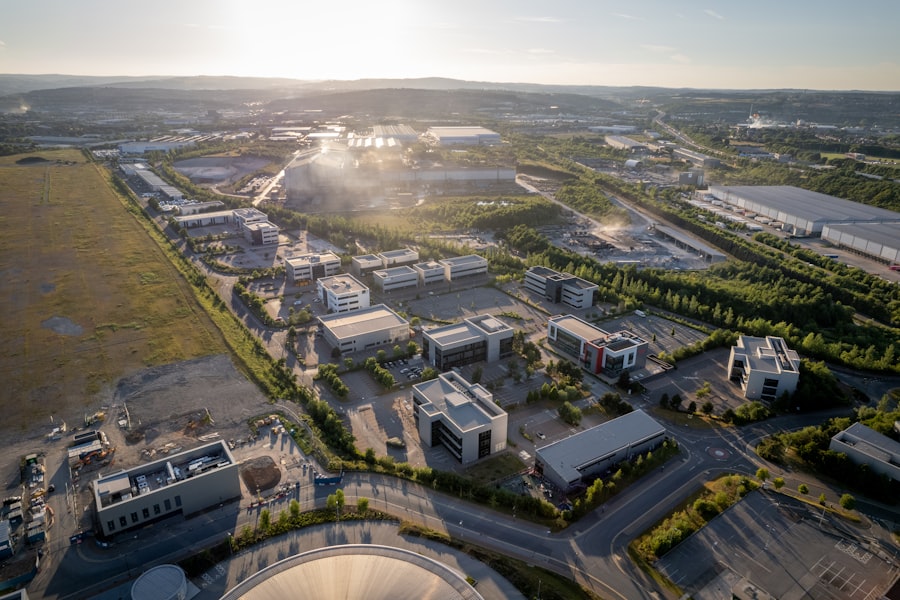
Industrial parks are increasingly moving beyond being mere manufacturing enclaves to become centers of specialized production and integrated value chains. This evolution is driven by a desire to enhance efficiency, foster innovation, and capture higher value within the production process. Clusters of complementary industries can emerge, creating synergistic effects that benefit all participants.
Industry Clusters and Synergies
The co-location of companies within the same or related industries can foster innovation and competition. This clustering effect creates an environment where knowledge sharing is more fluid, specialized suppliers are readily available, and a skilled labor pool develops. When a critical mass of companies in a particular sector is established, it becomes a beacon for further investment and talent. For instance, a burgeoning automotive cluster might attract specialized component manufacturers, design firms, and research institutions, creating a self-reinforcing ecosystem.
Advanced Manufacturing and Technology Adoption
Many expanding industrial parks are actively promoting the adoption of advanced manufacturing technologies, such as automation, robotics, 3D printing, and the Internet of Things (IoT). These parks often provide incentives or shared facilities to encourage businesses to embrace these innovations, thereby boosting productivity and competitiveness. This shift towards “smart manufacturing” is a key feature of many modern industrial park developments across Asia.
Research and Development (R&D) Integration
To move up the value chain, industrial parks are increasingly integrating R&D facilities and encouraging collaboration between industry and academia. This can take the form of dedicated R&D zones, innovation hubs, or partnerships with universities. The goal is to foster a culture of innovation, leading to the development of new products, processes, and intellectual property.
Logistics and Supply Chain Hubs
Many industrial parks are strategically designed as logistics and supply chain hubs. Their proximity to transportation infrastructure, combined with the concentration of manufacturers, makes them ideal locations for distribution centers, warehousing facilities, and third-party logistics providers. This integrated approach optimizes the flow of goods from production to consumption.
Economic Impact and Job Creation
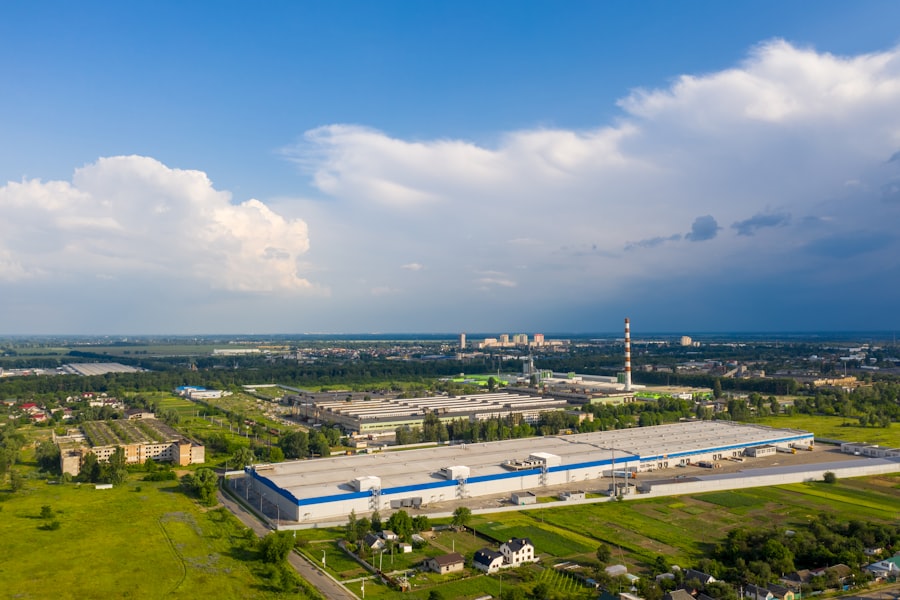
The expansion of industrial parks is directly correlated with significant economic impacts, most notably in the realm of job creation and overall economic output. These parks act as engines of employment, absorbing labor from both urban and rural areas, and contributing to the overall prosperity of the regions in which they are located.
Direct and Indirect Employment Generation
Industrial parks directly create jobs within the factories and companies operating within their boundaries. However, their economic impact extends far beyond these direct positions. The demand for goods and services from these companies generates indirect employment in sectors such as transportation, logistics, food services, and retail. Furthermore, the increased disposable income of workers in these parks stimulates further economic activity in the wider community.
Contribution to Gross Domestic Product (GDP)
The aggregate output of businesses operating within industrial parks contributes significantly to the Gross Domestic Product (GDP) of the host countries. Increased industrial production, coupled with the export of manufactured goods, boosts national economic performance and can lead to improvements in trade balances. The multiplier effect of investment and employment within these parks further amplifies their GDP contributions.
Skills Development and Human Capital Enhancement
The presence of modern industries within industrial parks necessitates the development of a skilled workforce. Companies often invest in training programs to equip their employees with the specialized skills required for advanced manufacturing and technology. This focus on human capital development not only benefits the individual workers but also strengthens the overall skill base of the nation, making it more attractive for future investment.
Regional Development and Poverty Alleviation
Many industrial parks are established in less developed regions, acting as powerful catalysts for regional economic development. They bring much-needed investment, infrastructure, and employment opportunities to areas that may have previously lacked them. This can lead to improved living standards, reduced poverty, and a more equitable distribution of economic benefits across the country.
The expansion of Asian industrial parks is gaining significant attention as countries seek to boost their economies and attract foreign investment. A recent article discusses the strategic importance of these developments and how they are reshaping the manufacturing landscape in the region. For more insights on this topic, you can read the article on the impact of industrial parks on local economies at this link. As nations continue to invest in infrastructure and technology, the potential for growth in various sectors remains promising.
Challenges and Future Directions
| Country | Number of Industrial Parks | Expansion Rate (2020-2024) | Key Industries | Employment Generated | Investment (Billion USD) |
|---|---|---|---|---|---|
| China | 2,500+ | 12% annually | Electronics, Automotive, Textiles | 15 million | 350 |
| India | 1,200+ | 15% annually | Pharmaceuticals, IT, Chemicals | 8 million | 120 |
| Vietnam | 300+ | 18% annually | Electronics, Garments, Machinery | 2 million | 45 |
| South Korea | 150+ | 5% annually | Automotive, Electronics, Shipbuilding | 1.5 million | 60 |
| Malaysia | 200+ | 10% annually | Electronics, Palm Oil Processing, Chemicals | 1 million | 30 |
Despite the successes, the expansion of industrial parks is not without its challenges. Sustainable development, environmental stewardship, and equitable distribution of benefits are increasingly important considerations. The future of industrial park development will likely be shaped by these evolving priorities.
Environmental Sustainability and Green Industrial Parks
As the global focus on climate change intensifies, industrial parks are facing increasing pressure to adopt sustainable practices. This includes minimizing waste, reducing emissions, and conserving energy and water. The concept of “green industrial parks” is gaining traction, incorporating eco-friendly design, renewable energy sources, and robust environmental management systems.
Social Impact and Community Engagement
The establishment and expansion of industrial parks can have profound social impacts on local communities. Ensuring that these developments benefit local populations, through fair labor practices, community investment, and minimizing displacement, is crucial. Meaningful engagement with affected communities is essential to foster a sense of shared progress.
Technological Disruption and Future-Proofing
The rapid pace of technological change means that industrial parks must be adaptable and future-proof. This involves anticipating emerging technologies and ensuring that the infrastructure and regulatory frameworks within the parks can accommodate them. The ability to embrace and integrate new technologies will be a key determinant of long-term success.
Global Economic Shifts and Resilience
The global economic landscape is constantly shifting, influenced by geopolitical events, trade policies, and pandemics. Industrial parks need to be resilient in the face of these disruptions. Diversifying their tenant base, strengthening supply chain linkages, and promoting flexibility in production can help mitigate the impact of global economic volatility. The ability of industrial parks to act as shock absorbers, rather than amplifiers, of global economic tremors will be a defining characteristic of their future.
WATCH THIS 🔴 SHOCKING: Why Germany’s Factory Exodus Is Permanent (Not Temporary)
FAQs
What are Asian industrial parks?
Asian industrial parks are designated zones within Asian countries that provide infrastructure, facilities, and services to support manufacturing, logistics, and other industrial activities. They aim to attract investment, boost economic growth, and create employment opportunities.
Why is there an expansion of industrial parks in Asia?
The expansion is driven by rapid industrialization, increasing foreign direct investment, government initiatives to promote economic development, and the need to enhance manufacturing capabilities and supply chain efficiency in the region.
Which countries in Asia are leading the industrial park expansion?
Countries such as China, India, Vietnam, Indonesia, and Malaysia are among the leaders in expanding industrial parks due to their large markets, strategic locations, and supportive government policies.
What benefits do industrial parks provide to businesses?
Industrial parks offer businesses access to ready-made infrastructure, streamlined regulatory processes, proximity to suppliers and markets, reduced operational costs, and opportunities for collaboration and innovation.
How does the expansion of industrial parks impact the local economy?
The expansion typically leads to job creation, increased foreign investment, technology transfer, improved infrastructure, and overall economic development in the surrounding areas.