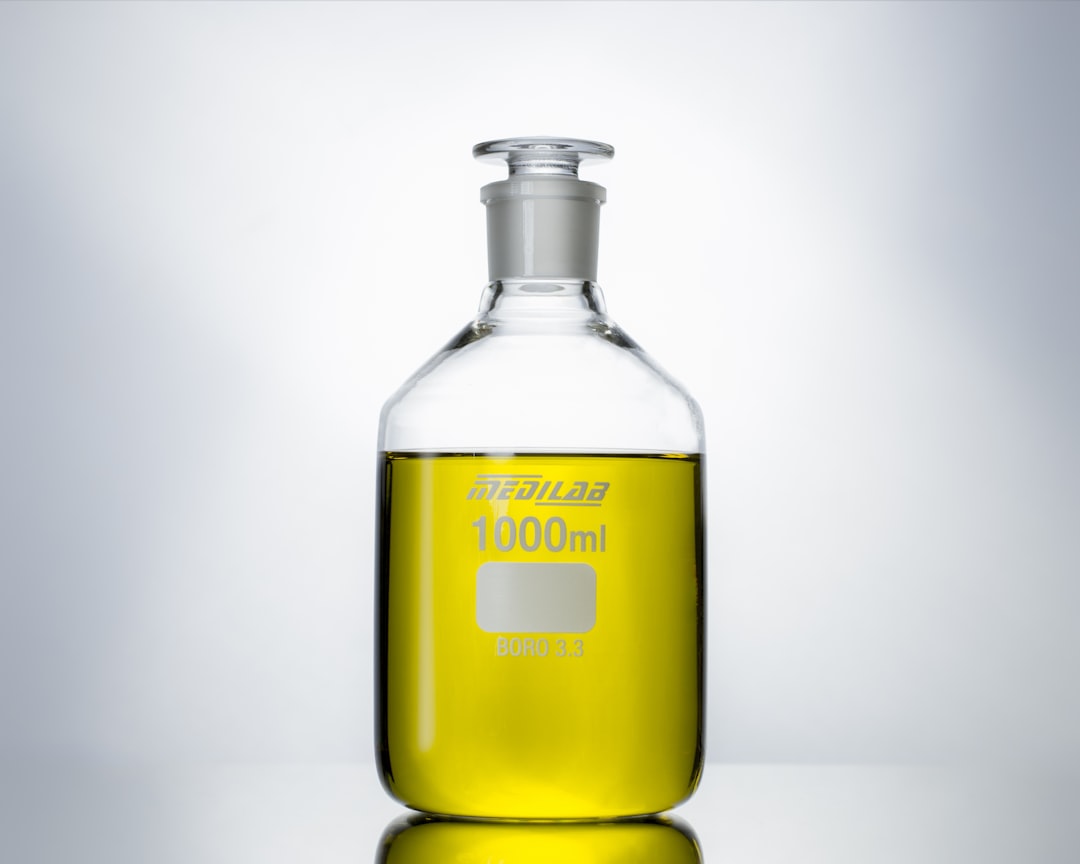
The global demand for lithium-ion batteries is experiencing an unprecedented surge, driven primarily by the transition to electric vehicles (EVs) and the increasing need for grid-scale energy storage solutions. At the heart of these batteries lies lithium hydroxide, a critical component that dictates battery performance, longevity, and safety. Consequently, the expansion of lithium hydroxide refining capacity has become a focal point for governments, corporations, and investors worldwide. This detailed examination delves into the multifaceted aspects of this expansion, offering insights into the market drivers, technological advancements, logistical challenges, environmental implications, and future outlook.
Lithium hydroxide, specifically battery-grade lithium hydroxide monohydrate, is a pivotal material in the manufacturing of high-nickel cathode materials, such as nickel-manganese-cobalt (NMC) and nickel-cobalt-aluminum (NCA) chemistries. These cathode materials are favored for their higher energy density, which translates into extended range for EVs and greater storage capacity for stationary applications. Unlike lithium carbonate, which is primarily used in lower-nickel or lithium iron phosphate (LFP) batteries, lithium hydroxide offers key advantages for advanced battery chemistries.
Chemical Properties and Application Advantages
Lithium hydroxide’s smaller ionic radius allows for a more compact crystal lattice in cathode materials, leading to increased volumetric energy density. Its higher thermal stability compared to lithium carbonate also reduces the risk of thermal runaway, a critical safety concern in high-performance batteries. Furthermore, its direct reaction with nickel precursors in the synthesis of NMC and NCA materials streamlines the manufacturing process, potentially reducing production costs and environmental footprint. This chemical versatility positions lithium hydroxide as the preferred choice for next-generation battery technologies, acting as a lynchpin in the global energy transition.
Market Dynamics and Supply-Demand Imbalance
The escalating demand for lithium hydroxide has created a significant supply deficit, acting as a bottleneck in the broader EV supply chain. Projections indicate that demand will continue to outpace existing and planned production capacity for the foreseeable future. This imbalance is a powerful catalyst for investment in new refining facilities, as major battery manufacturers and automakers race to secure their supply chains. The market is characterized by intense competition among producers and off-take agreements that often span several years, reflecting the strategic importance of this commodity.
As the demand for electric vehicle batteries continues to rise, the refining capacity for lithium hydroxide has become a critical topic in the industry. A related article discusses the challenges and advancements in lithium hydroxide production, highlighting the importance of scaling up refining capabilities to meet future needs. For more insights on this subject, you can read the article at this link.
Technological Pathways for Lithium Hydroxide Production
The production of lithium hydroxide typically involves a multi-stage process that begins with the extraction of lithium from its primary sources – hard rock (spodumene) or brines. While both sources can yield lithium hydroxide, the refining pathways differ significantly. Understanding these technological nuances is crucial for appreciating the complexities and opportunities in capacity expansion.
Spodumene Conversion to Lithium Hydroxide
For hard rock deposits, particularly spodumene, the process begins with mining and crushing the ore. This is followed by a calcination step, where the spodumene is heated to high temperatures to convert it into a more reactive form. The calcined spodumene is then acid-leached, usually with sulfuric acid, to produce lithium sulfate. This lithium sulfate solution undergoes purification to remove impurities, a critical stage to ensure battery-grade purity. Finally, the purified lithium sulfate is reacted with sodium hydroxide (caustic soda) in a crystallization process to yield lithium hydroxide monohydrate. This complex sequence, often referred to as the “sulfate route,” represents a well-established and widely deployed method for lithium hydroxide production. The capital intensity and technological expertise required for this pathway are considerable, making it a significant undertaking for new entrants.
Brine-to-Lithium Hydroxide Route
For lithium extracted from brines, typically found in high-altitude salt flats, the initial stages involve evaporation to concentrate the lithium chloride solution. This concentrated brine then undergoes a series of purification steps to remove other salts like magnesium and calcium. The purified lithium chloride solution can then be converted to lithium hydroxide through an electrochemical process, where lithium chloride is electrolyzed to produce lithium hydroxide and chlorine gas. Alternatively, the lithium chloride can be reacted with sodium carbonate to produce lithium carbonate, which is then further processed into lithium hydroxide. The brine-to-lithium hydroxide route, while potentially offering lower operating costs in some regions dueades to the natural evaporation process, can be more challenging in terms of selectively extracting lithium from complex brines and achieving battery-grade purity without extensive purification steps.
Emerging Technologies and Process Enhancements
Innovation is a constant in the lithium industry. Researchers are actively exploring novel methods to improve efficiency, reduce environmental impact, and lower production costs. Direct Lithium Extraction (DLE) technologies are gaining traction, promising to extract lithium from brines and geothermal waters more selectively and with a smaller environmental footprint compared to traditional evaporation ponds. These DLE methods could potentially reduce the time from extraction to refining, speeding up the overall supply chain. Additionally, advancements in crystallization techniques and impurity removal processes are continuously being developed to enhance the purity and consistency of battery-grade lithium hydroxide, which are paramount for high-performance battery applications. The pursuit of “green” lithium, minimizing water usage and chemical waste, remains a key driver for these technological endeavors.
Global Landscape of Refining Capacity Expansion
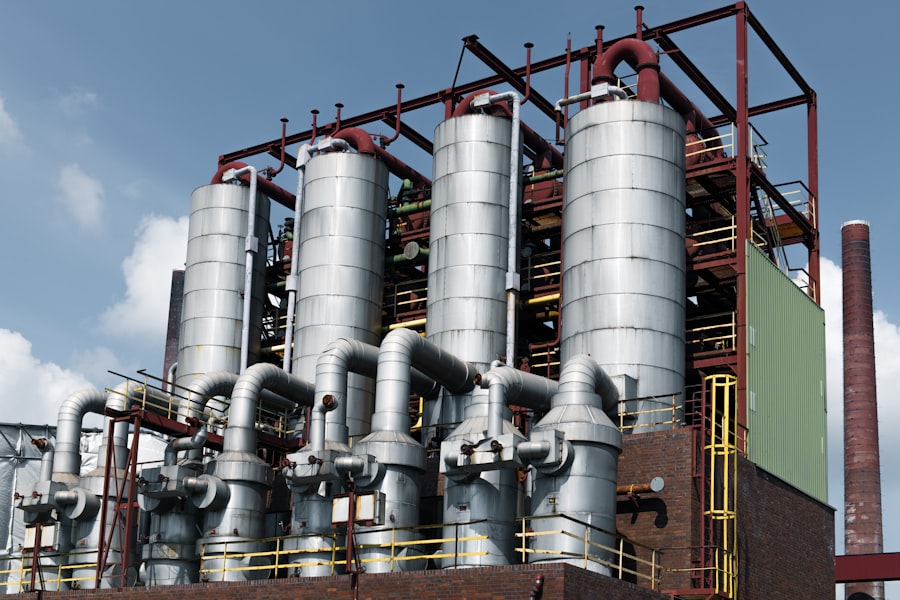
The push to expand lithium hydroxide refining capacity is a global phenomenon, with significant investments and strategic initiatives underway across several continents. Each region presents unique characteristics in terms of resource availability, regulatory environment, and strategic imperatives.
China’s Dominance and Strategic Ambitions
China currently dominates the global lithium refining landscape, processing a substantial majority of the world’s lithium chemicals, including lithium hydroxide. This dominance stems from strategic investments over decades in both refining infrastructure and battery manufacturing capabilities. Chinese companies are actively expanding existing facilities and building new ones, both domestically and abroad, to maintain their foothold in the global EV supply chain. Their strategic ambitions are evident in their investments in lithium mines in Africa and South America, securing raw material supply to feed their refining operations. You, the reader, should recognize that China’s comprehensive approach, integrating mining, refining, and battery production, provides a significant competitive advantage.
Western World’s Drive for Supply Chain Resilience
In response to China’s dominance, Western nations, particularly in North America and Europe, are making concerted efforts to establish independent and resilient lithium supply chains. This includes significant government incentives, grants, and loans aimed at boosting domestic refining capacity. Manufacturers want to avoid being caught in a choke point, and the experience of semiconductor shortages has been a powerful lesson. Companies in these regions are entering into joint ventures with mining companies and battery manufacturers to ensure a seamless flow from raw material to finished product. The emphasis is on “mine-to-cell” strategies, aiming to localize as much of the value chain as possible to mitigate geopolitical risks and reduce transportation costs. This involves not only constructing new refining plants but also investing in the research and development of sustainable and environmentally friendly production methods.
South America and Australia: The Raw Material Hubs
South America (the “lithium triangle” of Argentina, Bolivia, and Chile) and Australia are rich in lithium resources. While traditionally major exporters of raw lithium concentrates (spodumene or lithium carbonate), these regions are increasingly looking to develop their own downstream refining capabilities. This move up the value chain offers significant economic benefits, including job creation and higher revenue from exported refined products. Governments in these countries are exploring policies to encourage domestic value addition, often in partnership with international technology providers. This shift represents a maturation of their resource industries, moving beyond mere extraction to becoming integral players in the global lithium chemicals market.
Addressing Logistical and Infrastructure Challenges

Expanding lithium hydroxide refining capacity is not solely a matter of technological prowess; it also entails navigating a complex web of logistical and infrastructure challenges. The sheer scale of development required demands meticulous planning and execution.
Sourcing Raw Materials and Transportation
The global distribution of lithium resources means that raw materials, whether spodumene concentrate or lithium carbonate, often need to be transported thousands of kilometers to refining facilities. This necessitates robust shipping networks, port infrastructure, and efficient rail or road transport. The increasing volume of materials requires expansions in these logistical arteries, which can be capital-intensive and time-consuming. Furthermore, the secure and uninterrupted supply of raw materials is paramount, and companies are engaging in long-term off-take agreements and vertical integration strategies to de-risk their supply chains. A resilient supply chain is like a well-oiled machine; any single component failing can bring the whole system to a halt.
Energy and Water Requirements
Lithium hydroxide refining processes are energy-intensive, requiring substantial electricity for heating, cooling, and electrochemical reactions. The availability of reliable, affordable, and, increasingly, renewable energy sources is a critical factor in site selection and operational sustainability. Similarly, water is an essential resource in many stages of lithium processing, from mineral concentration to chemical reactions and purification. Regions with limited water resources face additional hurdles, necessitating advancements in water recycling and desalination technologies. You, the reader, should consider that the environmental footprint of lithium production extends beyond the direct chemical reactions to encompass the energy and water consumption of the entire process.
Permitting, Regulatory Hurdles, and Community Engagement
Establishing large-scale industrial facilities like lithium refineries involves navigating a labyrinth of regulatory approvals and environmental permits. These processes can be lengthy and complex, often requiring detailed environmental impact assessments and public consultations. Engaging effectively with local communities is also crucial to gain their social license to operate, addressing concerns related to environmental impact, employment, and local economic benefits. Delays in permitting or community opposition can significantly impact project timelines and costs, turning a smooth path into a bumpy road.
As the demand for electric vehicles continues to rise, the refining capacity for lithium hydroxide has become a critical focus for the industry. Recent developments highlight the need for increased production capabilities to meet the growing market requirements. For a deeper understanding of the challenges and advancements in this sector, you can explore a related article that discusses the implications of lithium hydroxide refining on the supply chain and its impact on battery production. To read more about this topic, visit this insightful article.
Environmental and Social Considerations
| Refinery | Location | Annual Refining Capacity (Metric Tons) | Primary Feedstock | Operational Since | Notes |
|---|---|---|---|---|---|
| Albemarle Kemerton | Australia | 20,000 | Spodumene concentrate | 2019 | Expansion planned to 40,000 MT |
| Ganfeng Lithium Refinery | China | 30,000 | Brine and spodumene | 2018 | One of the largest globally |
| Livent Silver Peak | USA | 15,000 | Brine | 2015 | Oldest lithium brine operation in US |
| SQM Antofagasta | Chile | 25,000 | Brine | 2017 | Integrated with lithium carbonate production |
| POSCO Lithium Refinery | South Korea | 10,000 | Imported spodumene | 2020 | Focus on battery-grade lithium hydroxide |
The expansion of lithium hydroxide refining capacity occurs against a backdrop of increasing environmental scrutiny and calls for responsible sourcing. The industry is under pressure to adopt sustainable practices throughout its value chain.
Minimizing Environmental Footprint
The ecological impact of lithium extraction and refining is a significant concern. Traditional methods, particularly brine evaporation, can lead to substantial water consumption in arid regions and alter local ecosystems. Hard rock mining, like any mining operation, raises concerns about land disturbance, waste rock management, and energy intensity. Refining processes themselves involve the use of various chemicals and can generate wastewater and emissions. The industry is investing in closed-loop systems, advanced wastewater treatment, and air pollution control technologies to mitigate these impacts. The goal is to move towards a circular economy for lithium, where materials are reused and recycled, and the environmental footprint is continuously minimized, much like a meticulous gardener tends to their plot, striving for a healthy and productive ecosystem.
Sustainable Sourcing and Ethical Supply Chains
The increasing demand for lithium has also brought into focus the importance of ethical sourcing and responsible supply chains. Concerns about labor practices, human rights, and the impact on indigenous communities in mining regions are prompting companies to implement robust due diligence frameworks. Certification schemes and traceability initiatives are emerging to assure consumers that the lithium used in their batteries is sourced responsibly. Consumers, like you, are increasingly demanding transparency and accountability from manufacturers, driving a greater emphasis on ESG (Environmental, Social, and Governance) factors throughout the lithium value chain.
The Role of Recycling in Future Supply
While the immediate focus is on expanding primary production, lithium-ion battery recycling is poised to play an increasingly vital role in meeting future demand and mitigating environmental impacts. As millions of EVs reach end-of-life, a significant volume of lithium, nickel, cobalt, and other valuable materials will become available for reclamation. Developing efficient and economically viable recycling technologies for lithium hydroxide, particularly from advanced cathode chemistries, is a key area of research and development. Recycling not only provides a secondary source of lithium but also reduces the need for new mining, conserving natural resources and reducing the overall carbon footprint of the battery industry. It’s a closed-loop future, where today’s battery is tomorrow’s resource.
Future Outlook and Strategic Implications
The trajectory of lithium hydroxide refining capacity expansion is intrinsically linked to the future of the electric vehicle market and global energy storage solutions. Predicting the future is never an exact science, but certain trends and strategic imperatives are clear.
Continued Investment and Consolidation
The capital-intensive nature of lithium refining, coupled with the high demand, will likely lead to continued significant investment from established players and new entrants. We can expect further consolidation in the industry as companies seek economies of scale, secure upstream raw material supply, and build integrated supply chains. Strategic partnerships between mining companies, refiners, and battery manufacturers will be a common theme, reflecting the interconnectedness of the ecosystem. The race to secure lithium hydroxide is a strategic imperative for any nation or corporation aspiring to lead in the electric revolution.
Regionalization of Supply Chains
The geopolitical landscape and the desire for supply chain resilience will drive further regionalization of lithium hydroxide production. While China will likely maintain its significant refining capacity, North America and Europe are determined to build out their own significant capacities to reduce dependence and bolster their domestic manufacturing sectors. This regionalization may lead to higher localized costs in some instances but is deemed a necessary step for national security and economic stability. This decentralization acts as a buffer against unforeseen disruptions, strengthening the overall global supply network.
Innovation in Sustainable Production
The pressure to produce “green” lithium hydroxide will intensify. This will fuel further innovation in extraction methods, energy efficiency, and waste management. Companies that can demonstrate superior environmental performance will likely gain a competitive advantage and attract ethical investment. The industry’s evolution will hinge not only on increasing output but also on reducing its ecological footprint, shifting from a resource-intensive model to a more sustainable paradigm.
The expansion of lithium hydroxide refining capacity is a monumental undertaking, a complex dance of technology, economics, logistics, and environmental stewardship. It is a testament to humanity’s drive to transition towards a cleaner energy future, but it is a journey laced with challenges. You, the astute reader, now understand that the success of this expansion will not only determine the pace of EV adoption but also shape the geopolitical landscape of global resource management in the decades to come. The refineries, in essence, are the alchemists’ workshops of the 21st century, transforming raw earth into the fuel of the future.
FAQs
What is lithium hydroxide refining capacity?
Lithium hydroxide refining capacity refers to the total volume of lithium hydroxide that a processing facility can produce within a specific period, usually measured annually. It indicates the scale at which lithium hydroxide is processed and refined from raw materials.
Why is lithium hydroxide refining capacity important?
Refining capacity is crucial because it determines the supply availability of lithium hydroxide, a key component in lithium-ion batteries used in electric vehicles and energy storage. Higher refining capacity helps meet growing demand and stabilize market prices.
What factors influence lithium hydroxide refining capacity?
Several factors affect refining capacity, including the size and technology of the processing plant, availability of raw materials like spodumene or lithium brine, operational efficiency, and investment in infrastructure and equipment upgrades.
How does lithium hydroxide refining capacity impact the battery industry?
The battery industry relies heavily on lithium hydroxide for cathode materials. Adequate refining capacity ensures a steady supply of high-purity lithium hydroxide, supporting battery production and the expansion of electric vehicle manufacturing.
Which regions are leading in lithium hydroxide refining capacity?
Regions with significant lithium resources and processing infrastructure, such as Australia, China, and South America (notably Argentina and Chile), are leading in lithium hydroxide refining capacity. These areas have invested heavily in refining technologies to meet global demand.