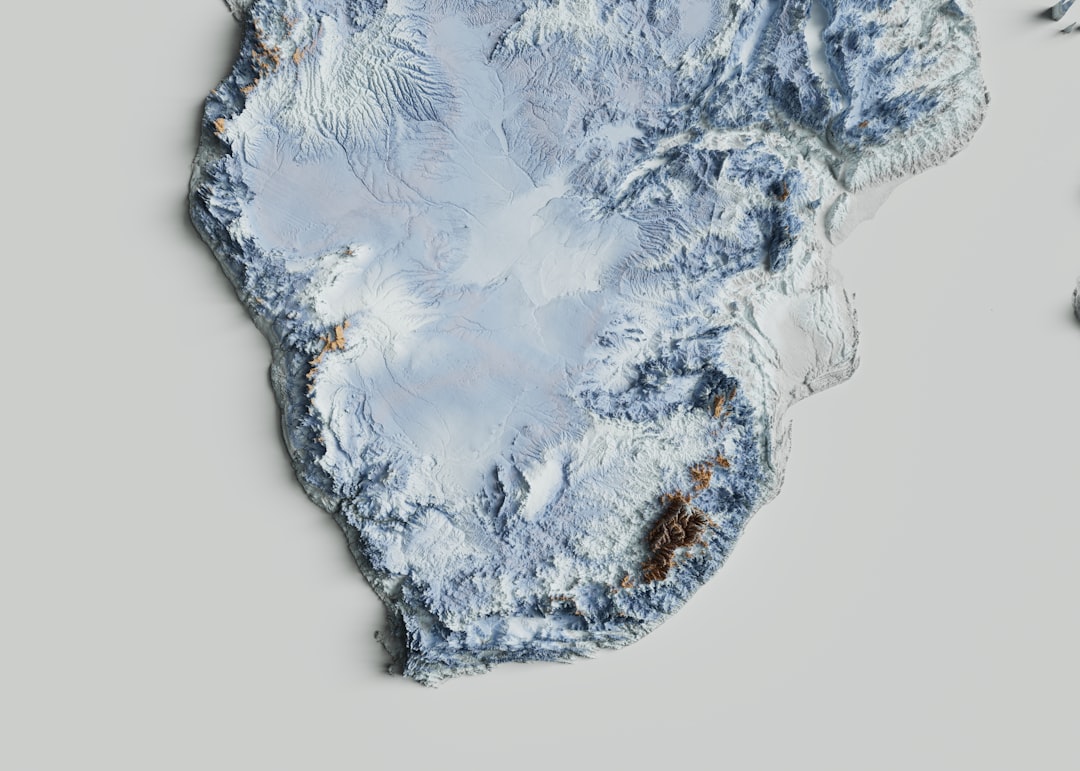
The early voyages to Antarctica were marked by a blend of curiosity, ambition, and the spirit of exploration that characterized the Age of Discovery. Long before the continent was officially recognized, seafarers and explorers were drawn to the icy waters surrounding it, driven by tales of uncharted territories and the promise of new discoveries. The southern seas were often treacherous, with unpredictable weather and formidable icebergs posing significant challenges to those who dared to venture into these frigid realms.
Despite these dangers, the allure of the unknown beckoned many, setting the stage for future expeditions that would ultimately lead to the discovery of Antarctica. Among the earliest navigators were those who sailed in search of new trade routes and resources. The southern ocean was a vast expanse that held secrets waiting to be uncovered.
Explorers like Ferdinand Magellan and later, the Dutch navigator Abel Tasman, ventured into these waters, laying the groundwork for future expeditions. Their journeys, while not directly aimed at discovering Antarctica, contributed to a growing understanding of the southern hemisphere and its geographical complexities. These early voyages were crucial in shaping the narrative of Antarctic exploration, as they ignited a passion for discovery that would culminate in the eventual sighting of the continent itself.
Key Takeaways
- The early voyages to Antarctica laid the foundation for the exploration of the continent.
- Captain James Cook’s discovery of Antarctica marked a significant milestone in the exploration of the region.
- Fabian Gottlieb von Bellingshausen led the first landing on Antarctica, furthering the understanding of the continent.
- Nathaniel Palmer and Edward Bransfield’s exploration of the Antarctic Peninsula contributed to the mapping of the region.
- James Weddell’s first circumnavigation of Antarctica expanded knowledge of the continent’s geography and environment.
The Discovery of Antarctica by Captain James Cook
Captain James Cook is often credited with laying the foundation for the discovery of Antarctica through his meticulous voyages in the late 18th century. His expeditions were characterized by a commitment to scientific inquiry and a desire to chart unknown territories. Cook’s first voyage, which took place from 1768 to 1771, was primarily focused on observing the transit of Venus across the sun, but it also led him to explore the southern oceans extensively.
During this journey, he ventured further south than any previous explorer, reaching latitudes that hinted at the existence of a vast landmass. Cook’s second voyage (1772-1775) was particularly significant in the context of Antarctic exploration. He sailed further south than ever before, crossing the Antarctic Circle and providing valuable insights into the geography and climate of the region.
Although he did not sight the continent itself, his detailed maps and observations laid the groundwork for future explorers. Cook’s insistence on thorough documentation and scientific observation set a precedent for subsequent expeditions, emphasizing the importance of understanding the environment as well as the geography of this remote part of the world.
The First Landing on Antarctica by Fabian Gottlieb von Bellingshausen
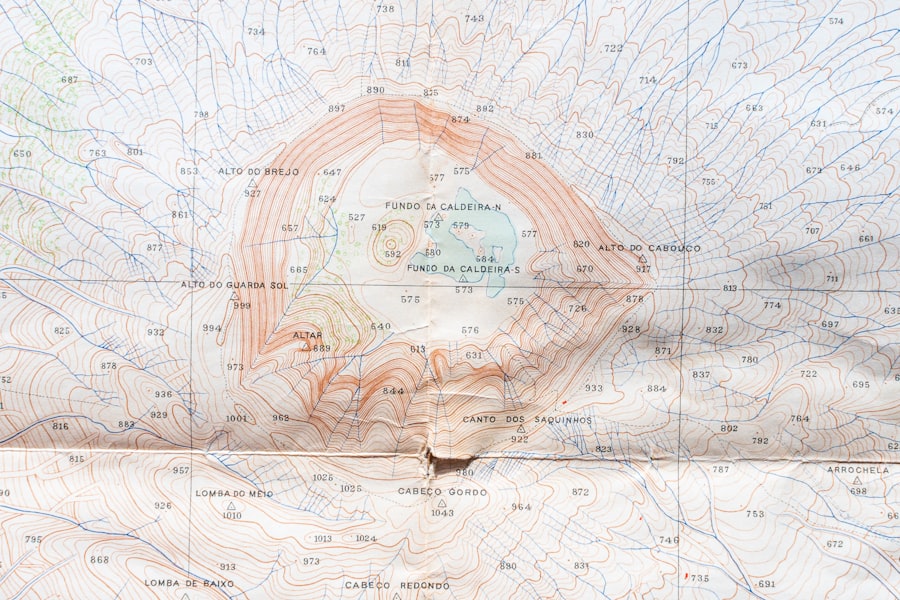
The first recorded landing on Antarctica is attributed to Fabian Gottlieb von Bellingshausen, a Russian explorer whose expedition in 1820 marked a significant milestone in Antarctic history. Bellingshausen’s journey was part of a broader Russian effort to explore the southern seas, and he commanded two ships, Vostok and Mirny, on this ambitious voyage. His expedition was notable not only for its achievements in navigation but also for its scientific contributions, as it included naturalists and cartographers who meticulously documented their findings.
On January 27, 1820, Bellingshausen and his crew made landfall on an island off the coast of Antarctica, which they named Alexander I Land. This momentous occasion marked humanity’s first physical contact with the Antarctic continent. The landing was not without its challenges; harsh weather conditions and treacherous ice made exploration difficult.
Nevertheless, Bellingshausen’s expedition provided invaluable information about the region’s geography and wildlife, paving the way for future explorations and solidifying his place in history as one of Antarctica’s early pioneers.
The Exploration of the Antarctic Peninsula by Nathaniel Palmer and Edward Bransfield
| Expedition | Exploration of the Antarctic Peninsula |
|---|---|
| Explorers | Nathaniel Palmer and Edward Bransfield |
| Year | 1820 |
| Significance | First confirmed sighting of the Antarctic continent |
| Discoveries | Several Antarctic islands and the Antarctic Peninsula |
The Antarctic Peninsula became a focal point for exploration in the early 19th century, with Nathaniel Palmer and Edward Bransfield playing pivotal roles in its discovery and mapping. Nathaniel Palmer, an American seal hunter, is often credited with being one of the first Americans to set foot on the Antarctic continent. In 1820, during a sealing voyage, he encountered the peninsula and documented his findings with great enthusiasm.
His observations contributed significantly to the understanding of this region’s geography and ecology. Edward Bransfield, a British naval officer, followed closely behind Palmer in his explorations. In 1820, he undertook a mission to chart the waters around the Antarctic Peninsula and is credited with discovering several islands in the area.
Bransfield’s meticulous mapping efforts provided crucial information about the coastline and helped establish a clearer picture of Antarctica’s geography. Together, Palmer and Bransfield’s explorations not only expanded knowledge about the Antarctic Peninsula but also ignited interest in further expeditions to this remote part of the world.
The First Circumnavigation of Antarctica by James Weddell
James Weddell’s expedition in 1823 marked a remarkable achievement in Antarctic exploration: he became the first person to circumnavigate Antarctica. Commanding the ship Jane, Weddell set out with a crew determined to explore uncharted waters. His journey took him deep into the southern ocean, where he encountered vast expanses of ice and formidable weather conditions that tested both his ship and crew.
Weddell’s expedition was notable not only for its navigational success but also for its scientific contributions. He meticulously recorded observations about ocean currents, ice formations, and wildlife encountered during his journey. His detailed accounts provided valuable insights into the region’s ecology and geography.
The Weddell Sea, named in his honor, remains a significant area of study for scientists today. Weddell’s circumnavigation solidified his legacy as one of Antarctica’s early explorers and demonstrated the potential for further exploration in this remote region.
The First Wintering on Antarctica by John Davis
John Davis’s expedition in 1821 marked a significant milestone as he became the first person to winter over in Antarctica. Davis was an American sealer who sought refuge from harsh weather conditions during his sealing voyages. His decision to remain on land during the winter months allowed him to experience firsthand the challenges posed by extreme cold and isolation.
Davis’s wintering experience provided invaluable insights into survival in such an inhospitable environment. He established a temporary camp on what is now known as Davis Island and documented his experiences through journals that detailed daily life in Antarctica. His accounts shed light on both the physical challenges faced by early explorers and their resilience in adapting to such extreme conditions.
Davis’s wintering marked a turning point in Antarctic exploration, as it demonstrated that human presence could endure even in one of Earth’s most unforgiving climates.
The First Sighting of the Antarctic Continent by Thaddeus Bellingshausen
Thaddeus Bellingshausen’s contributions to Antarctic exploration are often overshadowed by those of his compatriot Fabian Gottlieb von Bellingshausen; however, his achievements are equally significant. In January 1820, Bellingshausen made history by being among the first to sight the actual Antarctic continent itself during his expedition aboard Vostok. This momentous occasion marked a turning point in human understanding of Earth’s geography.
Bellingshausen’s sighting was not merely an act of discovery; it was also a testament to his navigational skills and determination. He meticulously documented his observations, providing valuable information about ice formations and coastal features that would inform future explorations. His commitment to scientific inquiry laid a foundation for subsequent expeditions that sought to further understand this remote region.
Bellingshausen’s legacy endures as one of the key figures in Antarctic exploration, whose contributions helped shape humanity’s understanding of this enigmatic continent.
The Exploration of the Ross Sea by James Clark Ross
James Clark Ross played a pivotal role in exploring one of Antarctica’s most significant regions: the Ross Sea. In 1839, he embarked on an expedition that would lead him to uncover some of Antarctica’s most remarkable features, including what is now known as Ross Island and Mount Erebus, an active volcano that remains one of Antarctica’s most iconic landmarks. Ross’s expedition was characterized by meticulous planning and scientific rigor.
He conducted extensive surveys of the coastline and collected valuable data on ice formations and wildlife in the region. His discoveries contributed significantly to cartographic knowledge of Antarctica and provided insights into its geological features. The Ross Sea remains an area of great interest for scientists today due to its unique ecosystems and ongoing research into climate change impacts.
The First Ascent of Antarctica’s Highest Peak by James Clark Ross
James Clark Ross’s contributions extended beyond exploration; he also achieved a remarkable feat by leading the first ascent of Antarctica’s highest peak: Mount Vinson. Although this ascent occurred much later than his initial explorations in the Ross Sea, it underscored Ross’s enduring legacy as an explorer committed to pushing boundaries. The ascent itself presented numerous challenges due to extreme weather conditions and treacherous terrain.
However, Ross’s determination and leadership inspired his team to overcome these obstacles. The successful ascent not only marked a significant achievement in mountaineering but also highlighted humanity’s ability to conquer even the most formidable landscapes on Earth.
The Search for the South Magnetic Pole by James Clark Ross
James Clark Ross’s explorations were not limited to geographical discoveries; he also made significant contributions to our understanding of Earth’s magnetic fields through his search for the South Magnetic Pole. In 1840, Ross embarked on an expedition aimed at locating this elusive point where magnetic forces converge. His journey took him deep into uncharted territories where he faced numerous challenges posed by harsh weather conditions and unpredictable ice formations.
Despite these obstacles, Ross successfully located what he believed to be close to the South Magnetic Pole during his explorations. His findings contributed significantly to scientific knowledge about magnetism and its relationship with Earth’s geography.
The Legacy of Early Antarctic Explorers
The legacy left behind by early Antarctic explorers is profound and far-reaching. Their courage, determination, and commitment to scientific inquiry laid the groundwork for future generations seeking to understand this remote continent better. From Captain James Cook’s pioneering voyages that expanded geographical knowledge to James Clark Ross’s meticulous surveys that revealed Antarctica’s unique features, each explorer contributed uniquely to humanity’s understanding of this icy realm.
The stories of survival against extreme conditions inspire contemporary explorers and scientists who continue to study Antarctica’s ecosystems and climate change impacts today. As research efforts expand into this fragile environment, it is essential to honor those who paved the way for modern exploration while recognizing their contributions as foundational elements in our ongoing quest for knowledge about one of Earth’s last frontiers.
In exploring the intriguing question of who might have mapped Antarctica before 1820, one might find it fascinating to delve into the broader context of historical cartography and the mysteries surrounding ancient maps. An article that complements this topic can be found on Real Lore and Order, which delves into various historical enigmas and the evolution of map-making. For those interested in uncovering more about the mysteries of ancient maps and their potential implications on our understanding of history, you can read a related article by visiting this page. This resource provides a deeper insight into the fascinating world of historical maps and the stories they might tell about our past.
WATCH THIS 🧊The US Military Confirmed It: What’s REALLY Under the Antarctic Ice?
FAQs
Who were the first explorers to map Antarctica before 1820?
The first explorers to map Antarctica before 1820 were James Cook, Fabian Gottlieb von Bellingshausen, and Edward Bransfield.
When did James Cook map Antarctica?
James Cook did not actually map Antarctica, but he was the first to cross the Antarctic Circle in 1773.
Who was Fabian Gottlieb von Bellingshausen?
Fabian Gottlieb von Bellingshausen was a Russian naval officer who led the first expedition to circumnavigate Antarctica and map parts of the continent in 1819-1821.
Who was Edward Bransfield?
Edward Bransfield was a British naval officer who is credited with making the first confirmed sighting of the Antarctic mainland in 1820 and mapping parts of the coast.