
In recent years, the BRICS nations—Brazil, Russia, India, China, and South Africa—have emerged as significant players in the global economy. As these countries continue to develop, their financial systems are undergoing a transformation, particularly in the realm of payment processing. Alternative payment rails have gained traction as innovative solutions that promise to enhance transaction efficiency, reduce costs, and improve accessibility for consumers and businesses alike.
This shift is not merely a response to technological advancements; it reflects a broader trend towards financial inclusion and economic empowerment within these diverse nations. The concept of alternative payment rails encompasses a variety of non-traditional payment methods that operate alongside or in place of conventional banking systems. These include mobile wallets, peer-to-peer payment platforms, and blockchain-based solutions.
As BRICS countries grapple with unique economic challenges and opportunities, the adoption of these alternative payment systems is becoming increasingly vital. By leveraging technology to create more efficient payment infrastructures, BRICS nations can foster economic growth and enhance their positions in the global marketplace.
Key Takeaways
- Alternative payment rails are transforming the payment infrastructure across BRICS countries by offering faster, more inclusive financial services.
- Fintech innovations play a crucial role in developing and scaling alternative payment solutions within BRICS.
- These new payment systems significantly enhance financial inclusion by reaching underserved populations in BRICS nations.
- Regulatory environments present both challenges and opportunities for the growth of alternative payment rails in the region.
- Blockchain and cryptocurrencies are increasingly integrated into BRICS payment solutions, enabling efficient cross-border transactions.
Understanding the Current Payment Infrastructure in BRICS Countries
The existing payment infrastructure in BRICS countries is characterized by a mix of traditional banking systems and emerging digital solutions. In many cases, these nations have inherited legacy systems that are often slow, costly, and inefficient. For instance, Brazil’s banking sector is dominated by a few large institutions that control a significant share of the market, leading to high transaction fees and limited access for smaller players.
Similarly, India’s payment landscape has been shaped by a combination of government initiatives and private sector innovations, yet challenges remain in terms of interoperability and user adoption. In contrast, China has made remarkable strides in developing a robust digital payment ecosystem, primarily driven by mobile payment platforms like Alipay and WeChat Pay. These platforms have revolutionized how consumers transact, allowing for seamless payments through smartphones.
However, even in China, there are concerns about data privacy and regulatory oversight. South Africa’s payment infrastructure is also evolving, with initiatives aimed at enhancing financial inclusion through mobile banking and digital wallets. Despite these advancements, the overall landscape remains fragmented across the BRICS nations, highlighting the need for cohesive strategies to integrate alternative payment rails effectively.
The Rise of Alternative Payment Rails in BRICS

The rise of alternative payment rails in BRICS countries can be attributed to several factors, including technological advancements, changing consumer preferences, and the need for greater financial inclusion. As smartphone penetration increases and internet access expands, more individuals are turning to digital payment solutions that offer convenience and speed. This shift is particularly evident among younger populations who are more inclined to embrace technology-driven financial services.
Moreover, the COVID-19 pandemic accelerated the adoption of alternative payment methods as consumers sought contactless solutions to minimize health risks. Businesses across various sectors adapted quickly to this new reality by integrating digital payment options into their operations. As a result, alternative payment rails have gained significant traction in BRICS countries, with an increasing number of startups and established companies entering the market to offer innovative solutions tailored to local needs.
Exploring the Role of Fintech in Alternative Payment Rails
Fintech companies play a pivotal role in the development and proliferation of alternative payment rails within BRICS nations. These agile firms leverage technology to create user-friendly platforms that simplify transactions and enhance customer experiences. By focusing on innovation and customer-centric solutions, fintechs are challenging traditional banking models and driving competition in the financial services sector.
In India, for example, fintech startups have emerged as key players in the digital payments landscape, offering services such as mobile wallets and instant money transfers. These companies have not only improved access to financial services but have also contributed to the overall growth of the economy by enabling small businesses to thrive. Similarly, in Brazil, fintech firms are addressing the needs of underserved populations by providing affordable and accessible payment solutions that empower individuals to participate in the formal economy.
The Impact of Alternative Payment Rails on Financial Inclusion in BRICS
| Country | Popular Alternative Payment Rails | Transaction Volume (2023) | Average Transaction Value | Key Features | Regulatory Environment |
|---|---|---|---|---|---|
| Brazil | PIX, Boleto Bancário | Over 10 billion transactions | Medium | Instant payments, QR code enabled | Strong regulation, Central Bank oversight |
| Russia | Mir Pay, Faster Payments System (FPS) | Approx. 5 billion transactions | Medium to High | Domestic card scheme, real-time payments | Government controlled, strict compliance |
| India | UPI, Bharat QR | Over 50 billion transactions | Low to Medium | Instant payments, interoperable, mobile-first | Progressive regulation, RBI oversight |
| China | Alipay, WeChat Pay | Over 100 billion transactions | Low to Medium | Mobile wallet, QR code payments, social integration | Strict government regulation, data privacy laws |
| South Africa | SnapScan, Zapper | Approx. 500 million transactions | Low to Medium | Mobile QR payments, merchant-focused | Moderate regulation, financial sector oversight |
One of the most significant impacts of alternative payment rails in BRICS countries is their potential to enhance financial inclusion. Many individuals in these nations remain unbanked or underbanked due to various barriers such as high fees, lack of access to physical banking infrastructure, or limited financial literacy. Alternative payment solutions offer a pathway for these individuals to engage with financial services more easily.
For instance, mobile wallets and peer-to-peer payment platforms enable users to conduct transactions without needing a traditional bank account. This democratization of financial services allows marginalized communities to access essential resources such as credit, savings accounts, and insurance products. In South Africa, initiatives aimed at promoting mobile banking have shown promising results in reaching rural populations that previously lacked access to banking facilities.
By bridging the gap between formal financial systems and underserved communities, alternative payment rails are fostering greater economic participation and empowerment.
Regulatory Challenges and Opportunities for Alternative Payment Rails in BRICS
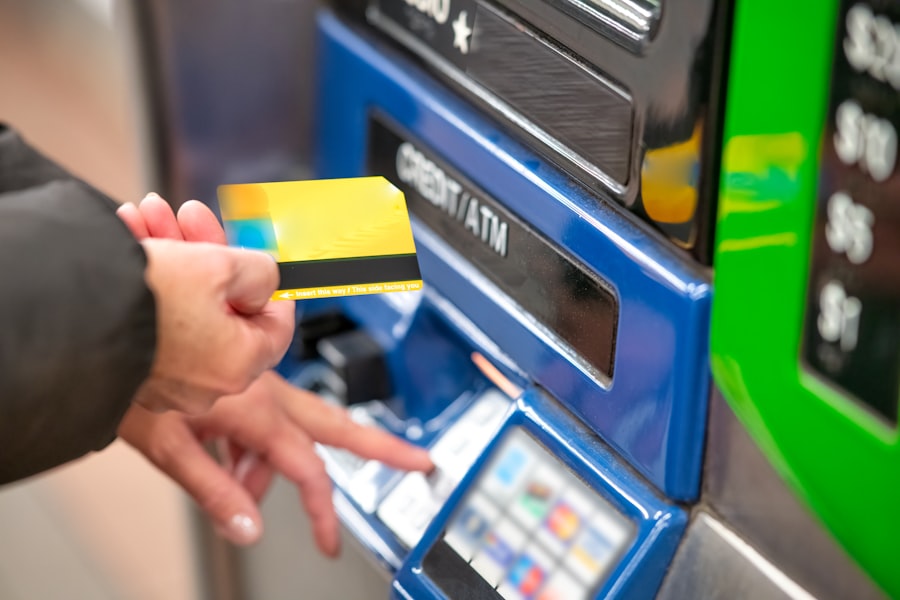
While the rise of alternative payment rails presents numerous opportunities for innovation and growth, it also poses regulatory challenges that must be addressed.
In many BRICS countries, regulators are grappling with how to strike a balance between fostering innovation and ensuring a safe and secure financial environment.
For example, India has implemented measures such as the Unified Payments Interface (UPI) to facilitate digital transactions while maintaining oversight over the sector. However, regulatory uncertainty remains a concern for many fintech companies operating in the region. Similarly, Brazil’s Central Bank has introduced regulations aimed at promoting competition among payment providers but faces challenges in ensuring compliance across diverse market players.
As BRICS nations navigate these complexities, there is an opportunity for collaboration between regulators and fintech firms to create frameworks that support innovation while safeguarding consumer interests.
Case Studies of Successful Alternative Payment Rails in BRICS Countries
Several case studies illustrate the successful implementation of alternative payment rails within BRICS countries. In China, Alipay has transformed the way consumers engage with financial services by offering a comprehensive platform that integrates payments with other functionalities such as credit scoring and investment options. This holistic approach has not only enhanced user experience but has also contributed to increased financial literacy among consumers.
In Brazil, Nubank has emerged as a leading fintech player by providing digital banking services that cater to underserved populations. By eliminating traditional banking fees and offering user-friendly mobile applications, Nubank has attracted millions of customers who previously lacked access to formal banking services. These case studies highlight how innovative approaches to payment processing can drive financial inclusion and reshape the economic landscape within BRICS nations.
The Role of Blockchain and Cryptocurrencies in Alternative Payment Rails
Blockchain technology and cryptocurrencies are increasingly being recognized as transformative forces within alternative payment rails across BRICS countries. The decentralized nature of blockchain allows for secure and transparent transactions without the need for intermediaries, making it an attractive option for both consumers and businesses. In Russia, for instance, blockchain initiatives are being explored to enhance cross-border payments and reduce transaction costs.
Cryptocurrencies also present opportunities for financial inclusion by providing individuals with access to digital assets without relying on traditional banking systems. In India, there is growing interest in cryptocurrencies as a means of facilitating remittances and cross-border transactions. However, regulatory uncertainty surrounding cryptocurrencies poses challenges that must be addressed to fully realize their potential within alternative payment rails.
Cross-Border Payment Solutions in the BRICS Framework
Cross-border payments represent a significant area of focus for alternative payment rails within the BRICS framework. As trade relationships among these nations strengthen, there is an increasing demand for efficient cross-border transaction solutions that can facilitate commerce while minimizing costs. Traditional methods often involve lengthy processing times and high fees; however, alternative payment rails offer innovative approaches that can streamline these processes.
For example, initiatives such as the BRICS Pay project aim to create a unified platform for cross-border payments among member countries. By leveraging technology to enhance interoperability between different payment systems, this initiative seeks to simplify transactions while promoting economic cooperation among BRICS nations. As cross-border trade continues to grow, the development of efficient payment solutions will be crucial for fostering economic integration within this diverse group of countries.
The Future of Alternative Payment Rails in BRICS
The future of alternative payment rails in BRICS countries appears promising as technological advancements continue to reshape the financial landscape. With increasing smartphone penetration and internet access, more individuals are likely to adopt digital payment solutions that offer convenience and efficiency. Additionally, as fintech companies innovate and expand their offerings, competition will drive further improvements in service quality and accessibility.
However, challenges remain on the horizon. Regulatory frameworks must evolve to keep pace with technological changes while ensuring consumer protection and financial stability.
Embracing Innovation in Payment Systems in BRICS
In conclusion, alternative payment rails represent a transformative force within the financial ecosystems of BRICS countries. By embracing innovation and leveraging technology, these nations can enhance transaction efficiency, promote financial inclusion, and foster economic growth. While challenges exist—particularly regarding regulation—there is significant potential for collaboration among stakeholders to create robust frameworks that support sustainable development.
As BRICS nations continue to navigate their unique economic landscapes, the adoption of alternative payment solutions will play a crucial role in shaping their futures. By prioritizing innovation and inclusivity within their financial systems, these countries can position themselves as leaders in the global economy while empowering their citizens through improved access to essential financial services.
In recent discussions about alternative payment rails, the BRICS nations have been exploring innovative financial systems to enhance trade and economic cooperation. A related article that delves into the implications of these developments can be found at Real Lore and Order, where the potential impact of BRICS on global payment systems is analyzed in detail. This exploration highlights how these nations are positioning themselves to create a more interconnected and resilient financial landscape.
WATCH THIS! 🚨 The Secret Deal That Will Break America
FAQs
What are alternative payment rails?
Alternative payment rails refer to non-traditional systems and networks used to transfer money and process payments, bypassing conventional banking and card networks. These can include blockchain-based platforms, mobile money services, and regional payment systems.
What is the significance of alternative payment rails for BRICS countries?
For BRICS countries (Brazil, Russia, India, China, and South Africa), alternative payment rails offer opportunities to reduce reliance on Western-dominated financial systems, lower transaction costs, increase payment speed, and enhance financial inclusion within and between member countries.
How do alternative payment rails differ from traditional payment systems?
Traditional payment systems often rely on centralized banks and card networks like SWIFT, Visa, or Mastercard. Alternative payment rails may use decentralized technologies, local clearinghouses, or digital currencies, enabling faster, cheaper, and sometimes more secure transactions.
Are there any existing alternative payment systems used by BRICS nations?
Yes, examples include China’s Cross-Border Interbank Payment System (CIPS), India’s Unified Payments Interface (UPI), and Russia’s System for Transfer of Financial Messages (SPFS). These systems aim to facilitate domestic and international payments within the BRICS framework.
What are the potential benefits of adopting alternative payment rails in BRICS?
Benefits include enhanced economic sovereignty, reduced dependency on the US dollar and Western financial infrastructure, improved cross-border trade efficiency, increased financial inclusion, and the promotion of regional economic integration.
What challenges do BRICS countries face in implementing alternative payment rails?
Challenges include technological interoperability, regulatory alignment, cybersecurity risks, political coordination among member countries, and ensuring widespread adoption by businesses and consumers.
Can alternative payment rails impact global financial systems?
Yes, widespread adoption of alternative payment rails by BRICS could shift global payment dynamics by reducing the dominance of traditional Western payment networks and the US dollar, potentially leading to a more multipolar financial system.
Are cryptocurrencies considered part of alternative payment rails in BRICS?
Cryptocurrencies and blockchain technologies are often included under the umbrella of alternative payment rails, as they offer decentralized and borderless payment options. Some BRICS countries are exploring or regulating digital currencies to complement their payment infrastructures.
How do alternative payment rails affect cross-border trade among BRICS countries?
They can streamline cross-border transactions by reducing costs, shortening settlement times, and minimizing currency exchange complexities, thereby facilitating smoother trade and investment flows within the BRICS bloc.
What role do governments play in the development of alternative payment rails in BRICS?
Governments are key drivers in developing and regulating alternative payment systems, ensuring security, compliance with financial laws, and fostering cooperation among member countries to create interoperable and efficient payment networks.