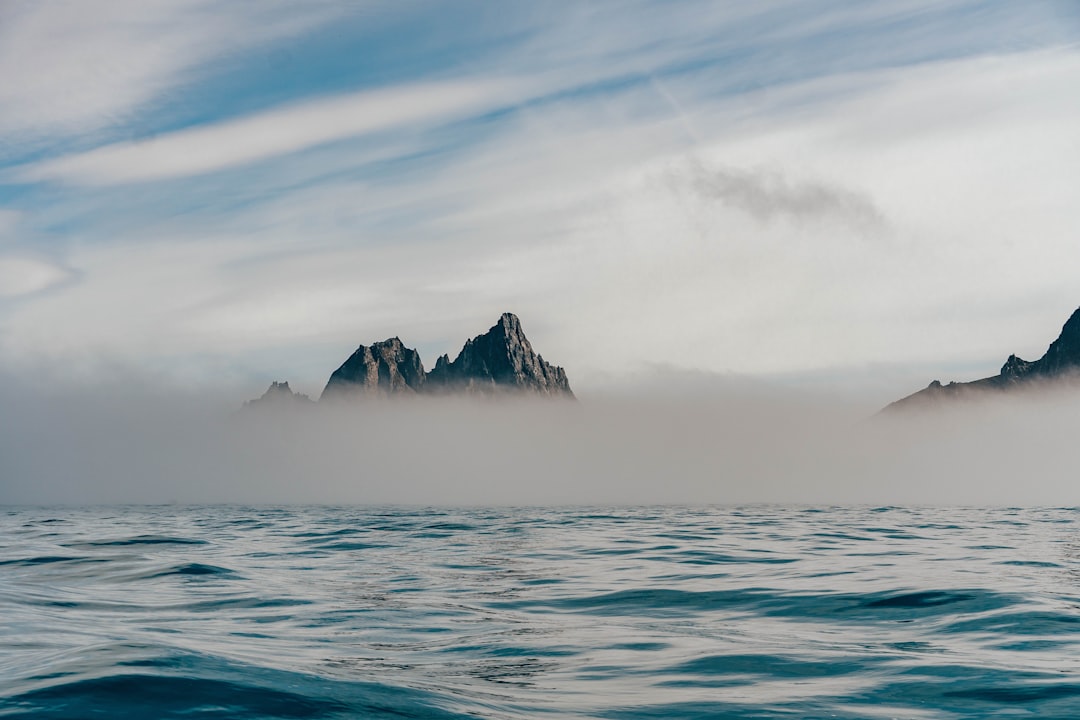
Antarctica, often referred to as the last great wilderness on Earth, is a land of extremes, characterized by its vast ice sheets and frigid temperatures. However, beneath the icy veneer lies a hidden coastline that remains largely unexplored and shrouded in mystery. This coastline, stretching over 18,000 kilometers, is not only a geographical marvel but also a crucial component of the global climate system.
The unique features of this remote region, including its icebergs, glaciers, and rugged cliffs, create a stunning yet harsh environment that has captivated scientists and adventurers alike. The hidden coastline of Antarctica is not merely a boundary of ice; it is a dynamic landscape that plays a significant role in the Earth’s ecological balance. The interplay between land and sea in this region influences ocean currents and weather patterns far beyond its shores.
The allure of Antarctica’s hidden coastline lies not only in its breathtaking beauty but also in the wealth of knowledge it holds about our planet’s past and future.
Key Takeaways
- Antarctica’s hidden coastline is a remote and largely unexplored region that holds great scientific and historical significance.
- Exploring Antarctica’s remote coastline is important for understanding its unique wildlife, ecosystems, and the impact of climate change.
- Navigating Antarctica’s hidden coastline presents numerous challenges, including treacherous ice conditions and extreme weather.
- The coastline is home to a diverse range of wildlife and ecosystems, including penguins, seals, and unique marine life.
- The historical significance of Antarctica’s hidden coastline is tied to early exploration and the quest for scientific knowledge.
The Importance of Exploring Antarctica’s Remote Coastline
Exploring Antarctica’s remote coastline is essential for several reasons, primarily due to its implications for climate science and marine biology. The coastline serves as a critical indicator of climate change, with melting glaciers and shifting ice shelves providing tangible evidence of global warming. By studying these changes, scientists can gain insights into the broader impacts of climate change on sea levels and oceanic ecosystems.
Understanding the dynamics of this region is vital for predicting future environmental shifts that could affect millions of people worldwide. Moreover, the hidden coastline is home to unique marine ecosystems that are still largely uncharted. The waters surrounding Antarctica are rich in nutrients, supporting diverse species ranging from krill to seals and penguins.
These ecosystems are not only fascinating in their own right but also play a crucial role in the global food web. By exploring these remote areas, researchers can gather valuable data on species interactions, population dynamics, and the overall health of marine environments. This knowledge is essential for developing effective conservation strategies and ensuring the sustainability of these fragile ecosystems.
The Challenges of Navigating Antarctica’s Hidden Coastline
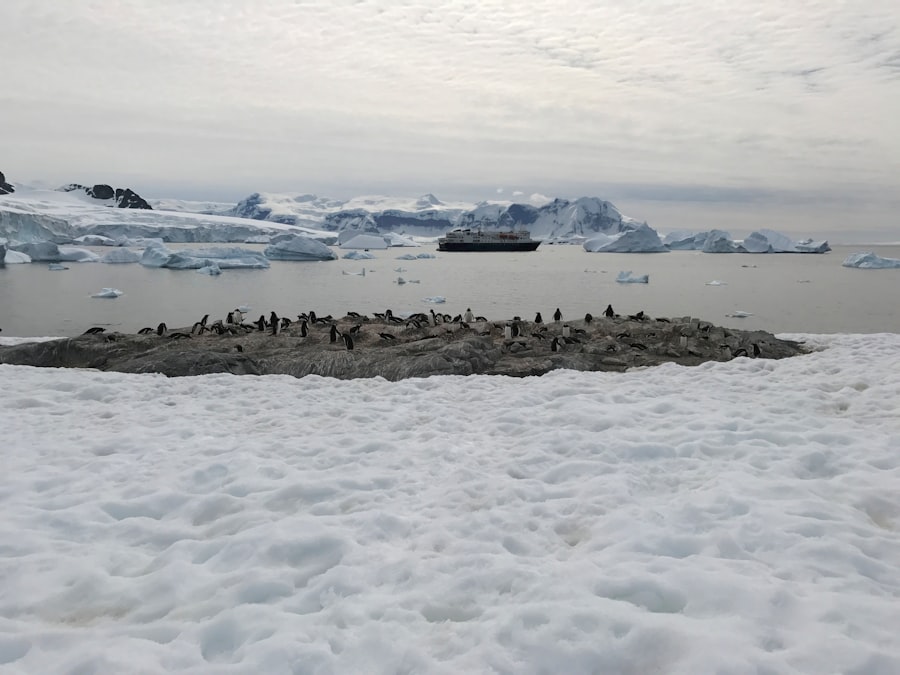
Navigating Antarctica’s hidden coastline presents numerous challenges that can deter even the most seasoned explorers. The extreme weather conditions, characterized by fierce winds and sub-zero temperatures, create a perilous environment for any expedition. Ice formations can shift rapidly, leading to treacherous conditions that can trap vessels or hinder access to certain areas.
Additionally, the remoteness of the coastline means that rescue operations are often complicated and time-consuming, further heightening the risks associated with exploration. Another significant challenge lies in the logistical aspects of conducting research in such an isolated region. The lack of infrastructure means that scientists must rely on specialized equipment and transportation methods to reach their destinations.
This often involves using icebreakers or helicopters to access remote sites, which can be costly and time-consuming. Furthermore, the short window of opportunity for exploration during the Antarctic summer limits the amount of time researchers have to conduct their studies. Despite these challenges, the allure of uncovering the secrets of Antarctica’s hidden coastline continues to draw adventurers and scientists alike.
Unique Wildlife and Ecosystems Found Along Antarctica’s Coastline
| Wildlife and Ecosystem | Description |
|---|---|
| Penguins | Various species including Adélie, Emperor, and Gentoo penguins |
| Seals | Leopard seals, Weddell seals, and crabeater seals |
| Whales | Humpback whales, minke whales, and orcas |
| Algae | Important part of the Antarctic food web |
| Krill | Small crustaceans that are a key food source for many Antarctic animals |
The hidden coastline of Antarctica is teeming with unique wildlife and ecosystems that have adapted to survive in one of the harshest environments on Earth. Among the most iconic inhabitants are the various species of penguins, including the Emperor and Adélie penguins, which thrive on the icy shores. These remarkable birds have evolved to withstand extreme cold and are known for their fascinating social behaviors and breeding rituals.
Their presence is a testament to the resilience of life in even the most inhospitable conditions. In addition to penguins, the coastline is home to a diverse array of marine mammals, including seals and whales. Species such as the Weddell seal and the Orca are commonly found in these frigid waters, relying on the rich marine life for sustenance.
The nutrient-rich waters support vast populations of krill, which serve as a crucial food source for many species in the region. The intricate web of life along Antarctica’s hidden coastline highlights the delicate balance of ecosystems that have evolved over millennia, making it a vital area for conservation efforts.
Historical Significance of Antarctica’s Hidden Coastline
The historical significance of Antarctica’s hidden coastline cannot be overstated. It has been a site of exploration and discovery since the early 19th century when explorers like James Clark Ross first charted parts of the continent. These early expeditions laid the groundwork for our understanding of Antarctica’s geography and climate.
The coastline has witnessed numerous historic events, including heroic tales of survival during harsh expeditions and scientific breakthroughs that have shaped our knowledge of polar regions. Moreover, the hidden coastline has played a pivotal role in international treaties aimed at preserving Antarctica as a scientific preserve. The Antarctic Treaty System, established in 1961, emphasizes cooperation among nations in scientific research while prohibiting military activity and mineral mining.
This treaty reflects a collective commitment to protecting this unique environment for future generations. The historical context surrounding Antarctica’s hidden coastline underscores its importance not only as a site for exploration but also as a symbol of international collaboration in addressing global challenges.
Scientific Research Opportunities Along Antarctica’s Coastline
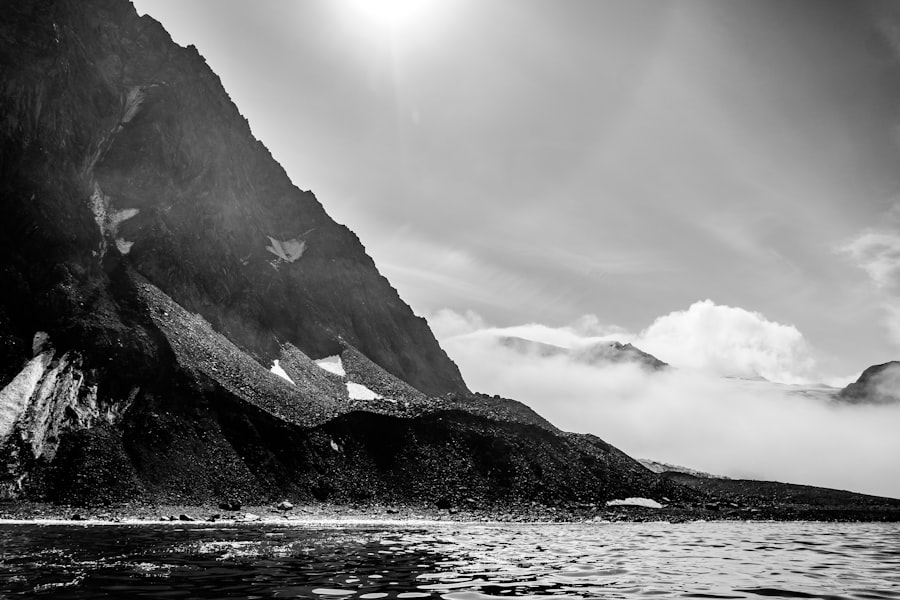
Antarctica’s hidden coastline offers unparalleled opportunities for scientific research across various disciplines. Geologists study the ancient rock formations and ice cores to gain insights into Earth’s climatic history, while glaciologists investigate the dynamics of ice flow and melting glaciers. These studies are crucial for understanding past climate patterns and predicting future changes in response to global warming.
In addition to geological research, marine biologists are drawn to the rich biodiversity found along the coastline. The unique ecosystems provide a living laboratory for studying species interactions, adaptation mechanisms, and responses to environmental stressors. Researchers can observe how climate change impacts these delicate ecosystems firsthand, providing valuable data that can inform conservation efforts worldwide.
The scientific potential of Antarctica’s hidden coastline is immense, making it an essential focus for ongoing research initiatives.
The Impact of Climate Change on Antarctica’s Hidden Coastline
The impact of climate change on Antarctica’s hidden coastline is profound and multifaceted. Rising global temperatures have led to accelerated melting of glaciers and ice shelves, resulting in significant changes to the landscape. This melting not only contributes to rising sea levels but also alters ocean currents and ecosystems both locally and globally.
As ice retreats, previously inaccessible areas become exposed, revealing new geological features and habitats while simultaneously threatening existing ones. Furthermore, climate change poses risks to the unique wildlife that inhabits this region. Species such as penguins and seals rely on stable ice conditions for breeding and feeding.
As their habitats shift or diminish due to warming temperatures, their populations may face decline or even extinction. The cascading effects of climate change on Antarctica’s hidden coastline highlight the urgent need for comprehensive research and conservation strategies aimed at mitigating these impacts.
Exploring Antarctica’s Hidden Coastline: A Look at Recent Expeditions
Recent expeditions to Antarctica’s hidden coastline have yielded exciting discoveries and furthered our understanding of this remote region. Advances in technology have allowed researchers to conduct more detailed surveys using drones and underwater robots, enabling them to explore areas previously deemed inaccessible.
One notable expedition involved a team of scientists who utilized autonomous underwater vehicles to map underwater features along the coastline. Their findings revealed previously unknown underwater canyons and habitats that are home to diverse marine life. Such discoveries underscore the importance of continued exploration in understanding the complexities of Antarctica’s hidden coastline and its role in global ecological systems.
Conservation Efforts to Protect Antarctica’s Hidden Coastline
Conservation efforts aimed at protecting Antarctica’s hidden coastline are crucial given its ecological significance and vulnerability to climate change. Various international organizations and governments collaborate under treaties like the Antarctic Treaty System to ensure that human activities do not compromise this fragile environment. These efforts include establishing marine protected areas (MPAs) that restrict fishing and other activities in sensitive regions.
Additionally, ongoing research initiatives focus on monitoring changes in wildlife populations and habitat conditions along the coastline. By gathering data on species health and ecosystem dynamics, scientists can inform policy decisions aimed at enhancing conservation measures. Public awareness campaigns also play a vital role in fostering appreciation for this unique environment, encouraging responsible tourism practices that minimize human impact on delicate ecosystems.
The Future of Exploration and Research Along Antarctica’s Coastline
The future of exploration and research along Antarctica’s hidden coastline holds great promise as technological advancements continue to evolve. Innovations in remote sensing, satellite imagery, and artificial intelligence are transforming how scientists study this remote region. These tools enable researchers to gather data more efficiently while minimizing their ecological footprint during expeditions.
Moreover, as global interest in climate change intensifies, funding for Antarctic research is likely to increase. This influx of resources can facilitate more comprehensive studies aimed at understanding the complexities of this unique environment. Collaborative efforts among nations will be essential in addressing shared challenges related to climate change and biodiversity conservation along Antarctica’s hidden coastline.
Tips for Visiting and Exploring Antarctica’s Hidden Coastline
For those considering a visit to Antarctica’s hidden coastline, preparation is key to ensuring a safe and enjoyable experience. Travelers should choose reputable tour operators that prioritize environmental sustainability and adhere to guidelines set forth by international treaties governing Antarctic tourism. Understanding the unique challenges posed by extreme weather conditions is essential; visitors should pack appropriate clothing layers designed for cold temperatures.
Additionally, respecting wildlife is paramount during any visit to this pristine environment. Observers should maintain a safe distance from animals while avoiding disturbances during breeding seasons. Engaging with knowledgeable guides can enhance the experience by providing insights into local ecosystems and conservation efforts underway in the region.
In conclusion, Antarctica’s hidden coastline represents an extraordinary frontier filled with scientific potential, ecological significance, and historical importance. As explorers continue to unveil its mysteries, it becomes increasingly clear that protecting this unique environment is vital for future generations. Through collaborative research efforts and responsible tourism practices, humanity can ensure that this remarkable region remains preserved for years to come.
In the fascinating exploration of Antarctica’s hidden landscapes, the article “Uncovering Antarctica’s True Coastline” delves into the mysteries beneath the ice, revealing a continent that is far more dynamic and complex than previously understood. For those interested in further exploring the enigmatic nature of our planet’s southernmost continent, a related article can be found on Real Lore and Order’s website. This piece provides additional insights into the geological and environmental factors shaping Antarctica’s unique features. To read more, visit this related article.
WATCH THIS 🧊The US Military Confirmed It: What’s REALLY Under the Antarctic Ice?
FAQs
What is the true coastline of Antarctica?
The true coastline of Antarctica is the line where the land meets the ocean, including all the intricate details of bays, inlets, and islands.
Why is it important to uncover Antarctica’s true coastline?
Uncovering Antarctica’s true coastline is important for accurately understanding the continent’s geography, which is crucial for scientific research, environmental conservation, and navigation in the region.
How is Antarctica’s true coastline being uncovered?
Antarctica’s true coastline is being uncovered using advanced satellite imagery, aerial surveys, and ground-based measurements to map the intricate details of the continent’s land-ocean interface.
What are the challenges in uncovering Antarctica’s true coastline?
Challenges in uncovering Antarctica’s true coastline include the harsh and remote environment, the presence of ice shelves and sea ice, and the vast size of the continent.
What are the potential benefits of uncovering Antarctica’s true coastline?
Uncovering Antarctica’s true coastline can lead to improved understanding of the continent’s ice dynamics, better management of marine protected areas, and enhanced safety for maritime activities in the region.