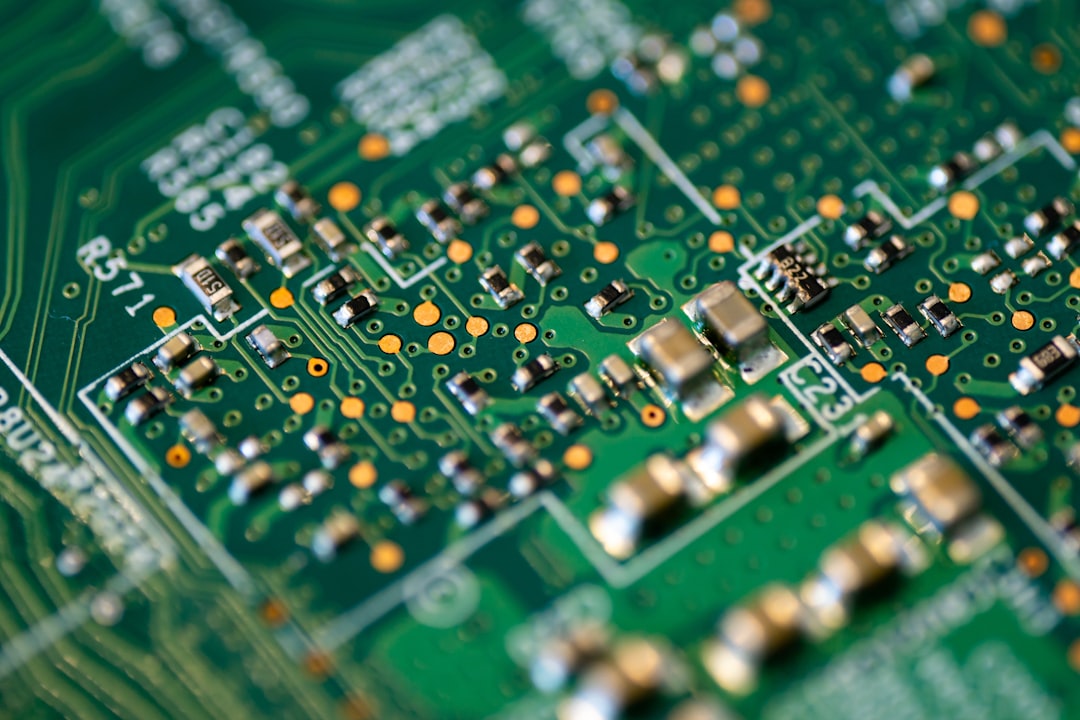
Mexico’s electronics manufacturing industry has emerged as a significant player on the global stage, characterized by its rapid growth and strategic importance. Over the past few decades, the country has transformed into a hub for electronics production, attracting both domestic and international companies. This transformation is largely attributed to Mexico’s geographical proximity to the United States, its favorable trade agreements, and a skilled labor force.
The industry encompasses a wide range of products, including consumer electronics, telecommunications equipment, and automotive electronics, making it a vital component of the country’s economy. The evolution of Mexico’s electronics manufacturing sector can be traced back to the 1960s when the government initiated policies to promote foreign investment and industrialization. Since then, the industry has expanded significantly, with numerous multinational corporations establishing manufacturing facilities in various regions of the country.
This growth has not only contributed to job creation but has also positioned Mexico as a key player in the global supply chain for electronics. As the demand for electronic devices continues to rise, Mexico’s role in this sector is expected to become even more pronounced.
Key Takeaways
- Mexico’s electronics manufacturing industry has experienced significant growth and importance in recent years.
- Key players in Mexico’s electronics manufacturing sector include major multinational corporations and local companies.
- Foreign investment plays a crucial role in driving the growth and development of Mexico’s electronics manufacturing industry.
- Mexico’s electronics manufacturing industry has a significant impact on the global market, contributing to the country’s position as a key player in the industry.
- Operating in Mexico’s electronics manufacturing hubs offers advantages such as proximity to the US market, but also presents challenges such as security concerns and supply chain disruptions.
The Growth and Importance of Electronics Manufacturing in Mexico
The growth of Mexico’s electronics manufacturing industry has been nothing short of remarkable. In recent years, the sector has experienced consistent expansion, driven by increasing global demand for electronic products. According to industry reports, Mexico ranks among the top countries for electronics exports, with a significant portion of its output destined for the United States and other international markets.
This growth trajectory is indicative of the country’s ability to adapt to changing market dynamics and leverage its competitive advantages.
The sector plays a crucial role in fostering innovation and technological advancement within the country.
As companies invest in research and development, they contribute to the creation of new technologies and processes that enhance productivity and efficiency. Furthermore, the industry’s growth has led to the development of a robust supply chain ecosystem, which supports local businesses and stimulates economic activity in surrounding communities.
Key Players in Mexico’s Electronics Manufacturing Sector

Several key players dominate Mexico’s electronics manufacturing landscape, ranging from multinational corporations to local enterprises.
These companies are involved in various aspects of electronics production, from assembly to design and engineering services.
Their presence not only boosts local economies but also enhances Mexico’s reputation as a reliable manufacturing destination. In addition to these multinational giants, numerous smaller firms contribute to the industry’s diversity and resilience. Local manufacturers often specialize in niche markets or specific components, providing essential support to larger companies.
This collaborative ecosystem fosters innovation and allows for greater flexibility in responding to market demands. As the industry continues to evolve, these key players will play a pivotal role in shaping its future direction.
The Role of Foreign Investment in Mexico’s Electronics Manufacturing
| Year | Foreign Investment (in million USD) | Number of Jobs Created | Export Value (in million USD) |
|---|---|---|---|
| 2015 | 3,500 | 15,000 | 25,000 |
| 2016 | 4,200 | 18,000 | 28,000 |
| 2017 | 4,800 | 20,000 | 30,000 |
| 2018 | 5,500 | 22,000 | 32,000 |
Foreign investment has been a driving force behind the growth of Mexico’s electronics manufacturing sector. The country’s open trade policies and investment-friendly regulations have attracted significant capital from international companies seeking to establish or expand their operations. This influx of foreign direct investment (FDI) has not only facilitated technology transfer but has also led to the creation of high-quality jobs for Mexican workers.
Moreover, foreign investment has contributed to the development of advanced manufacturing capabilities within Mexico. As multinational corporations set up state-of-the-art facilities, they bring with them best practices and innovative technologies that enhance local production processes. This symbiotic relationship between foreign investors and local manufacturers fosters a culture of continuous improvement and competitiveness, positioning Mexico as a key player in the global electronics supply chain.
The Impact of Mexico’s Electronics Manufacturing on the Global Market
Mexico’s electronics manufacturing industry has made a significant impact on the global market, particularly in terms of supply chain dynamics and trade relationships. As one of the largest exporters of electronic goods, Mexico plays a crucial role in meeting the demands of consumers worldwide. The country’s strategic location allows for efficient logistics and distribution channels, enabling timely delivery of products to key markets such as the United States.
Furthermore, Mexico’s participation in various trade agreements, including the United States-Mexico-Canada Agreement (USMCA), has solidified its position as a vital partner in North American trade. These agreements facilitate tariff-free access to major markets, encouraging companies to invest in Mexican manufacturing capabilities. As a result, Mexico has become an integral part of global supply chains, with many companies relying on its production facilities to meet their operational needs.
The Advantages and Challenges of Operating in Mexico’s Electronics Manufacturing Hubs

Operating within Mexico’s electronics manufacturing hubs offers numerous advantages for companies looking to optimize their production processes. One of the primary benefits is cost efficiency; labor costs in Mexico are generally lower than those in many developed countries, allowing companies to maintain competitive pricing while maximizing profit margins. Additionally, the country’s proximity to major markets reduces shipping times and costs, further enhancing operational efficiency.
However, challenges do exist within this landscape. Companies must navigate regulatory complexities and potential bureaucratic hurdles that can arise when establishing or expanding operations in Mexico. Furthermore, while the labor force is skilled, there may be gaps in specific technical expertise that companies need to address through training and development initiatives.
Balancing these advantages and challenges is essential for companies seeking long-term success in Mexico’s electronics manufacturing sector.
The Technological Advancements and Innovations in Mexico’s Electronics Manufacturing
Technological advancements play a pivotal role in shaping Mexico’s electronics manufacturing industry. As companies strive to remain competitive in an increasingly globalized market, they are investing heavily in automation, robotics, and advanced manufacturing techniques. These innovations not only enhance productivity but also improve product quality and reduce lead times.
Moreover, Mexico is becoming a center for research and development activities within the electronics sector. Many multinational corporations are establishing R&D facilities in the country to leverage local talent and foster innovation. This focus on technology-driven solutions positions Mexico as an attractive destination for companies looking to develop cutting-edge products while benefiting from cost-effective manufacturing processes.
The Labor Force and Workforce Development in Mexico’s Electronics Manufacturing
The labor force is a critical component of Mexico’s electronics manufacturing success story. With a large pool of skilled workers available, companies can tap into a diverse talent base that is well-versed in various aspects of electronics production. Educational institutions across the country are increasingly aligning their curricula with industry needs, ensuring that graduates possess the necessary skills to thrive in this dynamic sector.
Workforce development initiatives are also gaining traction as companies recognize the importance of continuous training and upskilling. Many organizations collaborate with local universities and technical schools to create programs that equip workers with advanced technical skills relevant to modern manufacturing processes. This commitment to workforce development not only enhances productivity but also fosters employee loyalty and retention.
The Environmental and Sustainability Practices in Mexico’s Electronics Manufacturing
As global awareness of environmental issues continues to rise, Mexico’s electronics manufacturing industry is increasingly prioritizing sustainability practices. Many companies are adopting eco-friendly production methods aimed at reducing waste and minimizing their carbon footprint. This shift towards sustainable practices is not only beneficial for the environment but also aligns with consumer preferences for environmentally responsible products.
Additionally, regulatory frameworks are evolving to encourage sustainable practices within the industry. The Mexican government has implemented policies aimed at promoting energy efficiency and waste reduction among manufacturers. By embracing these initiatives, companies can enhance their reputation while contributing positively to their communities and the planet.
The Future Outlook and Trends in Mexico’s Electronics Manufacturing Industry
The future outlook for Mexico’s electronics manufacturing industry appears promising as several trends emerge on the horizon. One notable trend is the increasing demand for smart devices and Internet of Things (IoT) products, which presents new opportunities for manufacturers to innovate and expand their product offerings. As consumers seek more connected solutions, companies that can adapt quickly will likely thrive in this evolving landscape.
Another trend is the growing emphasis on sustainability within the industry. As consumers become more environmentally conscious, manufacturers will need to prioritize eco-friendly practices throughout their supply chains. This shift will not only enhance brand loyalty but also position companies favorably in an increasingly competitive market.
The Potential of Mexico’s Electronics Manufacturing Hubs
In conclusion, Mexico’s electronics manufacturing industry holds immense potential for growth and innovation. With its strategic location, skilled labor force, and favorable investment climate, the country is well-positioned to continue attracting both domestic and foreign investment. As technological advancements reshape the landscape of electronics production, Mexican manufacturers have an opportunity to lead in areas such as automation and sustainability.
The collaborative efforts between multinational corporations and local enterprises will further strengthen this sector’s resilience and adaptability. By embracing workforce development initiatives and prioritizing sustainable practices, Mexico can solidify its status as a key player in the global electronics manufacturing arena. As demand for electronic products continues to rise worldwide, Mexico’s manufacturing hubs are poised to play an increasingly vital role in meeting these needs while contributing positively to economic growth and environmental sustainability.
Mexico’s electronics manufacturing hubs have become pivotal in the global supply chain, offering competitive advantages such as proximity to the U.S. market, skilled labor, and favorable trade agreements. These hubs are not only boosting the local economy but also attracting significant foreign investment. For a deeper understanding of how these manufacturing centers are evolving and their impact on the global electronics industry, you can explore a related article on this topic by visiting this page. This article provides insights into the strategic importance of Mexico’s manufacturing capabilities and how they are shaping the future of electronics production.
FIND OUT! Why America’s 🇺🇸 Factories Are Moving to Mexico
FAQs
What are Mexico’s electronics manufacturing hubs?
Mexico’s electronics manufacturing hubs are regions within the country that have a high concentration of electronics manufacturing facilities. These hubs are known for producing a wide range of electronic products, including consumer electronics, automotive electronics, and industrial electronics.
Where are Mexico’s electronics manufacturing hubs located?
Some of Mexico’s key electronics manufacturing hubs are located in cities such as Tijuana, Ciudad Juarez, Guadalajara, and Monterrey. These cities are strategically positioned near the United States border and have access to a skilled workforce, transportation infrastructure, and a network of suppliers.
What types of electronics are manufactured in Mexico’s hubs?
Mexico’s electronics manufacturing hubs produce a variety of electronic products, including televisions, smartphones, automotive components, medical devices, and industrial machinery. These hubs are known for their ability to produce high-quality electronics for both domestic and international markets.
What are the advantages of manufacturing electronics in Mexico?
Manufacturing electronics in Mexico offers several advantages, including proximity to the United States market, a skilled labor force, competitive labor costs, a network of suppliers, and free trade agreements with multiple countries. Additionally, Mexico’s electronics manufacturing industry benefits from a stable political and economic environment.
What are some of the challenges faced by Mexico’s electronics manufacturing industry?
Despite its advantages, Mexico’s electronics manufacturing industry faces challenges such as competition from other low-cost manufacturing countries, fluctuations in currency exchange rates, and the need to continuously invest in technology and innovation to remain competitive in the global market. Additionally, the industry must navigate complex trade regulations and intellectual property issues.