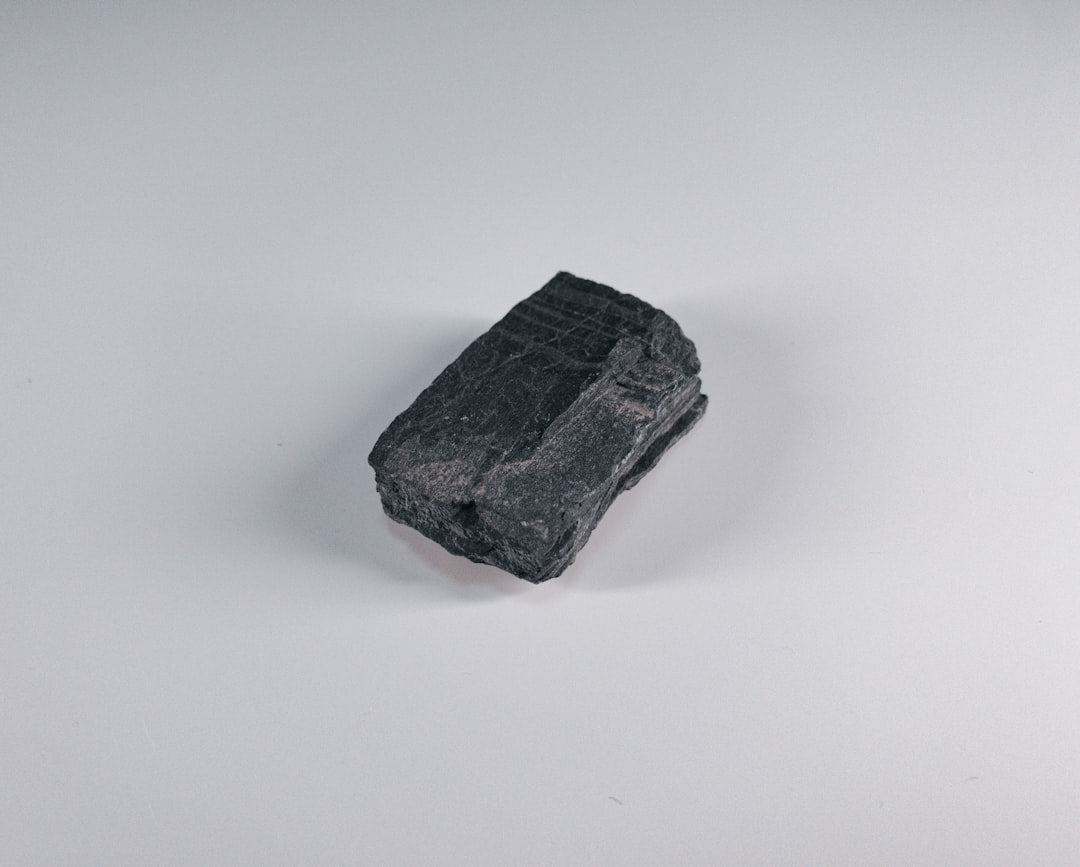
Rare Earth Elements (REEs) are a group of seventeen chemical elements that play a crucial role in various modern technologies. These elements, which include the lanthanides along with scandium and yttrium, are not actually rare in terms of their abundance in the Earth’s crust. However, their extraction and processing are complex and often environmentally damaging, leading to their classification as “rare.” The significance of REEs has surged in recent decades, primarily due to their unique properties that make them essential for high-tech applications, including electronics, renewable energy technologies, and defense systems.
The growing demand for these elements has sparked interest and concern globally. As nations strive to secure a stable supply of REEs, the geopolitical landscape surrounding these resources has become increasingly intricate. The interplay between technological advancement and resource management highlights the importance of understanding rare earth elements, not only for their economic value but also for their environmental implications and strategic significance.
Key Takeaways
- Rare Earth Elements (REEs) are a group of 17 chemical elements that are essential for modern technology and emerging technologies.
- REEs have a long history, with their discovery dating back to the late 18th century and their commercial production beginning in the 1950s.
- REEs are crucial for the production of electronics, renewable energy technologies, and defense systems, making them vital for modern society.
- The mining and refining of REEs can have significant environmental impacts, including water and soil contamination, and habitat destruction.
- China currently dominates the global production of REEs, leading to concerns about supply chain security and the need for diversification of sources.
The History of Rare Earth Elements
The discovery of rare earth elements dates back to the late 18th century when Swedish chemist Johan Gadolin first isolated yttrium from a mineral called gadolinite. This marked the beginning of a long journey into the understanding and utilization of these elements. Over the following decades, scientists identified and isolated other rare earth elements, leading to a growing interest in their unique properties.
By the mid-20th century, the use of REEs began to expand significantly, particularly during the Cold War era when they were recognized for their potential in military applications. The commercial exploitation of rare earth elements took off in the 1960s and 1970s, particularly with the rise of consumer electronics. The development of new technologies, such as color television and compact fluorescent lighting, created a surge in demand for REEs.
However, it was not until the 1980s that China emerged as a dominant player in the global rare earth market, leading to significant shifts in production and trade dynamics. This historical context sets the stage for understanding the current landscape of rare earth elements and their critical role in modern society.
The Importance of Rare Earth Elements in Modern Technology
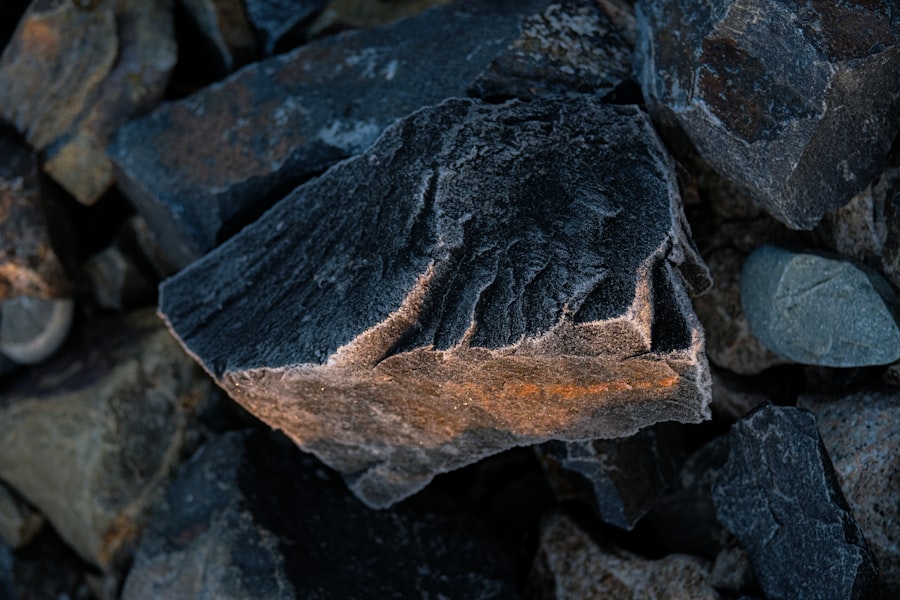
Rare earth elements are integral to a wide array of modern technologies that define contemporary life. They are essential components in the production of high-performance magnets, phosphors, catalysts, and batteries. For instance, neodymium is used in powerful permanent magnets found in electric vehicles and wind turbines, while europium and terbium are crucial for producing vibrant colors in LED displays.
The versatility of REEs allows for innovations across various sectors, including telecommunications, healthcare, and renewable energy. As technology continues to evolve, the importance of rare earth elements is only expected to grow. The transition towards greener technologies, such as electric vehicles and solar panels, relies heavily on these materials.
Furthermore, advancements in fields like quantum computing and advanced manufacturing are likely to create new applications for REEs. This increasing reliance on rare earth elements underscores the need for sustainable sourcing practices and responsible management to ensure that future generations can benefit from these vital resources.
The Environmental Impact of Rare Earth Element Mining
| Environmental Impact | Metrics |
|---|---|
| Water Pollution | Increased levels of heavy metals in water sources |
| Land Destruction | Clearing of forests and habitats for mining operations |
| Air Pollution | Release of toxic gases and particulates into the atmosphere |
| Waste Generation | Large amounts of mining waste and tailings |
The extraction and processing of rare earth elements pose significant environmental challenges. Mining operations often result in habitat destruction, soil erosion, and water contamination due to the toxic byproducts generated during extraction. The process typically involves open-pit mining or underground mining techniques that can disrupt local ecosystems and biodiversity.
Additionally, the chemicals used in refining REEs can lead to severe pollution if not managed properly. The environmental impact extends beyond immediate mining sites; it can affect entire regions. Communities near mining operations may experience health issues due to exposure to hazardous materials released into the air and water supply.
As awareness of these environmental consequences grows, there is an increasing call for more sustainable practices within the industry. This includes adopting cleaner technologies, improving waste management strategies, and implementing stricter regulations to minimize ecological damage.
The Global Distribution of Rare Earth Elements
Rare earth elements are distributed unevenly across the globe, with significant deposits found in only a few countries. China has long been the dominant producer of REEs, accounting for over 60% of global production as of recent years. Other notable sources include Australia, the United States, Russia, and India.
This concentration raises concerns about supply chain vulnerabilities and geopolitical tensions, particularly as nations seek to secure their access to these critical resources. The geographical distribution of rare earth elements also influences global trade dynamics. Countries rich in REE deposits have become strategic players on the world stage, while those reliant on imports face challenges in securing stable supplies.
This uneven distribution has prompted efforts to explore new mining sites and develop alternative sources of rare earth elements outside of China. As nations recognize the strategic importance of these resources, investments in exploration and extraction technologies are likely to increase.
The Challenges of Extracting and Refining Rare Earth Elements
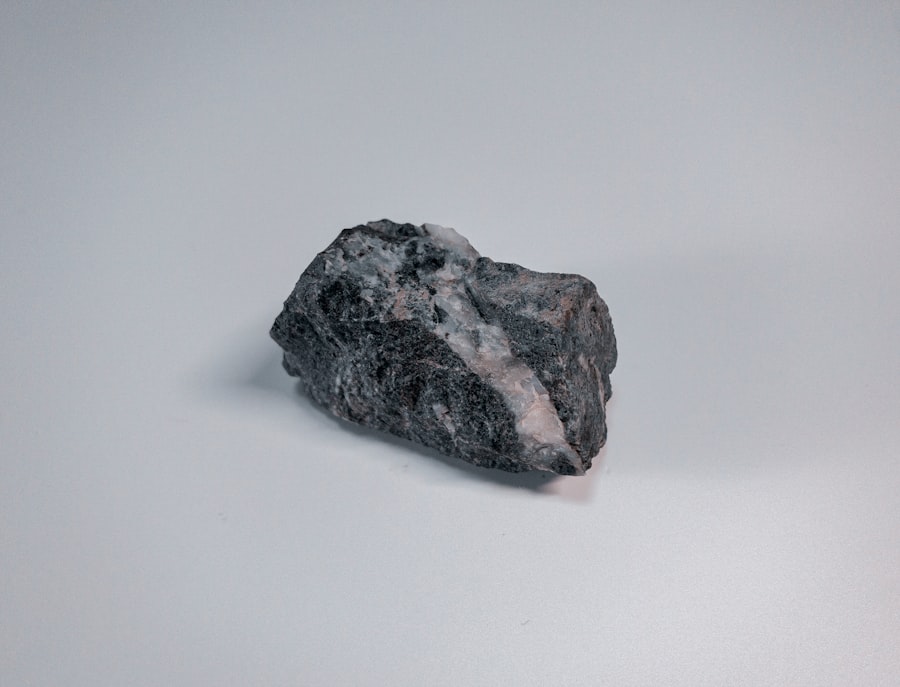
Extracting and refining rare earth elements is fraught with challenges that complicate their production.
Additionally, the low concentration of these elements in ores means that large quantities of material must be processed to obtain even small amounts of REEs, leading to increased costs and environmental impacts.
Moreover, refining processes can generate significant amounts of waste and toxic byproducts that must be managed carefully. Many countries lack the infrastructure or regulatory frameworks necessary to handle these challenges effectively. As a result, there is a pressing need for innovation in extraction techniques that minimize environmental harm while maximizing efficiency.
Research into alternative methods, such as bioleaching or recycling existing materials containing REEs, is gaining traction as a way to address these challenges sustainably.
The Future of Rare Earth Element Exploration
The future of rare earth element exploration is poised for transformation as technological advancements and changing market dynamics reshape the landscape. With increasing demand for REEs driven by emerging technologies and green energy initiatives, exploration efforts are intensifying worldwide. Companies are investing in new mining projects and exploring previously untapped deposits to diversify supply sources beyond China.
In addition to traditional mining methods, there is growing interest in urban mining—recycling rare earth elements from electronic waste. This approach not only reduces reliance on primary sources but also addresses environmental concerns associated with mining activities. As awareness of sustainability grows among consumers and industries alike, the push for responsible sourcing will likely drive innovation in exploration techniques and recycling methods.
The Role of Rare Earth Elements in National Security
Rare earth elements play a critical role in national security due to their applications in defense technologies. They are essential components in advanced weaponry systems, communication devices, and surveillance equipment used by military forces worldwide. As nations increasingly recognize the strategic importance of securing access to these resources, competition over rare earth elements has intensified.
The geopolitical implications of REE supply chains cannot be overstated. Countries that dominate production can exert significant influence over global markets and national security policies.
Ensuring a stable supply of rare earth elements is now viewed as a matter of national interest, prompting governments to invest in research and development initiatives aimed at reducing dependence on foreign sources.
The Potential Applications of Rare Earth Elements in Emerging Technologies
As technology continues to advance at an unprecedented pace, the potential applications of rare earth elements are expanding rapidly. In addition to their established uses in electronics and renewable energy systems, REEs are being explored for innovative applications in fields such as medicine, aerospace, and nanotechnology. For instance, researchers are investigating the use of rare earth compounds in targeted drug delivery systems and advanced imaging techniques.
Furthermore, as industries strive for greater efficiency and sustainability, rare earth elements are being integrated into new materials designed for high-performance applications. This includes lightweight alloys for aerospace engineering or catalysts that enhance chemical reactions while minimizing waste. The versatility of REEs positions them as key enablers of technological progress across various sectors, highlighting their importance in shaping future innovations.
The Economics of Rare Earth Element Production and Trade
The economics surrounding rare earth element production and trade are complex and influenced by various factors including market demand, geopolitical considerations, and environmental regulations. Prices for REEs can be volatile due to fluctuations in supply chains or changes in government policies affecting production quotas or export restrictions. This volatility poses challenges for companies involved in REE mining and processing as they navigate uncertain market conditions.
Moreover, the economic viability of rare earth projects often hinges on technological advancements that improve extraction efficiency or reduce environmental impacts. As competition increases among producing countries and companies seek to establish themselves within this lucrative market, investments in research and development will be crucial for maintaining competitiveness. Understanding these economic dynamics is essential for stakeholders aiming to navigate the evolving landscape of rare earth element production.
The Impact of Rare Earth Elements on Society and the Environment
Rare earth elements have become indispensable components of modern society, driving technological advancements while also presenting significant environmental challenges. Their unique properties enable innovations across various sectors but come at a cost—both ecologically and geopolitically. As nations grapple with securing access to these critical resources amidst growing demand, it is imperative that sustainable practices are prioritized within the industry.
The future trajectory of rare earth elements will depend on balancing technological progress with responsible resource management. By investing in cleaner extraction methods, recycling initiatives, and alternative sourcing strategies, stakeholders can work towards minimizing environmental impacts while ensuring that society continues to benefit from these vital materials. Ultimately, understanding the multifaceted role of rare earth elements will be crucial for navigating the complexities they present in an increasingly interconnected world.
In recent years, the significance of rare earth elements has surged, primarily due to their critical role in modern technology and renewable energy solutions. A comprehensive long-form video on this topic delves into the intricate processes of mining, refining, and utilizing these elements, highlighting their indispensable contribution to various industries. For those interested in exploring further, an insightful article on the subject can be found on Real Lore and Order’s website. This article provides an in-depth analysis of the geopolitical and economic implications of rare earth elements, offering a broader perspective on their global impact. You can read more about it by visiting this link.
WATCH THIS! They Can Shut Down Your World Overnight. This Is The Choke Point Controlling Everything!
FAQs
What are rare earth elements?
Rare earth elements are a group of 17 chemical elements in the periodic table, including scandium, yttrium, and the 15 lanthanides. They are essential for the production of various high-tech products, including electronics, magnets, and renewable energy technologies.
Why are rare earth elements important?
Rare earth elements are crucial for the manufacturing of many modern technologies, including smartphones, electric vehicles, wind turbines, and defense systems. They possess unique magnetic, luminescent, and catalytic properties that make them indispensable for these applications.
Where are rare earth elements found?
Rare earth elements are found in various minerals and ores, with the largest reserves located in China, Australia, the United States, and several other countries. They are typically extracted through mining and processing, which can be environmentally challenging due to the complex nature of the ores.
What are the environmental concerns associated with rare earth element mining?
Rare earth element mining and processing can lead to environmental issues such as soil and water contamination, habitat destruction, and the generation of large amounts of waste. Additionally, the extraction process often involves the use of hazardous chemicals and can contribute to air and water pollution.
Are there efforts to reduce the environmental impact of rare earth element mining?
Yes, there are ongoing efforts to develop more sustainable and environmentally friendly methods for rare earth element extraction and processing. These include initiatives to improve waste management, reduce the use of harmful chemicals, and explore alternative sources of rare earth elements, such as recycling and urban mining.
What is the geopolitical significance of rare earth elements?
Rare earth elements have significant geopolitical implications due to their critical role in advanced technologies and the limited number of countries with substantial reserves. This has led to concerns about supply chain vulnerabilities and the potential for geopolitical tensions related to access to these essential materials.