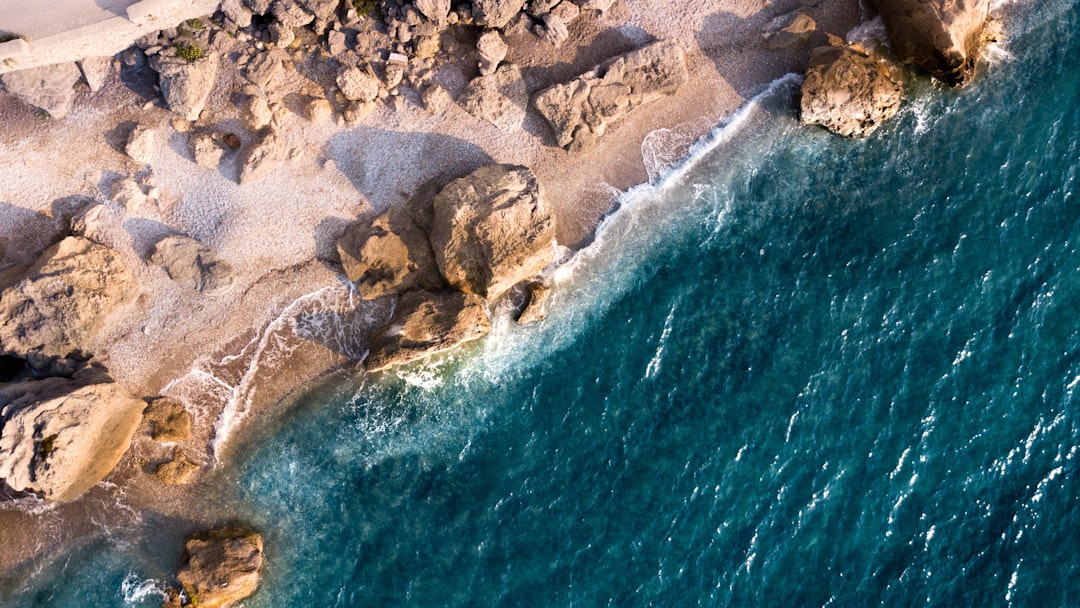
Queen Maud Land, a vast expanse of ice and rock located in Antarctica, is a region that has long captured the imagination of explorers, scientists, and historians alike. This remote coastline, stretching over 1,600 kilometers along the eastern edge of the continent, is characterized by its dramatic cliffs, towering glaciers, and unique geological formations. Named after Queen Maud of Norway, this area was first claimed by Norway in 1939 and has since become a focal point for scientific research and exploration.
The stark beauty of Queen Maud Land is not only visually striking but also serves as a critical indicator of climate change and environmental shifts occurring on a global scale. The coastline of Queen Maud Land is not merely a geographical feature; it is a testament to the Earth’s history and the forces that have shaped it over millions of years. The region is home to some of the most pristine ice formations on the planet, which provide invaluable data for understanding past climate conditions.
As scientists continue to study this remote area, they uncover layers of history embedded in the ice, revealing insights into the Earth’s climatic past and future. The allure of Queen Maud Land lies not only in its natural beauty but also in its potential to unlock secrets about the planet’s environmental changes.
Key Takeaways
- Queen Maud Land coastline is a mysterious and uncharted region in Antarctica, shrouded in enigma and scientific discoveries.
- Piri Reis, a famous Ottoman admiral, created a map in the 16th century that depicted an accurate coastline of Queen Maud Land, raising questions about how he obtained such knowledge.
- The enigma of Queen Maud Land lies in its unexplored and uncharted nature, with indigenous peoples having a deep connection to the land and its mysteries.
- Unraveling the Piri Reis map has led to new insights into the accuracy of ancient cartography and the potential for advanced ancient civilizations.
- Exploring the uncharted coastline of Queen Maud Land presents challenges in navigation and environmental impact, but also offers exciting research opportunities for the future.
Piri Reis and his Mysterious Map
Piri Reis, an Ottoman admiral and cartographer from the 16th century, is best known for his remarkable world map created in 1513.
What makes Piri Reis’s work particularly fascinating is the inclusion of regions that were not yet fully explored or documented by European powers at the time.
Among these regions is a depiction that some believe represents parts of Antarctica, specifically the coastline that would later be identified as Queen Maud Land. The Piri Reis map is shrouded in mystery, as it raises questions about the extent of knowledge possessed by ancient civilizations regarding geography. The map features a variety of landmasses, including South America and parts of Africa, but it also includes an outline that some interpret as Antarctica, despite the continent being covered in ice and largely unknown during Piri Reis’s lifetime.
This has led to speculation about whether ancient mariners had access to information or maps that have since been lost to history. The implications of such a discovery could challenge conventional narratives about exploration and knowledge in the early modern period.
The Enigma of Queen Maud Land
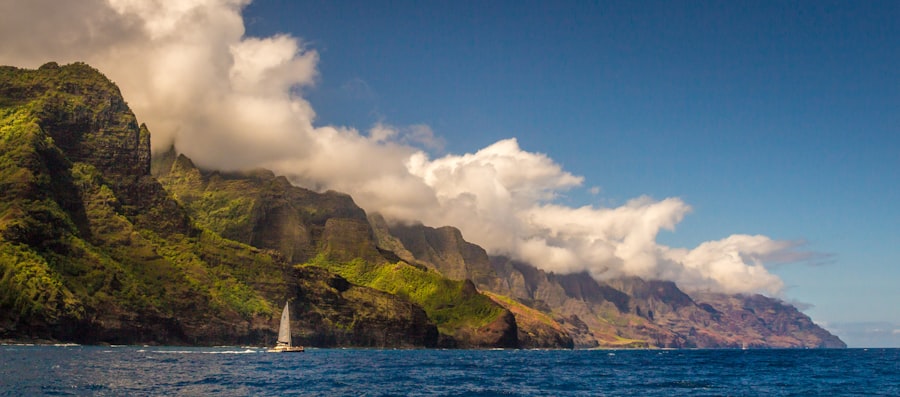
Queen Maud Land remains an enigma not only because of its geographical isolation but also due to the mysteries surrounding its discovery and exploration. The region was first sighted by Norwegian explorer Lars Christensen in 1930, but it was not until later expeditions that its true nature began to be understood. The harsh climate and extreme conditions make it a challenging environment for researchers, yet it is precisely these factors that contribute to its allure.
The ice-covered landscape holds secrets that scientists are eager to uncover, including insights into climate change and glaciology. The enigma deepens when considering the historical context of exploration in Antarctica. Many expeditions were driven by national pride and competition among countries seeking to claim territory in this uncharted land.
Queen Maud Land became a focal point for such ambitions, with various nations conducting research and mapping efforts throughout the 20th century. The interplay between exploration, scientific inquiry, and geopolitical interests adds layers to the narrative of Queen Maud Land, making it a subject of ongoing fascination for historians and researchers alike.
Unraveling the Piri Reis Map
| Metrics | Data |
|---|---|
| Map Creator | Piri Reis |
| Creation Date | 1513 |
| Map Type | World map |
| Accuracy | Debated |
| Features | Coastlines of Europe, Africa, and South America |
Unraveling the mysteries of the Piri Reis map involves delving into its intricate details and understanding the context in which it was created. Scholars have meticulously analyzed the map’s features, comparing them with modern cartographic data to identify potential correlations. Some researchers argue that the map’s depiction of coastlines aligns remarkably well with contemporary understandings of Antarctica’s geography, suggesting that Piri Reis may have had access to advanced navigational knowledge or even ancient sources that predate European exploration.
The debate surrounding the Piri Reis map extends beyond mere geography; it touches on themes of knowledge transmission and cultural exchange. The map reflects a synthesis of information gathered from various sources, including earlier maps from different cultures and firsthand accounts from explorers. This blending of knowledge raises questions about how information was shared across civilizations and what this means for our understanding of history.
As researchers continue to study the map, they seek to piece together a narrative that connects Piri Reis’s work with broader historical trends in exploration and cartography.
Exploring the Uncharted Coastline
Exploring the uncharted coastline of Queen Maud Land presents both opportunities and challenges for modern-day researchers. The region’s remoteness means that access is often limited to specialized expeditions equipped with advanced technology. Icebreakers and research vessels are essential for navigating the icy waters surrounding the coastline, while aerial surveys using drones and satellites provide valuable data for mapping and analysis.
These modern tools allow scientists to gather information about the region’s topography, glacial movements, and ecological systems. Despite these advancements, exploring Queen Maud Land remains fraught with difficulties. The extreme weather conditions can change rapidly, posing risks to even the most well-prepared expeditions.
Additionally, the harsh environment can hinder data collection efforts, making it challenging for researchers to obtain consistent results. Nevertheless, the allure of uncovering new insights about this enigmatic coastline drives scientists to persevere in their explorations, as each expedition has the potential to yield groundbreaking discoveries about climate change and Earth’s geological history.
Scientific Discoveries in Queen Maud Land
Scientific discoveries in Queen Maud Land have significantly contributed to our understanding of glaciology, climate change, and biodiversity in extreme environments. Researchers have conducted extensive studies on ice cores extracted from glaciers in the region, revealing valuable information about past climate conditions over thousands of years. These ice cores serve as time capsules, preserving atmospheric gases and particles that provide insights into historical climate fluctuations and human impact on the environment.
In addition to climate research, Queen Maud Land has also become a site for studying unique ecosystems adapted to extreme conditions. Microbial life forms found in subglacial lakes and ice-covered regions challenge traditional notions of life’s limits, demonstrating resilience in some of Earth’s harshest environments. These discoveries not only enhance scientific knowledge but also have implications for astrobiology, as researchers consider how life might exist on other icy bodies within our solar system.
Indigenous Peoples and their Connection to the Land
While Queen Maud Land is often viewed through the lens of exploration and scientific inquiry, it is essential to acknowledge the historical narratives of indigenous peoples who have connections to similar icy landscapes around the world. Although there are no indigenous populations native to Antarctica itself due to its extreme conditions, many cultures have long histories tied to polar regions. These communities possess traditional ecological knowledge that offers valuable insights into sustainable practices and environmental stewardship.
The connection between indigenous peoples and their environments emphasizes a holistic understanding of land management that contrasts with modern scientific approaches. Indigenous perspectives often prioritize harmony with nature and respect for ecosystems, which can inform contemporary conservation efforts in fragile regions like Queen Maud Land. As discussions around environmental protection continue to evolve, integrating indigenous knowledge into scientific research may lead to more effective strategies for preserving these unique landscapes.
Environmental Impact of Exploration
The environmental impact of exploration in Queen Maud Land raises important ethical considerations regarding human activity in fragile ecosystems. While scientific research is crucial for understanding climate change and environmental shifts, it can also disrupt delicate habitats and contribute to pollution if not conducted responsibly. The introduction of foreign materials through expeditions can have lasting effects on local ecosystems, highlighting the need for sustainable practices in polar research.
Efforts are underway within the scientific community to mitigate these impacts through guidelines and protocols designed to minimize human footprints in sensitive areas. Initiatives such as waste management plans and strict regulations on equipment use aim to protect Queen Maud Land’s pristine environment while allowing researchers to conduct their work effectively. Balancing exploration with environmental stewardship remains a critical challenge as interest in polar research continues to grow.
Challenges of Navigating the Treacherous Coastline
Navigating the treacherous coastline of Queen Maud Land presents formidable challenges for explorers and researchers alike. The region’s unpredictable weather patterns can create hazardous conditions at a moment’s notice, making planning difficult even for seasoned professionals. Icebergs calving from glaciers can pose significant risks to vessels operating in nearby waters, while shifting sea ice can complicate access routes.
Moreover, the remoteness of Queen Maud Land means that logistical support is often limited. Expeditions must carefully coordinate their efforts with available resources while accounting for potential delays caused by weather or ice conditions. Despite these challenges, adventurers are drawn to this rugged coastline by its allure and promise of discovery, embodying the spirit of exploration that has characterized human history for centuries.
Future Expeditions and Research Opportunities
Looking ahead, future expeditions to Queen Maud Land hold immense potential for advancing scientific knowledge across various disciplines. As technology continues to evolve, researchers are equipped with increasingly sophisticated tools for data collection and analysis. Remote sensing technologies such as satellite imagery can provide comprehensive views of glacial dynamics and environmental changes over time, while autonomous underwater vehicles offer new ways to explore subglacial lakes.
Collaborative efforts among international research teams are also likely to play a crucial role in future explorations. By pooling resources and expertise from different countries, scientists can tackle complex questions related to climate change and biodiversity more effectively than ever before. As interest in polar research grows alongside global environmental concerns, Queen Maud Land stands poised to become a focal point for groundbreaking discoveries that could shape our understanding of Earth’s future.
Preserving the Enigmatic Queen Maud Land Coastline
Preserving the enigmatic coastline of Queen Maud Land requires a multifaceted approach that balances scientific inquiry with environmental protection. As researchers continue to explore this unique region, it is essential to implement sustainable practices that minimize human impact while maximizing knowledge gained from these expeditions. Establishing protected areas within Queen Maud Land could help safeguard critical habitats while allowing for ongoing research efforts.
Furthermore, fostering international cooperation among nations involved in Antarctic research will be vital for ensuring effective conservation measures are put into place. By sharing best practices and collaborating on initiatives aimed at protecting this fragile environment, scientists can work together toward common goals that benefit both research endeavors and ecological preservation. Ultimately, safeguarding Queen Maud Land’s coastline will require a commitment from all stakeholders involved—scientists, policymakers, indigenous communities—to ensure that this remarkable region remains intact for future generations to explore and study.
Queen Maud Land, a region of Antarctica, has long intrigued historians and geographers, particularly due to its depiction on the Piri Reis map, a world map compiled in 1513 by the Ottoman admiral and cartographer Piri Reis. This map is renowned for its detailed and accurate representation of the coastline, which has sparked numerous theories about ancient exploration and cartography.
You can read more about these fascinating historical insights by visiting this article.
WATCH THIS 🧊The US Military Confirmed It: What’s REALLY Under the Antarctic Ice?
FAQs
What is Queen Maud Land?
Queen Maud Land is a region of Antarctica that is claimed as a dependent territory by Norway. It covers an area of approximately 2.7 million square kilometers and is located between 20° west and 45° east.
What is the coastline of Queen Maud Land like?
The coastline of Queen Maud Land is characterized by steep ice cliffs and glaciers, with few natural harbors or bays. The coastline is largely ice-bound and inhospitable, making it difficult to access.
Who was Piri Reis?
Piri Reis was an Ottoman admiral, geographer, and cartographer who lived in the 16th century. He is best known for his world map, which includes a depiction of the coastline of Queen Maud Land, despite the fact that the region was not officially discovered until the 20th century.
What is the significance of Piri Reis’s map in relation to Queen Maud Land?
Piri Reis’s map has sparked speculation and debate about the possibility of early exploration of Antarctica, as well as the source of his information about the coastline of Queen Maud Land. Some have suggested that the map may be evidence of a lost civilization or advanced ancient seafaring knowledge.
Is there evidence of early exploration of Queen Maud Land?
There is no conclusive evidence of early exploration of Queen Maud Land, and the region was not officially discovered until the 20th century. While Piri Reis’s map has raised questions about the possibility of early exploration, there is no definitive proof to support this theory.