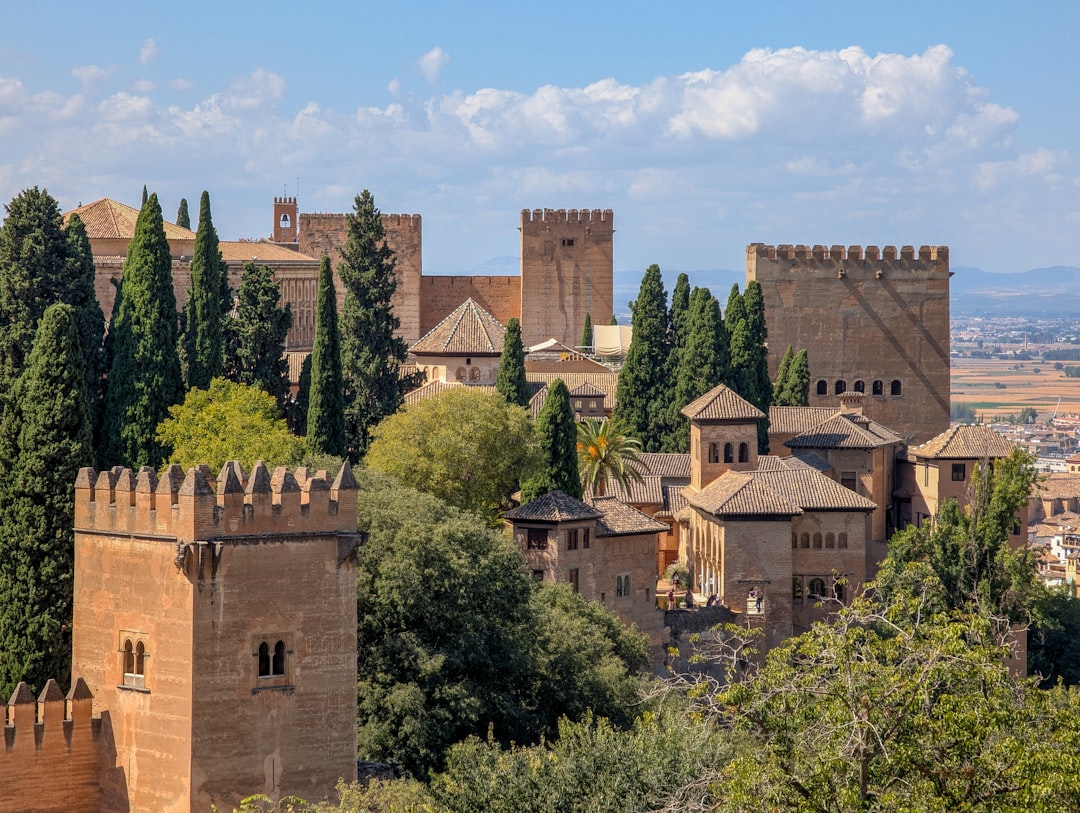
The history of ancient palace ruins is a tapestry woven with threads of grandeur, power, and mystery. These remnants of once-majestic structures often evoke a sense of wonder and curiosity, as they stand as silent witnesses to the rise and fall of civilizations. From the opulent palaces of the Roman Empire to the intricate designs of the Mughal palaces in India, each ruin tells a story that transcends time.
Scholars and historians have long been fascinated by these sites, piecing together narratives from fragmented records, oral traditions, and archaeological findings. The allure of these ruins lies not only in their architectural splendor but also in the secrets they hold about the societies that built them. As researchers delve deeper into the past, they uncover layers of history that reveal the socio-political dynamics of ancient cultures.
The construction of palaces often coincided with periods of prosperity and stability, serving as symbols of authority and power. However, the eventual decline and abandonment of these structures often reflect broader societal changes, such as invasions, economic downturns, or shifts in political power. The enigmatic nature of these ruins invites speculation and debate, as historians strive to understand the complex interplay between architecture, culture, and history.
Key Takeaways
- The enigmatic history of ancient palace ruins reveals the rich cultural and historical significance of these structures.
- Uncovering the architectural marvels of ancient palaces provides insight into the advanced engineering and design skills of ancient civilizations.
- The intriguing art and artifacts found within palace ruins offer a glimpse into the artistic and cultural practices of the past.
- Exploring the religious and spiritual significance of ancient palaces sheds light on the beliefs and rituals of ancient societies.
- The role of ancient palaces in politics and governance highlights their importance as centers of power and administration in ancient times.
Uncovering the Architectural Marvels of Ancient Palaces
The architectural marvels found within ancient palace ruins are a testament to human ingenuity and creativity. These structures were often designed not only for functionality but also to impress and inspire awe. The use of intricate carvings, grand columns, and expansive courtyards showcases the artistic capabilities of the builders.
For instance, the palaces of ancient Greece featured stunning frescoes and elaborate mosaics that depicted mythological scenes and daily life, while the palaces of the Aztecs boasted impressive stonework and expansive plazas that served as centers for public gatherings. Moreover, the architectural styles varied significantly across different cultures and time periods, reflecting local materials, climate, and aesthetic preferences. The use of domes and arches in Roman palaces exemplifies their engineering prowess, while the intricate latticework and gardens of Persian palaces highlight a deep appreciation for nature and beauty.
Each palace ruin serves as a unique case study in architectural evolution, revealing how societies adapted their designs to meet both practical needs and artistic aspirations.
The Intriguing Art and Artifacts Found within Palace Ruins

Within the confines of ancient palace ruins lie a treasure trove of art and artifacts that provide invaluable insights into the lives of those who once inhabited these spaces. From pottery and jewelry to sculptures and wall paintings, these items reflect the cultural practices, beliefs, and daily activities of past civilizations. Archaeologists meticulously excavate these sites, often uncovering objects that have remained untouched for centuries.
Each artifact serves as a tangible connection to history, allowing researchers to reconstruct aspects of ancient life. The art found within palace ruins often carries significant meaning, serving both decorative and functional purposes. For example, frescoes depicting royal ceremonies or religious rituals not only beautified the walls but also conveyed messages about power and divinity.
Similarly, everyday items such as cooking utensils or tools provide a glimpse into the daily routines of palace inhabitants. The study of these artifacts not only enriches our understanding of ancient cultures but also highlights the continuity and change in artistic expression over time.
Exploring the Religious and Spiritual Significance of Ancient Palaces
| Palace | Religious Significance | Spiritual Significance |
|---|---|---|
| Palace of Knossos | Associated with the myth of the Minotaur and the Labyrinth | Believed to be the center of Minoan religious activities |
| Forbidden City | Used for important religious ceremonies and rituals in ancient China | Considered the earthly counterpart to the heavenly realm |
| Palace of Westminster | Site of coronations and other religious ceremonies for the British monarchy | Symbolizes the power and authority of the British government |
Ancient palaces were often more than mere residences for royalty; they were also centers of religious and spiritual significance. Many palaces were constructed with specific orientations or designs that aligned with celestial events or sacred landscapes, reflecting the deep connection between architecture and spirituality in ancient cultures. Temples or shrines within palace complexes served as places for worship and rituals, reinforcing the divine right of kings and queens to rule.
The spiritual significance of these structures can be seen in their elaborate decorations and symbolic motifs. In many cultures, palaces were adorned with images of deities or mythological creatures that represented protection and prosperity. The presence of sacred spaces within these grand structures underscores the belief that rulers were chosen by divine forces to govern their people.
As such, ancient palaces often became focal points for both political power and spiritual authority, intertwining governance with religious practices.
The Role of Ancient Palaces in Politics and Governance
The political landscape of ancient civilizations was often shaped by the presence of palatial structures that served as centers for governance. These grand edifices were not only residences for rulers but also venues for important political activities such as decision-making, diplomacy, and public gatherings. The layout of many palaces was designed to facilitate these functions, with large halls for assemblies and courtyards for ceremonies that reinforced the authority of the ruling class.
Moreover, ancient palaces often symbolized the power dynamics within a society. The construction of a new palace could signify a shift in power or the establishment of a new dynasty. Conversely, the abandonment or destruction of a palace could indicate political turmoil or decline.
As such, these structures serve as historical markers that reflect broader trends in governance, illustrating how architecture can embody political ideologies and aspirations.
The Mysterious Disappearance and Abandonment of Palace Ruins

The disappearance or abandonment of ancient palace ruins is often shrouded in mystery, prompting questions about what led to their decline. Various factors contributed to this phenomenon, including natural disasters, invasions by foreign powers, or internal strife within a civilization. In some cases, palaces were deliberately destroyed as a means of asserting control or erasing a rival’s legacy.
In other instances, economic decline may have rendered maintenance impossible, leading to gradual decay. The stories behind these abandoned sites are often lost to time, leaving behind only fragments for archaeologists to piece together. The ruins themselves can evoke a sense of melancholy as they stand in stark contrast to their former glory.
Yet they also serve as reminders of the impermanence of human achievements and the cyclical nature of history. Each abandoned palace tells a story not just of loss but also of resilience, as new generations seek to understand and learn from the past.
The Legends and Myths Surrounding Ancient Palace Ruins
Ancient palace ruins are often steeped in legends and myths that add an additional layer of intrigue to their historical significance. These stories frequently arise from local folklore or cultural narratives that seek to explain the origins or purpose of these grand structures. Tales of lost treasures hidden within crumbling walls or ghostly apparitions haunting former royal chambers capture the imagination and perpetuate interest in these sites.
Such legends can serve various functions within a culture; they may reinforce social values or provide moral lessons while also fostering a sense of identity among community members. In some cases, myths surrounding palace ruins may even influence contemporary perceptions of history, shaping how societies view their heritage. As researchers explore these narratives alongside archaeological evidence, they uncover a rich interplay between fact and fiction that enhances our understanding of ancient cultures.
The Scientific and Archaeological Methods Used to Study Palace Ruins
The study of ancient palace ruins relies on a diverse array of scientific and archaeological methods that enable researchers to uncover hidden histories. Excavation techniques allow archaeologists to carefully unearth layers of soil while preserving artifacts in situ. Advanced technologies such as ground-penetrating radar (GPR) and 3D modeling have revolutionized how researchers visualize structures buried beneath centuries of sediment.
In addition to traditional excavation methods, interdisciplinary approaches are increasingly employed to analyze materials found at these sites. Chemical analysis can reveal information about construction techniques or trade networks based on imported materials. Radiocarbon dating helps establish timelines for when certain artifacts were created or when specific renovations occurred within a palace complex.
By combining various scientific methods with historical research, scholars can construct more comprehensive narratives about ancient palaces.
The Influence of Ancient Palaces on Modern Architecture and Design
The architectural styles and design principles found in ancient palaces continue to influence modern architecture in profound ways. Elements such as grand entrances, expansive courtyards, and intricate ornamentation can be seen in contemporary buildings around the world. Architects often draw inspiration from historical designs to create spaces that evoke a sense of grandeur while meeting modern needs.
Moreover, the concept of using architecture as a means to convey power remains relevant today. Many government buildings or cultural institutions incorporate elements reminiscent of ancient palatial designs to project authority and stability. This enduring legacy highlights how ancient palaces have shaped not only architectural aesthetics but also societal values regarding leadership and governance.
The Preservation and Conservation Efforts of Ancient Palace Ruins
As ancient palace ruins face threats from environmental factors, urban development, and tourism pressures, preservation efforts have become increasingly vital. Organizations dedicated to heritage conservation work tirelessly to protect these sites from further deterioration while promoting sustainable tourism practices that allow visitors to appreciate their significance without causing harm. Conservation techniques vary widely depending on the specific challenges faced by each site.
Some projects focus on stabilizing structures through careful restoration work, while others prioritize documentation and research to inform future preservation strategies. Engaging local communities in conservation efforts fosters a sense of ownership over cultural heritage while ensuring that knowledge is passed down through generations.
The Continuing Quest to Uncover the Secrets of Ancient Palace Ruins
The quest to uncover the secrets hidden within ancient palace ruins is an ongoing endeavor that captivates scholars, archaeologists, and enthusiasts alike.
As technology advances and interdisciplinary collaboration becomes more common, researchers are better equipped than ever to explore these enigmatic sites.
The allure of ancient palace ruins lies not only in their historical significance but also in their ability to inspire curiosity about humanity’s shared past. As new findings emerge from ongoing research efforts around the world, they remind us that history is not merely a record of what has been but an evolving narrative shaped by continuous exploration and discovery. The journey into the past is far from over; it is an invitation for future generations to engage with history’s mysteries while seeking answers to questions yet unasked.
In exploring the secrets of ancient palace ruins, one cannot overlook the fascinating insights provided by related studies and articles. A particularly intriguing piece can be found on Real Lore and Order, which delves into the mysteries surrounding these historical sites.
For those interested in further exploring this topic, you can read more about it in the article available at