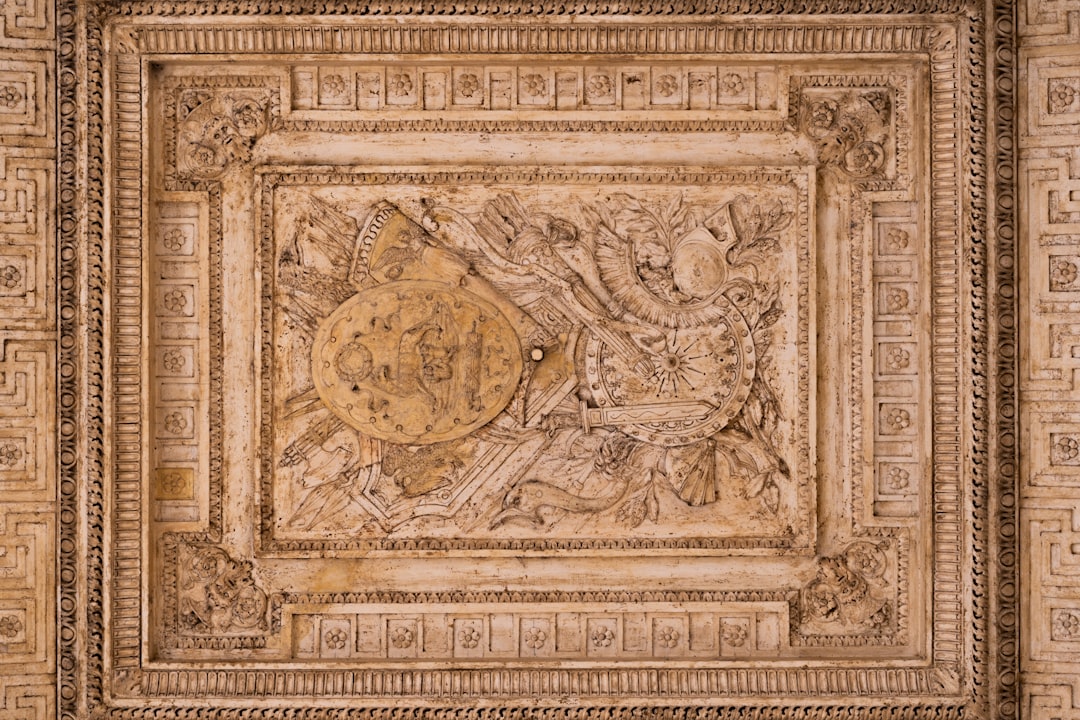
Topkapı Palace, a magnificent symbol of the Ottoman Empire, stands as a testament to the grandeur and complexity of a civilization that once spanned three continents. Nestled in the heart of Istanbul, this sprawling palace complex served as the administrative center and royal residence for generations of sultans. Its opulent architecture, lush gardens, and rich history draw millions of visitors each year, eager to glimpse the life of the Ottoman elite.
Complementing this historical marvel is the Piri Reis Map, an extraordinary cartographic work created in 1513 by the Ottoman admiral and cartographer Piri Reis. This map not only showcases the geographical knowledge of the time but also reflects the empire’s extensive maritime explorations and interactions with distant lands. The connection between Topkapı Palace and the Piri Reis Map is profound, as both represent the zenith of Ottoman culture and intellect.
The palace served as a hub for scholars, artists, and navigators, fostering an environment where knowledge flourished. The Piri Reis Map, with its intricate details and innovative techniques, exemplifies the empire’s commitment to exploration and understanding of the world. Together, they offer a unique lens through which to examine the Ottoman Empire’s legacy, revealing insights into its political power, cultural richness, and navigational prowess.
Key Takeaways
- Topkapı Palace is a historical landmark in Istanbul, Turkey, and is home to the famous Piri Reis Map.
- The palace served as the residence of Ottoman sultans for nearly 400 years and is a symbol of the empire’s power and influence.
- The Piri Reis Map is a significant artifact in navigational history, created by the Ottoman admiral and cartographer Piri Reis in the 16th century.
- Exploring Topkapı Palace with the Piri Reis Map offers a unique historical journey, allowing visitors to trace the footsteps of the Ottoman rulers and understand their lifestyle.
- The Piri Reis Map provides a valuable insight into the layout of Topkapı Palace and helps in navigating the treasures and secrets hidden within its walls.
History of Topkapı Palace and its Importance
Constructed in the mid-15th century under Sultan Mehmed II, Topkapı Palace was designed to reflect the might and sophistication of the newly established Ottoman Empire. Initially built as a modest fortress, it evolved into a grand palace complex that housed not only the sultan but also his court, family, and a vast retinue of officials. Over the centuries, successive sultans expanded and embellished the palace, incorporating elements from various architectural styles that mirrored the empire’s diverse influences.
The palace became a symbol of imperial authority and a center for political decision-making, where crucial matters of state were deliberated. The importance of Topkapı Palace extends beyond its architectural splendor; it played a pivotal role in shaping the cultural and political landscape of the empire. As a residence for sultans and their families, it was a site of power dynamics, intrigue, and diplomacy.
The palace also housed an extensive collection of artifacts, manuscripts, and treasures that reflected the empire’s wealth and artistic achievements. Today, Topkapı Palace stands as a UNESCO World Heritage Site, attracting scholars and tourists alike who seek to understand its historical significance and appreciate its artistic legacy.
The Significance of Piri Reis Map in Navigational History

The Piri Reis Map is not merely a work of art; it is a groundbreaking document in the history of navigation and cartography. Created during a time when European exploration was rapidly expanding, this map provides invaluable insights into the geographical knowledge of the early 16th century. Piri Reis utilized a variety of sources to compile his map, including ancient texts, firsthand accounts from explorers, and even earlier maps from different cultures.
This synthesis of information allowed him to create one of the most accurate representations of the world known at that time. One of the most remarkable aspects of the Piri Reis Map is its depiction of the Americas, particularly the coastlines of South America and parts of North America. This was significant because it demonstrated that Ottoman cartographers were not only aware of European explorations but were also actively engaged in understanding new territories.
The map’s intricate details reveal Piri Reis’s exceptional skills as a navigator and cartographer, showcasing his ability to blend artistic representation with scientific accuracy. As such, it serves as a crucial artifact for historians studying the evolution of navigation and cartography during an era marked by exploration and discovery.
Exploring Topkapı Palace with Piri Reis Map: A Historical Journey
| Metrics | Data |
|---|---|
| Visitors | 500,000 |
| Duration | 2 hours |
| Exhibition Area | 4,000 square meters |
| Map Age | 500 years |
The exploration of Topkapı Palace through the lens of the Piri Reis Map offers a fascinating historical journey that intertwines two significant aspects of Ottoman heritage. As visitors traverse the palace grounds today, they can appreciate how this grand complex was not only a residence but also a center for knowledge and exploration. The map serves as a guide to understanding how navigational advancements influenced life within the palace walls.
It highlights how sultans were informed about distant lands and maritime routes that could enhance trade and military strategy. By examining Topkapı Palace alongside the Piri Reis Map, one can gain insights into how geography shaped political decisions within the empire. The sultans were keenly aware of their empire’s vastness and sought to maintain control over their territories through informed navigation.
The map illustrates how maritime routes were essential for trade and communication with far-flung regions. This connection between navigation and governance underscores the importance of both Topkapı Palace and the Piri Reis Map in understanding the complexities of Ottoman rule.
Understanding the Layout of Topkapı Palace through Piri Reis Map
The layout of Topkapı Palace is a reflection of its multifaceted purpose as both a royal residence and an administrative center. The Piri Reis Map provides an intriguing perspective on how this layout was influenced by geographical considerations. While primarily focused on maritime navigation, the map also offers clues about land routes and strategic locations that would have been significant to the sultans.
By analyzing these elements, one can appreciate how geography played a role in shaping not only the physical structure of the palace but also its function within the empire. The palace itself is divided into several courtyards, each serving distinct purposes—from ceremonial functions to private living quarters for the sultan’s family. The Piri Reis Map can be seen as a metaphorical extension of this layout; just as navigators charted their courses through uncharted waters, so too did the architects of Topkapı Palace navigate cultural influences to create a harmonious space that reflected imperial power.
Understanding this interplay between geography and architecture enriches one’s appreciation for both Topkapı Palace and the Piri Reis Map as integral components of Ottoman history.
Navigating the Treasures of Topkapı Palace with Piri Reis Map
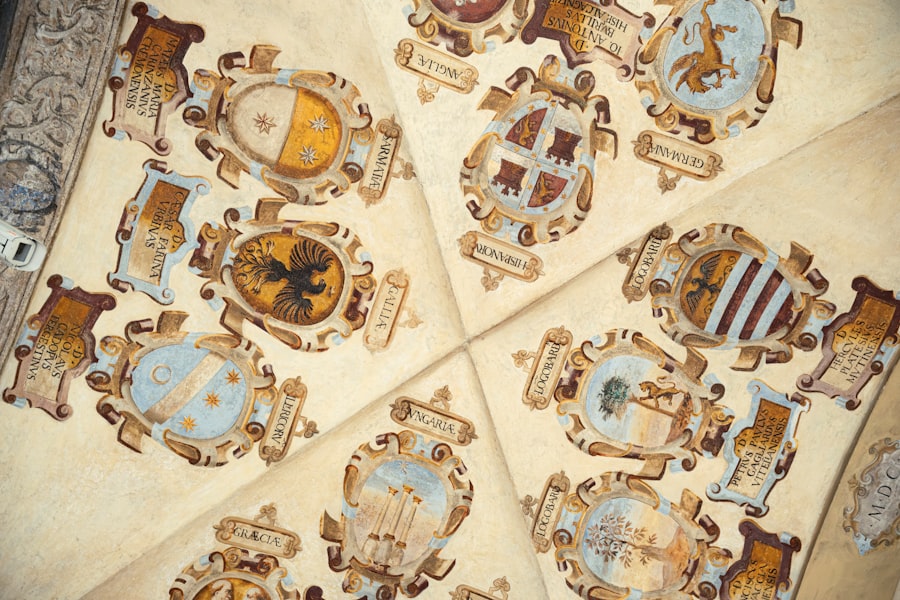
Topkapı Palace is renowned for its vast collection of treasures, artifacts, and artworks that encapsulate the opulence of the Ottoman Empire. From exquisite jewelry to intricately designed ceramics, each item tells a story about the empire’s wealth and cultural exchanges with other civilizations. The Piri Reis Map serves as an intriguing tool for navigating these treasures by providing context about their origins and significance within global trade networks.
As visitors explore the palace’s various exhibitions, they can draw connections between specific artifacts and their geographical roots as depicted on the map. For instance, certain items may have been acquired through trade routes highlighted on the Piri Reis Map, illustrating how interconnected the world was even in the 16th century. This connection between material culture and navigation emphasizes how trade influenced not only economic prosperity but also artistic expression within the empire.
By using the Piri Reis Map as a reference point while exploring Topkapı Palace’s treasures, visitors can gain a deeper understanding of how geography shaped artistic trends and cultural exchanges during this vibrant period in history.
Uncovering the Secrets of Topkapı Palace with Piri Reis Map
The secrets held within Topkapı Palace are numerous, ranging from tales of intrigue among courtiers to hidden chambers that housed valuable artifacts. The Piri Reis Map adds another layer to these secrets by revealing how knowledge about distant lands influenced life within these walls. As one delves into the history of both Topkapı Palace and the map itself, it becomes evident that they are intertwined in ways that illuminate aspects of Ottoman society that might otherwise remain obscured.
For example, certain areas within Topkapı Palace were dedicated to scholars who studied geography, astronomy, and navigation—fields that were essential for maintaining an empire that spanned continents. The Piri Reis Map serves as a testament to this intellectual pursuit; it embodies not only navigational knowledge but also reflects how such knowledge was valued within Ottoman culture. By uncovering these connections between Topkapı Palace’s secrets and the insights provided by the Piri Reis Map, one can appreciate how both elements contribute to our understanding of an empire that thrived on exploration and knowledge.
Piri Reis Map: A Window to the World in the 16th Century
The Piri Reis Map stands as a remarkable window into the world during the 16th century—a time characterized by exploration, discovery, and cultural exchange. It captures not only geographical features but also reflects contemporary perceptions of distant lands and peoples. Through its detailed illustrations and annotations, viewers can glimpse how navigators viewed their world at that time—an intricate tapestry woven from various cultures and experiences.
This map serves as more than just a navigational tool; it is an artifact that encapsulates an era marked by curiosity about uncharted territories. The Piri Reis Map reveals how knowledge was shared across cultures—how European explorers’ findings were integrated with existing Ottoman knowledge to create a more comprehensive understanding of global geography. In this sense, it acts as both a historical document and an artistic representation that invites viewers to ponder humanity’s quest for knowledge during a transformative period in history.
Topkapı Palace and Piri Reis Map: A Glimpse into Ottoman Empire’s Global Influence
The relationship between Topkapı Palace and the Piri Reis Map offers profound insights into the global influence exerted by the Ottoman Empire during its height. As both a political center and a repository of knowledge, Topkapı Palace was instrumental in shaping policies that extended beyond its borders.
This global influence is evident in various aspects of life within Topkapı Palace—from diplomatic relations with foreign powers to cultural exchanges facilitated by trade networks. The map serves as a reminder that while empires may rise and fall, their legacies endure through shared knowledge and interactions across borders. By examining both Topkapı Palace and the Piri Reis Map together, one can appreciate how they collectively represent an era when empires sought to understand their place in an increasingly interconnected world.
The Legacy of Piri Reis Map in Modern Cartography
The legacy of the Piri Reis Map extends far beyond its creation in 1513; it has left an indelible mark on modern cartography and our understanding of historical navigation practices. As one of the earliest maps to incorporate information from multiple sources—including ancient texts and firsthand accounts—it set a precedent for future cartographers who sought to create more accurate representations of geography. Its innovative approach to mapping has inspired generations of explorers and scholars alike.
In contemporary times, advancements in technology have transformed cartography into a highly precise science; however, the principles established by pioneers like Piri Reis continue to resonate today.
As modern cartographers build upon these foundations, they honor the legacy left behind by figures like Piri Reis who dared to chart unknown territories.
The Timeless Connection between Topkapı Palace and Piri Reis Map
In conclusion, both Topkapı Palace and the Piri Reis Map stand as enduring symbols of Ottoman heritage—each reflecting different facets of an empire that thrived on exploration, knowledge, and cultural exchange. Their interconnected histories reveal how geography shaped political decisions within Topkapı Palace while simultaneously highlighting navigational advancements represented by the Piri Reis Map. Together they offer invaluable insights into an era marked by curiosity about distant lands—a time when empires sought not only power but also understanding.
As visitors explore Topkapı Palace today or study the intricacies of the Piri Reis Map, they engage with narratives that transcend time—stories woven into fabric rich with history that continues to inspire awe and admiration. The timeless connection between these two remarkable artifacts serves as a reminder that our quest for knowledge knows no bounds; it is an endeavor that unites us across cultures and generations in our shared pursuit to understand our world better.
The Topkapı Palace Piri Reis map is a fascinating artifact that has intrigued historians and cartographers for centuries. This early 16th-century map, created by the Ottoman admiral and cartographer Piri Reis, is renowned for its detailed depiction of the known world at the time, including parts of Europe, Africa, and the Americas. For those interested in exploring more about historical maps and their significance, a related article can be found on the Real Lore and Order website. This article delves into the mysteries and historical context of ancient cartography, providing a deeper understanding of how maps like the Piri Reis were created and used. You can read more about it by visiting this page.
WATCH THIS 🧊The US Military Confirmed It: What’s REALLY Under the Antarctic Ice?
FAQs
What is the Topkapı Palace Piri Reis map?
The Topkapı Palace Piri Reis map is a famous world map created by Ottoman cartographer Piri Reis in 1513.
Where is the Topkapı Palace Piri Reis map located?
The original map is currently housed in the Topkapı Palace Museum in Istanbul, Turkey.
What is the significance of the Topkapı Palace Piri Reis map?
The map is significant because it is one of the oldest surviving maps to show the New World, and it provides valuable insight into the geographical knowledge of the time.
What does the Topkapı Palace Piri Reis map depict?
The map depicts the world as known to Europeans in the early 16th century, including the Americas, Africa, Europe, and Asia.
How accurate is the Topkapı Palace Piri Reis map?
While the map contains some inaccuracies, it is remarkably detailed and provides a valuable historical record of early world exploration and cartography.