Topkapi Palace stands as a monumental testament to the grandeur of the Ottoman Empire, captivating visitors with its rich history and stunning architecture. Nestled in the heart of Istanbul, this sprawling complex served as the primary residence of the Ottoman sultans for nearly four centuries, from the mid-15th century until the mid-19th century. Today, it is a UNESCO World Heritage Site, drawing millions of tourists each year who come to explore its opulent halls and lush gardens.
The palace not only reflects the artistic and architectural achievements of its time but also offers a glimpse into the lives of the sultans and their court. Visitors to Topkapi Palace are often struck by its unique blend of Islamic and Byzantine architectural styles, which create an enchanting atmosphere that transports them back in time. The palace complex is characterized by its intricate tile work, expansive courtyards, and breathtaking views of the Bosphorus Strait.
As one wanders through its corridors, they can almost hear the whispers of history echoing through the walls, making it a must-visit destination for anyone interested in the rich tapestry of Turkish culture and heritage.
Key Takeaways
- Topkapi Palace is a historic Ottoman imperial residence located in Istanbul, rich in history and architectural beauty.
- The palace features distinct sections including the Harem, courtyards, and various pavilions showcasing Ottoman art and culture.
- Visitors can explore must-see attractions such as the Imperial Treasury, the Harem, and stunning views of the Bosphorus.
- Practical tips include arriving early, purchasing tickets in advance, and allocating several hours to fully experience the site.
- Nearby landmarks like Hagia Sophia and the Blue Mosque complement a visit to Topkapi Palace, making it a central part of Istanbul’s cultural itinerary.
History of Topkapi Palace
The history of Topkapi Palace is as intricate as its architecture. Construction began in 1459 under the orders of Sultan Mehmed II, who sought to establish a royal residence that would symbolize the power and prestige of the newly formed Ottoman Empire. The palace was built on the site of the Byzantine acropolis, strategically positioned to oversee the Golden Horn and the Bosphorus.
Over the years, it underwent numerous expansions and renovations, reflecting the changing tastes and needs of successive sultans. Throughout its history, Topkapi Palace served not only as a royal residence but also as a center of administration and governance. It was here that important decisions were made, and state affairs were conducted.
The palace became a hub of cultural and intellectual activity, attracting scholars, artists, and diplomats from across the empire. However, as the empire began to decline in the 19th century, the palace’s significance waned, leading to its eventual transformation into a museum in 1924. This transition marked a new chapter in its history, allowing it to preserve and showcase the rich heritage of the Ottoman Empire for future generations.
Layout and Architecture of Topkapi Palace
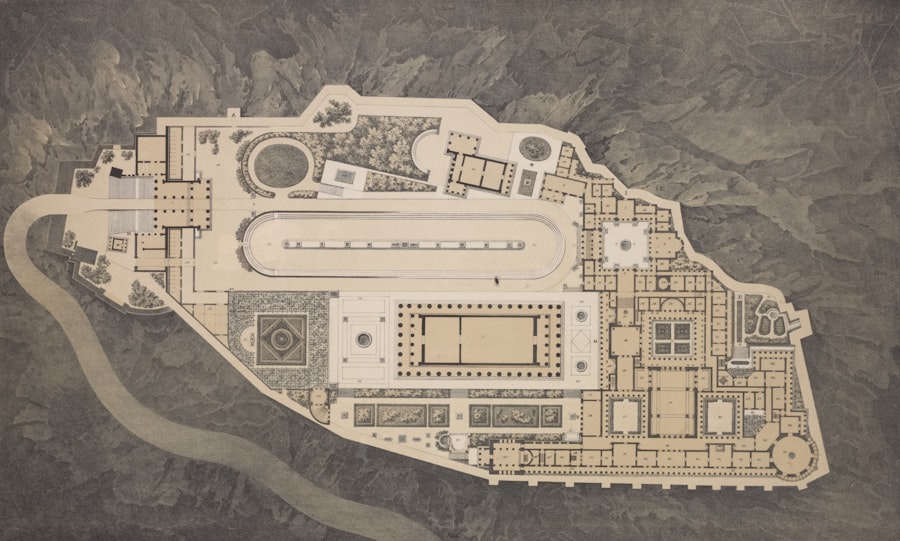
The layout of Topkapi Palace is a reflection of its historical significance and architectural brilliance. The complex is divided into several distinct sections, each serving a specific purpose. The outer courtyard, known as the First Courtyard, is accessible to the public and features lush gardens and fountains.
This area serves as an introduction to the grandeur that lies beyond, inviting visitors to explore further into the heart of the palace. As one progresses through the courtyards, they encounter the Second Courtyard, which houses important administrative buildings and ceremonial spaces. This area includes the Imperial Council Hall and various kiosks adorned with exquisite tile work.
The Third Courtyard is where the sultan’s private quarters are located, including the famous Harem section. The architecture throughout the palace showcases a harmonious blend of Islamic motifs and Byzantine influences, with intricate calligraphy, colorful tiles, and ornate ceilings that leave visitors in awe.
Must-See Attractions within Topkapi Palace
Topkapi Palace is home to numerous attractions that captivate visitors with their historical significance and artistic beauty. One of the most iconic features is the Imperial Harem, a secluded area where the sultan’s family resided. This labyrinthine section offers a glimpse into the private lives of the sultans and their consorts, showcasing lavishly decorated rooms and intricate tile work that reflect the opulence of Ottoman life.
Another must-see attraction is the Treasury, which houses an impressive collection of priceless artifacts, including jewels, gold objects, and ceremonial items. Among these treasures is the famous Spoonmaker’s Diamond, one of the largest diamonds in the world, which sparkles with an allure that has fascinated visitors for centuries. Additionally, the palace’s stunning courtyards provide breathtaking views of Istanbul and the Bosphorus, making them perfect spots for photography and reflection.
Tips for Visiting Topkapi Palace
| Map Type | Description | Scale | Dimensions (cm) | Availability | Use Case |
|---|---|---|---|---|---|
| Historical Layout Map | Shows the original palace layout during the Ottoman era | 1:500 | 50 x 70 | On-site and online | Educational and research purposes |
| Visitor Navigation Map | Guides visitors through main attractions and facilities | 1:1000 | 30 x 45 | Free at entrance | Tourist navigation |
| Garden and Courtyard Map | Details the palace gardens and courtyards | 1:750 | 40 x 60 | Available in museum shop | Botanical and architectural interest |
| Architectural Detail Map | Focuses on architectural features and restoration areas | 1:250 | 60 x 90 | Research archives | Scholarly study and restoration |
For those planning a visit to Topkapi Palace, several tips can enhance their experience. First and foremost, it is advisable to allocate ample time for exploration; at least half a day is recommended to fully appreciate the vastness of the complex and its many attractions. Visitors should also consider purchasing tickets in advance to avoid long queues, especially during peak tourist seasons.
Dress comfortably and wear appropriate footwear, as exploring the palace involves walking through expansive courtyards and climbing stairs. Additionally, guided tours can provide valuable insights into the history and significance of various sections within the palace. For those interested in photography, early morning or late afternoon visits offer softer lighting for capturing stunning images of this architectural marvel.
Exploring the Harem at Topkapi Palace

The Harem at Topkapi Palace is one of its most intriguing sections, steeped in mystery and allure. This private area was reserved for the sultan’s family and concubines, making it a fascinating glimpse into royal life during the Ottoman era. Access to this part of the palace was highly restricted, adding an air of secrecy that continues to captivate visitors today.
Inside the Harem, guests can explore beautifully decorated rooms adorned with intricate tile work and lavish furnishings. Each room tells a story of its own, from the sultan’s private chambers to communal areas where women gathered. The architecture reflects both functionality and beauty, with windows designed to allow natural light while maintaining privacy.
As visitors wander through this intimate space, they can imagine the lives led by those who once inhabited it—filled with intrigue, power struggles, and moments of quiet reflection.
Topkapi Palace Museum Collections
The museum collections housed within Topkapi Palace are among its most significant attractions. These collections encompass a wide array of artifacts that reflect the opulence and cultural richness of the Ottoman Empire. Among them are exquisite manuscripts, ceremonial weapons, and ornate clothing that showcase the artistry and craftsmanship of their time.
One highlight is the collection of Islamic relics, which includes items believed to have belonged to Prophet Muhammad. These sacred artifacts draw pilgrims and history enthusiasts alike, offering a profound connection to Islamic heritage. Additionally, visitors can marvel at intricately designed porcelain pieces from China and Japan that were collected by sultans over centuries.
Each item tells a story of trade routes and cultural exchanges that shaped not only Ottoman society but also global history.
Dining and Shopping at Topkapi Palace
While exploring Topkapi Palace can be an immersive experience in itself, visitors may also enjoy dining options within its grounds. The palace features cafes where guests can take a break from their explorations while savoring traditional Turkish cuisine or enjoying a refreshing beverage amidst beautiful surroundings. Dining here allows visitors to soak in views of lush gardens or stunning vistas over Istanbul while indulging in local flavors.
For those looking to take home a piece of their experience, shopping opportunities abound within or near Topkapi Palace. Souvenir shops offer an array of items ranging from traditional handicrafts to replicas of artifacts found within the museum collections. Visitors can find beautifully crafted ceramics, textiles, and jewelry that reflect Turkey’s rich artistic heritage—perfect mementos to remember their visit by.
Getting to Topkapi Palace
Reaching Topkapi Palace is relatively straightforward due to its central location in Istanbul. Visitors can opt for various modes of transportation depending on their preferences. Public transportation options include trams or buses that connect different parts of the city to Sultanahmet Square—the nearest major landmark to the palace.
This makes it convenient for tourists to explore multiple sites in one day while enjoying Istanbul’s vibrant atmosphere along the way. Taxis are also readily available for those seeking a more direct route or traveling from farther areas within Istanbul.
Nearby Attractions and Landmarks
Topkapi Palace is ideally situated near several other iconic landmarks that enrich any visit to Istanbul. Just a short stroll away lies Hagia Sophia—a former cathedral turned mosque that showcases stunning Byzantine architecture and rich history. Its impressive dome and intricate mosaics make it a must-see destination for art lovers.
Visitors can admire its grandeur both inside and out while experiencing its serene ambiance. Additionally, exploring the bustling Grand Bazaar offers an opportunity to immerse oneself in local culture through shopping for spices, textiles, jewelry, and more—making it an ideal complement to a visit to Topkapi Palace.
Topkapi Palace as a Must-Visit Destination
In conclusion, Topkapi Palace stands as an essential destination for anyone seeking to understand Turkey’s rich history and cultural heritage. Its stunning architecture, fascinating history, and extensive collections make it a treasure trove for visitors from around the world. As they wander through its courtyards and halls filled with stories from centuries past, they are reminded of the grandeur that once defined an empire.
Whether exploring the opulent Harem or marveling at priceless artifacts in the museum collections, each moment spent at Topkapi Palace offers a unique insight into Ottoman life. Coupled with its proximity to other historical landmarks in Istanbul, it provides an enriching experience that leaves lasting memories for all who visit this remarkable site.
The Topkapi Palace Museum, a stunning representation of Ottoman architecture and history, is often explored through various maps that highlight its intricate layout and significant landmarks. For those interested in delving deeper into the historical context and cultural significance of such sites, a related article can be found at