
Japan is a land of rich traditions and cutting-edge innovation, where the job market reflects a fascinating blend of the old and the new. As you explore the unique job landscape in Japan, you will discover a plethora of opportunities that cater to diverse interests and skills. From ancient crafts that have been passed down through generations to modern roles that embrace technology and creativity, the Japanese job market is anything but ordinary.
This article will take you on a journey through various sectors, highlighting traditional, modern, quirky, and culturally significant jobs that define the unique employment landscape in Japan. As you delve deeper into this intriguing world, you will find that Japan’s unique jobs are not just about earning a living; they often embody the country’s cultural values and societal norms. Whether you are a foreigner looking to work in Japan or a local seeking a career change, understanding these unique roles can provide valuable insights into the country’s work culture.
By embracing the diversity of job opportunities available, you can find a path that resonates with your passions and aspirations.
Key Takeaways
- Japan offers a diverse range of unique job opportunities spanning traditional, modern, and quirky roles.
- Foreigners can find various job opportunities, especially in sectors like technology, entertainment, and education.
- Cultural, artistic, and entertainment industries play a significant role in Japan’s unique job market.
- The technology and innovation sector in Japan is a hub for cutting-edge and specialized careers.
- Embracing diversity in Japan’s job market fosters growth across healthcare, food, and wellness industries.
Traditional Jobs in Japan
Japan’s traditional jobs are deeply rooted in its history and culture, often reflecting the values of craftsmanship, dedication, and community. One of the most iconic traditional roles is that of a kimono maker. As you may know, kimonos are not just garments; they are symbols of Japanese heritage.
The art of kimono making involves intricate techniques passed down through generations, requiring years of training and practice. If you have an appreciation for textiles and craftsmanship, this role offers a unique opportunity to immerse yourself in Japan’s rich cultural tapestry. Another traditional job that stands out is that of a sake brewer.
Sake, or rice wine, has been an integral part of Japanese culture for centuries. The brewing process is an art form in itself, combining science and tradition. As a sake brewer, you would engage in meticulous processes that include selecting the right rice, controlling fermentation temperatures, and aging the final product.
This role not only allows you to connect with Japan’s culinary heritage but also offers a chance to participate in local festivals and celebrations where sake plays a central role.
Modern and Trendy Jobs in Japan

In contrast to traditional roles, modern and trendy jobs in Japan reflect the country’s rapid technological advancements and evolving societal trends. One such role is that of a digital marketing specialist. As businesses increasingly shift their focus to online platforms, the demand for skilled professionals who can navigate social media, SEO, and content marketing has surged.
If you have a knack for creativity and analytics, this position allows you to shape brand narratives in an ever-changing digital landscape. Another modern job gaining traction is that of a UX/UI designer. With Japan being home to numerous tech companies and startups, the need for user-centered design has never been more critical.
In this role, you would be responsible for creating intuitive interfaces that enhance user experiences across various digital platforms. This position not only requires technical skills but also an understanding of cultural nuances that influence design preferences in Japan.
Unusual and Quirky Jobs in Japan
| Job Title | Description | Average Monthly Salary | Popularity (Number of Workers) | Unique Aspect |
|---|---|---|---|---|
| Professional Cuddler | Offers platonic cuddling sessions to clients for relaxation and emotional comfort. | 150,000 | 500 | Emotional support through physical touch |
| Pet Food Taster | Tastes pet food to ensure quality and flavor before production. | 180,000 | 50 | Ensures pet food palatability |
| Professional Mourner | Hired to attend funerals and express grief to honor the deceased. | 120,000 | 200 | Enhances funeral atmosphere |
| Line Stand-In | Waits in long queues on behalf of clients for product releases or events. | 100,000 | 1,000 | Saves clients’ time |
| Professional Apologizer | Performs formal apologies for companies or individuals in public or media. | 220,000 | 150 | Manages public relations |
Japan is renowned for its quirky and unusual jobs that often defy conventional career paths. One such role is that of a professional “line sitter.” In a country where limited edition products often create long queues, line sitters are hired to stand in line for hours on behalf of customers who wish to secure exclusive items. This job may seem unconventional, but it highlights the lengths to which people will go to obtain coveted goods in Japan’s consumer culture.
Another fascinating job is that of a “cat cafe” employee. Cat cafes have become immensely popular in urban areas, providing a space for cat lovers to relax and interact with feline companions while enjoying beverages. As an employee at such a cafe, your responsibilities would include caring for the cats, ensuring a pleasant environment for customers, and promoting the cafe’s unique offerings.
This role combines customer service with a love for animals, making it an ideal fit for those who enjoy both.
Job Opportunities for Foreigners in Japan
For foreigners seeking employment in Japan, there are numerous opportunities across various sectors. English teaching remains one of the most popular options, with programs like JET (Japan Exchange and Teaching) offering positions in schools throughout the country. As an English teacher, you would not only share your language skills but also immerse yourself in Japanese culture, making it an enriching experience both personally and professionally.
In addition to teaching, many companies are actively seeking foreign talent to bring diverse perspectives to their teams. Industries such as IT, finance, and hospitality are particularly open to hiring foreigners with specialized skills or language proficiency. If you possess expertise in areas like software development or project management, you may find yourself in high demand as Japanese companies strive to remain competitive on a global scale.
Cultural and Artistic Jobs in Japan
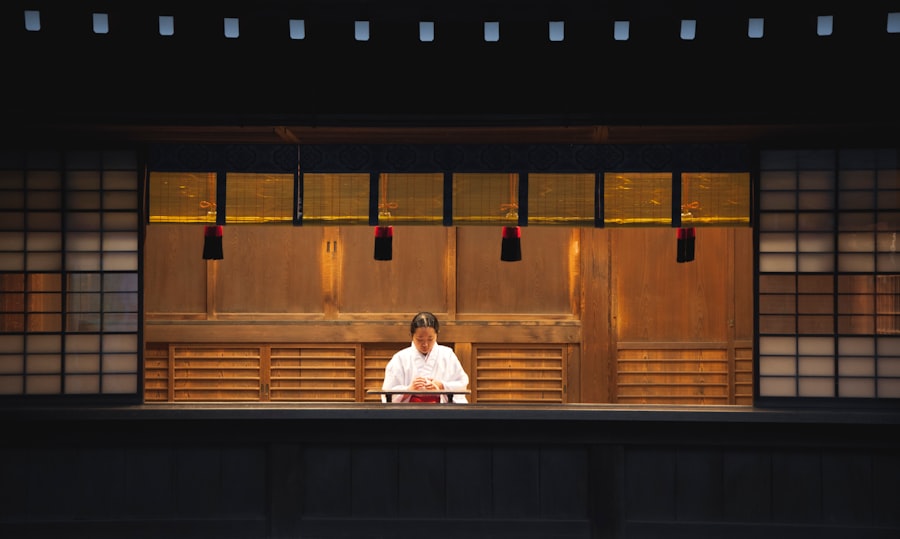
Japan’s rich cultural heritage provides ample opportunities for those interested in artistic careers. One prominent role is that of a calligrapher, where you can express your creativity through the art of beautiful writing. Calligraphy is not merely about forming letters; it embodies philosophy and emotion.
As a calligrapher, you would have the chance to create stunning pieces for various occasions, from weddings to corporate events. Another artistic career worth exploring is that of a traditional craftsman specializing in pottery or ceramics.
If you have an affinity for hands-on work and an appreciation for aesthetics, becoming a potter allows you to create functional art while preserving traditional techniques.
Jobs in the Entertainment Industry in Japan
The entertainment industry in Japan is vibrant and diverse, offering numerous career paths for those passionate about performing arts or media production. One exciting role is that of an anime voice actor. With anime being a significant part of Japanese pop culture, voice actors bring characters to life through their vocal performances.
If you have a flair for acting and enjoy storytelling, this career can be both fulfilling and entertaining. Additionally, working as a game designer or developer presents another thrilling opportunity within Japan’s entertainment sector. With companies like Nintendo and Sony leading the gaming industry globally, your creativity could contribute to developing innovative games that captivate audiences worldwide.
This role requires technical skills as well as an understanding of player psychology to create engaging experiences.
Unique Jobs in the Technology and Innovation Sector in Japan
Japan is at the forefront of technological innovation, making it an exciting place for those interested in tech-related careers. One unique job is that of a robotics engineer. With Japan being a leader in robotics development, engineers play a crucial role in designing robots for various applications—from manufacturing to healthcare.
If you have a passion for engineering and technology, this career allows you to contribute to groundbreaking advancements that can change lives. Another emerging field is that of data scientists specializing in artificial intelligence (AI). As businesses increasingly rely on data-driven decision-making, the demand for skilled professionals who can analyze complex datasets has skyrocketed.
In this role, you would leverage your analytical skills to develop AI models that enhance business operations or improve customer experiences.
Jobs in the Food and Beverage Industry in Japan
The food and beverage industry in Japan is renowned for its culinary excellence and innovation. One unique job within this sector is that of a sushi chef. Mastering the art of sushi-making requires years of training and dedication to perfecting techniques such as rice preparation and fish selection.
If you have a passion for culinary arts and enjoy working with fresh ingredients, becoming a sushi chef can be both rewarding and culturally enriching. Another interesting role is that of a food stylist or photographer specializing in Japanese cuisine.
If you have an eye for aesthetics and enjoy photography or design, this career allows you to combine your passions while celebrating Japan’s culinary heritage.
Jobs in the Healthcare and Wellness Industry in Japan
The healthcare and wellness industry in Japan offers diverse career opportunities for those interested in promoting health and well-being. One prominent role is that of a traditional Japanese medicine practitioner specializing in acupuncture or herbal medicine. These practices have been integral to Japanese culture for centuries and continue to gain recognition worldwide.
If you have an interest in holistic health approaches, this career allows you to help individuals achieve balance and wellness. Additionally, roles such as wellness coaches or fitness trainers are becoming increasingly popular as more people prioritize health and fitness. In this capacity, you would guide clients on their wellness journeys through personalized fitness plans or nutritional advice.
This career not only allows you to make a positive impact on others’ lives but also promotes healthy living within communities.
Embracing Diversity in the Job Market in Japan
As you can see, Japan’s job market is incredibly diverse, offering unique opportunities across various sectors that cater to different interests and skill sets. From traditional crafts to modern technology roles, each job reflects the rich cultural tapestry that defines Japan. Embracing this diversity not only enriches your professional journey but also allows you to connect with the country’s heritage and contemporary innovations.
Whether you’re considering relocating to Japan or simply exploring career options within its borders, understanding these unique jobs can help guide your path toward fulfilling employment. By appreciating the blend of tradition and modernity present in Japan’s job market, you can find opportunities that resonate with your passions while contributing positively to society at large.
In recent years, the landscape of non-regular work in Japan has garnered significant attention, particularly as it relates to the changing dynamics of the labor market. For a deeper understanding of this topic, you can explore the article on the impact of non-regular employment on workers’ rights and economic stability in Japan. To read more, visit this article.
WATCH THIS! The Silent Collapse: Why Japan’s Economy Was a Lie
FAQs
What is non-regular work in Japan?
Non-regular work in Japan refers to employment types that differ from full-time, permanent positions. This includes part-time jobs, temporary work, contract employment, and dispatched labor. These jobs often have less job security and fewer benefits compared to regular full-time employment.
Why is non-regular work common in Japan?
Non-regular work is common in Japan due to economic factors, labor market flexibility, and company strategies to reduce costs. It allows employers to adjust workforce size according to demand and provides opportunities for workers who prefer flexible or short-term employment.
What are the typical characteristics of non-regular workers in Japan?
Non-regular workers in Japan typically have lower wages, fewer benefits, less job security, and limited career advancement opportunities compared to regular employees. They often work part-time or on fixed-term contracts and may not receive bonuses or retirement benefits.
How does non-regular work affect workers’ social security in Japan?
Non-regular workers may have limited access to social security benefits such as health insurance, pension plans, and unemployment insurance, depending on their working hours and contract terms. This can affect their financial stability and long-term welfare.
Are there any government policies addressing non-regular work in Japan?
Yes, the Japanese government has implemented policies to improve working conditions for non-regular workers, such as promoting equal pay for equal work and enhancing social security coverage. Efforts are ongoing to reduce disparities between regular and non-regular employees.
What sectors in Japan have a high proportion of non-regular workers?
Sectors with a high proportion of non-regular workers in Japan include retail, hospitality, healthcare, manufacturing, and services. These industries often rely on flexible labor to meet fluctuating demand.
Can non-regular workers in Japan transition to regular employment?
While it is possible for non-regular workers to transition to regular employment, it can be challenging due to competition and company hiring practices. Some companies offer pathways for non-regular employees to become regular staff, but this is not guaranteed.
How does non-regular work impact Japan’s economy?
Non-regular work contributes to labor market flexibility and can help businesses manage costs. However, it also raises concerns about income inequality, job security, and long-term economic stability due to the precarious nature of such employment.