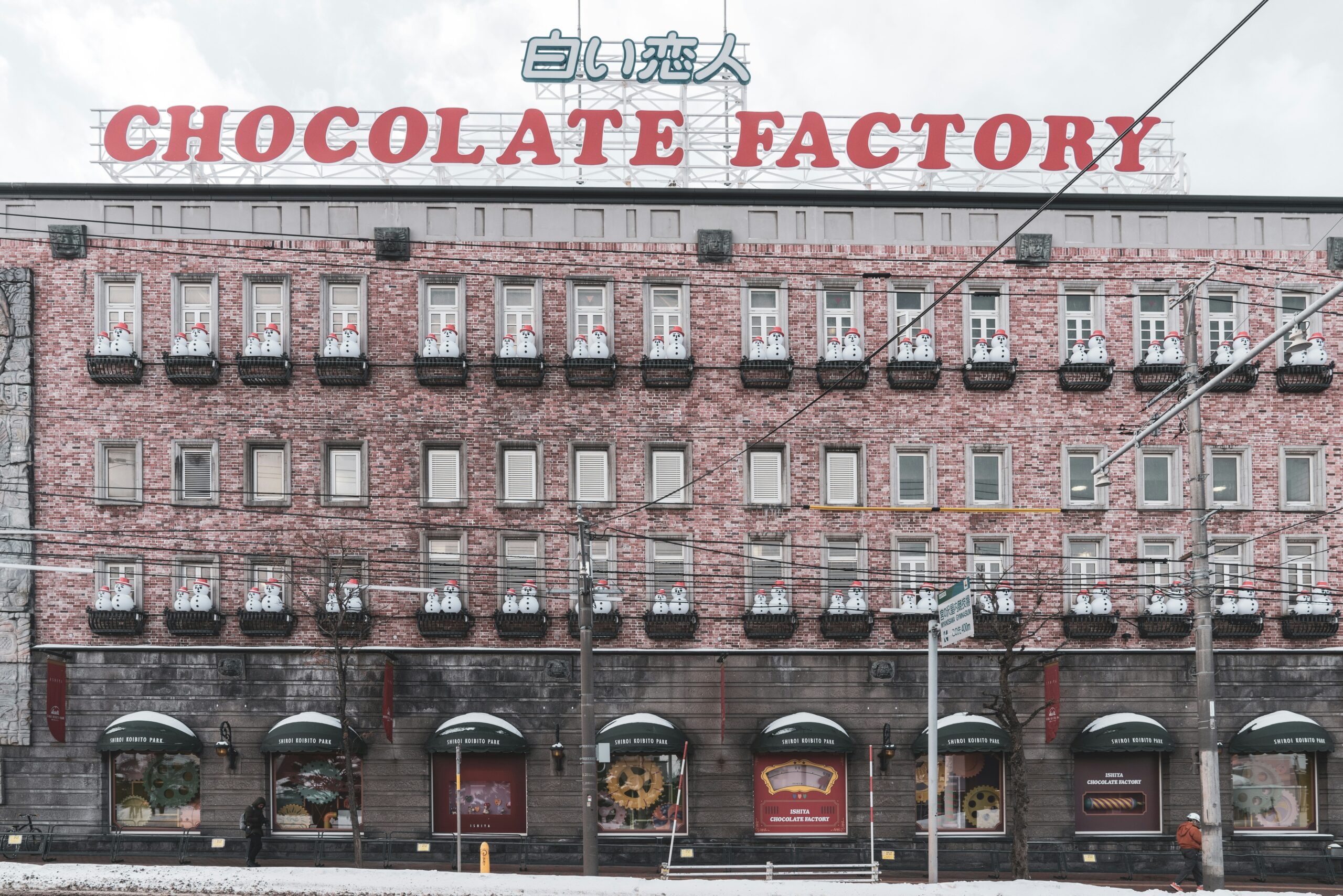
Factory relocation, a complex undertaking involving the strategic movement of a manufacturing facility from one location to another, is often viewed with apprehension due to its inherent risks and logistical challenges. However, when executed with meticulous planning and strategic foresight, factory relocations can serve as powerful catalysts for growth, efficiency, and long-term sustainability. This article delves into several case studies that exemplify successful factory relocations, illustrating how businesses have navigated these transformative processes to achieve significant operational and strategic advantages. These stories are not about magic bullets or overnight miracles; they are testament to the power of informed decision-making, robust project management, and a clear understanding of the evolving industrial landscape.
A.B.C. Manufacturing, a mid-sized producer of specialized automotive components, found itself at a crossroads. Its aging facility, nestled in a Rust Belt city, was grappling with escalating operational costs, a shrinking skilled labor pool, and increasingly stringent environmental regulations. The decision to relocate was not taken lightly. It was a calculated gamble, akin to a seasoned sailor charting a new course to avoid an approaching storm. The company’s leadership recognized that staying put would be akin to anchoring a ship in a harbor with dwindling resources, eventually leading to stagnation.
The Strategic Imperative: Cost Reduction and Market Access
The primary drivers for A.B.C. Manufacturing’s relocation were multifaceted. Firstly, labor costs had become a significant impediment to competitiveness. The established wage structure and benefits packages in their original location, while historically fair, were no longer sustainable in the face of global competition. Secondly, proximity to key markets was becoming increasingly critical. Shipping finished goods across vast distances added considerable lead times and transportation expenses, eating into profit margins. The existing facility, established decades prior, offered no practical solution to these burgeoning issues.
The Relocation Tango: A Multi-Year Choreography
The relocation process was a meticulously planned, multi-year undertaking. The initial phase involved extensive site selection analysis. This was not a superficial exercise but a deep dive into a multitude of factors, including:
Labor Availability and Skill Sets
The search focused on regions with a demonstrable supply of skilled manufacturing labor, particularly those with experience in precision machining and quality control. Data on prevailing wage rates, unionization levels, and the presence of vocational training programs were rigorously examined.
Infrastructure and Logistics
Access to robust transportation networks – highways, rail lines, and ideally, proximity to an international airport or seaport – was paramount. The availability of reliable utilities, including power, water, and telecommunications, was also a non-negotiable factor.
Incentives and Regulatory Environment
The company actively sought out states and municipalities offering attractive economic development incentives. These could range from tax abatements and grants for job creation to assistance with workforce training and infrastructure development. Simultaneously, a favorable and predictable regulatory environment was sought, particularly concerning environmental compliance and permitting processes, which had become a significant burden at the previous site.
Cost of Doing Business
Beyond labor, the overall cost of doing business was analyzed comprehensively. This included the cost of real estate (both land acquisition and construction or lease of facilities), energy costs, and local tax structures. The goal was to find a location that offered a superior cost-benefit ratio.
Execution and Integration: Rebuilding the Engine
Once the new site in a rapidly growing Sunbelt state was identified, the execution phase commenced. This involved:
Facility Design and Construction
A new, state-of-the-art facility was designed to optimize production flow, incorporate advanced automation, and adhere to the latest environmental standards. This was an opportunity to shed the constraints of the old, inefficient layout.
Workforce Recruitment and Training
A significant effort was dedicated to recruiting and training a new workforce. Partnerships were forged with local community colleges and technical schools to develop tailored training programs, ensuring that new hires possessed the necessary skills. Existing A.B.C. employees were offered relocation assistance and incentives to encourage their transition, preserving institutional knowledge.
Phased Operational Transfer
The relocation was not an immediate switch. A phased approach was adopted to minimize disruption. Production lines were strategically moved in stages, with buffer stock managed carefully to maintain customer supply. This phased transfer was like carefully transplanting a delicate plant, ensuring minimal shock to its system.
Technology Integration
The new facility was equipped with the latest manufacturing technologies, including advanced robotics and data analytics systems. This served to not only enhance efficiency but also to provide a more attractive working environment for the new workforce.
Outcomes and Lessons Learned
The relocation proved to be a resounding success. Within two years, A.B.C. Manufacturing reported a 20% reduction in operational costs, primarily driven by lower labor and energy expenses. The improved logistical access led to faster delivery times and reduced shipping costs, enhancing customer satisfaction and expanding market reach. The new facility, with its modern infrastructure, also attracted higher-caliber talent, leading to a 5% increase in overall productivity.
Key lessons learned include the critical importance of early and transparent communication not only with employees but also with the local community and stakeholders in both the old and new locations. The robustness of the site selection process was a cornerstone of the success. Furthermore, understanding and leveraging local and state economic development programs can significantly offset relocation costs and facilitate integration. The project underscored that a factory relocation is not merely a physical move, but a fundamental reinvention of a company’s operational DNA.
In exploring the dynamics of successful factory relocations, one can draw parallels to the intricate processes involved in environmental studies, such as those highlighted in the article “Unveiling the Antarctic Ice Cap Seismic Profile.” This article delves into the methodologies used to analyze seismic data, which can be likened to the strategic planning and execution required for relocating manufacturing facilities. Understanding the geological shifts and environmental factors in the Antarctic can provide valuable insights into the logistical challenges faced during factory relocations. For more information, you can read the article here: Unveiling the Antarctic Ice Cap Seismic Profile.
Case Study 2: “TechSolutions’ Global Reach via Strategic Offshore Relocation”
TechSolutions, a company specializing in high-precision electronic components, faced a unique challenge. While its product quality was renowned, the mounting costs associated with onshore manufacturing were hindering its ability to compete in the global marketplace. The company’s leadership recognized that to truly thrive, it needed to establish a manufacturing presence closer to key emerging markets and leverage the benefits of offshore production. This was akin to a keen chess player repositioning their pieces to control more of the board.
The Global Imperative: Competitiveness and Market Expansion
The strategic imperative for TechSolutions was clear: enhance global competitiveness and secure access to rapidly growing markets. Onshore production, while maintaining high quality, was becoming prohibitively expensive. The company aimed to:
Reduce Manufacturing Overhead
This was the most significant driver. Lower labor costs, more affordable raw materials, and potentially more favorable energy prices in targeted offshore locations were key.
Improve Supply Chain Agility
Establishing manufacturing closer to key consumer markets in Asia would significantly reduce lead times for delivery and enable quicker responses to market demand shifts.
Access New Talent Pools
Certain offshore regions offered specialized engineering and manufacturing talent that could complement and augment its existing capabilities.
Diversify Production Risk
Having manufacturing hubs in different geographical regions provided resilience against localized disruptions.
The Offshore Odyssey: Navigating Unfamiliar Waters
The relocation journey for TechSolutions was a far more complex undertaking than a domestic move, requiring a heightened degree of diligence and cultural understanding.
Rigorous Due Diligence on Potential Partners
Instead of building from scratch, TechSolutions opted for a joint venture and the acquisition of an existing facility in Southeast Asia. This necessitated extensive due diligence on potential partners, examining their:
Quality Control Systems and Certifications
Ensuring that their quality management systems met or exceeded TechSolutions’ stringent standards was paramount. This involved on-site audits and verification of relevant international certifications.
Ethical Labor Practices and Compliance
A critical aspect was verifying compliance with local labor laws and ensuring ethical treatment of workers, avoiding any association with exploitative practices.
Financial Stability and Reputation
Assessing the financial health and market reputation of potential partners was crucial to mitigate risks.
Cultural and Operational Integration
Bridging the cultural and operational divide was a significant undertaking. This involved:
Cross-Cultural Training
Providing comprehensive training for both expatriate management and local staff on communication styles, work ethics, and business etiquette was essential for seamless collaboration.
Standardizing Processes and Systems
Implementing TechSolutions’ proprietary manufacturing processes, quality control protocols, and IT systems within the new facility required careful planning and meticulous execution. This was like carefully aligning gears in a complex clockwork mechanism.
Building Local Leadership
Empowering and developing local talent to take on leadership roles was key to long-term sustainability and fostering a sense of ownership.
Intellectual Property Protection
A major concern in offshore operations is the protection of intellectual property. TechSolutions implemented a multi-layered strategy, including:
Robust Legal Agreements
Ensuring comprehensive legal frameworks were in place for intellectual property protection with partners and suppliers.
Secure Data Management
Implementing strict protocols for data access and transfer to prevent unauthorized disclosure.
Phased Technology Transfer
Carefully managing the transfer of sensitive technologies and processes.
Outcomes and Lessons Learned
The offshore relocation allowed TechSolutions to achieve a 30% reduction in manufacturing costs within three years of the move. This directly translated into increased profitability and the ability to offer more competitive pricing. The improved supply chain agility led to a 15% reduction in order fulfillment times for key Asian markets. The venture also provided a platform for talent development, with several local engineers and managers rising to senior positions within the company.
However, the journey was not without its challenges. Communication barriers, though diligently addressed, occasionally led to misunderstandings. Navigating complex regulatory environments in the new country required persistent effort and the engagement of local legal and business expertise. The primary lesson for TechSolutions was the absolute necessity of deep cultural immersion and building strong, trusted relationships with local partners and employees. It also highlighted the critical role of proactive risk management, particularly concerning intellectual property and supply chain vulnerabilities. This relocation transformed TechSolutions from a domestic player into a truly global force.
Case Study 3: “GreenTech Innovations’ Sustainable Relocation to a Greenfield Site”

GreenTech Innovations, a pioneer in renewable energy technology, faced a growth constraint. Their existing urban facility, while well-established, was geographically constricted, limiting expansion possibilities and hindering their ability to implement cutting-edge, sustainable manufacturing practices. The company’s ethos was deeply rooted in environmental responsibility, and their physical plant needed to reflect this commitment. The decision to relocate to a greenfield site was a bold move, akin to planting a seed in fertile ground, expecting a flourishing future.
The Sustainability Mandate: Environmental Stewardship and Future-Proofing
GreenTech Innovations’ relocation was driven by a powerful mandate for sustainability and future-proofing their operations. Their objectives included:
Minimizing Environmental Footprint
Relocating to a greenfield site offered a blank canvas to design a facility with the lowest possible environmental impact, incorporating renewable energy generation, water conservation, and waste reduction strategies from the ground up.
Enabling Scalability and Innovation
The new site offered ample space for future expansion, accommodating anticipated growth in demand for their products and the flexibility to integrate new technologies as they emerged.
Enhancing Worker Well-being
A new, purpose-built facility could be designed with optimal natural light, air quality, and access to green spaces, contributing to a healthier and more productive work environment.
Attracting Top Talent Passionate About Sustainability
A company demonstrably committed to environmental principles would naturally attract individuals who shared those values.
The Greenfield Blueprint: Building from the Ground Up
The greenfield relocation involved a comprehensive, integrated approach to design and construction:
Site Selection with Environmental Criteria
The site selection process prioritized locations with:
Proximity to Renewable Energy Sources
Sites with access to solar or wind energy potential, or those within a grid powered by renewable sources, were favored.
Water Availability and Conservation Potential
Considering water scarcity and opportunities for rainwater harvesting and greywater recycling.
Minimal Ecological Impact
Avoiding sensitive ecosystems and prioritizing brownfield or underutilized agricultural land where possible.
Sustainable Facility Design and Construction
The facility itself was designed as a model of sustainability:
Energy Efficiency
Utilizing passive solar design, high-performance insulation, energy-efficient lighting, and smart building management systems.
On-site Renewable Energy Generation
Incorporating solar panels and potentially wind turbines to offset energy consumption.
Water Management
Implementing rainwater harvesting systems for irrigation and non-potable uses, alongside advanced wastewater treatment.
Waste Reduction and Recycling
Designing for efficient material handling, comprehensive recycling programs, and minimizing construction waste.
Integration of Advanced Manufacturing Processes
The new facility was equipped with:
Lean Manufacturing Principles
Optimizing workflow and minimizing waste in production.
Automation and Robotics
Enhancing efficiency and precision while ensuring employee safety.
Smart Factory Technologies
Leveraging IoT sensors and data analytics for real-time monitoring and optimization of operations.
Community Engagement and Workforce Development
Engaging with the local community was crucial:
Local Hiring Initiatives
Prioritizing the hiring of local residents and providing them with comprehensive training.
Partnerships with Educational Institutions
Collaborating with local universities and colleges to develop specialized programs in renewable energy and advanced manufacturing.
Outcomes and Lessons Learned
The relocation to the greenfield site allowed GreenTech Innovations to reduce its operational energy consumption by 40% through a combination of efficient design and on-site renewable energy generation. This not only significantly lowered operating costs but also drastically reduced their carbon footprint, reinforcing their brand image. The expanded facility provided the capacity for a projected 50% increase in production over the next five years. The aesthetically pleasing and environmentally conscious work environment contributed to a measurable increase in employee satisfaction and retention.
The key takeaway from GreenTech Innovations’ experience is that a relocation can be a powerful platform for embedding sustainability into the very fabric of an organization. It demonstrated that environmental responsibility and economic viability are not mutually exclusive, but rather complementary forces that can drive innovation and long-term success. The success hinged on a holistic approach, integrating environmental considerations into every stage of the planning and execution process, proving that a factory can indeed be a good neighbor to the planet.
Case Study 4: “Diversified Manufacturing’s Consolidation Advantage”

Diversified Manufacturing, a conglomerate with multiple specialized divisions, faced inefficiencies stemming from a dispersed operational footprint. Each division occupied its own facility, leading to duplicated overhead, fragmented supply chains, and a lack of synergistic collaboration. The decision to consolidate into a single, purpose-built, modern facility was a strategic imperative to unlock economies of scale and streamline operations. This was akin to gathering scattered soldiers under one banner to form a more formidable army.
The Consolidation Imperative: Efficiency and Synergies
The primary drivers for Diversified Manufacturing’s consolidation were:
Economies of Scale
Operating multiple smaller facilities meant paying for separate utilities, maintenance, administrative staff, and management across each site. Consolidation promised to leverage bulk purchasing power and shared resources.
Supply Chain Optimization
Having all divisions under one roof facilitated better integration of their respective supply chains, reducing inter-facility transportation costs and lead times.
Enhanced Collaboration and Innovation
Bringing diverse teams together under one roof fostered cross-pollination of ideas and encouraged collaboration, potentially leading to new product development and process improvements.
Reduced Overhead Costs
Eliminating redundant administrative functions, real estate holdings, and duplicate support services offered significant cost savings.
Improved Inventory Management
Consolidation allowed for a more centralized and efficient inventory management system, reducing carrying costs and minimizing stockouts.
The Consolidation Blueprint: Integrating Diverse Operations
The consolidation project was a monumental undertaking, requiring meticulous planning to integrate distinct operational units:
Site Selection for Centralization
The chosen site needed to be:
Logistically Central
Located strategically to minimize transportation costs and travel times for the majority of employees and suppliers.
Sufficiently Sized
Large enough to accommodate the integrated operations of all divisions, with room for future expansion.
Supportive Infrastructure
Ensuring access to reliable utilities, transportation networks, and a skilled labor pool.
Facility Design for Multi-Divisional Operations
The new facility was designed with flexibility and specialized needs in mind:
Modular Production Zones
Creating distinct, self-contained zones for each division, allowing for specialized equipment and processes while maintaining overall integration.
Shared Services Hub
Establishing central areas for common functions such as R&D, quality control, warehousing, and administrative offices.
Advanced Material Handling Systems
Implementing efficient systems to move materials and finished goods between different production zones.
Phased Transition and Change Management
The transition was carefully managed to minimize disruption:
Sequential Relocation
Divisions were relocated in a phased manner, prioritizing those with the least critical immediate production needs or those that could be temporarily supported by existing infrastructure.
Comprehensive Communication Strategy
Maintaining open and frequent communication with employees across all divisions, addressing concerns and managing expectations throughout the process.
Cross-Training and Knowledge Transfer
Facilitating cross-training between divisions where processes overlapped or could benefit from shared expertise.
Technology Integration
Standardizing IT systems and enterprise resource planning (ERP) platforms across all divisions to enable seamless data flow and reporting.
Outcomes and Lessons Learned
The consolidation of Diversified Manufacturing resulted in an estimated 25% reduction in operational costs within three years, primarily driven by shared services, optimized logistics, and reduced administrative overhead. The enhanced collaboration led to the launch of three new cross-divisional product lines, increasing revenue streams. Inventory holding costs decreased by 18% due to improved management.
The critical lesson from Diversified Manufacturing’s experience is the paramount importance of effective change management when integrating disparate entities. Clear communication, employee involvement, and a well-defined transition plan are vital to mitigating resistance and ensuring buy-in. The project also underscored the value of investing in flexible facility design that can adapt to evolving needs and the integration of robust IT infrastructure to support seamless operations. This consolidation was not just a physical move but a strategic redesign of the company’s operational architecture.
In exploring the dynamics of successful factory relocations, it is interesting to consider how urban development and economic shifts influence such decisions. A related article discusses the trends surrounding ancient city abandonment, which can provide valuable insights into the factors that lead to the relocation of industries in modern contexts. For a deeper understanding of these patterns, you can read more in this article on uncovering ancient city abandonment trends. This connection highlights the importance of adapting to changing environments, whether in historical or contemporary settings.
Case Study 5: “Small Manufacturer’s Nimble Move to a Cost-Effective Region”
| Company | Original Location | New Location | Reason for Relocation | Year of Relocation | Key Benefits Achieved | Challenges Faced |
|---|---|---|---|---|---|---|
| ABC Electronics | Detroit, USA | Shenzhen, China | Lower labor costs and proximity to suppliers | 2018 | 30% reduction in production costs, improved supply chain efficiency | Initial quality control issues, cultural differences |
| Global Textiles | Manchester, UK | Ho Chi Minh City, Vietnam | Access to emerging markets and skilled workforce | 2020 | Increased production capacity by 40%, faster lead times | Logistics setup delays, regulatory compliance |
| AutoParts Inc. | Stuttgart, Germany | Prague, Czech Republic | Cost optimization and EU market access | 2019 | 20% cost savings, improved delivery times within Europe | Workforce training, initial equipment relocation costs |
| FreshFoods Co. | Los Angeles, USA | Mexico City, Mexico | Reduce tariffs and improve distribution network | 2021 | 15% reduction in tariffs, expanded regional distribution | Supply chain disruptions during transition |
| SmartGadgets Ltd. | Seoul, South Korea | Bangalore, India | Access to IT talent and cost reduction | 2022 | 25% reduction in operational costs, enhanced R&D capabilities | Infrastructure challenges, time zone coordination |
“Artisan Crafts,” a small but growing manufacturer of bespoke wooden furniture, operated out of a leased facility in a high-cost urban area. As their order book grew, the limitations of their cramped space and escalating rental costs became a significant bottleneck. The company’s leadership, while valuing their existing customer base, recognized that continued growth necessitated a move to a more cost-effective environment. This was a judicious adjustment, like a discerning artisan selecting a more suitable workshop to refine their crafts.
The Cost Constraint and Growth Hurdle
Artisan Crafts faced a clear growth impediment:
High Overhead Costs
Exorbitant rental rates and utility costs in their urban location were eating into profit margins, limiting reinvestment in equipment and staff.
Space Limitations
The small leased facility restricted production capacity and the ability to scale output to meet increasing demand.
Limited Access to Skilled Labor
While they had a dedicated team, attracting new talent with specialized woodworking skills was becoming increasingly difficult and expensive in the urban setting.
The Nimble Relocation: Strategic Agility for a Small Enterprise
For a smaller enterprise like Artisan Crafts, a nimble and cost-conscious approach was essential:
Targeted Site Selection
The search focused on smaller towns and rural areas within a reasonable driving distance of their existing customer base, prioritizing:
Lower Real Estate Costs
Seeking significantly lower rental or purchase prices for industrial or workshop spaces.
Reduced Operating Expenses
Investigating regions with more affordable utility rates.
Access to a Viable Labor Pool
Identifying areas with a potential supply of skilled tradespeople or where training initiatives could be established.
Lean and Efficient Facility Adaptation
Instead of building from scratch, Artisan Crafts opted for:
Acquiring an Existing, Underutilized Space
Purchasing a smaller, older building in a more affordable region and undertaking targeted renovations.
Optimizing Layout for Workflow
Reconfiguring the acquired space to maximize production efficiency and accommodate new machinery.
Phased Equipment Upgrade
Strategically upgrading machinery in stages to manage capital expenditure.
Leveraging Local Support and Networks
Artisan Crafts actively sought out local resources:
Engaging with Local Economic Development Offices
Utilizing the assistance and guidance offered by regional development agencies.
Building Relationships with Local Suppliers
Establishing strong ties with local timber suppliers and hardware providers.
Community Integration
Becoming an active participant in the local community, fostering goodwill and attracting local talent.
Outcomes and Lessons Learned
The relocation to a smaller town in a more rural region allowed Artisan Crafts to reduce their annual overhead costs by 35%. This savings enabled them to invest in new, more efficient machinery, increasing their production capacity by 40% within two years. The enhanced affordability also allowed them to offer more competitive pricing, attracting new customers. Employee retention remained high, as the new location offered a better quality of life for many.
The key lesson from “Artisan Crafts” is that successful relocation is not solely the domain of large corporations. Small businesses can achieve significant benefits through strategic agility and a focused approach. Their success was built on prioritizing cost-effectiveness and operational efficiency over grand gestures. For smaller manufacturers, a move does not need to be a colossal undertaking; it can be a precisely executed maneuver that unlocks new growth potential, demonstrating that even a small boat can navigate choppy waters with the right adjustments to its sails.
FAQs
What are common reasons for factory relocations?
Factory relocations often occur due to factors such as reducing operational costs, accessing new markets, improving supply chain efficiency, upgrading to modern facilities, or responding to regulatory changes.
How do companies ensure a smooth transition during a factory relocation?
Companies typically conduct thorough planning, including detailed timelines, risk assessments, employee communication strategies, and coordination with suppliers and logistics partners to minimize downtime and disruptions.
What are some key challenges faced during factory relocations?
Challenges can include logistical complexities, employee retention issues, equipment transfer and installation, compliance with local regulations, and potential production delays.
How do successful case studies demonstrate the benefits of factory relocation?
Successful case studies often highlight improved cost efficiency, enhanced production capacity, access to skilled labor, better infrastructure, and increased competitiveness in the market.
What role does technology play in successful factory relocations?
Technology aids in project management, equipment monitoring, communication, and automation, helping to streamline the relocation process and ensure operational continuity post-move.