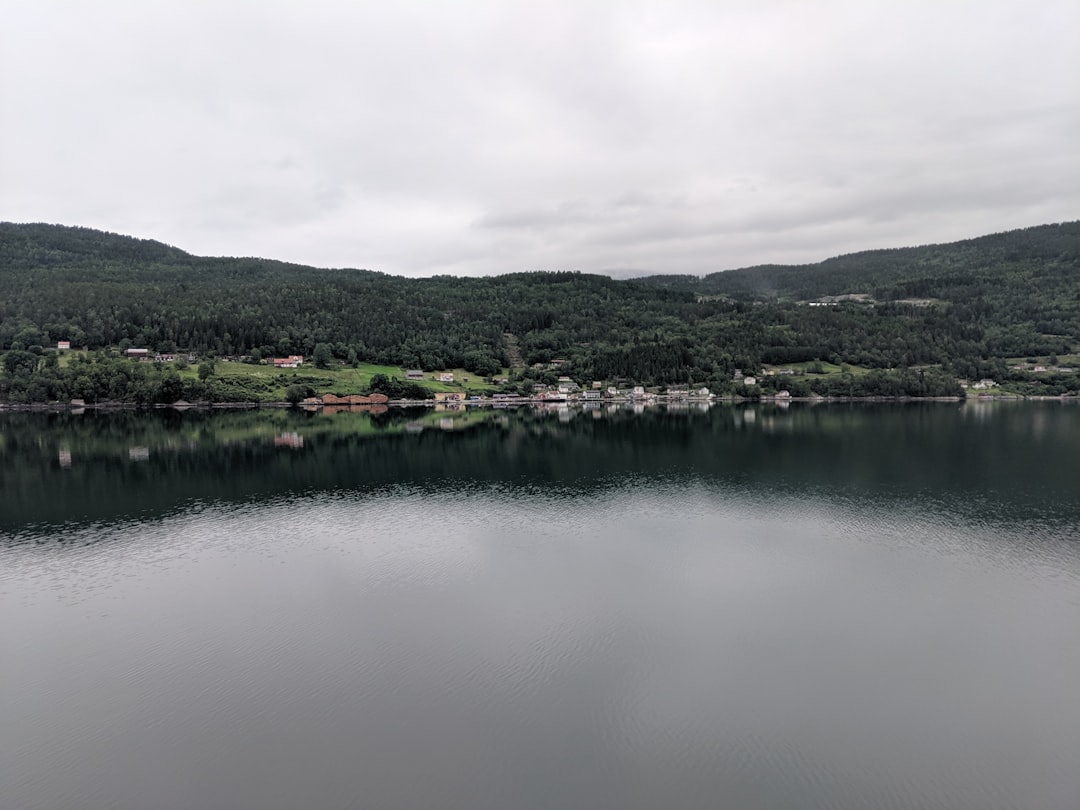
The proximity of fjords to exposed landmasses, particularly those characterized by significant exposed bedrock and glacial erosion features, presents a unique nexus for observing and understanding early melt timing. This relationship is not merely spatial; it is deeply hydrological and climatological, with the landform acting as both a driver and a recipient of meltwater processes. Early melt timing, in this context, refers to the initiation of substantial snow and ice melt occurring earlier than historical averages, driven by rising ambient temperatures. The interplay between the fjord environment and its adjacent landfalls offers a sensitive indicator of broader climatic shifts, impacting both local ecosystems and regional hydrological cycles.
The Geomorphological Landscape and Its Influence
The physical characteristics of landfalls adjacent to fjords are instrumental in determining the patterns and timing of early melt. These landforms, shaped by past glacial activity, possess specific hydrological properties that dictate snow accumulation, retention, and subsequent melt.
Glacial Scars and Hydrological Connectivity
The presence of glacial cirques, arêtes, and U-shaped valleys on landfalls directly influences the collection and flow of meltwater. These features, carved by the erosive power of glaciers, often channel snowmelt towards existing drainage networks that eventually feed into fjords.
Snow Accumulation Zones
Steep, north-facing slopes within glacial cirques, for instance, can accumulate significant snowpack, often lasting well into the warmer months. However, with an early melt season, these areas may begin to release their stored water earlier, particularly if they are exposed to direct sunlight through openings in the glacial topography. The presence of talus slopes and scree fields can also influence melt patterns, acting as porous reservoirs that can absorb and then slowly release meltwater. Rock glaciers, where ice is interspersed with rock debris, can also contribute to meltwater generation, their internal ice content being sensitive to rising temperatures.
Drainage Network Development
The intricate network of gullies, streams, and sub-surface channels formed on landfalls is crucial for directing meltwater into fjords. When melt initiates earlier, these established pathways become active sooner, transporting water with increased sediment load and altered temperature profiles. The efficiency of these networks, influenced by bedrock characteristics and the degree of permafrost degradation, plays a significant role in how quickly meltwater reaches the fjord.
Bedrock Properties and Water Retention
The underlying bedrock composition of the landfalls influences its capacity to absorb, retain, and transmit water. Different rock types exhibit varying permeability and porosity, affecting the rate at which meltwater infiltrates the ground or flows over the surface.
Permeability and Porosity Variations
Granitic terrains, often found in glaciated areas, tend to be less permeable than sedimentary or metamorphic rocks. This can lead to more rapid surface runoff of meltwater, especially during the initial stages of melting when the ground may still be frozen or saturated. Conversely, areas with more fractured bedrock or karst features might exhibit greater subsurface flow, delaying the visible arrival of meltwater at the fjord but potentially influencing its temperature and chemistry over a longer period. The presence of permafrost within the bedrock can further complicate these dynamics, with thawing permafrost potentially increasing infiltration but also contributing to ground instability.
Lithological Influences on Runoff
The specific lithology of the landfalls can also indirectly influence melt timing by affecting vegetation cover. Areas with more fertile soils, often derived from specific rock types, can support denser vegetation, which in turn can influence snow accumulation patterns and the rate of sublimation. However, during periods of rapid warming, even these areas can experience accelerated melt.
Recent studies have highlighted the impact of early melt timing in fjords near landfalls, revealing how climate change accelerates glacial retreat and alters marine ecosystems. This phenomenon not only affects local biodiversity but also has broader implications for global sea levels and coastal communities. For a deeper understanding of how environmental degradation can lead to significant societal challenges, you may find the article on the real reasons for civilization collapse insightful. It discusses the interconnectedness of environmental issues and societal stability, which can be explored further in this article.
The Fjord Ecosystem and Early Meltwater Impact
The arrival of meltwater into fjords during an early melt season introduces significant changes to the marine environment. These changes can have cascading effects on the fjord’s biological communities and its overall hydrodynamics.
Salinity and Stratification Dynamics
Meltwater is inherently freshwater, and its introduction into the saline waters of a fjord can dramatically alter salinity gradients and stratification patterns.
Surface Salinity Reduction
The influx of large volumes of freshwater during early melt leads to a pronounced decrease in surface salinity. This can create a strong pycnocline (a layer of rapid density change), effectively separating the low-salinity surface layer from the saltier, deeper waters. The extent and persistence of this surface layer are directly dependent on the volume and timing of meltwater input. In cases of early melt, a more defined and prolonged period of reduced surface salinity can be observed.
Stratification Strength and Mixing
The stratification created by freshwater input can inhibit vertical mixing within the fjord. This can lead to reduced oxygen levels in deeper waters if biological respiration exceeds oxygen replenishment. Conversely, the increased density difference can sometimes enhance horizontal circulation patterns. The stability of the water column is a key factor in nutrient distribution and the availability of oxygen for benthic organisms. Early melt can therefore lead to a more stratified and potentially less oxygenated fjord environment for a longer duration.
Temperature Regimes and Thermal Input
Meltwater, particularly from snowfields, is typically at or near freezing point. Its introduction into the fjord can therefore exert a significant cooling influence on surface waters.
Surface Cooling Effects
The initial meltwater input can lead to a noticeable drop in the temperature of the fjord’s upper layers. This cooling effect is more pronounced when melt is early and rapid, as it arrives before the fjord waters have had a chance to warm significantly from solar radiation. This can impact the metabolic rates and migratory patterns of marine organisms.
Influence on Thermal Stratification
While meltwater is cold, the solar radiation acting on the fjord’s surface can also contribute to warming. The interplay between cold meltwater input and solar warming determines the development of thermal stratification. An early melt season, if accompanied by sunny conditions, might lead to a more complex thermal structure with a cold upper layer overlain by a slightly warmer, sun-warmed layer, separated by a thermocline.
Biological Responses to Early Melt Timing
The timing of meltwater discharge is a critical cue for many marine organisms, influencing their life cycles, feeding habits, and reproductive success. An early melt can disrupt these established patterns.
Phytoplankton Blooms and Food Web Dynamics
Phytoplankton are the base of many marine food webs, and their productivity is strongly influenced by the availability of light and nutrients, which in turn can be affected by meltwater input.
Nutrient Availability and Light Penetration
Meltwater can carry dissolved nutrients washed from the land. However, the increased turbidity from suspended sediments associated with rapid melt can also reduce light penetration, potentially inhibiting primary production. The precise balance between nutrient input and light limitation is crucial. Early melt may lead to a disjunction between peak nutrient availability and optimal light conditions, affecting the timing and magnitude of phytoplankton blooms.
Species Composition Shifts
Different phytoplankton species have varying tolerances to salinity, temperature, and light. Changes in these parameters due to early melt can favor certain species over others, leading to shifts in the community composition. This can have ripple effects throughout the food web, impacting zooplankton grazers and higher trophic levels.
Zooplankton and Fish Behavior
Zooplankton and fish are sensitive to the physical and chemical changes in the fjord environment brought about by early melt.
Behavioral Adaptations and Survival
Reduced salinity and temperature can influence the distribution and behavior of zooplankton. For example, some species may retreat to deeper, saltier waters, affecting their availability as prey for fish. Changes in the timing of phytoplankton blooms, directly influenced by melt, will also impact the food availability for zooplankton. Fish larvae and juveniles, in particular, may be vulnerable to altered salinity and temperature regimes, potentially impacting their survival rates. Migratory species may also alter their entry and exit times from fjords in response to altered environmental cues.
Reproductive Timing and Success
The reproductive cycles of many marine organisms are synchronized with environmental cues, including water temperature and the availability of food. An early melt season can disrupt these cues, potentially leading to mistimed spawning events or reduced reproductive success. For instance, if fish spawn in anticipation of a particular phytoplankton bloom that is delayed or altered by meltwater conditions, their offspring may face starvation.
Climate Change as a Driver of Early Melt
The phenomenon of early melt timing in fjords near landfalls is increasingly understood as a manifestation of broader climate change trends. Ample scientific evidence points to anthropogenic warming as the primary driver.
Rising Air Temperatures and Snowpack Reduction
Global average temperatures have been steadily increasing, leading to more frequent and intense heatwaves. This directly impacts the rate at which snow and ice melt.
Accelerated Snowmelt Rates
Warmer air temperatures accelerate the processes of snowmelt and sublimation. This means that snowpack, even at higher elevations, melts earlier and at a faster pace than historically observed. The duration of snow cover is also reduced, with implications for albedo (reflectivity) and the overall energy balance of the region. Even slight increases in average daily temperatures can have a significant effect on the initiation and progression of melt.
Changes in Precipitation Patterns
While the immediate effect of warming is increased melt, changes in precipitation patterns also play a role. In some regions, warming may lead to increased precipitation, but if it falls as rain rather than snow during the colder months, it can reduce snowpack accumulation. Conversely, in some areas, reduced snowfall due to warming may be partially offset by changes in atmospheric circulation that bring more moisture. The complex interplay of temperature and precipitation changes dictates the ultimate amount of snow available for melting.
Permafrost Thaw and its Contribution to Meltwater
The thawing of permafrost in the landfalls adjacent to fjords is another significant contributor to early melt and altered hydrological regimes. Permafrost acts as a barrier to water infiltration, and its thawing changes how water moves through the landscape.
Increased Ground Saturation and Runoff
As permafrost thaws, the ground becomes more saturated, leading to increased surface runoff and a potential reduction in subsurface flow. This can contribute to earlier and more rapid delivery of meltwater to fjords. The presence of ice-rich permafrost means that thawing can also release significant volumes of water.
Ground Instability and Sediment Load
Permafrost thaw can lead to ground subsidence and increased slope instability, particularly in areas with ice wedges or lenses. This can mobilize larger volumes of sediment and organic matter, which are then transported into fjords, impacting water clarity and benthic habitats. This process is exacerbated during periods of rapid warming.
Recent studies have highlighted the impact of early melt timing on fjords near landfalls, revealing significant changes in glacial dynamics and ecosystem responses. This phenomenon is particularly concerning as it may accelerate sea level rise and alter marine habitats. For a deeper understanding of how ancient scientific knowledge can inform our current environmental challenges, you can explore this insightful article on suppressed ancient science.
Monitoring and Future Implications
The study of early melt timing in fjords near landfalls offers valuable insights for monitoring climate change and predicting future environmental conditions.
Observational Networks and Remote Sensing
Establishing robust monitoring programs is crucial for tracking changes in melt timing and its associated impacts.
Ground-Based Monitoring Stations
Deploying sensors in critical locations on landfalls and within fjords can provide real-time data on air temperature, snow depth, meltwater discharge rates, salinity, and temperature profiles. These data are essential for validating remote sensing observations and for understanding the fine-scale processes at play.
Satellite Imagery and Data Analysis
Satellite remote sensing platforms offer a synoptic view of large areas, enabling the tracking of snow cover extent, melt initiation dates, and changes in vegetation phenology. Techniques such as spectral analysis and thermal imaging can provide valuable information on the progression of melt across the landscape.
Predictive Modeling and Ecosystem Management
Understanding the drivers of early melt and its consequences allows for the development of predictive models and informs strategies for ecosystem management.
Hydrological and Climate Models
Sophisticated hydrological and climate models can be used to simulate future melt scenarios under different climate change trajectories. These models can help researchers understand how melt timing might evolve in the coming decades and what implications this will have for fjord ecosystems.
Adaptation and Mitigation Strategies
The observed changes necessitate the development of adaptation strategies for coastal communities and ecosystems. This might include changes in fisheries management, infrastructure planning to account for altered hydrological regimes, and efforts to mitigate greenhouse gas emissions to slow the rate of warming. The sensitivity of fjord systems to early melt highlights their importance as sentinel environments for climate change impacts.
FAQs
What are fjords?
Fjords are long, narrow inlets with steep sides or cliffs, created by glacial erosion.
Where are the fjords near landfalls located?
The fjords near landfalls are located in coastal regions, particularly in areas with a history of glacial activity, such as Norway, Alaska, and New Zealand.
What is early melt timing in relation to fjords near landfalls?
Early melt timing refers to the phenomenon of glaciers melting earlier than usual, which can impact the surrounding fjords and coastal ecosystems.
How does early melt timing affect fjords near landfalls?
Early melt timing can lead to increased freshwater input into the fjords, affecting the salinity levels and potentially impacting marine life and ecosystems.
What are the potential implications of early melt timing for fjords near landfalls?
The potential implications of early melt timing for fjords near landfalls include changes in water temperature, nutrient availability, and the overall ecological balance of the fjord ecosystems.