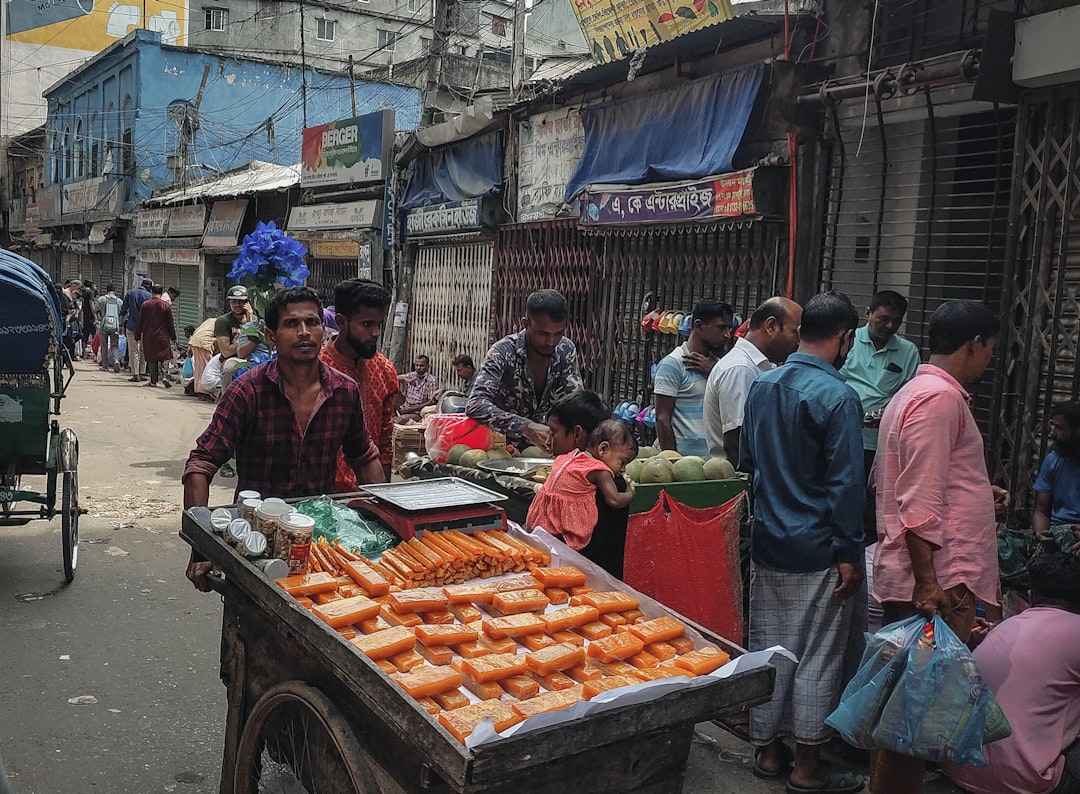
Food distribution networks, the intricate webs connecting producers to consumers, are fundamental to global sustenance. When these networks experience disruption, the consequences can be profound, rippling through societies and economies with far-reaching effects. Understanding these disruptions, their impacts, and potential solutions is crucial for ensuring food security and societal stability.
Disruptions to food distribution networks are multifaceted, arising from a confluence of natural phenomena, human actions, and systemic vulnerabilities. These events can act as a single, powerful shock or as a series of cascading failures, progressively weakening the system. Learn more about global trade and its impact on the economy.
Natural Disasters
Natural disasters represent a significant and often unpredictable source of disruption. Their immediate impact can be devastating, destroying crops, infrastructure, and transportation routes, thereby severing the links in the food supply chain.
- Extreme Weather Events: Hurricanes, floods, droughts, and blizzards can decimate agricultural yields, making it impossible to harvest or transport food. For instance, a prolonged drought in a major agricultural region can lead to widespread crop failure, curtailing the primary source of food for downstream links in the network.
- Seismic Activity: Earthquakes and tsunamis can destroy storage facilities, processing plants, and critical transportation infrastructure such as roads, bridges, and ports. The 2011 Tohoku earthquake and tsunami in Japan, for example, severely impacted fishing industries and transportation networks, leading to localized food shortages and price spikes.
- Pest Infestations and Diseases: While not always as dramatic as a hurricane, widespread pest infestations or outbreaks of agricultural diseases can have a similarly devastating effect on food production. Locust swarms in East Africa, for instance, have periodically decimated crops, directly impacting regional food security.
Geopolitical Instability and Conflict
Human-induced conflicts and political strife frequently impede the flow of food, often deliberately used as a weapon of war or a consequence of societal breakdown.
- Warfare and Armed Conflict: Conflict zones often experience the destruction of agricultural land, disruption of supply routes, and displacement of populations, all of which directly affect food production and distribution. Blockades, shelling of infrastructure, and the targeting of humanitarian aid convoys further exacerbate food insecurity.
- Trade Wars and Protectionism: Imposition of tariffs, quotas, and export bans can distort global food markets, making it more expensive or impossible for certain regions to access essential food supplies. When a major food-exporting nation restricts trade, it can create a ripple effect, forcing other nations to seek alternative, potentially more costly, sources.
- Sanctions: Economic sanctions, while intended to pressure governments, can inadvertently cripple a nation’s ability to import or export food, leading to widespread shortages and humanitarian crises.
Economic Factors
Economic fluctuations and vulnerabilities within the global market can create significant pressures on food distribution.
- Supply Chain Shocks: Sudden shifts in demand or supply, such as a major producer halting exports or a surge in consumer panic buying, can lead to shortages and price volatility. The COVID-19 pandemic, with its initial lockdowns, illustrated how rapidly consumer behavior can alter demand patterns, creating empty shelves in some regions while surpluses accumulated elsewhere.
- Infrastructure Deficiencies: Inadequate or outdated infrastructure, particularly in developing nations, can impede the efficient movement of food from farm to market. Poor road networks, insufficient cold storage facilities, and unreliable transportation systems lead to significant post-harvest losses.
- Labor Shortages: The food industry relies heavily on labor, from farm workers and transport drivers to processing plant staff. Labor shortages, whether due to pandemics, migration restrictions, or demographic shifts, can severely constrain the capacity of the food distribution network.
Public Health Crises
Global health emergencies can directly affect human resources and governmental responses, indirectly influencing food distribution.
- Pandemics: The COVID-19 pandemic highlighted how a global health crisis can disrupt every facet of the food supply chain, from agricultural labor shortages to processing plant closures and international shipping delays. Workforce illness and government-mandated movement restrictions can cripple logistics.
The recent disruptions in food distribution networks have raised significant concerns about food security and supply chain resilience. A related article that delves deeper into the implications of these disruptions can be found at this link. It explores the challenges faced by producers and retailers, as well as potential solutions to enhance the efficiency of food distribution systems in the face of unforeseen events.
Impact on Food Security
The primary consequence of food distribution network disruption is a direct threat to food security, jeopardizing humanity’s most basic need.
Reduced Availability and Accessibility
When distribution networks are compromised, the physical presence of food in markets and its general access for consumers are immediately affected.
- Empty Shelves: A tangible manifestation of disruption is the sight of empty supermarket shelves, signaling a failure in the supply chain to replenish stock. This can lead to panic buying, further exacerbating scarcity.
- Geographic Isolation: Remote or isolated communities are particularly vulnerable as disruptions to transportation routes can cut them off from food supplies entirely. Imagine a remote mountain village suddenly isolated by a landslide, preventing food trucks from reaching it for weeks.
- Increased Food Wastage: Paradoxically, disruptions can also lead to increased food waste. If food cannot be transported to markets or processed in time due to logistical issues or labor shortages, it may spoil at the farm or in warehouses.
Price Volatility and Inflation
Disruptions almost invariably lead to fluctuations in food prices, disproportionately affecting the most vulnerable populations.
- Supply-Demand Imbalance: Reduced supply coupled with persistent demand inevitably drives up prices. This is basic economics playing out in real-time, where consumers are willing to pay more for increasingly scarce goods.
- Speculation: Perceived shortages or future disruptions can lead to speculative buying and hoarding, further artificially inflating prices and creating a vicious cycle of fear and scarcity.
- Higher Production Costs: Disruptions can increase the cost of inputs (fuel, fertilizers, labor) for farmers and processors, which are then passed on to consumers as higher food prices.
Malnutrition and Hunger
The most severe and tragic impact of food distribution disruption is the escalation of malnutrition, especially in regions already experiencing food insecurity.
- Decreased Dietary Diversity: When staple foods become scarce, consumers often resort to a narrower range of available, often less nutritious, foods. This leads to a decline in dietary diversity, which is crucial for adequate intake of essential vitamins and minerals.
- Increased Acute Malnutrition: For vulnerable groups, particularly children and the elderly, persistent food shortages can lead to acute malnutrition, characterized by rapid weight loss and severe health complications.
- Long-Term Health Consequences: Chronic malnutrition, stemming from prolonged periods of food insecurity, can have irreversible long-term health consequences, impairing physical and cognitive development.
Social and Political Unrest
Food scarcity is a potent catalyst for social unrest, capable of destabilizing governments and igniting conflicts.
- Food Riots: Historical and contemporary examples abound where widespread food shortages have led to public protests, riots, and even revolutionary movements. When people cannot feed their families, their tolerance for systemic failures diminishes rapidly.
- Increased Migration: Food insecurity can force populations to migrate in search of sustenance, leading to internal displacement and cross-border refugee crises, placing additional strain on receiving communities and international aid organizations.
- Erosion of Trust in Governance: Governments perceived as unable to ensure adequate food supplies for their citizens often face a sharp decline in public trust and legitimacy, potentially leading to political instability.
Solutions and Mitigation Strategies
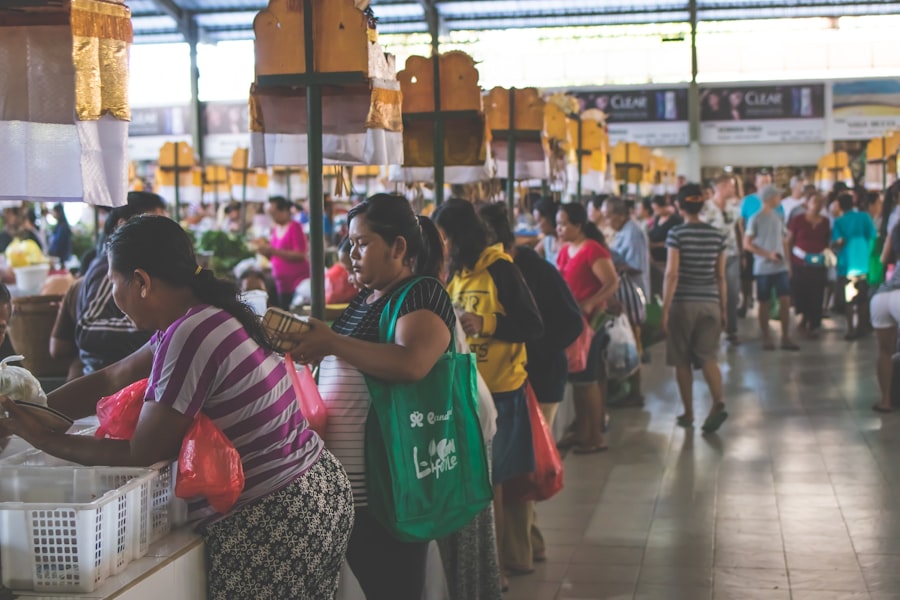
Addressing food distribution network disruptions requires a multi-pronged approach, encompassing technological advancements, policy reforms, and collaborative efforts. Resilience is the keyword; building systems that can bend, but not break.
Diversification and Redundancy
A fundamental strategy is to avoid single points of failure by diversifying sources and building redundancy into the system, much like an ecosystem with multiple food chains.
- Multiple Sourcing: Relying on a single supplier or geographic region for a critical food item creates immense vulnerability. Diversifying sourcing to include multiple domestic and international suppliers reduces the risk of a single disruption having catastrophic effects.
- Alternative Transportation Routes: Developing and maintaining multiple transportation options, including road, rail, air, and sea, ensures that if one route is compromised, alternatives are available for food movement.
- Local and Regional Food Systems: Promoting and strengthening local and regional food production and distribution networks can provide a buffer against larger, global disruptions. These shorter supply chains are often more resilient to external shocks and can respond more quickly to local needs.
Infrastructure Investment and Modernization
Robust and modern infrastructure is the backbone of an efficient and resilient food distribution network.
- Improved Storage Facilities: Investing in climate-controlled storage and warehouse facilities, particularly cold chain infrastructure, can reduce post-harvest losses and extend the shelf life of perishable goods, creating strategic reserves.
- Upgraded Transportation Networks: Modernizing roads, bridges, railways, and port facilities reduces transit times, lowers transportation costs, and improves reliability, particularly in regions prone to natural disasters.
- Digital Infrastructure: Implementing digital tracking systems, real-time inventory management, and predictive analytics tools can enhance transparency, optimize logistics, and allow for quicker responses to emerging disruptions. Imagine being able to see, in real-time, where every truckload of essential food is located.
Policy and Governance
Effective policies and international cooperation are crucial for creating an environment conducive to resilient food systems.
- Strategic Food Reserves: Governments can establish and maintain strategic food reserves to buffer against sudden shortages and price spikes, providing a safety net during crises.
- Early Warning Systems: Developing sophisticated early warning systems that monitor weather patterns, crop health, geopolitical risks, and economic indicators can provide timely information, allowing for proactive measures to mitigate potential disruptions.
- International Cooperation and Trade Agreements: Fostering stable international trade agreements and cooperative frameworks can ensure the free flow of food across borders, particularly during times of crisis. Preventing export bans and actively promoting aid can be crucial.
Technological Innovation
Technology offers powerful tools for enhancing efficiency, transparency, and resilience within food distribution networks.
- Blockchain for Traceability: Blockchain technology can provide immutable and transparent records of food origin, processing, and distribution, enhancing trust and enabling rapid identification of contaminated products or supply chain bottlenecks.
- AI and Machine Learning for Demand Forecasting: Artificial intelligence and machine learning algorithms can analyze vast datasets to predict demand fluctuations, optimize inventory levels, and anticipate potential supply chain disruptions, allowing for pre-emptive adjustments.
- Precision Agriculture: Technology used in agriculture, such as drones, sensors, and satellite imagery, can optimize crop yields, monitor pest infestations, and improve resource management, reducing the overall vulnerability of food production.
Stakeholder Collaboration
Building resilience is a shared responsibility, requiring concerted efforts from all participants in the food system.
- Public-Private Partnerships: Collaborative initiatives between governments, private sector companies, and NGOs can leverage diverse expertise and resources to develop and implement solutions, from infrastructure projects to emergency response plans.
- Farmer Empowerment: Supporting farmers through education, access to finance, and resilient farming practices helps strengthen the very foundation of the food supply chain. Empowering farmers to adapt to changing climatic conditions, for instance, makes the entire system more robust.
- Consumer Education: Informing consumers about sustainable food practices, reducing food waste, and understanding local food systems can contribute to overall food security and support more resilient distribution networks.
The Role of Data and Transparency
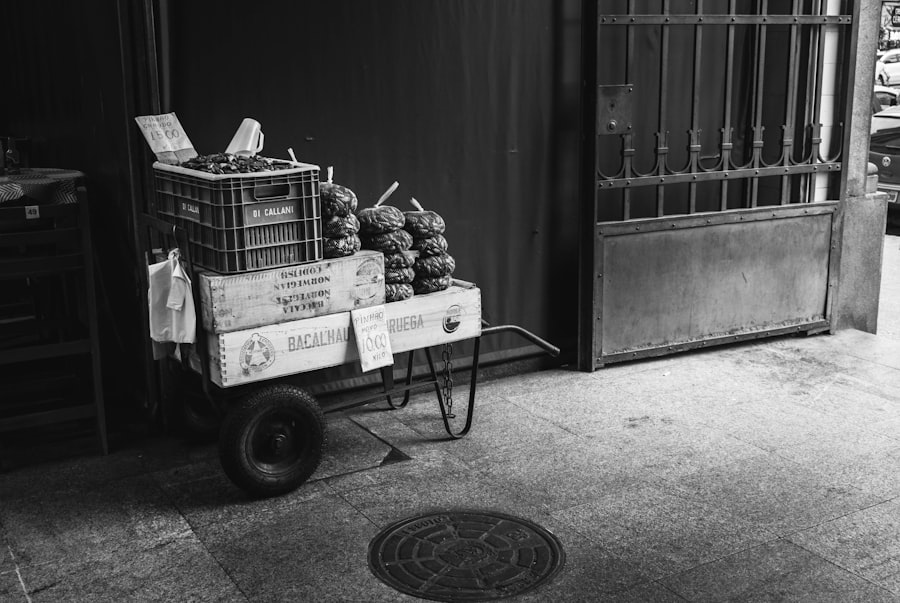
Data serves as the lifeblood of a robust food distribution network. Its effective collection, analysis, and transparent sharing are paramount for anticipating and responding to disruptions.
Real-time Monitoring
The ability to monitor various aspects of the food supply chain in real-time is akin to having a sophisticated nervous system for the network.
- Logistics Tracking: GPS tracking of transportation fleets and digital inventory systems in warehouses provide immediate visibility into the physical movement and location of food products. This allows for swift rerouting or resource allocation in case of unforeseen delays or blockages.
- Market Intelligence: Continuous monitoring of global commodity prices, harvest forecasts, and trade flows can alert stakeholders to emerging imbalances between supply and demand, providing lead time for market adjustments.
- Environmental Sensors: Deployment of sensors for weather, soil moisture, and pest detection provides agricultural producers and distributors with crucial information to anticipate crop yields and potential vulnerabilities.
Predictive Analytics
Moving beyond reactive measures, predictive analytics enables anticipation of future disruptions, allowing for proactive mitigation strategies.
- Demand Forecasting: Utilizing historical sales data, seasonal trends, and external factors (e.g., public health advisories, upcoming holidays), AI-powered tools can forecast consumer demand with greater accuracy, optimizing stock levels and reducing waste.
- Risk Assessment Modeling: Sophisticated models can simulate various disruption scenarios (e.g., a major hurricane, a political blockade) to assess their potential impact on the food supply chain and identify critical vulnerabilities. This allows for the development of contingency plans.
- Early Warning Indicators: Identifying and tracking specific indicators – such as unusual weather patterns, unusual price swings in particular commodities, or reports of port congestion – can provide an early signal that a disruption is brewing.
Open Data and Information Sharing
Transparency and the sharing of relevant data are critical for fostering collaboration and enabling collective action.
- Intergovernmental Data Platforms: Establishing secure, standardized platforms for governments and international organizations to share data on food production, stock levels, and food insecurity can create a more comprehensive global picture, facilitating coordinated responses to crises.
- Supply Chain Transparency Initiatives: Encouraging or mandating transparency within private sector supply chains can help identify ethical issues, improve accountability, and reveal potential choke points that might otherwise remain opaque.
- Public Access to Relevant Information: Making aggregated and anonymized data accessible to researchers, civil society organizations, and the public can foster innovation, awareness, and independent oversight of food security efforts. This creates another layer of scrutiny and expertise that can identify problems before they escalate.
You, as a consumer, play a role in this by understanding the origins of your food and supporting systems that prioritize transparency and resilience. The health of the food distribution network is not merely an abstract economic concern; it is a direct determinant of individual well-being and global stability. By understanding its vulnerabilities and championing robust solutions, humanity can better navigate the disruptions that inevitably arise, ensuring that the metaphorical breadbasket of the world remains full.
WATCH THIS! 🌍 GLOBAL TRADE IS A LIE: How Three Chokepoints Control Your Calendar
FAQs
What is a food distribution network?
A food distribution network is a system that involves the transportation, storage, and delivery of food products from producers to consumers, including farms, processing facilities, warehouses, retailers, and restaurants.
What causes disruptions in food distribution networks?
Disruptions can be caused by natural disasters, transportation delays, labor shortages, equipment failures, supply chain bottlenecks, geopolitical issues, pandemics, and changes in demand.
How do disruptions in food distribution networks affect consumers?
Disruptions can lead to food shortages, increased prices, reduced variety of available products, and delays in delivery, impacting food accessibility and affordability for consumers.
What are the common signs of a food distribution network disruption?
Common signs include empty store shelves, delayed deliveries, increased food prices, spoilage due to storage issues, and communication breakdowns between suppliers and retailers.
How can food distribution networks be made more resilient?
Resilience can be improved by diversifying suppliers, investing in technology for better tracking, enhancing storage facilities, developing contingency plans, and improving communication across the supply chain.
What role do government policies play in food distribution network disruptions?
Government policies can either mitigate or exacerbate disruptions through regulations, trade restrictions, infrastructure investments, emergency response measures, and support for critical supply chain sectors.
How do global events impact food distribution networks?
Global events such as pandemics, wars, and trade disputes can disrupt transportation routes, labor availability, and production capacity, leading to widespread supply chain challenges.
What measures can consumers take during food distribution disruptions?
Consumers can plan purchases carefully, consider alternative food sources, reduce food waste, and stay informed about supply chain updates to manage during disruptions.
Are food distribution network disruptions temporary or long-term?
Disruptions can be either temporary or long-term depending on the cause; some issues resolve quickly, while others may require systemic changes and extended recovery periods.
How do technology and innovation help in managing food distribution disruptions?
Technologies like real-time tracking, data analytics, automation, and blockchain improve transparency, efficiency, and responsiveness, helping to anticipate and mitigate disruptions in food distribution networks.