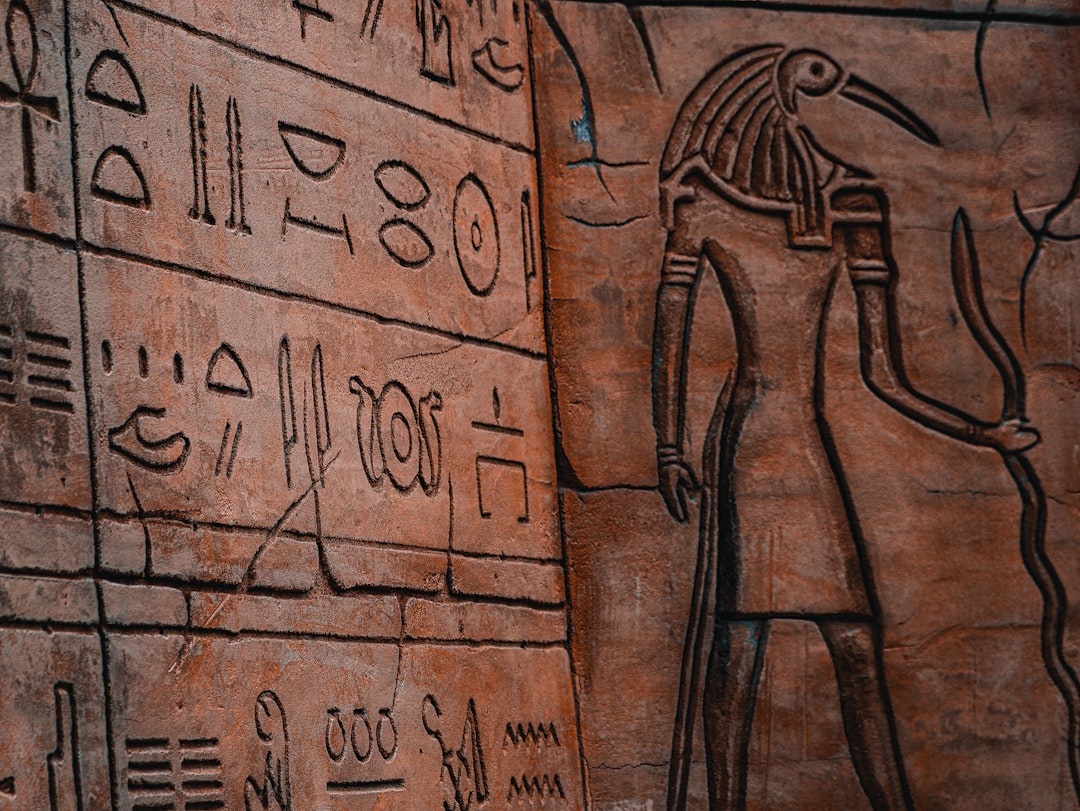
Throughout history, humanity has been captivated by the remnants of ancient civilizations, particularly those that hint at advanced technologies that seem to defy the understanding of their time. Forbidden ancient technology refers to the sophisticated tools, methods, and knowledge that were employed by ancient cultures, often shrouded in mystery and obscured by time. These technologies, which some believe were lost or suppressed, challenge the conventional narrative of human progress and innovation.
As researchers delve deeper into archaeological sites and ancient texts, they uncover evidence that suggests these civilizations possessed a level of ingenuity that was far ahead of their era. The allure of forbidden ancient technology lies not only in its potential applications but also in the philosophical implications it presents. If these ancient societies had access to advanced engineering, energy sources, and materials science, what does that say about the trajectory of human development?
The exploration of this topic invites a reevaluation of historical timelines and encourages a broader understanding of what it means to be technologically advanced.
Key Takeaways
- Forbidden ancient technology holds the key to understanding advanced knowledge and techniques used by ancient civilizations.
- The mystery of ancient engineering continues to baffle modern researchers, as evidence of advanced construction and design techniques is uncovered.
- Uncovering lost knowledge and techniques from ancient times provides valuable insights into the capabilities of past civilizations.
- Ancient energy sources, such as the use of natural elements and sacred geometry, played a significant role in powering ancient technology.
- The enigma of advanced metallurgy showcases the remarkable skills and knowledge possessed by ancient civilizations in working with metals.
The Mystery of Ancient Engineering
The engineering feats of ancient civilizations are nothing short of remarkable. From the construction of the pyramids in Egypt to the intricate aqueducts of Rome, these structures demonstrate an understanding of physics and materials that continues to astound modern engineers. The precision with which these monuments were built raises questions about the tools and techniques employed by their creators.
Many of these structures were constructed using massive stones transported over great distances, often without the aid of modern machinery. This has led to speculation about the existence of advanced engineering principles that have since been lost to time. Moreover, the alignment of many ancient structures with celestial bodies suggests a sophisticated understanding of astronomy and geometry.
The Great Pyramid of Giza, for instance, is aligned with incredible precision to true north, a feat that would require advanced knowledge of both mathematics and the stars. Such engineering prowess implies that ancient builders possessed not only practical skills but also a deep philosophical understanding of their place in the universe. This intersection of science and spirituality is a recurring theme in the study of ancient technology, prompting researchers to consider how these elements influenced one another.
Uncovering Lost Knowledge and Techniques

As archaeologists excavate ancient sites, they often stumble upon artifacts and remnants that hint at lost knowledge and techniques. These discoveries can range from sophisticated tools made from materials not commonly found in the region to intricate carvings that depict advanced machinery or processes. The challenge lies in interpreting these findings within the context of their time.
Many researchers argue that the knowledge embedded in these artifacts represents a form of technology that was either forgotten or deliberately hidden from future generations. The process of uncovering this lost knowledge is fraught with difficulties. Many ancient texts have been destroyed or remain undeciphered, leaving gaps in understanding.
However, interdisciplinary approaches that combine archaeology, anthropology, and even linguistics are beginning to yield results. For instance, the study of ancient scripts has revealed insights into the technological capabilities of civilizations such as the Sumerians and the Maya. By piecing together these fragments of information, scholars hope to reconstruct a more comprehensive picture of ancient technological prowess.
The Power of Ancient Energy Sources
| Energy Source | Advantages | Disadvantages |
|---|---|---|
| Wind | Renewable, clean energy source | Dependent on weather conditions |
| Water | Renewable, reliable energy source | Environmental impact on aquatic life |
| Solar | Abundant, renewable energy source | Dependent on sunlight availability |
| Biomass | Renewable, reduces waste | Can contribute to deforestation |
One of the most intriguing aspects of forbidden ancient technology is the potential for alternative energy sources utilized by ancient civilizations. While modern society relies heavily on fossil fuels and electricity generated through conventional means, there is evidence to suggest that ancient cultures harnessed energy in ways that are not fully understood today. Some researchers point to structures like Stonehenge or the Great Pyramid as potential energy generators or conduits for harnessing natural forces.
The concept of energy manipulation is not new; many ancient texts reference the use of natural elements for healing or powering devices. For example, some scholars propose that certain sacred sites were strategically located to tap into geomagnetic fields or ley lines—hypothetical alignments of energy that crisscross the Earth. This idea challenges contemporary notions of energy production and consumption, suggesting that ancient peoples may have had access to renewable energy sources long before modern technology emerged.
The Role of Sacred Geometry in Ancient Technology
Sacred geometry plays a pivotal role in understanding forbidden ancient technology. This concept refers to geometric shapes and proportions that are believed to hold spiritual significance and are often found in religious architecture and art across various cultures. The use of sacred geometry in construction not only reflects aesthetic values but also embodies deeper philosophical beliefs about harmony and balance in the universe.
Many ancient structures exhibit precise geometric patterns that align with natural phenomena, such as the Fibonacci sequence or the golden ratio. These mathematical principles are thought to enhance structural integrity while also creating spaces that resonate with human consciousness. The incorporation of sacred geometry into architectural design suggests that ancient builders were not merely focused on functionality; they were also concerned with creating environments that fostered spiritual connection and enlightenment.
The Enigma of Advanced Metallurgy
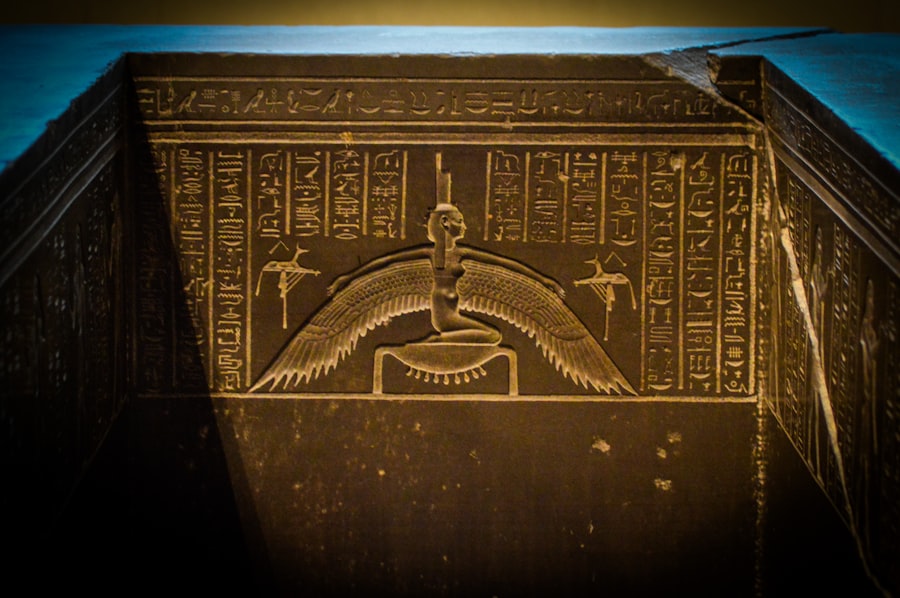
Metallurgy is another area where ancient technology reveals its complexities. The ability to manipulate metals for tools, weapons, and art has been a hallmark of human civilization. However, some ancient artifacts exhibit metallurgical techniques that seem advanced for their time.
For instance, the production of Damascus steel—known for its strength and distinctive patterns—has puzzled modern metallurgists who seek to replicate its properties. Additionally, there are accounts of ancient cultures using alloys and techniques that were not rediscovered until centuries later. The ability to create high-quality bronze or even early forms of steel suggests a level of metallurgical knowledge that challenges conventional timelines.
This raises questions about trade networks and cultural exchanges that may have facilitated the sharing of advanced techniques across regions.
Decoding Ancient Texts and Symbols
Ancient texts and symbols serve as crucial keys to unlocking the mysteries surrounding forbidden technology. Many civilizations left behind written records that detail their understanding of science, engineering, and spirituality. However, deciphering these texts can be a daunting task due to language barriers, lost scripts, and cultural context.
Scholars dedicated to this pursuit often find themselves navigating a labyrinthine world where meanings can shift dramatically based on interpretation. The study of symbols is equally significant; many cultures employed iconography to convey complex ideas about technology and nature. For example, alchemical symbols used in medieval manuscripts can be traced back to earlier civilizations that sought to understand the transformation of materials.
By analyzing these symbols alongside archaeological findings, researchers can begin to piece together a more coherent narrative about how ancient peoples viewed their technological capabilities.
The Influence of Ancient Technology on Modern Society
The impact of forbidden ancient technology extends beyond historical curiosity; it has profound implications for modern society. As contemporary challenges such as climate change and resource depletion become increasingly pressing, there is a growing interest in revisiting ancient practices that may offer sustainable solutions. For instance, traditional agricultural techniques employed by indigenous cultures often emphasize harmony with nature rather than exploitation.
Moreover, the exploration of alternative energy sources inspired by ancient practices could lead to innovative technologies that align with ecological principles. By studying how past civilizations thrived without depleting their resources, modern society can glean valuable lessons about sustainability and resilience. This intersection between ancient wisdom and contemporary challenges fosters a dialogue about how humanity can learn from its past while forging a path toward a more sustainable future.
The Controversy Surrounding Forbidden Ancient Technology
Despite the allure surrounding forbidden ancient technology, it is not without controversy. Skeptics often dismiss claims about advanced technologies in antiquity as pseudoscience or myth-making. This skepticism can stem from a reluctance to challenge established historical narratives or from concerns about misinterpretation leading to misinformation.
As a result, discussions about forbidden technology can become polarized, with proponents advocating for further exploration while critics call for caution. The debate surrounding this topic raises important questions about how history is recorded and understood. Who gets to define what constitutes legitimate knowledge?
As researchers continue to uncover evidence suggesting advanced capabilities among ancient civilizations, it becomes essential to approach these findings with both curiosity and critical thinking. Balancing open-minded exploration with rigorous scholarship will be crucial in navigating this complex landscape.
The Quest for Understanding and Preservation
The quest for understanding forbidden ancient technology is also intertwined with efforts toward preservation. Many archaeological sites face threats from urban development, climate change, and looting. As researchers strive to uncover lost knowledge, they must also advocate for the protection of these invaluable resources.
Preservation efforts not only safeguard physical artifacts but also ensure that future generations can learn from the wisdom embedded within them. Collaborative initiatives involving governments, local communities, and international organizations are essential for effective preservation strategies.
This commitment to preservation reflects a broader recognition of the importance of history in shaping identity and guiding future innovation.
Embracing the Wisdom of the Past
In conclusion, the exploration of forbidden ancient technology invites humanity to embrace the wisdom of its past while navigating the complexities of modern existence. As researchers continue to uncover evidence of advanced engineering, energy sources, metallurgy, and sacred geometry, they challenge conventional narratives about human progress. This journey into history not only enriches our understanding but also offers valuable insights into sustainable practices that can inform contemporary society.
By recognizing the interconnectedness between past and present, individuals can cultivate a deeper appreciation for the ingenuity displayed by ancient civilizations. Embracing this wisdom encourages a holistic approach to technology—one that values harmony with nature and prioritizes sustainability over short-term gains. Ultimately, as humanity stands at a crossroads between tradition and innovation, it is through honoring the lessons learned from our ancestors that we can forge a brighter future for generations to come.
In the realm of ancient mysteries, the allure of forbidden ancient technology secrets continues to captivate historians and enthusiasts alike. These secrets, often shrouded in myth and legend, suggest the existence of advanced technologies that predate our modern understanding. For those intrigued by such enigmatic topics, an insightful article on the subject can be found on Real Lore and Order. This piece delves into the fascinating world of ancient innovations and their potential implications on our historical narratives. To explore this captivating article, visit Real Lore and Order and uncover the mysteries that lie within.
WATCH THIS! The Lost Tech They Buried to Control Us
FAQs
What are forbidden ancient technology secrets?
Forbidden ancient technology secrets refer to knowledge and techniques from ancient civilizations that are believed to have been advanced in areas such as engineering, architecture, and energy. These secrets are often considered forbidden because they are not widely known or understood, and their existence challenges conventional historical and archaeological narratives.
What are some examples of forbidden ancient technology secrets?
Examples of forbidden ancient technology secrets include the construction of megalithic structures such as the pyramids of Egypt and Stonehenge, advanced knowledge of metallurgy and metalworking, and the use of sophisticated engineering and architectural techniques in ancient civilizations.
Why are these ancient technology secrets considered forbidden?
These ancient technology secrets are considered forbidden because they challenge mainstream historical and archaeological theories about the capabilities of ancient civilizations. Some researchers and enthusiasts believe that these secrets have been deliberately suppressed or ignored by mainstream academia and institutions.
What evidence exists for forbidden ancient technology secrets?
Evidence for forbidden ancient technology secrets includes the existence of megalithic structures that defy conventional explanations, ancient texts and artifacts that describe advanced knowledge and techniques, and anomalies in archaeological findings that suggest the use of sophisticated technology in ancient times.
What are the implications of uncovering forbidden ancient technology secrets?
Uncovering forbidden ancient technology secrets could potentially revolutionize our understanding of ancient civilizations and their technological capabilities. It could also have implications for our understanding of human history, the development of technology, and the potential for lost or forgotten knowledge to contribute to modern advancements.