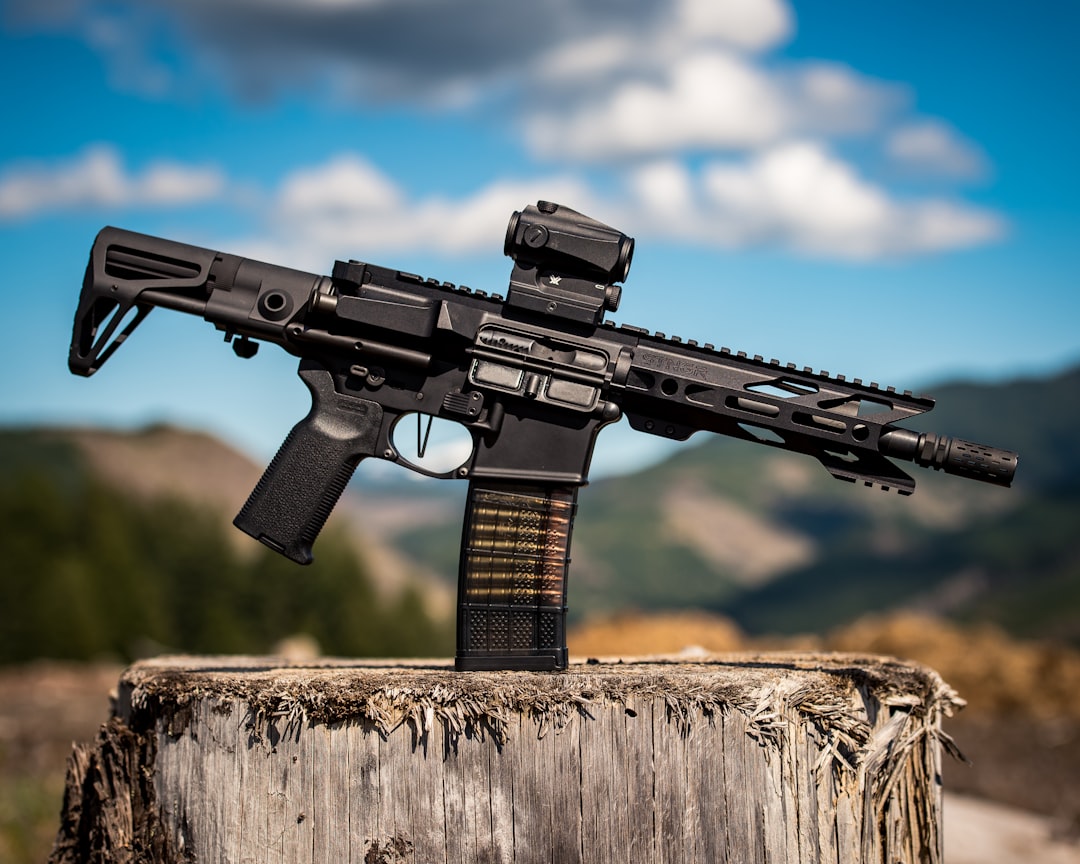
Forgotten weapons represent a fascinating intersection of history, technology, and human conflict. These are the armaments that once played pivotal roles in battles and wars but have since faded from collective memory. Often relegated to the dusty corners of museums or buried beneath the earth, these weapons tell stories of innovation, desperation, and the relentless march of time.
The term “forgotten weapons” encompasses a wide array of military hardware, from obsolete firearms to defunct artillery pieces, each with its own unique narrative that reflects the era in which it was created. The allure of forgotten weapons lies not only in their historical significance but also in the lessons they impart about the evolution of warfare. As technology advances, many weapons become obsolete, replaced by more efficient and effective designs.
However, the stories behind these discarded tools of war often reveal insights into the strategies and ideologies that shaped their use. By examining these artifacts, historians and enthusiasts alike can gain a deeper understanding of the complexities of human conflict and the ever-changing landscape of military technology.
Key Takeaways
- Forgotten Weapons are historical firearms and other military equipment that have been lost or overlooked over time.
- Disappeared arsenal holds significant historical and cultural value, providing insight into past conflicts and technological advancements.
- The impact of forgotten weapons on warfare is evident in their influence on tactics, strategy, and the evolution of military technology.
- Famous examples of disappeared arsenal include rare and unique firearms, experimental prototypes, and unconventional weapons used in various conflicts.
- The preservation and recovery of forgotten weapons is crucial for understanding their role in history and their impact on modern warfare.
Historical Background of Disappeared Arsenal
The history of disappeared arsenal is as varied as the weapons themselves. Many of these armaments were developed during periods of intense conflict, such as World War I and World War II, when nations raced to outpace one another in technological advancements. The urgency of war often led to rapid innovation, resulting in weapons that were cutting-edge at the time but quickly became outdated as new strategies and technologies emerged.
For instance, the introduction of automatic firearms revolutionized infantry tactics, rendering many earlier models obsolete almost overnight. In addition to technological advancements, the political landscape also played a significant role in the fate of these weapons. After conflicts ended, many nations sought to demilitarize and reduce their arsenals, leading to the disposal or abandonment of numerous weapons systems.
Some were destroyed, while others were left to rust in forgotten warehouses or military installations. The Cold War era further complicated this narrative, as countries stockpiled vast quantities of arms in anticipation of potential conflicts, many of which would never materialize. As a result, entire generations of weaponry became lost to history, their stories untold and their significance diminished.
The Impact of Forgotten Weapons on Warfare
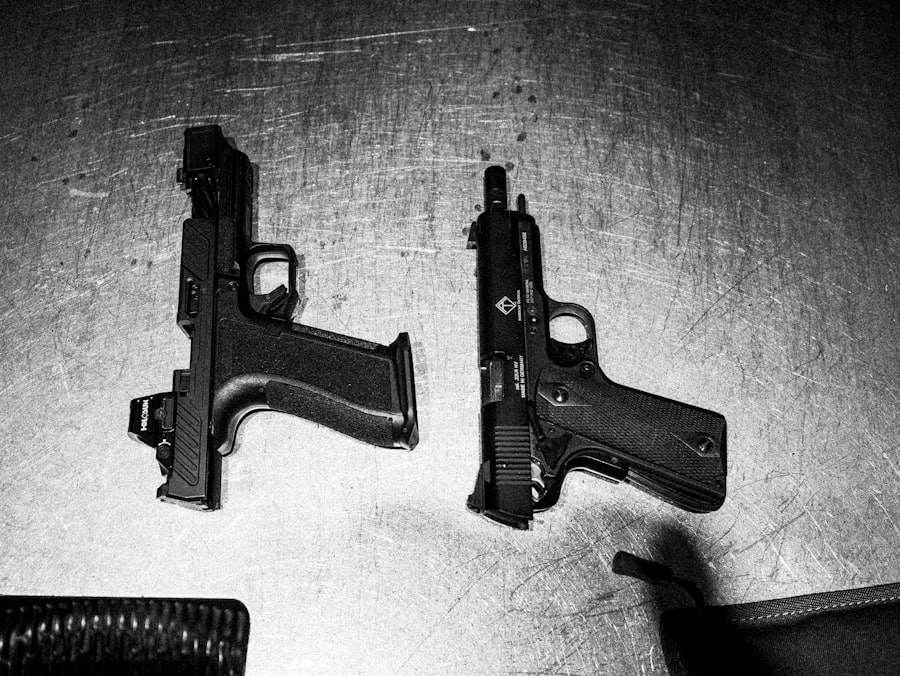
The impact of forgotten weapons on warfare extends beyond their immediate use in battle; they often serve as a reflection of the strategic thinking and technological capabilities of their time. For example, the introduction of tanks during World War I marked a significant shift in ground warfare, challenging traditional infantry tactics and leading to new forms of combat. However, as warfare evolved, many early tank models were rendered ineffective against newer anti-tank technologies, leading to their eventual obsolescence.
Moreover, forgotten weapons can influence contemporary military strategies by providing lessons learned from past conflicts. Analyzing the failures and successes associated with these armaments can inform modern military doctrine and help prevent the repetition of historical mistakes. For instance, the experiences gained from using early aircraft in combat during World War I laid the groundwork for the development of modern air power.
By studying these forgotten weapons, military strategists can glean valuable insights into the dynamics of warfare that remain relevant today.
Famous Examples of Disappeared Arsenal
| Player Name | Year | Reason for Disappearance |
|---|---|---|
| Nicolas Anelka | 1999 | Transferred to Real Madrid |
| Thierry Henry | 2007 | Transferred to Barcelona |
| Cesc Fabregas | 2011 | Transferred to Barcelona |
| Robin van Persie | 2012 | Transferred to Manchester United |
Throughout history, several notable examples of forgotten weapons have captured the imagination of historians and military enthusiasts alike. One such example is the French Lebel Model 1886 rifle, which was revolutionary for its time due to its use of smokeless powder and a magazine-fed design. While it served effectively during World War I, advancements in firearms technology soon rendered it obsolete, leading to its gradual phase-out in favor of more modern rifles.
Another famous example is the German Panzer IV tank, which saw extensive use during World War
Initially designed as an infantry support vehicle, it underwent numerous modifications throughout the war to adapt to changing battlefield conditions. Despite its effectiveness during its operational period, advancements in tank design and anti-tank weaponry eventually led to its retirement from active service. Today, remnants of these once-mighty machines can be found in museums and on battlefields, serving as poignant reminders of their historical significance.
The Role of Forgotten Weapons in Modern Warfare

In contemporary warfare, the legacy of forgotten weapons continues to influence military operations and strategies. While modern armies rely on advanced technology such as drones and precision-guided munitions, lessons learned from past conflicts involving forgotten weapons remain relevant. For instance, the importance of mobility and adaptability demonstrated by early armored vehicles has informed current military tactics that prioritize rapid response and flexibility on the battlefield.
Additionally, some modern militaries have begun to explore retrofitting or repurposing older weapon systems for contemporary use. This practice not only preserves historical artifacts but also allows for cost-effective solutions in resource-constrained environments. By integrating elements from forgotten weapons into modern systems, militaries can leverage historical knowledge while addressing current operational needs.
The Efforts to Preserve and Recover Forgotten Weapons
Efforts to preserve and recover forgotten weapons have gained momentum in recent years as historians, archaeologists, and military enthusiasts recognize their cultural and historical significance. Various organizations and institutions are dedicated to locating and restoring these artifacts, ensuring that they are not lost to time. This work often involves extensive research into historical records, battlefield sites, and military archives to identify locations where forgotten weapons may be found.
In addition to recovery efforts, many museums have taken on the responsibility of curating collections that showcase these artifacts. Through exhibitions and educational programs, they aim to raise awareness about the importance of preserving military history. These initiatives not only honor the legacy of forgotten weapons but also provide valuable insights into the broader context of warfare and its impact on society.
The Ethical and Moral Considerations of Forgotten Weapons
The preservation and display of forgotten weapons raise important ethical and moral considerations that must be addressed by historians and curators alike. On one hand, these artifacts serve as vital reminders of humanity’s tumultuous past and can foster discussions about the consequences of war. On the other hand, they can evoke painful memories for those affected by conflict and may be seen as glorifying violence.
To navigate these complexities, institutions must approach the presentation of forgotten weapons with sensitivity and care. This includes providing context for their use in warfare and acknowledging the human suffering associated with armed conflict. By fostering an environment that encourages critical reflection on these issues, museums can contribute to a more nuanced understanding of history while honoring those who lived through it.
The Future of Disappeared Arsenal
The future of disappeared arsenal is likely to be shaped by ongoing advancements in technology and changes in military strategy. As new weapon systems are developed and old ones are phased out, it is essential for historians and military experts to continue documenting these transitions. This will ensure that future generations have access to a comprehensive understanding of military history and its implications for society.
Moreover, as global conflicts evolve and new challenges arise, there may be renewed interest in studying forgotten weapons for insights into unconventional warfare tactics or asymmetric strategies. By examining how past conflicts were fought with outdated technologies, contemporary military leaders can glean valuable lessons that inform their approaches to modern challenges.
The Cultural and Historical Significance of Forgotten Weapons
Forgotten weapons hold immense cultural and historical significance that extends beyond their practical use in warfare. They serve as tangible links to past events and societal changes that shaped nations and communities. Each weapon carries with it a narrative that reflects not only technological advancements but also the human experiences associated with conflict—stories of bravery, sacrifice, loss, and resilience.
By preserving forgotten weapons and sharing their stories, societies can engage in meaningful dialogues about their histories while promoting healing and reconciliation. In this way, forgotten weapons become more than mere relics; they transform into powerful symbols that connect individuals with their pasts.
The Influence of Forgotten Weapons on Popular Culture
The influence of forgotten weapons extends into popular culture, where they often serve as inspiration for films, literature, video games, and art. These representations can shape public perceptions of history and warfare while sparking interest in military heritage among younger generations. Iconic films featuring historical battles frequently showcase forgotten weapons as central elements in their narratives, bringing attention to their significance.
Moreover, video games that incorporate historical settings often feature accurate depictions of forgotten arsenal, allowing players to engage with history interactively. This blending of entertainment with education can foster curiosity about real-world events while encouraging players to explore further into the stories behind these artifacts. As popular culture continues to evolve, forgotten weapons will likely remain a source of inspiration for creators seeking to connect audiences with history.
Remembering the Legacy of Disappeared Arsenal
In conclusion, forgotten weapons represent a rich tapestry woven from threads of history, technology, culture, and human experience. Their stories remind us not only of the conflicts that shaped our world but also of the lessons learned from those tumultuous times. As efforts continue to preserve these artifacts for future generations, it is essential to approach them with respect and understanding—recognizing both their historical significance and the ethical considerations surrounding their display.
By remembering the legacy of disappeared arsenal, society can engage in meaningful conversations about war’s impact on humanity while honoring those who lived through its trials. In doing so, we ensure that these artifacts do not fade into obscurity but instead serve as enduring reminders of our shared past—a past that continues to inform our present and shape our future.
Throughout history, there have been numerous instances of weapons that have mysteriously disappeared, leaving historians and enthusiasts alike puzzled. One intriguing article that delves into this topic is found on the Real Lore and Order website, which explores various historical artifacts and their enigmatic fates. You can read more about these fascinating cases in the article [here](https://www.realloreandorder.com/).
WATCH THIS! 15 Ancient Weapons That BROKE History (And Were Hidden)
FAQs
What are some examples of weapons that disappeared from history?
Some examples of weapons that disappeared from history include the Greek fire, the Roman scorpion, the Chinese repeating crossbow, and the Aztec macuahuitl.
Why did these weapons disappear from history?
These weapons disappeared from history due to a variety of reasons such as advancements in technology, changes in warfare tactics, and the decline of the civilizations that used them.
What is Greek fire?
Greek fire was an incendiary weapon used by the Byzantine Empire. It was a highly flammable liquid that was projected onto enemy ships, causing devastating fires.
What is a Roman scorpion?
The Roman scorpion was a type of ancient crossbow used by the Roman Empire. It was a powerful and accurate weapon that could launch projectiles at high speeds.
What is a Chinese repeating crossbow?
The Chinese repeating crossbow, also known as the Zhuge crossbow, was a handheld crossbow that could fire multiple bolts in quick succession. It was widely used in ancient China.
What is an Aztec macuahuitl?
The Aztec macuahuitl was a wooden club with obsidian blades embedded along its edges. It was a formidable close combat weapon used by the Aztec warriors.