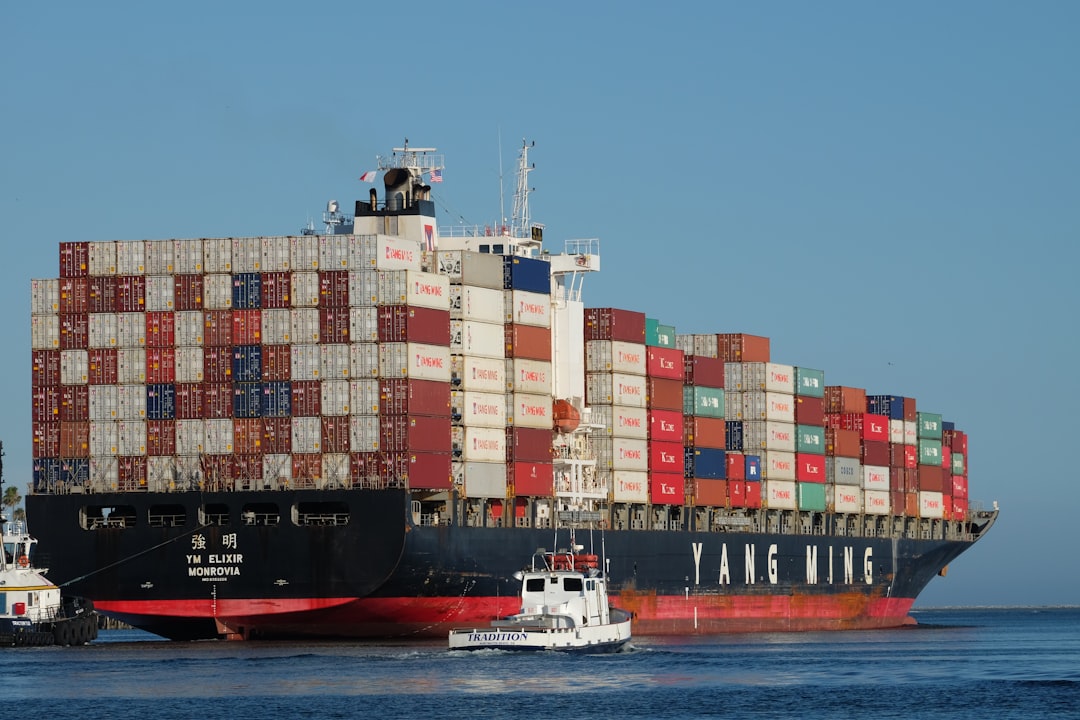
The control of maritime trade routes has historically been a pivotal element in the projection of geopolitical power, serving as a primary conduit for economic prosperity and national security. This article examines the various facets of geopolitical leverage derived from the ability to influence, control, or disrupt global seaborne commerce. Readers should consider the intricate web of relationships, the delicate balance of power, and the profound implications of maritime dominance in an interconnected world.
Maritime trade, in essence, functions as the circulatory system of the global economy. Without the free flow of goods and resources across the oceans, modern industrialized societies would face immense challenges. Learn more about global trade and its impact on the economy.
Historical Precedents of Maritime Power
From the Phoenicians and their Mediterranean trade networks to the British Empire’s command of the seas, history is replete with examples of civilizations whose ascendancy was directly linked to their naval prowess and control over trade arteries. These historical precedents illustrate a consistent truth: he who commands the seas often commands the world.
Economic Dependence on Sea Lanes
The vast majority of intercontinental trade, including vital resources such as oil, natural gas, and raw materials, along with finished goods, is transported by sea. The disruption of these routes, even temporarily, can cause significant economic repercussions, including inflation, supply chain bottlenecks, and industrial slowdowns.
In the context of geopolitical leverage and maritime trade control, the article titled “Navigating the Waters of Global Trade: The Role of Maritime Control in Geopolitical Strategy” provides an in-depth analysis of how nations utilize their naval capabilities to influence trade routes and secure economic interests. This piece highlights the strategic importance of key maritime chokepoints and the implications for international relations. For further insights, you can read the article here: Navigating the Waters of Global Trade.
Chokepoints and Strategic Waterways
Chokepoints are narrow passages along critical maritime routes that can be easily controlled or blockaded, offering immense geopolitical leverage to the nations that border or can project power into them.
The Suez Canal
Connecting the Mediterranean Sea and the Red Sea, the Suez Canal is one of the world’s most heavily utilized shipping lanes. Its closure, as demonstrated by the Ever Given incident, can cause immediate and widespread disruptions to global trade, highlighting its strategic significance.
The Strait of Hormuz
This narrow passage at the mouth of the Persian Gulf is a crucial chokepoint for global oil supplies. A substantial portion of the world’s seaborne oil passes through this strait, making it a focal point for international security concerns and regional power politics.
The Bab-el-Mandeb Strait
Located between Djibouti and Yemen, this strait links the Red Sea to the Gulf of Aden and the Arabian Sea. It is another critical chokepoint for global shipping, particularly for oil and gas transit to Europe and North America.
The Strait of Malacca
Situated between the Malay Peninsula and the Indonesian island of Sumatra, the Strait of Malacca is one of the busiest shipping lanes in the world, essential for trade between Asia and the Middle East/Europe. Its vulnerability to piracy and political instability makes it a region of constant geopolitical interest.
Naval Power Projection and Deterrence
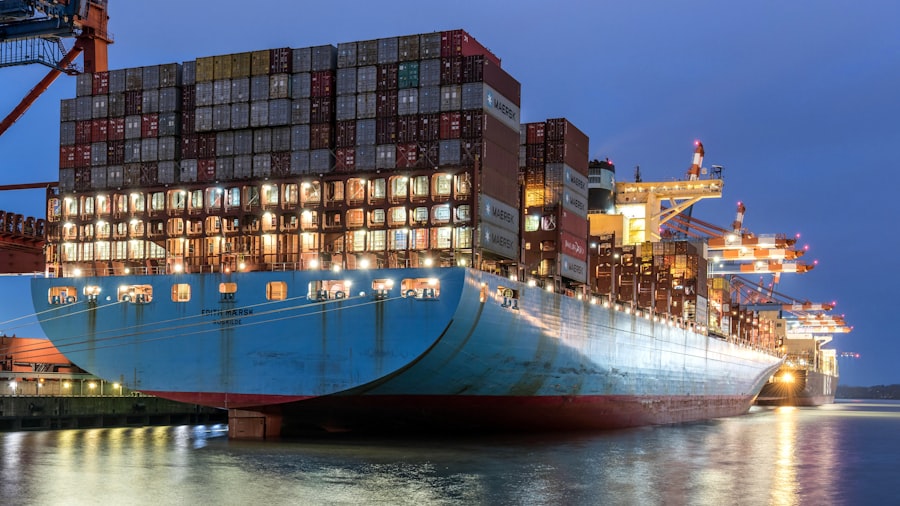
The ability to project naval power is a cornerstone of controlling maritime trade. A strong navy not only defends a nation’s own commercial interests but also enables it to influence or enforce its will in distant waters.
Aircraft Carriers and Blue-Water Navies
Aircraft carriers, with their embarked air wings, represent the pinnacle of naval power projection. They allow nations to establish air superiority and conduct operations far from their shores, effectively policing or demonstrating force along key trade routes. A “blue-water navy,” capable of sustained operations across open oceans, is essential for maintaining a global maritime presence.
Submarine Warfare Capabilities
Submarines, with their stealth and ability to operate undetected, pose a significant deterrent and offensive capability. They can threaten enemy surface fleets, interdict shipping, and conduct intelligence gathering, adding a complex layer to maritime power dynamics.
Anti-Access/Area Denial (A2/AD) Strategies
A2/AD strategies aim to prevent opposing forces from entering or operating within a specific area, often through a combination of long-range missiles, advanced sensors, and naval mines. While typically defensive, these strategies can effectively deny access to critical waterways, thereby exerting significant geopolitical leverage.
Economic Coercion and Sanctions through Maritime Control
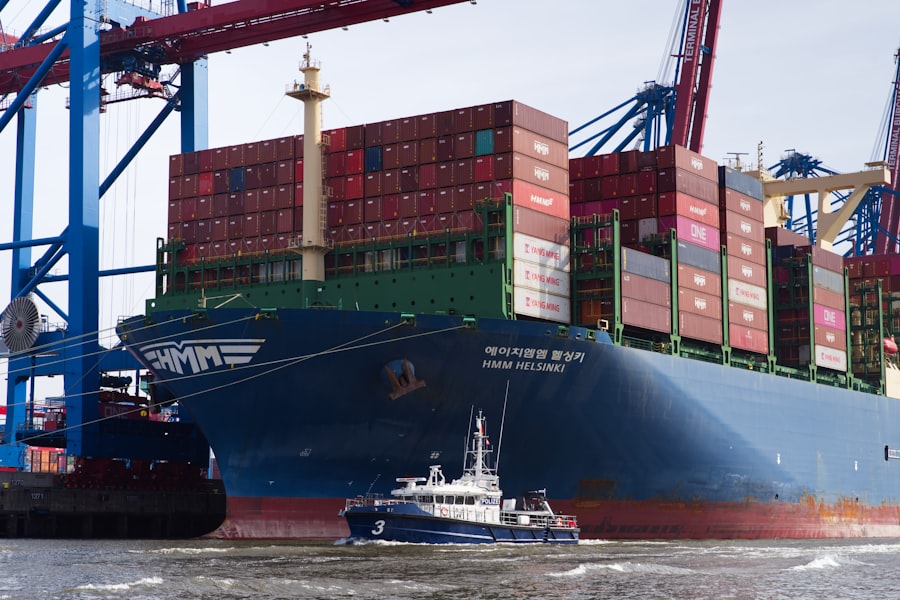
Control over maritime trade routes provides a potent tool for economic coercion and the enforcement of international sanctions.
Blockades and Embargoes
Historically, blockades have been used to isolate adversaries economically, starving them of vital resources and goods. In the modern era, while overt blockades are less common due to international law, the threat of disrupting shipping lanes through covert means or military exercises can serve a similar purpose.
Sanctions Enforcement
Many international sanctions regimes rely on the ability to monitor and interdict maritime shipping to prevent illicit trade. Nations with strong naval and maritime surveillance capabilities can effectively enforce these sanctions, thereby applying economic pressure on target states.
Impact on Global Supply Chains
The mere threat of disruption to a key maritime chokepoint or trade route can compel nations to adjust their geopolitical stances or comply with demands. This power stems from the inherent vulnerability of global supply chains to interruptions, demonstrating that the ocean is not just a highway, but a strategic chessboard.
In the complex landscape of international relations, the control of maritime trade routes has emerged as a crucial element of geopolitical leverage. Countries that dominate these vital waterways can significantly influence global commerce and security. For a deeper understanding of how nations navigate these challenges and opportunities, you can explore a related article that delves into the intricacies of maritime trade control and its implications for global power dynamics. This insightful piece can be found here.
The Future of Maritime Geopolitics
| Metric | Description | Example | Geopolitical Impact |
|---|---|---|---|
| Percentage of Global Trade Volume | Share of global maritime trade passing through a strategic chokepoint | Approximately 30% of global maritime trade passes through the Strait of Malacca | Control over chokepoints can influence global supply chains and trade flow |
| Number of Naval Bases | Number of military installations near key maritime routes | US and China have multiple naval bases around the South China Sea | Enhances ability to project power and enforce maritime claims |
| Volume of Energy Transit | Amount of oil and gas transported through maritime routes (barrels per day) | About 17 million barrels per day pass through the Strait of Hormuz | Disruption can impact global energy prices and economic stability |
| Maritime Security Incidents | Number of piracy, blockades, or conflicts reported annually | Over 100 piracy incidents reported near the Gulf of Aden in 2023 | Threatens safe passage and increases insurance and security costs |
| Control of Key Ports | Ownership or influence over major international ports | China’s control of Gwadar Port in Pakistan | Facilitates strategic military and economic influence in the region |
The landscape of maritime geopolitics is continually evolving, driven by technological advancements, shifting power balances, and emerging threats.
Autonomous Vessels and Cyber Warfare
The advent of autonomous vessels and the increasing reliance on digital systems for navigation and logistics introduce new vulnerabilities to cyber-attacks. Control over these technologies, or the ability to disrupt them, could become a novel form of geopolitical leverage.
Arctic Sea Routes
As climate change accelerates, new Arctic sea routes are becoming increasingly viable, offering shorter distances between Asia and Europe. Control over these routes, and the resources beneath them, is emerging as a new theatre of geopolitical competition, raising questions of sovereignty and access.
Regional Naval Arms Races
The increasing naval capabilities of several nations, particularly in regions like the Indo-Pacific, indicate a growing competition for maritime influence. This arms race reflects the enduring belief that control of the seas remains central to national power and prosperity.
In conclusion, the command of maritime trade routes stands as a perennial barometer of geopolitical influence. For readers, understanding the multifaceted nature of this control—from historical dominance and strategic chokepoints to naval power projection and economic coercion—is crucial. The oceans, far from being mere conduits, represent a dynamic and fiercely contested arena where the destinies of nations are continually shaped. The waves of history crash upon these shores, revealing the enduring truth: he who holds the reins of the sea holds the strings of global power.
WATCH THIS! 🌍 GLOBAL TRADE IS A LIE: How Three Chokepoints Control Your Calendar
FAQs
What is geopolitical leverage in the context of maritime trade?
Geopolitical leverage in maritime trade refers to the strategic advantage or influence a country or entity holds over international shipping routes, ports, or maritime chokepoints, which can be used to affect global trade flows, economic stability, or political negotiations.
Why is control over maritime trade routes important?
Control over maritime trade routes is crucial because approximately 80% of global trade by volume is transported by sea. Dominance over key shipping lanes or chokepoints allows a country to regulate trade flow, impose tariffs or blockades, and enhance its economic and strategic power.
What are maritime chokepoints?
Maritime chokepoints are narrow passages along widely used global sea routes that are critical for international trade. Examples include the Strait of Hormuz, the Suez Canal, the Strait of Malacca, and the Panama Canal. Control or disruption of these chokepoints can significantly impact global shipping and energy supplies.
How do countries exert control over maritime trade?
Countries can exert control through naval presence, ownership or influence over key ports, infrastructure investments, maritime security operations, and international agreements. Strategic alliances and economic investments in port facilities also enhance leverage over maritime trade.
What role does maritime trade control play in global security?
Maritime trade control is integral to global security as it affects the stability of supply chains, energy security, and economic prosperity. Disruptions or conflicts in key maritime areas can lead to increased tensions, economic losses, and even military confrontations.
Can maritime trade control be used as a political tool?
Yes, countries can use control over maritime trade routes as a political tool by imposing blockades, restricting access, or leveraging port facilities to influence other nations’ policies or negotiations.
How does international law regulate maritime trade control?
International law, primarily through the United Nations Convention on the Law of the Sea (UNCLOS), governs the rights and responsibilities of nations regarding maritime navigation, territorial waters, and exclusive economic zones, aiming to balance sovereign rights with freedom of navigation.
What impact does maritime trade control have on the global economy?
Maritime trade control impacts the global economy by influencing shipping costs, delivery times, and the availability of goods. Disruptions or restrictions can lead to increased prices, supply shortages, and economic instability worldwide.
Which countries currently have significant geopolitical leverage in maritime trade?
Countries with significant geopolitical leverage include those controlling major chokepoints or ports, such as Egypt (Suez Canal), Singapore (Strait of Malacca), the United States (Panama Canal and naval presence), and Gulf states controlling the Strait of Hormuz.
How do technological advancements affect maritime trade control?
Technological advancements, such as satellite surveillance, autonomous vessels, and improved port infrastructure, enhance the ability to monitor, secure, and manage maritime trade routes, thereby increasing geopolitical leverage for technologically advanced nations.