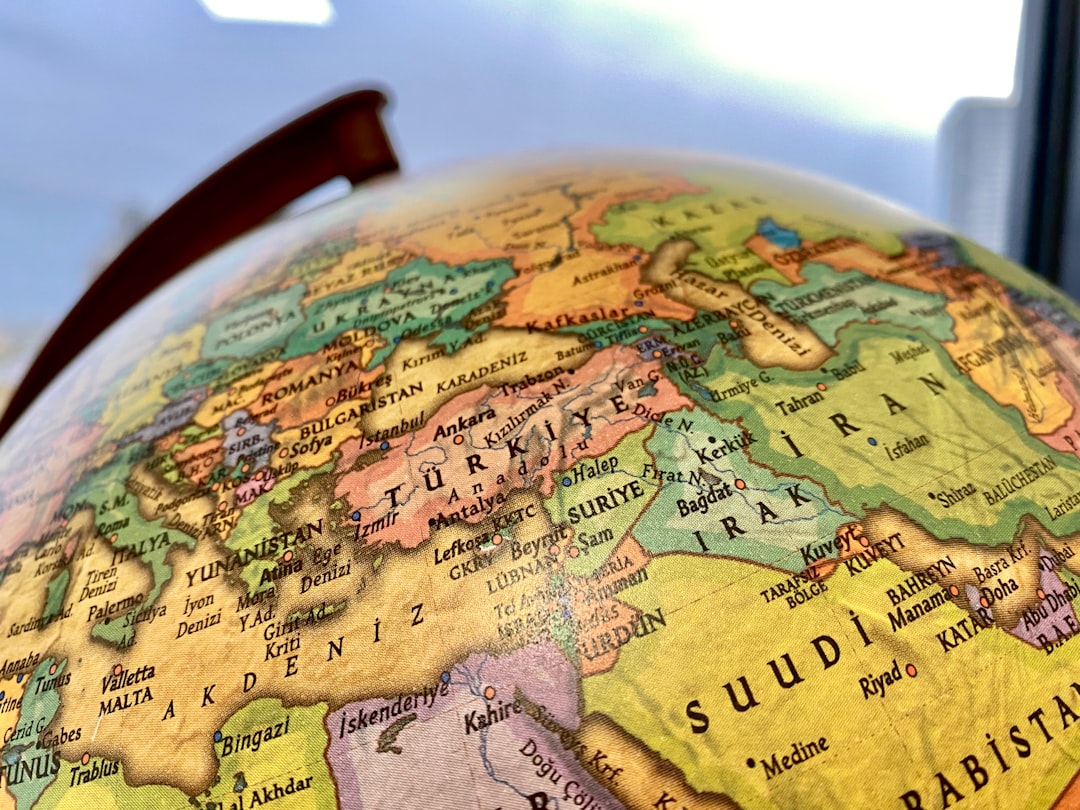
Copper has emerged as a critical component in the geopolitical landscape, serving as a linchpin for various industries, including electronics, construction, and renewable energy. Its significance extends beyond mere economic value; it is a strategic asset that nations leverage to enhance their geopolitical standing. As countries strive for technological advancement and energy transition, the demand for copper has surged, making it a focal point in international relations.
Nations rich in copper resources often find themselves at the center of geopolitical strategies, as their control over this essential metal can influence global supply chains and economic stability. The importance of copper in geopolitical strategies is underscored by its role in the transition to green technologies. With the global push towards renewable energy sources, copper’s applications in electric vehicles, solar panels, and wind turbines have made it indispensable.
Countries that possess significant copper reserves or have the capacity to produce it are strategically positioned to benefit from this shift. This dynamic has led to increased competition among nations to secure access to copper resources, prompting them to forge alliances and engage in diplomatic negotiations that can reshape global power structures.
Key Takeaways
- Copper is a critical resource influencing global geopolitical strategies due to its essential role in technology and infrastructure.
- The global copper supply chain is complex and vulnerable to geopolitical risks, including political instability and trade disputes.
- Diversifying copper suppliers and markets is key to mitigating supply chain disruptions and enhancing security.
- Technological innovation and international cooperation play vital roles in securing and stabilizing copper supply chains.
- Environmental and social responsibility are increasingly important factors in sustainable copper sourcing and geopolitical considerations.
Understanding the Global Copper Supply Chain
The global copper supply chain is a complex network that encompasses various stages, from mining and processing to distribution and consumption. It begins with the extraction of copper ore from mines, which is then processed into refined copper.
The intricacies of this supply chain are influenced by factors such as technological advancements, market demand, and geopolitical considerations. Understanding the global copper supply chain requires an appreciation of the key players involved. Major copper-producing countries, such as Chile and Peru, dominate the mining sector, while countries like China play a pivotal role in refining and manufacturing.
The interdependence among these nations creates a delicate balance that can be easily disrupted by geopolitical tensions or trade disputes. As nations seek to secure their copper needs, they must navigate this intricate web of relationships, making strategic decisions that can have far-reaching implications for their economies and international standing.
Geopolitical Risks and Challenges in Copper Supply Chains
The geopolitical landscape surrounding copper supply chains is fraught with risks and challenges that can impact global markets. Political instability in key producing countries can lead to disruptions in supply, causing fluctuations in prices and availability. For instance, labor strikes, regulatory changes, or civil unrest in major copper-producing nations can halt production and create uncertainty in the market.
Such events not only affect the immediate supply of copper but also have ripple effects on industries reliant on this essential metal. Moreover, trade tensions between nations can exacerbate these challenges. Tariffs and trade barriers can hinder the flow of copper across borders, leading to increased costs for manufacturers and consumers alike.
The ongoing rivalry between major powers, particularly the United States and China, has raised concerns about the security of supply chains for critical minerals like copper. As countries vie for dominance in the global market, they must contend with the potential for geopolitical conflicts that could disrupt access to vital resources.
Diversification of Copper Suppliers and Markets
| Metric | Current Status | Target/Goal | Notes |
|---|---|---|---|
| Number of Copper Suppliers | 15 | 25 | Increase supplier base to reduce dependency |
| Percentage of Copper Imports from Top 3 Countries | 70% | 40% | Reduce concentration risk |
| Number of Export Markets | 10 | 20 | Expand market reach globally |
| Market Share in Emerging Regions | 15% | 30% | Focus on Asia and Africa growth |
| Supplier Risk Index | 0.75 | 0.50 | Lower index indicates reduced risk |
| Average Contract Length with Suppliers (years) | 3 | 5 | Longer contracts for stability |
In response to the geopolitical risks associated with copper supply chains, many countries are actively pursuing diversification strategies. By seeking alternative suppliers and markets, nations aim to reduce their dependence on a limited number of sources for this critical metal. This approach not only enhances supply chain resilience but also mitigates the impact of geopolitical tensions on access to copper.
Diversification efforts often involve forging new trade agreements with emerging copper-producing nations or investing in domestic mining capabilities. Countries are increasingly looking beyond traditional suppliers to tap into resources in regions such as Africa and Southeast Asia. This shift not only opens up new avenues for securing copper but also fosters economic development in less-explored areas.
As nations expand their supplier networks, they create a more robust framework for ensuring a stable and reliable supply of copper.
Bilateral and Multilateral Agreements for Copper Supply Security
Bilateral and multilateral agreements play a crucial role in enhancing copper supply security amid geopolitical uncertainties. These agreements facilitate cooperation between nations, allowing them to share resources, technology, and expertise in the mining and processing of copper. By establishing formal partnerships, countries can create a more stable environment for trade and investment in the copper sector.
Such agreements often include provisions for joint ventures in mining operations or commitments to purchase specific quantities of copper over a defined period. For instance, countries rich in copper resources may enter into agreements with industrialized nations seeking stable supplies for their manufacturing sectors. These partnerships not only bolster economic ties but also contribute to geopolitical stability by fostering interdependence among nations.
Political Stability and its Impact on Copper Supply Chains

Political stability is a critical factor influencing the reliability of copper supply chains. Countries with stable governments are better positioned to attract investment in mining operations and maintain consistent production levels. Conversely, political turmoil can lead to disruptions that jeopardize the flow of copper to global markets.
For example, changes in leadership or policy shifts can create uncertainty for investors and operators within the mining sector. The impact of political stability extends beyond individual countries; it can affect regional dynamics as well. In regions where multiple countries share resources or rely on similar supply chains, instability in one nation can have cascading effects on its neighbors.
This interconnectedness underscores the importance of fostering political stability not only for domestic economic growth but also for maintaining a secure and reliable global supply chain for copper.
Technological Innovation and its Role in Securing Copper Supply Chains
Technological innovation is transforming the landscape of copper supply chains, offering new solutions to enhance efficiency and security. Advances in mining technology have improved extraction processes, allowing for more sustainable practices that minimize environmental impact while maximizing output. Innovations such as automation and artificial intelligence are streamlining operations, reducing costs, and increasing productivity within the mining sector.
Moreover, technology plays a pivotal role in enhancing transparency within the supply chain. Blockchain technology, for instance, is being explored as a means to track the provenance of copper from mine to market. By providing verifiable data on sourcing practices, companies can ensure ethical sourcing while building trust with consumers and stakeholders.
As technological advancements continue to reshape the industry, they offer promising avenues for securing copper supply chains against geopolitical risks.
Environmental and Social Responsibility in Copper Sourcing
As the demand for copper continues to rise, so too does the scrutiny surrounding its environmental and social impacts.
The mining industry faces pressure to minimize its ecological footprint while ensuring fair labor practices within its supply chains.
Environmental responsibility involves adopting practices that reduce pollution, conserve water, and protect biodiversity during mining operations. Companies are exploring ways to implement circular economy principles by recycling copper and reducing waste. Social responsibility encompasses ensuring that local communities benefit from mining activities through job creation and infrastructure development.
By prioritizing these values, companies can enhance their reputations while contributing positively to the communities from which they source their materials.
Geopolitical Influence on Copper Prices and Trade
Geopolitical factors significantly influence copper prices and trade dynamics on a global scale. Events such as trade disputes, sanctions, or political instability can lead to sudden fluctuations in prices as market participants react to perceived risks. For instance, tensions between major economies can create uncertainty about future supply levels, prompting traders to adjust their positions accordingly.
Additionally, geopolitical developments can impact demand for copper across various sectors. As countries invest in infrastructure projects or transition towards renewable energy sources, changes in government policies can drive demand fluctuations that ripple through global markets. Understanding these geopolitical influences is essential for stakeholders within the copper industry as they navigate an increasingly complex landscape characterized by uncertainty.
The Role of International Organizations in Copper Supply Chain Security
International organizations play a vital role in promoting stability within copper supply chains by facilitating dialogue among nations and providing frameworks for cooperation. Organizations such as the World Trade Organization (WTO) and the International Copper Association (ICA) work to establish standards that promote fair trade practices while addressing environmental concerns associated with mining activities. These organizations also serve as platforms for sharing best practices among member states, fostering collaboration on issues related to sustainability and responsible sourcing.
By encouraging transparency and accountability within the industry, international organizations contribute to building trust among stakeholders while enhancing overall security within global copper supply chains.
Future Trends and Challenges in Geopolitical Strategies for Copper Supply Chains
Looking ahead, several trends are likely to shape geopolitical strategies surrounding copper supply chains. The ongoing transition towards renewable energy sources will continue to drive demand for copper, prompting nations to reassess their resource management strategies. As competition intensifies among countries seeking access to critical minerals, geopolitical tensions may escalate, necessitating proactive measures to ensure supply chain security.
Moreover, technological advancements will play an increasingly important role in addressing challenges within the industry. Innovations aimed at improving efficiency and sustainability will be essential as stakeholders navigate evolving market dynamics influenced by geopolitical factors. As nations adapt their strategies to meet these challenges head-on, collaboration among governments, industries, and international organizations will be crucial for securing a stable future for global copper supply chains.
In conclusion, the interplay between geopolitics and copper supply chains is complex and multifaceted. As nations grapple with the implications of resource management on their geopolitical standing, understanding these dynamics will be essential for navigating an increasingly interconnected world where access to critical minerals like copper will remain paramount.
In the context of geopolitical strategies for securing copper supply chains, the article on Real Lore and Order provides valuable insights into the complexities of global resource management. It discusses how nations are increasingly prioritizing the stability of their supply chains in response to rising demand for copper, which is essential for various industries, including renewable energy and technology. The article highlights the strategic partnerships and trade agreements that countries are forming to ensure a steady flow of this critical resource.
WATCH THIS! 🚨 The Copper Cliff: How the World’s Most Critical Metal is Running Out
FAQs
What are geopolitical strategies in the context of copper supply chains?
Geopolitical strategies refer to the policies and actions taken by countries or organizations to secure and manage access to copper resources and supply routes, considering international relations, trade agreements, and political stability.
Why is securing copper supply chains important?
Copper is a critical metal used in various industries, including electronics, construction, and renewable energy. Securing supply chains ensures a stable and reliable supply, preventing disruptions that could impact economic growth and technological development.
Which countries are major players in the global copper supply chain?
Chile, Peru, China, the United States, and the Democratic Republic of Congo are among the leading producers and consumers of copper, playing significant roles in the global supply chain.
What risks affect copper supply chains geopolitically?
Risks include political instability in producing countries, trade disputes, export restrictions, resource nationalism, and conflicts that can disrupt mining operations or transportation routes.
How do countries mitigate risks in copper supply chains?
Countries diversify their sources, invest in mining projects abroad, develop recycling programs, establish strategic reserves, and engage in diplomatic efforts to maintain stable trade relations.
What role do international trade agreements play in copper supply security?
Trade agreements facilitate the smooth flow of copper and related materials by reducing tariffs, setting standards, and resolving disputes, thereby enhancing supply chain stability.
How does technological innovation impact copper supply chain security?
Technological advances improve mining efficiency, enable better resource exploration, enhance recycling processes, and provide alternatives that reduce dependency on copper, contributing to supply chain resilience.
Can geopolitical tensions lead to copper supply shortages?
Yes, conflicts, sanctions, or trade restrictions can limit access to copper resources or disrupt transportation, potentially causing shortages and price volatility.
What is the significance of copper in renewable energy and how does it affect geopolitical strategies?
Copper is essential for renewable energy technologies like wind turbines and electric vehicles. Its growing demand influences geopolitical strategies to secure stable supplies to support the energy transition.
How do companies contribute to securing copper supply chains?
Companies engage in responsible sourcing, invest in sustainable mining practices, diversify suppliers, and collaborate with governments to ensure ethical and uninterrupted copper supply.