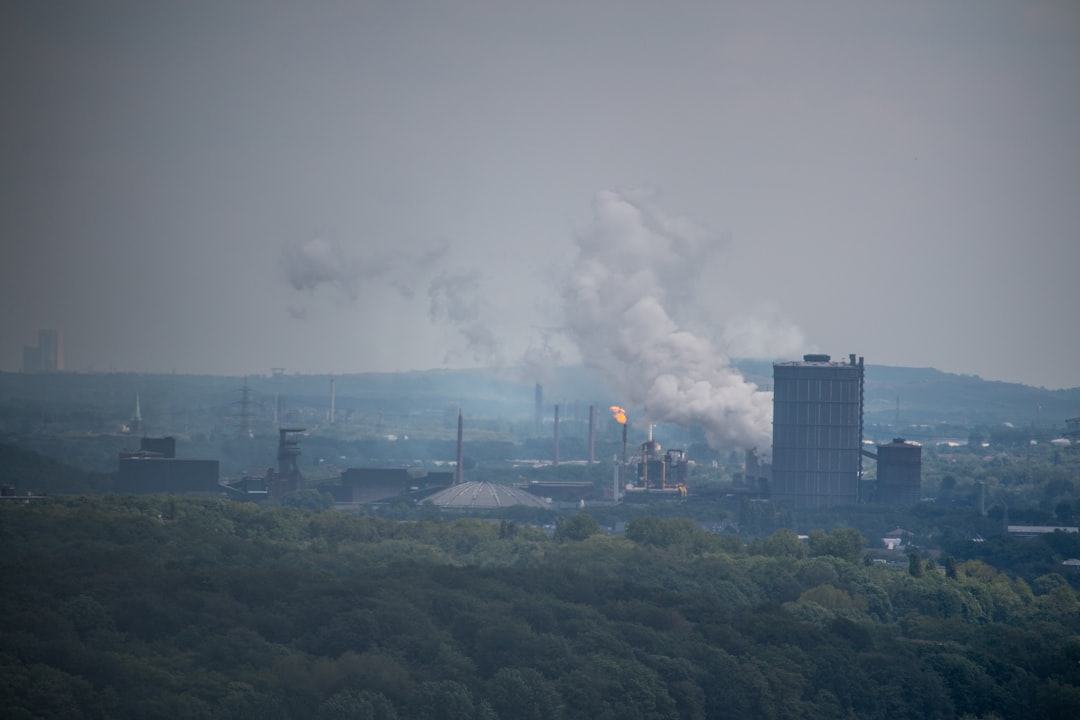
The German chemical industry, a long-standing pillar of the nation’s economic strength and a global leader in innovation, embarked on a significant strategic repositioning in the early 21st century. This shift, often described as a “relocation for growth,” did not primarily involve a physical dismantling of its extensive domestic infrastructure. Instead, it represented a profound reorientation of its investment priorities, research and development focus, and market engagement strategies, particularly towards emerging economies and specialized high-value segments. This article explores the multifaceted dimensions of this strategic repositioning.
The recent report highlights the impact of [Germany factory closures] on the European economy.
The landscape for chemical manufacturing underwent a dramatic transformation in the late 20th and early 21st centuries. Germany, once the undisputed chemical powerhouse, began to face intensified competition and evolving market dynamics.
Emergence of New Production Hubs
- Asian Ascent: The rapid industrialization of countries like China and India fostered the growth of their domestic chemical industries. These nations, often benefiting from lower labor costs and less stringent environmental regulations (at least initially), began to challenge Germany’s dominance in bulk chemical production. This created a new “center of gravity” for manufacturing, drawing a significant portion of global investment.
- Resource Advantage: Countries with abundant and affordable fossil fuel resources, such as those in the Middle East and North America (due to the shale gas revolution), gained a competitive edge in feedstock-intensive chemical processes. This undermined the cost competitiveness of raw material imports for German producers.
Maturing Domestic Markets
The German and broader European chemical markets, while still substantial, reached a level of maturity that limited spectacular growth opportunities. Innovation, while constant, tended towards incremental improvements rather than groundbreaking new applications across large-volume segments. This contrasted sharply with the burgeoning demand in developing economies, which were experiencing rapid industrial and consumer growth.
Regulatory Pressures and Environmental Scrutiny
Germany, and indeed the European Union, maintained some of the highest environmental and safety standards globally for chemical production. While lauded for responsible industrial practices, these regulations also imposed significant compliance costs and limited the scope for certain types of manufacturing expansion within the domestic market. This created an incentive for outward investment where regulatory environments might be less restrictive, though this was often balanced by corporate responsibility imperatives.
The chemical industry in Germany is currently undergoing significant changes as many companies are considering relocating their operations to more favorable regions. This shift is driven by various factors, including rising energy costs and stricter environmental regulations. For a deeper understanding of the implications of these relocations and the broader trends affecting the chemical sector, you can read a related article on this topic at Real Lore and Order.
Strategic Redirection: Beyond Borders and Bulk
In response to these shifting sands, German chemical companies, often with the support of industry associations and government initiatives, initiated a strategic redirection. This was not a retreat but a strategic advance, aiming to bolster their long-term growth prospects.
Focus on Specialty Chemicals and High-Value Segments
- Innovation as a Cornerstone: German chemical giants leveraged their deep expertise in research and development to concentrate on specialty chemicals, performance materials, and innovative solutions. These segments, which demand high levels of scientific know-how and often cater to niche markets, offer higher profit margins and are less susceptible to direct competition from commodity producers. Examples include advanced polymers for lightweight construction, sophisticated pharmaceuticals, and high-performance coatings.
- Tailored Solutions: The shift involved moving away from a “one size fits all” approach to developing highly customized solutions for specific industrial challenges. This customer-centric strategy fostered stronger partnerships and created barriers to entry for competitors.
- Digitalization and Automation: Investment in digitalization, automation, and artificial intelligence within domestic production facilities aimed at increasing efficiency, reducing costs, and maintaining a competitive edge in high-value manufacturing, even without the advantage of lower labor costs. This “Industry 4.0” approach allowed German firms to maximize output with fewer resources, thereby mitigating some of the pressures of a mature market.
Global Investment and Production Networks
While maintaining significant domestic operations, German chemical companies embarked on a concerted effort to establish and expand their production and research facilities in key growth markets.
- Near-Market Production: Establishing plants closer to end-users in Asia, North America, and other dynamic regions reduced logistical costs, improved supply chain resilience, and allowed for a more rapid response to local market demands. This also facilitated stronger relationships with local customers and regulatory bodies.
- Joint Ventures and Acquisitions: Strategic partnerships, joint ventures, and acquisitions of local companies became common tactics to gain market access, acquire local expertise, and mitigate investment risks. This often involved leveraging German technological prowess in return for local market penetration.
- R&D Localization: There was a growing trend to establish research and development centers in target markets. This facilitated the development of products tailored to local preferences and regulatory requirements, shortened innovation cycles, and attracted local talent. For instance, a common thread in announcements from companies like BASF or Covestro involved opening new R&D centers in Shanghai or Mumbai.
Navigating the Challenges of Global Expansion
The “relocation for growth” was not without its complexities and risks. Navigating diverse regulatory landscapes, cultural differences, and geopolitical dynamics required significant strategic foresight and adaptability.
Managerial and Cultural Adaptation
- Talent Management: Attracting, retaining, and integrating local talent into a globally operating German enterprise presented challenges. This required a re-evaluation of traditional management styles, an emphasis on cross-cultural communication, and investment in diversity and inclusion initiatives.
- Knowledge Transfer: Efficiently transferring sophisticated technological know-how and operational best practices across geographical and cultural boundaries was crucial. This often involved extensive training programs and the establishment of global “centers of excellence.”
Risk Mitigation and Ethical Considerations
- Geopolitical Instability: Operating in diverse global regions exposed companies to various geopolitical risks, including trade disputes, political instability, and supply chain disruptions. Diversification of production sites and robust risk assessment strategies became paramount.
- Environmental and Social Responsibility: Even when operating in regions with less stringent regulations, German chemical companies often adhered to their high domestic environmental and social standards. This commitment to corporate social responsibility (CSR) was driven by both ethical considerations and the understanding that long-term success hinges on sustainable practices and a positive brand image. This often meant implementing technologies that went beyond local legal requirements.
Intellectual Property Protection
Protecting intellectual property (IP) in diverse legal environments, particularly in emerging markets, was a constant concern. Robust legal frameworks, diligent monitoring, and strategic collaborations became essential tools in safeguarding proprietary technologies and formulations. This was often perceived as one of the thorniest issues, requiring significant legal and diplomatic effort.
A New Blueprint for Sustained Prosperity
The strategic repositioning of the German chemical industry represents a proactive adaptation to a rapidly evolving global economy. It is a testament to the industry’s resilience, its capacity for innovation, and its willingness to embrace change as a catalyst for growth.
Synergies Between Domestic and International Operations
The “relocation” did not signify an abandonment of the domestic base. Instead, it fostered a symbiotic relationship. Germany continued to serve as a hub for cutting-edge research, pilot production, and the development of high-tech processes that could then be scaled and adapted for international markets. The domestic industry became, in essence, the “brain” and “nerve center” of a globally distributed body.
Future Outlook: Agility and Sustainability
The German chemical industry’s future success will continue to hinge on its agility in responding to emerging trends, such as the circular economy, sustainable chemistry, and the increasing demand for bio-based materials. The established global footprint provides a strong foundation for integrating these new paradigms into its worldwide operations. One might consider this strategic move as a form of “industrial metamorphosis,” where the familiar caterpillar of traditional bulk production transformed into a globally networked, agile butterfly focused on specialized, high-value creation, thereby ensuring continued flight in a competitive sky. This adaptation, rather than being a mere relocation, is thus a transformation in its very essence, reflecting a deep understanding of the global economic currents and a persistent drive for innovation and market leadership across diverse geographical and product landscapes.
WATCH THIS 🔴 SHOCKING: Why Germany’s Factory Exodus Is Permanent (Not Temporary)
FAQs
What are the main reasons for the chemical industry in Germany relocating?
The chemical industry in Germany is relocating primarily due to rising production costs, stringent environmental regulations, and the search for more competitive markets and labor costs abroad.
Which countries are the primary destinations for the relocated chemical industry from Germany?
Common destinations include countries with lower labor costs and favorable regulatory environments, such as China, India, Eastern European countries, and some Southeast Asian nations.
How does the relocation of the chemical industry impact Germany’s economy?
Relocation can lead to job losses and reduced industrial output in Germany, but it may also encourage innovation and investment in high-tech and specialized chemical sectors within the country.
What measures is the German government taking to address the relocation of the chemical industry?
The government is implementing policies to improve competitiveness, such as investing in research and development, offering incentives for sustainable production, and supporting workforce retraining programs.
How does relocation affect environmental standards in the chemical industry?
Relocation often results in production moving to countries with less stringent environmental regulations, which can lead to increased pollution and environmental risks in those regions compared to Germany’s stricter standards.