
The Curious Case of German Engineering and the Demise of the “Computer Car”
The phrase “German Engineering” has long been a byword for precision, reliability, and an almost obsessive attention to detail. For decades, it conjured images of robust automobiles that could conquer any terrain or endure the longest journeys. However, in the rapidly evolving landscape of automotive technology, particularly in the realm of digital integration and software-defined vehicles, a different narrative has begun to emerge. This isn’t a tale of outright failure, but rather a subtle yet significant divergence from the expected path. It’s a story that questions whether the traditional strengths of German engineering, so successful in the mechanical age, are fully translating into the digital era, leading to what could be termed “The Death of the Computer Car” – at least, as it was initially envisioned by some.
This article will explore the factors that have contributed to this situation, examining the unique cultural and business drivers that have shaped German automotive development and how they have, at times, acted as impediments in the race towards deeply integrated, software-centric vehicles. We will delve into the challenges faced, the impact on consumers, and the potential future trajectory for this historically dominant force in the automotive world.
German automotive manufacturers have a storied past, built on a foundation of mechanical prowess. This heritage is not merely about historical significance; it has deeply ingrained itself into the corporate culture, the engineering mindset, and the very identity of these brands.
The Unwavering Focus on Physical Craftsmanship
- The Art of the Engine: For generations, German engineers were lauded for their mastery of the internal combustion engine. The quest for more power, better efficiency, and unparalleled durability in mechanical components became an art form. This deep-seated expertise created a powerful inertia, a natural inclination to focus on what was known and proven.
- Chassis Symphony: Similarly, the development of sophisticated chassis, suspension systems, and braking mechanisms represented the pinnacle of automotive engineering. The tactile feedback, the roadholding, and the sheer feel of a well-engineered German car were the benchmarks against which others were measured. This focus on the physical experience of driving remained a central tenet.
- Build Quality as an Idolatry: The perception of German cars as being built like tanks, with tight panel gaps, premium materials, and an air of solid permanence, was a significant selling point. This emphasis on tangible quality, on the “heft” of a car, inadvertently prioritized physical manifestation over abstract functionality.
German engineering has long been synonymous with precision and innovation, particularly in the automotive sector, where the rise of computer-controlled cars has transformed the industry. For a deeper understanding of how these advancements are shaping the future of transportation, you can read a related article that explores the intersection of technology and automotive design. Check it out here: German Engineering and the Evolution of Computer Cars.
The Unforeseen Software Storm
The automotive industry, once dominated by mechanical innovation, has undergone a seismic shift, increasingly driven by software and digital integration. This evolution has presented unique challenges for manufacturers steeped in a mechanically focused paradigm. The digital realm, with its rapid iteration, abstract functionalities, and different set of development rules, proved to be a far trickier beast to tame.
The Digital Disruption of the Automotive Blueprint
- The Rise of the Connected Car: The advent of the connected car, with its ability to communicate with external networks, receive over-the-air updates, and integrate with digital ecosystems, fundamentally altered the definition of a vehicle. It transformed from a standalone mechanical marvel into a node within a larger digital network.
- Software as the New Engine: Increasingly, the intelligence and functionality of a car are not determined by the power of its engine or the sophistication of its suspension, but by the code that runs within its electronic brains. Features, user experience, and even performance are becoming software-dependent.
- The Autonomy Ambition: The pursuit of autonomous driving, a deeply software-intensive endeavor, requires not just advanced sensors and processors but also sophisticated artificial intelligence, machine learning algorithms, and robust cybersecurity protocols – domains far removed from traditional automotive engineering.
The German Engineering Dilemma: A Clash of Methodologies
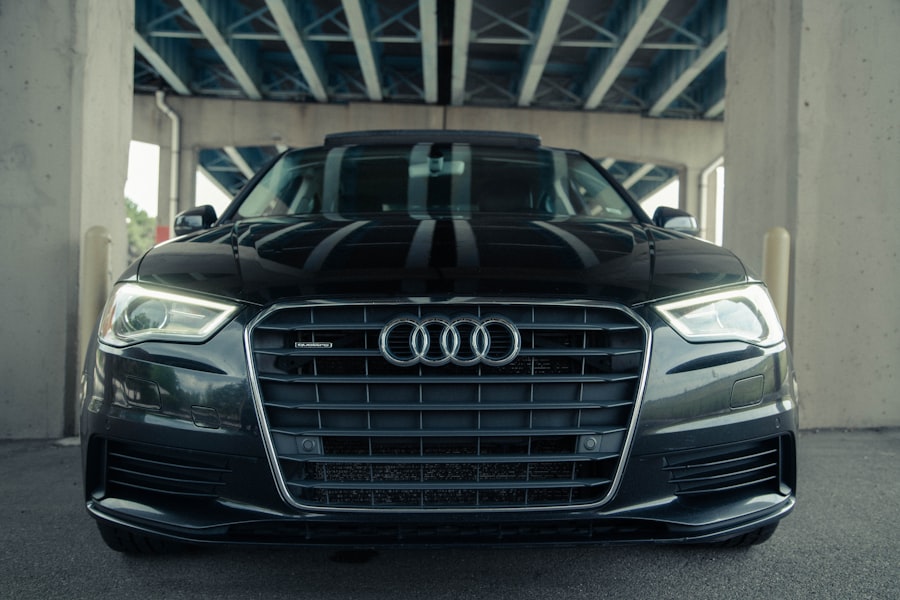
The very strengths that cemented German engineering’s reputation in the mechanical age have, in some instances, created friction and delays in the transition to a software-centric automotive future. This is not a criticism of their inherent capabilities but an observation of how deeply ingrained processes and philosophies can hinder adaptation.
The Long Development Cycles and the Fast-Evolving Digital Landscape
- The Waterfall vs. The Agile: Traditional German automotive development often followed a “waterfall” methodology, characterized by long, sequential phases of design, testing, and implementation. This approach is well-suited for ensuring mechanical perfection but struggles to keep pace with the rapid iteration cycles of software development, which often employs “agile” methodologies for quicker feedback and adaptation.
- The Hierarchical Decision-Making: Hierarchical corporate structures, common in established German industries, can sometimes slow down decision-making processes, particularly when dealing with cross-disciplinary teams involving hardware engineers, software developers, and UX designers. The swift, iterative nature of software innovation often demands more fluid and decentralized structures.
- The Quest for Perfection and the Iterative Nature of Software: German engineers are renowned for their pursuit of perfection before release. While admirable for mechanical components, this can be a bottleneck in software development, where continuous updates and improvements are the norm. The philosophy of “build, test, release, and refine” is fundamentally different from designing a component that must be flawless from the first day of production.
- Supplier Relationships: A Double-Edged Sword: For decades, German manufacturers fostered deep, long-term relationships with specialized component suppliers. This model ensured excellent quality and integration for mechanical parts. However, in the software domain, the landscape is dominated by tech giants and nimble software companies whose development cycles and business models differ significantly, leading to complexities in integration and negotiation.
The Impact on the “Computer Car” Experience
The divergence in development philosophies has translated into tangible experiences for consumers, leading to a perception that German cars, while still superior in many mechanical aspects, have lagged in their digital integration and user experience.
The Frustration of the Immersive Digital Frontier
- Infotainment Systems: The Achilles’ Heel? Many reviews and consumer surveys have highlighted German infotainment systems as areas for improvement. Compared to tech-focused competitors, these systems have sometimes been criticized for being unintuitive, slow to respond, or lacking the seamless integration of modern smartphones. The very systems designed to enhance the “computer car” experience have, at times, felt like an afterthought.
- Over-the-Air (OTA) Updates: A Slow Rollout: The ability to update vehicle software remotely, a standard feature in many modern tech products, has been slower to become truly ubiquitous and seamless in German offerings. This has meant that new features or bug fixes are often tied to dealership visits, an inconvenience in an era of instant digital gratification.
- User Interface (UI) and User Experience (UX) Design: The emphasis on tactile feedback and mechanical precision may have, at times, overshadowed the importance of intuitive and adaptable digital interfaces. While the physical controls might be robust, the digital interaction can feel less fluid and user-friendly than those offered by competitors who have prioritized digital UX from the outset.
- The “Digital Ghost” in the Machine: Some consumers report a disconnect between the advanced mechanical capabilities of German cars and their digital counterparts. The car might drive impeccably, but the digital systems can feel less integrated, less responsive, and less “intelligent” than one might expect from a vehicle increasingly marketed as a sophisticated computer on wheels. This can lead to a feeling that the “computer” aspect of the car is a bolted-on addition rather than a fundamental part of its DNA.
German engineering has long been synonymous with precision and innovation, particularly in the realm of automotive technology. The rise of computer-controlled cars has transformed the industry, enhancing safety and efficiency while pushing the boundaries of what vehicles can achieve. For a deeper understanding of how these advancements are shaping the future of transportation, you can read a related article that explores the intersection of technology and automotive design. This insightful piece delves into the latest trends and innovations in the field, highlighting the pivotal role of German engineering in this evolution. To learn more, visit this article.
The Road Ahead: Reimagining German Automotive Identity
| Metric | Value | Description |
|---|---|---|
| German Engineering Reputation | 9.5/10 | Global rating for precision and quality in automotive engineering |
| Computer Integration in Cars (2023) | 85% | Percentage of German cars with advanced computer systems |
| Electric Vehicle Production (Germany, 2023) | 1.2 million units | Number of electric cars produced in Germany |
| Autonomous Driving Level | Level 3 | Current average autonomous driving capability in German cars |
| R&D Investment in Automotive Sector (Germany) | 4.5 billion | Annual investment in research and development (in billion euros) |
| German Car Exports (2023) | 3.5 million units | Number of cars exported from Germany worldwide |
| Average Computer Systems per Car | 50+ | Number of embedded computer systems in modern German cars |
The challenges faced by German manufacturers in the digital age do not signify an end to their engineering legacy. Instead, they present an opportunity for evolution and reinvention. The “Death of the Computer Car” is not a definitive pronouncement but rather a metaphorical crossroads, a point where traditional strengths must be re-evaluated and augmented with new capabilities.
Architects of the Digital Future, Not Just Mechanical Maestros
- Bridging the Software Gap: German automakers are actively investing in software development capabilities, establishing dedicated digital divisions, and partnering with technology firms. The goal is to move beyond merely integrating third-party software and to develop proprietary, deeply integrated digital architectures.
- Embracing Agile Development: There is a growing recognition of the need to adopt more agile development practices, allowing for faster iteration, continuous feedback, and quicker deployment of new features. This involves cultural shifts and organizational restructuring.
- The Human-Machine Interface Redefined: The focus is shifting towards creating intuitive and personalized digital experiences that seamlessly blend with the physical attributes of the car. This involves investing heavily in UX/UI design and understanding user behavior in a digital context.
- The “Software-Defined Vehicle” Paradigm: The ultimate aim for many German manufacturers is to transition towards the “software-defined vehicle,” where the majority of the vehicle’s functionality, performance, and user experience are determined by its software. This requires a fundamental shift in how vehicles are conceived, designed, and updated throughout their lifecycle. The question is whether they can successfully shed their mechanical skin and fully embrace this digital metamorphosis without losing the essence of what made them great in the first place. The transition is akin to a classical musician learning to compose electronic music; the foundational skills are invaluable, but a new vocabulary and methodology are essential. This journey will be a test of their adaptability and their willingness to redefine what “German Engineering” truly means in the 21st century.
FAQs
What is meant by “German engineering” in the context of cars?
German engineering refers to the high standards of design, precision, and innovation traditionally associated with German automobile manufacturers such as BMW, Mercedes-Benz, Audi, and Volkswagen. It emphasizes quality, performance, and advanced technology in vehicle production.
How have computers influenced German car manufacturing?
Computers have revolutionized German car manufacturing by enabling advanced design simulations, precision engineering, automated production lines, and integration of sophisticated electronic systems in vehicles. This has improved efficiency, safety, and the overall driving experience.
What does the phrase “died computer cars” imply in the article title?
The phrase “died computer cars” likely refers to the decline or transformation of traditional German engineering principles due to the increasing reliance on computer technology in car design and manufacturing, possibly suggesting a shift away from hands-on craftsmanship to digital processes.
Are German cars still known for their engineering excellence despite computerization?
Yes, German cars continue to be recognized for their engineering excellence. While computer technology has changed how cars are designed and built, German manufacturers maintain rigorous standards and innovation, blending traditional engineering skills with modern digital tools.
What are some examples of computer technologies used in modern German cars?
Modern German cars incorporate computer technologies such as advanced driver-assistance systems (ADAS), electronic stability control, adaptive cruise control, infotainment systems, engine management software, and autonomous driving features, all of which rely heavily on computer hardware and software integration.