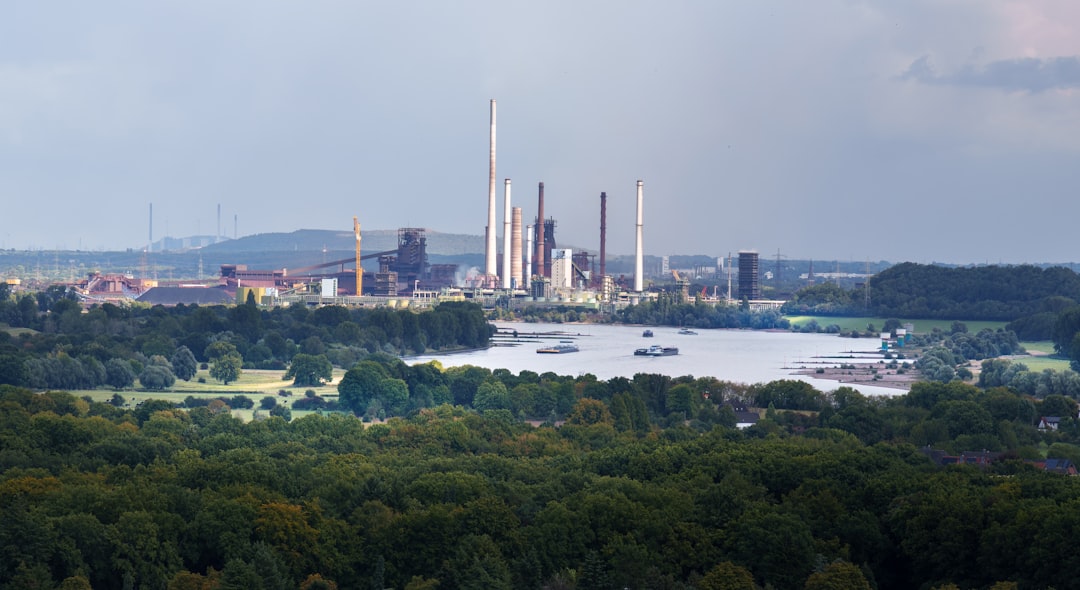
The German industrial landscape, long celebrated as an engine of European economic might, is experiencing a palpable shift. A growing number of manufacturing facilities, once firmly rooted in the nation’s heartland, are now contemplating or actively pursuing relocation to other countries. This exodus, often described as a slow but significant drain, is primarily driven by a confluence of escalating operational costs that are challenging the very foundations of Germany’s industrial competitiveness.
Rising energy costs stand as a primary catalyst in this industrial migration. Germany, historically reliant on affordable energy to power its robust manufacturing sector, finds itself grappling with an increasingly expensive and unpredictable energy market. The recent report highlights the impact of [Germany factory closures] on the European economy.
Geopolitical Pressures and Supply Chain Disruptions
The conflict in Ukraine, among other geopolitical tensions, has profoundly impacted global energy markets. The curtailment of natural gas supplies from Russia, a previously cost-effective source, forced Germany to seek alternative, often more expensive, energy imports. This sudden recalibration has sent shockwaves through industries heavily dependent on gas, such as chemicals, glass, and steel production. The metaphorical pipes that once delivered cheap energy are now either rerouted and more costly, or partially blocked, creating a bottleneck of expense.
The Green Transition’s Costly Side
While Germany’s commitment to the “Energiewende” – the transition to renewable energy – is laudable and essential for long-term sustainability, its short-term implementation has presented significant cost challenges. The rapid decommissioning of nuclear power plants and the slower-than-anticipated buildout of renewable infrastructure have left a gap that is often filled by more expensive, albeit cleaner, energy sources or by imported electricity at premium prices. Companies are faced with higher electricity bills and the additional investments required to transition their own energy consumption to more sustainable, yet often more expensive, alternatives. This is akin to a house undergoing renovations; while the end result will be better, the interim period involves dust, disruption, and unexpected costs.
Carbon Pricing and Emissions Trading
The European Union’s Emissions Trading System (ETS) and Germany’s national carbon pricing scheme impose a financial cost on carbon emissions. While designed to incentivize decarbonization, these schemes add another layer of expense for energy-intensive industries. Manufacturers, particularly those producing basic materials, must factor in the cost of carbon allowances, which can fluctuate unpredictably, making long-term financial planning a tightrope walk. For example, a steel mill, a major emitter, must now pay for every tonne of carbon it releases, directly increasing its operational expenses.
As factories continue to leave Germany in search of more favorable economic conditions, it is essential to understand the broader implications of this trend. A related article that delves into the factors driving this shift can be found at this link. The article explores the challenges faced by German manufacturers, including rising labor costs and stringent regulations, which have prompted many to relocate their operations to countries with lower overhead expenses.
Labor Market Dynamics and Wages
Germany’s highly skilled workforce and strong labor protections, while often viewed as strengths, are simultaneously contributing to rising operational costs, prompting some businesses to seek a more economically favorable labor environment.
High Wage Levels and Social Contributions
German workers, on average, command some of the highest wages in Europe. This, coupled with significant employer social contributions for pensions, healthcare, and unemployment insurance, creates a substantial labor cost burden for businesses. While these provisions ensure a high quality of life and a robust social safety net, they directly impact the competitiveness of German manufacturers when compared to countries with lower labor costs. For a company employing hundreds or thousands, these costs accumulate like a rising tide.
Skilled Labor Shortages
Paradoxically, despite high wages, Germany faces a persistent shortage of skilled labor in numerous industrial sectors, including engineering, IT, and trades. This scarcity not only drives up salary demands for available talent but also hinders production capacity and innovation. Companies are often forced to compete fiercely for qualified personnel, driving up recruitment costs and potentially delaying expansion plans. One might imagine a treasure chest where the individual coins are expensive, and the number of coins is dwindling, forcing desperate measures to secure them.
Rigidity of Labor Laws
German labor laws, renowned for protecting workers’ rights, can sometimes be perceived as rigid by businesses seeking operational flexibility. Regulations concerning working hours, dismissal procedures, and collective bargaining agreements, while safeguarding employees, can limit a company’s ability to quickly adapt to changing market demands or economic downturns. This inflexibility can translate into higher overheads and reduced agility, especially for industries with cyclical demand.
Taxation and Regulatory Environment
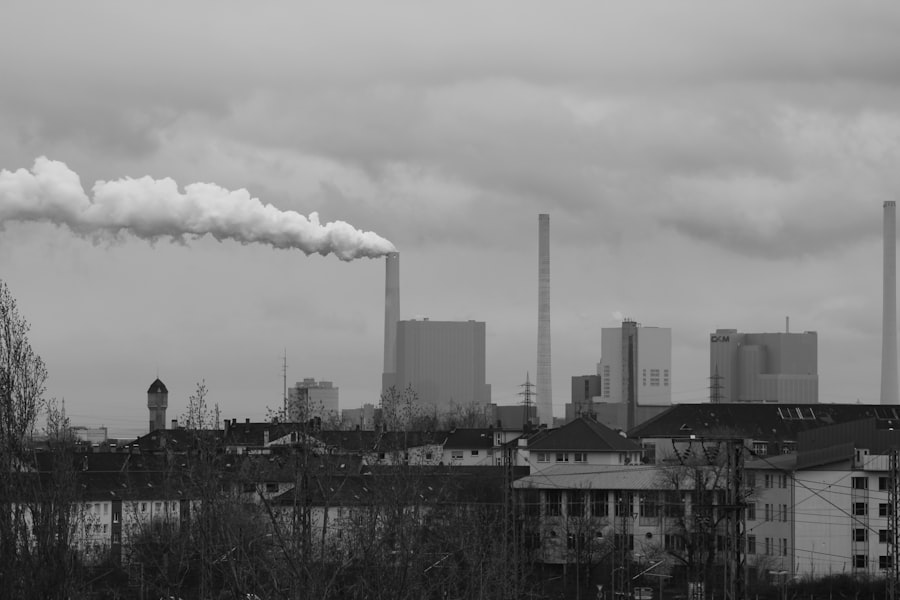
The German tax system and its extensive regulatory framework, while ensuring order and quality, are often cited as contributing factors to the increasing cost of doing business.
Corporate Tax Rates
While Germany has implemented some corporate tax reforms, the overall tax burden on businesses is still considered relatively high compared to many other industrialized nations. High corporate tax rates can reduce retained earnings available for reinvestment, innovation, or expansion, making alternative locations with more favorable tax regimes increasingly attractive. Every percentage point in tax can act as a silent siphon, drawing away potential growth.
Bureaucracy and Administrative Burden
The German regulatory landscape is famously comprehensive and, for some, complex. Businesses often face significant administrative burdens related to permits, environmental compliance, and various reporting requirements. Navigating this labyrinthine bureaucracy can be time-consuming and expensive, requiring dedicated internal resources or external consultants. This administrative overhead, while perhaps ensuring high standards, adds a non-trivial cost to operations. It’s like having to fill out extensive forms and secure multiple stamps for every single transaction, adding time and effort to each step.
Environmental Regulations
Germany’s stringent environmental regulations, while crucial for sustainable development, can necessitate substantial investments in new technologies, waste management, and emissions reduction for manufacturers. These compliance costs, while beneficial in the long run, represent an immediate financial outlay that some companies find challenging to absorb, especially when facing intense international competition from countries with less rigorous standards.
Infrastructure and Logistics Costs
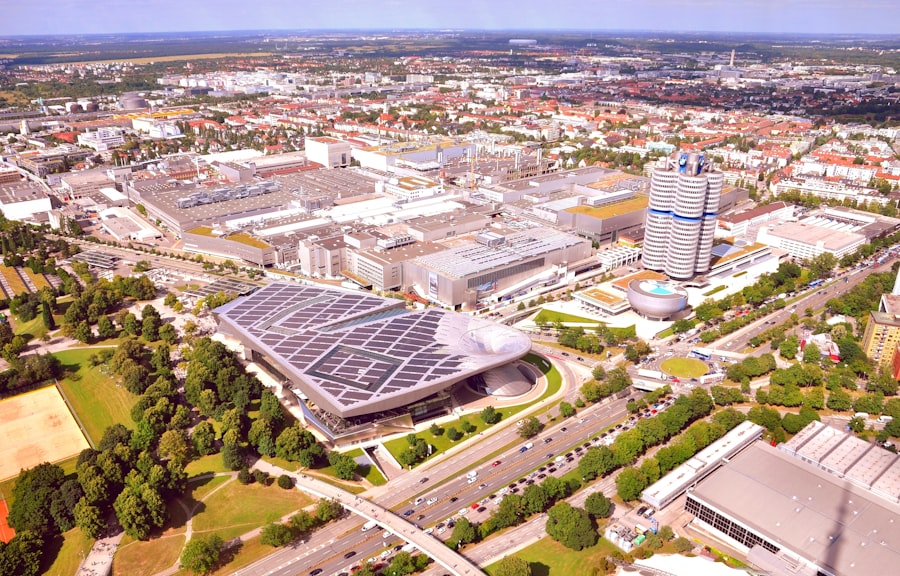
Germany’s once-envied infrastructure network, while still robust, is showing signs of strain and experiencing rising costs, further impacting industrial competitiveness.
Deteriorating Infrastructure
Despite ongoing investment, parts of Germany’s transport infrastructure, including roads, bridges, and railways, have suffered from underfunding over the years, leading to congestion and delays. This deterioration translates into higher logistics costs for businesses, with extended delivery times and increased fuel consumption. The reliable arteries of commerce are occasionally experiencing clots, slowing the flow of goods.
Port and Logistics Bottlenecks
German ports, crucial gateways for international trade, can experience bottlenecks and capacity constraints, especially during peak seasons or due to labor disputes. These issues lead to higher shipping costs, increased lead times, and disruptions to global supply chains, directly impacting manufacturers’ ability to import raw materials and export finished goods efficiently. The metaphorical funnel at the ports might be getting narrower, making it harder for goods to move through quickly.
Rising Transportation Costs
Fuel price volatility, coupled with stricter emissions standards for commercial vehicles, contributes to higher transportation costs within Germany. Businesses reliant on road haulage for distribution face increasing expenses, which are ultimately passed on to consumers or absorbed, eroding profit margins.
As many factories are leaving Germany in search of more favorable economic conditions, the implications for the country’s manufacturing sector are becoming increasingly significant. This trend raises questions about the long-term sustainability of industries that have historically thrived in Germany. For a deeper understanding of the factors driving this shift, you can read a related article that explores the challenges and opportunities faced by manufacturers in this evolving landscape. To learn more about this topic, visit this insightful article.
Global Competition and Shifting Market Dynamics
| Factor | Description | Impact on Factory Relocation | Example Metrics |
|---|---|---|---|
| High Labor Costs | Germany has some of the highest wages in Europe, increasing production costs. | Factories move to countries with lower wages to reduce expenses. | Average hourly wage in manufacturing: €35 |
| Energy Prices | Rising energy costs due to transition to renewable energy and geopolitical factors. | High energy costs make manufacturing less competitive. | Industrial electricity price: €0.20 per kWh |
| Regulatory Burden | Strict environmental and labor regulations increase compliance costs. | Factories seek countries with more flexible regulations. | Number of regulatory inspections per year: 15+ |
| Taxation | Corporate tax rates and social security contributions are relatively high. | Higher taxes reduce net profits, encouraging relocation. | Corporate tax rate: ~30% |
| Supply Chain Disruptions | Global supply chain issues and reliance on imports increase costs and delays. | Factories move closer to raw material sources or markets. | Average supply delay: 4-6 weeks |
| Labor Shortages | Skilled labor shortages in manufacturing sectors. | Factories relocate to countries with larger skilled labor pools. | Vacancy rate in manufacturing: 5% |
| Automation and Digitalization | High investment needed for Industry 4.0 technologies. | Factories unable to invest may relocate to lower-cost countries. | Investment in automation per factory: €1 million+ |
Beyond internal cost pressures, German factories are operating in an increasingly cutthroat global marketplace, where shifting dynamics are also encouraging relocation.
Lower-Cost Production Hubs Abroad
The emergence of lower-cost production hubs in countries such as Eastern Europe, Asia, and even parts of North America, offers compelling alternatives for manufacturers. These regions often boast significantly lower labor costs, more favorable energy prices, and sometimes more streamlined regulatory environments. For companies producing standardized goods, the incentive to move production closer to these cost advantages is immense. It’s like finding a fertile valley next to a mountain range where the climate is milder and the resources are cheaper.
Nearshoring and Friendshoring Trends
Geopolitical uncertainties and the lessons learned from supply chain disruptions during the pandemic have accelerated trends like “nearshoring” and “friendshoring.” While some companies are bringing production closer to home (even if not Germany itself), others are seeking manufacturing partners in geopolitically aligned nations. This strategy aims to reduce risks associated with distant and potentially unstable supply chains, but it doesn’t necessarily mean manufacturing will remain in Germany if other allied nations offer better cost economics. The compass of commerce is being adjusted, not just for cost, but for security and reliability.
Access to New Markets and Talent Pools
Relocating production can sometimes be a strategic move to access burgeoning new markets or tap into different talent pools. Establishing a manufacturing presence within a target market can reduce logistical costs, improve responsiveness to local demand, and bypass trade barriers. Similarly, setting up operations in regions with a readily available and skilled workforce in specific technological domains can be a powerful draw. This is akin to a gardener moving their plants to new, richer soil where they can thrive and find new sunlight.
In conclusion, the decision by German factories to exit or relocate is not a monolithic choice driven by a single factor, but rather a complex interplay of economic forces. The rising tide of energy prices, the enduring strength and cost of the German labor market, the comprehensive regulatory and tax environment, and the persistent challenges within infrastructure, all combine to create a formidable headwind for manufacturers. When viewed through the lens of intense global competition, these internal pressures compel a re-evaluation of fundamental business models. For many, the metaphor of a ship navigating turbulent waters applies, and while the German industrial vessel is undeniably powerful, the rising costs are akin to barnacles accumulating below the waterline, slowing its progress and making it less efficient unless a strategic course correction, which sometimes means a change of port, is undertaken. The implications of this trend for Germany’s economic future, and indeed for the stability of vital global supply chains, warrant continued close observation and strategic response.
WATCH THIS 🔴 SHOCKING: Why Germany’s Factory Exodus Is Permanent (Not Temporary)
FAQs
Why are some factories leaving Germany?
Factories are leaving Germany primarily due to high labor costs, increasing energy prices, and stringent environmental regulations. Companies often seek locations with lower operational expenses to remain competitive in the global market.
Which industries are most affected by factories relocating from Germany?
Industries such as manufacturing, automotive, and electronics are among the most affected. These sectors often require large-scale production facilities and are sensitive to cost pressures, prompting some companies to move operations abroad.
What countries are factories relocating to from Germany?
Factories leaving Germany commonly relocate to countries with lower labor costs and favorable business environments, such as Eastern European nations (e.g., Poland, Czech Republic), as well as countries in Asia like China and Vietnam.
How does the departure of factories impact the German economy?
The relocation of factories can lead to job losses and reduced industrial output in Germany. However, it may also encourage innovation and investment in high-tech and service sectors, potentially offsetting some negative effects.
What measures is Germany taking to retain factories and industrial jobs?
Germany is investing in digitalization, automation, and sustainable technologies to enhance industrial competitiveness. Additionally, policies aimed at reducing energy costs and supporting innovation are being implemented to retain and attract manufacturing businesses.