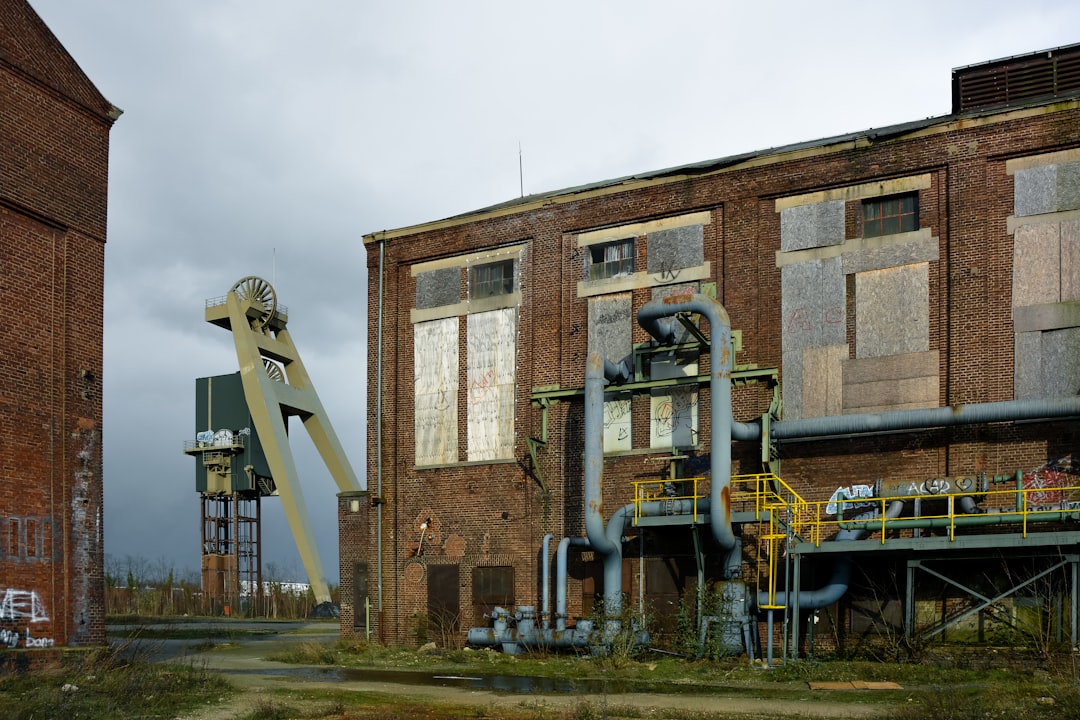
The global industrial landscape is experiencing a seismic shift, with a notable trend of German factories relocating their operations to other nations. This phenomenon, often referred to as the “German factory exodus,” is not a monolithic event but rather a complex interplay of economic, political, and logistical factors. Understanding the nuances of this migration requires a comparative analysis, examining the drivers behind these decisions and the destinations chosen. This article will delve into the multifaceted reasons for this exodus and explore the comparative advantages that attract German manufacturing abroad.
The decision to relocate a manufacturing facility is rarely taken lightly. It is a strategic move, akin to a seasoned sailor adjusting their sails to catch the most favorable wind. The primary driver behind this exodus is often the relentless pursuit of enhanced economic competitiveness. Factors such as production costs, labor expenses, energy prices, and regulatory burdens all contribute to a company’s bottom line.
Labor Costs: A Persistent Calculation
Labor constitutes a significant portion of manufacturing overhead. The comparison of wage levels between Germany and potential relocation sites is a crucial calculation for any company considering a move. Historically, Germany has benefited from a highly skilled workforce, yet this comes at a premium. Countries with lower average wages, even after accounting for productivity differentials, can offer substantial savings.
The Wage Gap and its Impact on Margainal Costs
A direct comparison of hourly wage rates often paints a stark picture. While German workers are recognized for their productivity, the raw difference in hourly compensation can be a potent lure for industries with high labor-intensive processes. The absolute difference in wages, combined with the sheer volume of labor employed, directly impacts marginal costs. For instance, a company producing consumer goods where labor is a substantial cost driver might find the savings from a lower-wage country to be the decisive factor.
Social Contributions and Benefits in Germany
Beyond direct wages, German employers face significant statutory social contributions, including health insurance, pension contributions, and unemployment insurance. These employer-side social costs can add a substantial percentage to the total labor expense. In comparison, many emerging economies offer a less comprehensive, or in some cases, a less mandated, social benefit structure for employees, indirectly lowering the total cost for the employer.
Energy Prices: A Volatile Commodity
Energy is the lifeblood of manufacturing. Factories consume vast quantities of electricity and gas to power machinery and maintain operational temperatures. The fluctuating and often elevated price of energy in Germany has become an increasingly significant burden for industrial players. This is particularly true in light of global energy market volatility and Germany’s own energy transition policies.
The Energiewende and its Economic Repercussions
Germany’s ambitious “Energiewende” (energy transition) policy, aimed at shifting away from fossil fuels and nuclear power towards renewable energy sources, while laudable in its environmental goals, has had unintended economic consequences. The transition has been accompanied by rising energy prices for industrial consumers, as investments in new infrastructure and the integration of intermittent renewable sources incur costs. This has made Germany a relatively expensive location for energy-intensive industries such as chemicals, metallurgy, and cement production.
Global Energy Price Differentials
In contrast, many other industrial nations, particularly those with access to cheaper fossil fuel reserves or a more diversified energy mix, offer more stable and lower energy prices. The ability to secure long-term, predictable energy contracts at competitive rates is a powerful incentive for manufacturers seeking to control operational costs. This can create a significant competitive disadvantage for German firms exporting to regions with cheaper energy inputs for their own production.
Regulatory Environment: The Cost of Compliance
The German regulatory landscape, while designed to ensure high environmental standards, worker safety, and product quality, also imposes significant compliance costs on businesses. Navigating complex legislation, obtaining permits, and adhering to stringent environmental regulations can be a time-consuming and expensive endeavor.
Bureaucratic Hurdles and Permit Processes
The intricacies of German bureaucracy, including lengthy approval processes for new facilities, expansions, or even modifications to existing operations, can create considerable delays and uncertainty. These bureaucratic hurdles act as a drag on agility and can stifle innovation, forcing companies to wait years for essential permits. In contrast, some relocation destinations may offer streamlined administrative processes and faster turnaround times for permits.
Environmental Standards and Compliance Costs
Germany’s commitment to environmental protection often translates into a demanding set of regulations for industries. Meeting these standards, which may include emissions controls, waste management, and sustainable sourcing requirements, can necessitate substantial investment in new technologies and ongoing operational adjustments. While these standards are crucial for long-term sustainability, they can represent a competitive cost compared to regions with less stringent environmental mandates.
In the context of the comparative analysis of the German factory exodus with other countries, it is essential to consider the implications of nearshoring as a strategic response to global supply chain challenges. A related article that delves into this topic is titled “The Rise of Nearshoring: Mexico’s Growing Appeal,” which explores how companies are increasingly relocating their manufacturing operations closer to home, particularly in Mexico. This shift not only highlights the competitive advantages of nearshoring but also contrasts with the trends observed in Germany’s industrial landscape. For more insights, you can read the article here: The Rise of Nearshoring: Mexico’s Growing Appeal.
The Allure of Emerging Markets and Mature Alternatives
The destinations for German factory relocations are diverse, ranging from established industrial hubs to rapidly developing economies. Each offers a unique set of advantages, catering to different industry needs and strategic priorities.
Eastward Expansion: Proximity and Familiarity
For many German manufacturers, the most logical and often preferred direction for relocation is eastward. Countries within Central and Eastern Europe offer a compelling blend of proximity, cultural familiarity, and significantly lower operating costs.
Poland: The Manufacturing Powerhouse Next Door
Poland has emerged as a dominant force in attracting German investment. Its strategic location on Germany’s doorstep, coupled with a well-developed industrial infrastructure and a growing pool of skilled labor, makes it an attractive alternative. The country benefits from EU membership, facilitating trade and investment within the single market.
Skilled Workforce and Competitive Wages in Poland
Poland boasts a highly educated and increasingly skilled workforce, often with technical expertise relevant to German manufacturing needs. The wage differential, while narrowing in some sectors, remains substantial, offering significant cost savings for German companies. The presence of vocational training institutions further bolsters the availability of qualified personnel.
EU Membership and Trade Benefits with Poland
Being a member of the European Union provides Poland with seamless access to the German market and the wider EU single market. This eliminates most trade barriers, tariffs, and customs procedures that would otherwise complicate international trade, making relocation to Poland a strategic advantage for maintaining market access.
Czech Republic and Slovakia: Strategic Hubs in Central Europe
Similar to Poland, the Czech Republic and Slovakia have also become key destinations for German manufacturing. These nations offer excellent transportation links, a strong manufacturing heritage, and competitive labor costs.
Industrial Clusters and Supply Chain Integration in the Czech Republic and Slovakia
Both countries have developed robust industrial clusters, particularly in the automotive sector, which can foster synergies and facilitate supply chain integration for relocating German firms. The established networks of suppliers and service providers can significantly ease the transition and reduce the logistical complexities of setting up new operations.
In examining the comparative analysis of the German factory exodus with other countries, it is essential to consider the broader economic implications of such shifts. A related article discusses how nearshoring is influencing inflation rates globally, which can provide valuable insights into the motivations behind these relocations. For a deeper understanding of this phenomenon, you can read more about it in the article on the impact of nearshoring on inflation. This context can help clarify the factors driving Germany’s manufacturing decisions in relation to other nations.
Beyond Europe: Global Diversification
While Eastern Europe remains a primary focus, some German companies are looking further afield, seeking to tap into new markets or hedge against geopolitical risks.
Asia: The Long Game of Scale and Market Access
Asian economies, particularly China and increasingly Vietnam and other Southeast Asian nations, offer the allure of vast domestic markets and massive production scale. While logistical challenges and cultural differences are more pronounced, the potential for market penetration and economies of scale can be a powerful draw.
China: Once the Primary Destination, Now Facing New Challenges
China was once the undisputed champion of global manufacturing relocation. However, rising labor costs, increased geopolitical tensions, and a desire for greater supply chain resilience have led some German companies to reconsider their heavy reliance on China. Despite these shifts, China remains a significant manufacturing hub with a sophisticated industrial ecosystem.
Vietnam and Southeast Asia: The “China Plus One” Strategy
Countries like Vietnam, Thailand, and Malaysia are gaining traction as part of a “China Plus One” strategy, allowing companies to diversify their production bases and mitigate risks associated with concentration in China. These nations offer competitive labor costs and growing manufacturing capabilities, coupled with favorable trade agreements.
North America: Access to Markets and Stable Environments
In specific sectors, North American countries like the United States and Mexico can also be attractive options. Access to large consumer markets and the stability of established legal and political frameworks can outweigh higher labor costs in certain instances.
Mexico: Nearshoring Opportunities and NAFTA/USMCA Benefits
Mexico offers significant nearshoring advantages for German companies supplying the North American market. The trade agreements in place, such as the USMCA (formerly NAFTA), facilitate seamless trade between Mexico, the United States, and Canada, making it an attractive production base for automotive and other industries.
The Strategic Imperatives Driving Relocation

The decision to uproot a manufacturing operation is not solely about cost reduction. Several strategic imperatives underpin these moves, influencing the choice of destination and the long-term vision of the relocating company.
Supply Chain Resilience and Risk Mitigation
Recent global events, such as the COVID-19 pandemic and geopolitical conflicts, have highlighted the vulnerabilities inherent in extended and complex global supply chains. Many German companies are now prioritizing supply chain resilience, seeking to shorten lead times, reduce reliance on single sourcing, and mitigate the impact of disruptions.
Diversification of Production Sites
Relocating to different geographical regions can serve as a crucial step in diversifying production sites. This reduces the risk of a single event, be it a natural disaster, a political upheaval, or a pandemic, crippling an entire manufacturing operation. Establishing manufacturing hubs in various continents or regions allows for a more robust and adaptable supply chain.
Nearshoring and Reshoring Trends
The concept of nearshoring, bringing production closer to home markets, and even reshoring, bringing production back to the home country, are gaining momentum. While full reshoring might be economically unfeasible for many, nearshoring to countries like Poland or Mexico offers a balance between cost considerations and reduced transportation times and risks.
Market Access and Global Expansion
In some cases, factory relocation is not about leaving Germany but about positioning for growth in new or expanding markets. Establishing production facilities closer to burgeoning consumer bases can significantly reduce transportation costs, improve delivery times, and enhance market responsiveness.
Tapping into Emerging Consumer Hubs
As global economic power shifts, so too do consumer hubs. Locating manufacturing in regions with rapidly growing middle classes, such as parts of Asia or Latin America, can provide direct access to these expanding markets and capitalize on local demand. This can be particularly relevant for companies producing consumer goods or products tailored to specific regional needs.
Overcoming Trade Barriers and Tariffs
Trade barriers, tariffs, and protectionist policies can impede a company’s ability to compete in international markets. Establishing production facilities within trade blocs or countries with favorable trade agreements can circumvent these obstacles and create a more level playing field for German exports.
Technological Advancement and Innovation Hubs
While Germany is a leader in industrial innovation, certain specialized regions globally are becoming centers for specific technological advancements or offer unique advantages for research and development. Relocating R&D or specialized production to these hubs can foster collaboration and access to cutting-edge expertise.
Access to Specific Technological Ecosystems
Some countries or regions are cultivating strong ecosystems around specific technologies, such as advanced electronics, biotechnology, or renewable energy solutions. German companies seeking to be at the forefront of these fields might find it beneficial to establish a presence within these innovation hubs to leverage specialized knowledge and research infrastructure.
Collaborative Research and Development Opportunities
Relocation can also be driven by opportunities for collaborative research and development with local universities, research institutions, or other industrial partners. These collaborations can lead to the development of new products, processes, and technologies, enhancing a company’s long-term competitive edge.
The Impact on the German Economy and Future Outlook

The exodus of German factories is not without its consequences for the German domestic economy. While some argue it is a natural evolution of industrial competitiveness, others express concern about job losses and the erosion of Germany’s industrial base.
Job Displacement and Skills Gap
The most immediate and tangible impact of factory relocations is job displacement. As manufacturing facilities move abroad, skilled and unskilled labor within Germany faces unemployment. This can create a significant strain on social welfare systems and necessitate substantial investment in retraining and upskilling programs.
The Need for Workforce Adaptation and Retraining
The types of jobs that remain in Germany are increasingly likely to be in high-value sectors such as R&D, design, engineering, and advanced manufacturing processes. This necessitates a focus on adapting the German workforce to these future-oriented roles, bridging the skills gap through targeted education and training initiatives.
The Shifting Nature of German Manufacturing Jobs
While the number of traditional manufacturing jobs may decline, the nature of remaining roles is evolving. There is a growing demand for highly specialized skills in areas like automation, digitalization, and sustainable production technologies. This shift requires a proactive approach to education and workforce development.
Investment and Innovation within Germany
The outflow of manufacturing capital is a concern, but it is not the entire story. Many German companies that relocate do so to remain competitive and profitable, thereby safeguarding their ability to invest in innovation and R&D back in Germany. This can lead to a more focused approach on high-value activities within the home country.
Focus on High-Value Activities and R&D
Companies that retain their core competencies in design, engineering, and R&D in Germany can leverage their global production networks to bring innovative products to market more effectively. This strategic allocation of resources can solidify Germany’s position as a leader in industrial innovation, even if the physical manufacturing footprint shifts.
The Role of Digitalization and Industry 4.0
The ongoing digital transformation of industry, often referred to as Industry 4.0, presents opportunities for German manufacturers to enhance their competitiveness without necessarily relocating all production. Implementing advanced automation, data analytics, and smart manufacturing technologies can optimize processes and improve efficiency, even in higher-cost environments.
The Long-Term Competitiveness of German Industry
The ultimate success of German industry in the face of this global factory exodus will depend on its ability to adapt and innovate. While the challenges are significant, a forward-thinking approach that embraces technological advancements, invests in human capital, and fosters a supportive business environment will be crucial for maintaining Germany’s position as an industrial powerhouse. The question is not whether German factories will move, but how German industry will evolve to thrive in a constantly shifting global landscape. This exodus, while a challenge, can also be a catalyst for transformation, pushing German industry towards a more specialized, technologically advanced, and resilient future. The journey may be fraught with difficulty, but the destination, if managed strategically, could be one of enhanced global competitiveness.
FAQs
What is the German factory exodus?
The German factory exodus refers to the trend of manufacturing companies relocating their production facilities from Germany to other countries. This movement is often driven by factors such as lower labor costs, regulatory differences, and the pursuit of new markets.
Which countries are commonly compared to Germany in factory relocation studies?
Countries frequently compared to Germany in studies of factory relocation include the United States, China, Mexico, and other European nations like Poland and the Czech Republic. These comparisons help analyze differences in economic policies, labor costs, and industrial strategies.
What are the main reasons for factories leaving Germany?
Key reasons for factories leaving Germany include high labor and production costs, stringent environmental and labor regulations, and the search for more competitive markets or supply chain advantages in other countries.
How does the factory exodus impact Germany’s economy?
The factory exodus can lead to job losses in manufacturing sectors, reduced industrial output, and challenges to economic growth. However, it may also encourage innovation, automation, and a shift towards high-tech industries within Germany.
How do other countries benefit from the German factory exodus?
Countries receiving relocated factories often benefit from increased employment opportunities, technology transfer, and economic development. They may also gain competitive advantages by attracting foreign direct investment and expanding their manufacturing capabilities.