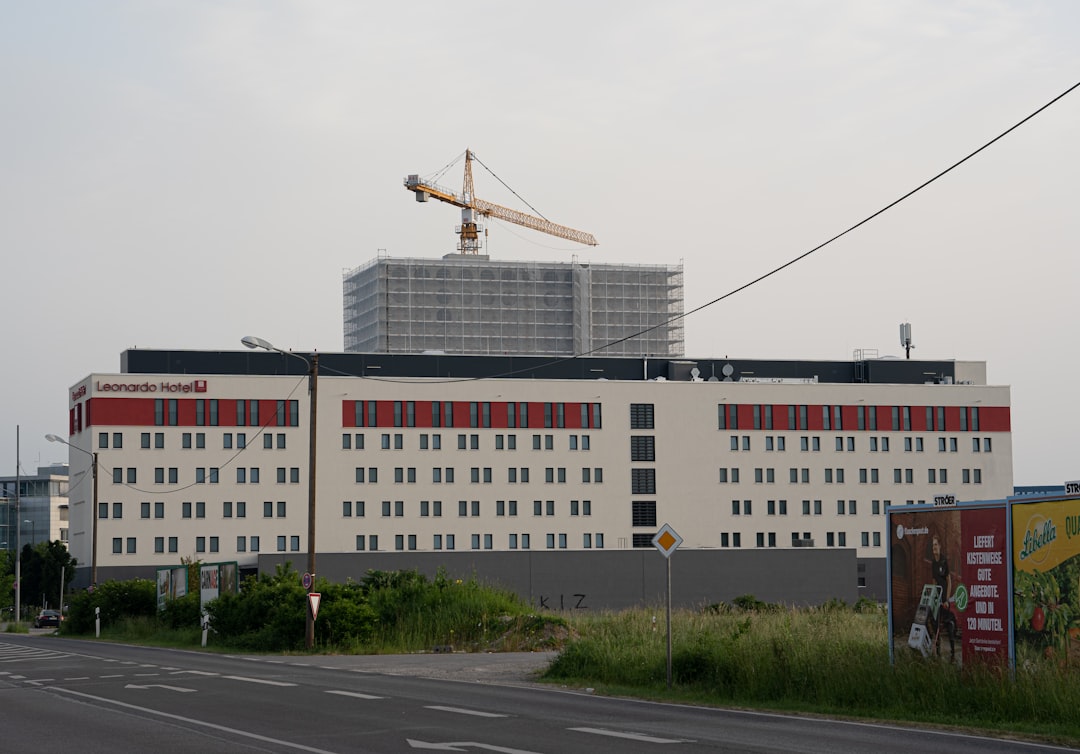
The German factory exodus, the accelerating trend of manufacturers relocating production facilities away from Germany, is a phenomenon reshaping the nation’s industrial landscape and casting a long shadow over its once-vaunted economic powerhouse. This outward migration is not a sudden storm but rather a creeping tide, driven by a complex interplay of factors that have been building for years. The consequences for the German economy are multifaceted, impacting employment, innovation, trade balances, and the very fabric of its industrial identity. Understanding this exodus requires a deep dive into its causes, its immediate and long-term effects, and the potential pathways forward for a nation confronting a significant economic metamorphosis.
For decades, Germany stood as an undisputed titan in global manufacturing, its factories humming with precision engineering and producing goods synonymous with quality and reliability. However, the winds of global competitiveness have shifted, creating a more challenging environment for its domestic production. The reasons are not singular but rather a confluence of pressures, each chipping away at the foundations of its manufacturing preeminence.
Rising Energy Costs as an Unyielding Burden
One of the most significant and immediate pressures on German industry has been the dramatic surge in energy costs. The transition away from fossil fuels, coupled with geopolitical instability that has disrupted traditional energy supply chains, has placed an enormous burden on energy-intensive sectors.
The Impact of Renewable Energy Transition
While Germany is committed to a green energy future, the transition period has been fraught with challenges. The cost of renewable energy infrastructure and its integration into the national grid, combined with the phasing out of more affordable, albeit less sustainable, energy sources, has led to a substantial increase in electricity prices for industrial consumers. For manufacturers operating on thin margins, particularly those in sectors like chemicals, steel, and aluminum, these elevated energy bills become a significant competitive disadvantage. Imagine a baker whose oven is suddenly mandated to run on artisanal, fire-fueled by rare woods; the cost, while perhaps producing a superior loaf for a niche market, is unsustainable for mass production.
Geopolitical Volatility and Supply Chain Disruptions
The war in Ukraine and its repercussions on global energy markets have amplified these cost concerns. Reliance on imported natural gas, particularly from Russia, left German industry vulnerable to price spikes and supply uncertainties. This volatility creates an unpredictable operating environment, making long-term investment decisions incredibly risky. Factories are not built on whims; they are massive, capital-intensive undertakings that require a stable and foreseeable cost structure. When energy prices become a runaway train, it’s understandable that businesses would look for more stable tracks.
Labor Costs: A Persistent Competitive Hurdle
Beyond energy, the cost of labor in Germany presents another significant challenge. While a highly skilled workforce is a German asset, the associated wage levels, social contributions, and stringent labor regulations contribute to higher overall production costs compared to many emerging economies.
The Standard of Living and Social Contributions
Germany’s commitment to a high standard of living and a robust social welfare system translates into substantial employer contributions to health insurance, pension schemes, and unemployment benefits. These “ancillary wage costs” represent a significant portion of a company’s total labor expenditure, making German labor inherently more expensive than in countries with less comprehensive social safety nets or lower wage expectations. This is akin to a premium car having more features and a higher price tag than a basic model; the features are valuable, but they come at a cost that not all consumers can afford.
Regulatory Complexity and Bureaucracy
Navigating the labyrinthine landscape of German labor laws, environmental regulations, and administrative procedures can be time-consuming and costly for businesses. The perceived bureaucratic inertia, while designed to ensure fairness and safety, can also stifle agility and economic responsiveness, further contributing to higher operational overheads.
Global Competition and the Rise of Emerging Economies
The global economic map has been redrawn over the past few decades, with emerging economies rapidly climbing the industrial ladder. Nations in Asia, Eastern Europe, and other regions now possess the infrastructure, the skilled labor (increasingly), and crucially, lower production costs to compete effectively, often in areas where Germany once held a near monopoly.
Cost Advantage in Manufacturing Hubs
Countries like China, Vietnam, and Poland, for example, offer a significantly lower cost base for manufacturing. This cost advantage is particularly attractive for standardized, mass-produced goods where the premium for German engineering is less of a deciding factor for buyers. Factories that once produced goods for the global market from Germany are now finding it more economical to set up shop in these emerging manufacturing hubs, where their products can be produced at a fraction of the cost.
Shifting Demand Patterns and Market Access
Furthermore, shifting global demand patterns mean that many of the fastest-growing markets for manufactured goods are themselves located in these emerging economies. Companies can reduce transportation costs and lead times by producing closer to their end consumers, further incentivizing offshore production.
The impact of the German factory exodus on the economy has sparked significant discussions among economists and policymakers. As industries relocate to countries with lower labor costs, the implications for Germany’s economic stability and workforce are profound. A related article that delves into the broader implications of industrial shifts and their effects on various sectors can be found at Unraveling the Mysteries of Geomorphology, which explores how geographical and economic changes can reshape industries and labor markets.
The Economic Repercussions: A Ripple Effect
The exodus of factories from Germany is not an isolated event; it sends ripples through the entire economic ecosystem. The consequences are far-reaching, impacting the nation’s employment figures, its innovation capacity, and its position in the global trade arena.
Employment and Skilled Labor Displacement
Perhaps the most visible and immediate impact of factory closures and relocations is the loss of jobs. This not only affects the individuals directly employed but also has a cascading effect on local economies and the demand for ancillary services.
Unemployment Rates and Social Costs
As factories shutter, unemployment rates in affected regions can climb, placing a strain on social welfare systems and requiring significant government intervention in the form of retraining programs and unemployment benefits. The social cost of unemployment extends beyond financial metrics, impacting community cohesion and individual well-being. The loss of a major factory can be like a town losing its heart; the economic pulse weakens, and the surrounding businesses often struggle to survive.
The “Brain Drain” Concern and Future Workforce
Beyond direct job losses, there is a growing concern about a potential “brain drain” of skilled engineers, technicians, and researchers. As manufacturing opportunities dwindle at home, these highly sought-after professionals may seek employment opportunities abroad. This exodus of talent could weaken Germany’s
innovation ecosystem, making it harder to develop new technologies and maintain its competitive edge in future-oriented industries. The future workforce is being shaped by today’s decisions.
The recent exodus of factories from Germany has raised concerns about its potential impact on the economy, particularly in terms of job losses and reduced industrial output. This situation is further complicated by global supply chain disruptions and shifting market dynamics. For a deeper understanding of how historical factors influence current economic trends, you might find it interesting to explore this article on the guardians of ancient knowledge, which discusses the importance of preserving industrial heritage in the face of modernization. You can read more about it here.
Impact on Innovation and Research & Development
Germany’s economic strength has long been intertwined with its prowess in research and development (R&D) and its ability to translate scientific breakthroughs into industrial applications. The factory exodus poses a significant threat to this vital engine of growth.
Reduced Investment in Domestic R&D
When companies relocate production, they often also shift a portion of their R&D activities to these new locations. This can lead to a reduction in domestic investment in R&D within Germany, as companies prioritize cost-effectiveness and proximity to production facilities. The synergy between the factory floor and the research lab is a powerful one; when the factory moves, the cross-pollination of ideas and practical feedback often diminishes.
Loss of Applied Knowledge and “Makers’ Culture”
Moreover, the physical presence of manufacturing facilities is crucial for fostering a “makers’ culture” – the practical, hands-on knowledge that arises from skilled artisans and engineers working directly with materials and production processes. The loss of these industries can lead to a gradual erosion of this applied knowledge base, making it harder to develop and refine new manufacturing techniques.
Trade Balance and Economic Growth
The factory exodus also has tangible effects on Germany’s trade balance and its overall economic growth trajectory. While the short-term gains of relocating might benefit individual companies, the long-term implications for the national economy can be detrimental.
Shift from Exporting Goods to Exporting Production
Instead of exporting finished goods produced domestically, Germany may find itself increasingly exporting the capacity to produce those goods elsewhere. This can lead to a reduction in the value of its exports and a worsening trade balance, as imported goods produced by German-owned factories abroad fill domestic demand. Germany has historically been a nation of exporters, and this shift represents a fundamental change in its economic identity.
Reduced Value Creation within Germany
The relocation of production means that value creation – the process of adding economic value through labor, capital, and technology – is increasingly happening outside of Germany. This can translate to lower corporate tax revenues, reduced domestic investment opportunities, and slower overall economic growth within the country. When the “making” happens elsewhere, the “taking” in terms of economic benefit also happens elsewhere.
Sector-Specific Vulnerabilities and Resilience

Not all sectors of the German economy are equally affected by the factory exodus. Some are particularly vulnerable due to their inherent characteristics, while others are demonstrating remarkable resilience and adapting to the changing landscape.
Energy-Intensive Industries: A Precarious Position
Sectors such as chemicals, metals, and automotive parts manufacturing are particularly susceptible to the pressures of high energy costs and global competition. These industries often require significant energy inputs and operate in hyper-competitive global markets.
The Chemical Industry’s Challenges
Germany’s chemical industry, a cornerstone of its industrial might, faces immense pressure from soaring energy prices. The production of basic chemicals is an energy-intensive process, making it difficult to compete when energy costs are significantly higher than in other regions. Many chemical plants operate on a 24/7 basis, meaning that energy costs are a dominant factor in their profitability.
The Automotive Supply Chain Strain
The automotive sector, while a leader in innovation, is also feeling the strain. The shift towards electric vehicles requires significant investment and adaptation, and the complex global supply chains for automotive components mean that production location decisions are constantly being re-evaluated. The sheer scale of the automotive industry means that even small shifts in production can have substantial ripple effects.
High-Tech and Specialized Manufacturing: A Path to Survival
Conversely, Germany’s strengths in high-tech, specialized manufacturing, and industries requiring highly skilled labor and intricate intellectual property are proving more resilient. These sectors often leverage factors that cannot be easily replicated elsewhere.
Precision Engineering and Customized Solutions
Germany’s reputation for precision engineering, its ability to produce highly customized solutions, and its strong intellectual property rights offer a significant competitive advantage. Companies in sectors like machinery, medical technology, and advanced materials can often command higher prices for their products, which helps to offset higher production costs. These are not commodities; they are meticulously crafted artifacts of engineering excellence.
Research-Intensive Industries and University-Industry Links
Industries with strong links to academic research and development, and those that are highly innovation-driven, tend to remain anchored in Germany. The proximity to world-class universities, research institutions, and a highly skilled workforce creates an environment conducive to continued innovation and the development of cutting-edge products and processes.
The German Response: Adaptation and Mitigation Strategies

Faced with the reality of the factory exodus, Germany is not standing idly by. The government and industry leaders are actively exploring and implementing strategies to mitigate the negative impacts and to foster a more competitive environment for domestic manufacturing.
Government Support and Economic Stimulus
The German government has recognized the urgency of the situation and is implementing various measures to support its industrial base and attract new investments.
Energy Price Caps and Subsidies
To alleviate the burden of high energy costs, the government has explored and implemented measures such as energy price caps and targeted subsidies for energy-intensive industries. These interventions aim to provide immediate relief and prevent further plant closures. However, the long-term sustainability of such subsidies remains a subject of debate.
Investment in Infrastructure and Digitalization
Investing in modern infrastructure, including digital networks, and promoting digitalization across industries are key priorities. Enhancing the digital capabilities of German factories can improve efficiency, reduce costs, and foster innovation, making them more attractive for both domestic and international investment.
Fostering Innovation and Future-Oriented Industries
Beyond immediate relief, there is a strategic focus on nurturing and developing future-oriented industries that are less susceptible to the pressures driving the factory exodus.
Promoting Start-ups and Disruptive Technologies
The government is actively supporting the growth of start-ups and fostering an environment conducive to disruptive technologies. By encouraging entrepreneurship and investing in emerging fields, Germany aims to create new economic engines that can compensate for losses in traditional manufacturing sectors.
Strengthening Vocational Training and Skill Development
Recognizing the critical importance of a skilled workforce, there is a renewed emphasis on vocational training and lifelong learning. Ensuring that the German workforce possesses the skills needed for the industries of the future is paramount to maintaining the nation’s competitive edge. This is about equipping the nation’s skilled hands with the knowledge for tomorrow’s creations.
Reimagining the Role of German Manufacturing
Ultimately, Germany faces the challenge of reimagining the role of its manufacturing sector in the 21st century. This involves a shift in focus and a strategic reorientation of its industrial strengths.
Emphasis on High-Value, Niche Production
The future of German manufacturing likely lies in focusing on high-value, niche production where precision, quality, and innovation are paramount. This means shifting away from mass-produced, cost-sensitive goods and concentrating on sectors where Germany can maintain a distinct competitive advantage.
Circular Economy and Sustainable Production
Embracing the principles of the circular economy and sustainable production offers another avenue for differentiation. By prioritizing resource efficiency, waste reduction, and the development of environmentally friendly products and processes, German manufacturers can create new value and attract environmentally conscious consumers and businesses. This is not just about making things; it’s about making things responsibly.
The German factory exodus is a complex economic narrative, one that is still being written. It represents a profound challenge to a nation built on the bedrock of its industrial might. Understanding the intricate web of causes, from energy costs to global competition, and acknowledging the far-reaching economic consequences, from job losses to impacts on innovation, is crucial. While the outward migration of factories presents formidable obstacles, Germany’s proactive response, its commitment to fostering innovation, and its strategic reorientation of its industrial strengths offer a glimmer of hope. The path forward will undoubtedly require resilience, adaptability, and a willingness to embrace a new vision for its industrial future, transforming a potential crisis into an opportunity for reinvention.
FAQs
What is meant by the term “German factory exodus”?
The “German factory exodus” refers to the trend of manufacturing companies relocating their production facilities from Germany to other countries, often to reduce costs or access new markets.
How has the factory exodus affected Germany’s economy?
The factory exodus has led to job losses in certain industrial regions, reduced domestic manufacturing output, and challenges for local suppliers. However, it has also prompted shifts toward higher-value industries and innovation.
Which sectors in Germany are most impacted by the factory exodus?
Industries such as automotive manufacturing, machinery, and electronics have been notably affected, as companies in these sectors seek lower production costs abroad.
What are the main reasons German factories are relocating abroad?
Key reasons include lower labor costs in other countries, access to emerging markets, regulatory differences, and the desire to be closer to global supply chains.
What measures is Germany taking to address the economic impact of the factory exodus?
Germany is investing in advanced manufacturing technologies, promoting research and development, supporting workforce retraining programs, and encouraging innovation to maintain competitiveness.