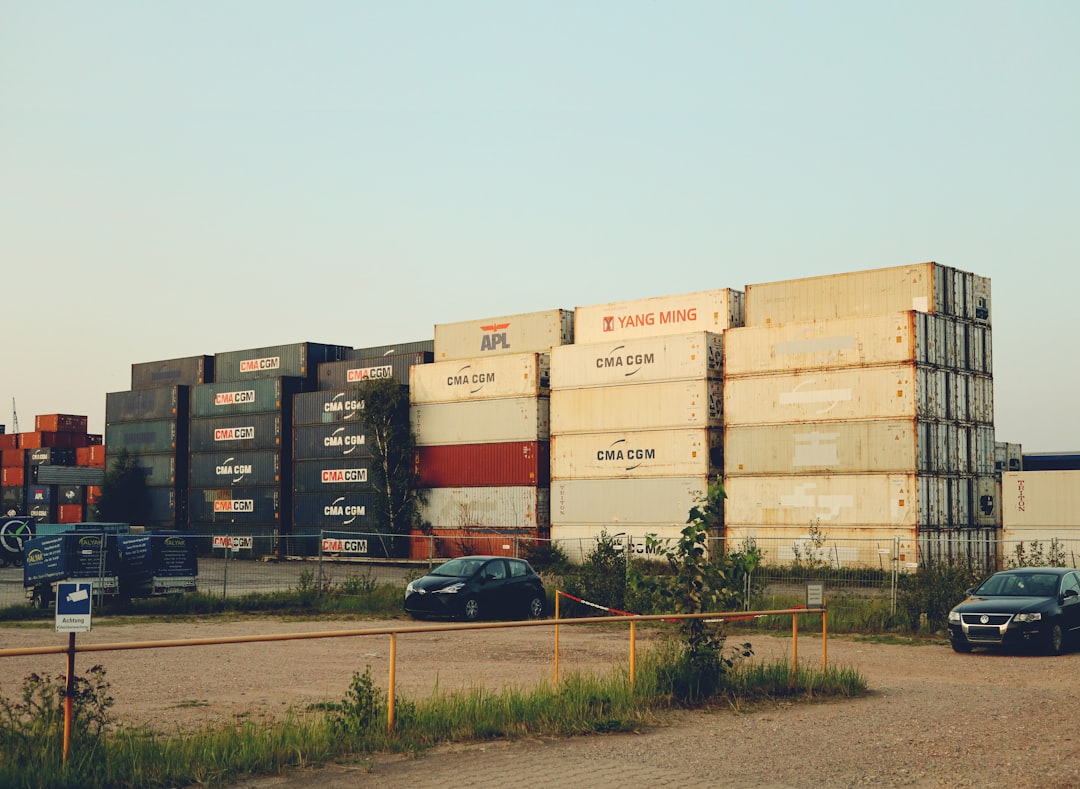
The steady rumble of machinery in German factories has long been the heartbeat of its economic engine. For decades, these industrial giants have not only produced world-renowned goods but have also served as the bedrock of employment and innovation. However, a palpable shift is underway, a departure that is not a fleeting tremor but a fundamental reshaping of the landscape. This article explores the phenomenon of the “German factory exodus” and its profound, and likely permanent, ramifications for the German economy.
The term “factory exodus” captures a multifaceted trend encompassing the relocation of production facilities, the scaling down of operations within Germany, and in some cases, complete closure. This is not a sudden storm, but rather a slow, persistent erosion driven by a confluence of economic pressures, geopolitical realities, and evolving global competition.
Globalization’s Second Act
For years, globalization presented a clear advantage: access to cheaper labor and burgeoning new markets. German companies, at the forefront of innovation, often established production sites abroad to leverage these benefits while maintaining their research and development, and high-value operations in Germany. However, this model is now facing a recalibration.
Rising Costs at Home
The cost of doing business in Germany has become a significant factor. This includes not only wage inflation but also the escalating expenses associated with energy, regulatory compliance, and social contributions. These costs act as a deterrent, pushing companies to seek more economically viable production locations.
Labor Dynamics and Skills Gaps
While Germany boasts a highly skilled workforce, demographic shifts and a growing shortage of skilled labor in specific sectors are creating bottlenecks. The aging population and a less robust pipeline of new entrants into certain manufacturing trades mean that the talent pool is not always sufficient to meet demand, further incentivizing companies to look elsewhere.
Geopolitical Winds of Change
The international stage is no longer a predictable marketplace. Emerging geopolitical tensions and a growing emphasis on supply chain resilience have added another layer of complexity to global manufacturing strategies.
The Ukraine War’s Shadow
The war in Ukraine and its subsequent impact on energy prices, particularly for natural gas, delivered a significant blow to energy-intensive industries in Germany. This volatility has exposed the vulnerability of relying on single-source or price-unstable energy supplies, prompting a search for more stable and predictable environments.
Shifting Trade Landscapes and Tariffs
The rise of protectionist tendencies and the potential for trade disputes create an environment of uncertainty for internationally focused manufacturers. Companies are increasingly evaluating locations that offer greater market access and less exposure to unpredictable tariff regimes.
Nearshoring and Friend-Shoring Trends
In response to supply chain vulnerabilities exposed during the COVID-19 pandemic and geopolitical instability, a trend towards nearshoring (relocating production closer to home markets) and friend-shoring (relocating production to politically aligned countries) has emerged. This strategy aims to reduce lead times, mitigate risks, and enhance control over supply chains.
The ongoing exodus of factories from Germany has raised significant concerns about the future of the country’s manufacturing sector. A related article that delves deeper into this issue can be found at Real Lore and Order, where experts analyze the factors driving this trend and its potential long-term implications for the German economy. As companies seek more favorable conditions abroad, the article explores the challenges and opportunities that lie ahead for both businesses and the workforce in Germany.
The Economic Rip Tide: Impact on Germany
The exodus of manufacturing plants is not merely a statistical blip; it represents a fundamental shift with tangible and often challenging consequences for the German economy. Understanding these impacts requires looking beyond the immediate closure of a factory and examining the ripple effects across various sectors.
Employment and Social Cohesion
The most immediate and visible impact of factory closures is on employment. These are not just jobs; they are livelihoods that support families and communities.
Direct Job Losses
When a factory shutters its doors, the direct loss of jobs creates immediate hardship for the workers affected. This can lead to increased unemployment rates, particularly in regions with a high concentration of industrial activity.
Indirect Job Losses and the Multiplier Effect
The impact of job losses extends beyond the direct employees. Suppliers, service providers, and local businesses that relied on the factory’s operations also suffer. This multiplier effect can lead to a broader economic downturn in affected areas.
The Challenge of Retraining and Redeployment
While Germany has a robust social safety net, retraining and redeploying a workforce accustomed to specific manufacturing roles can be a complex and lengthy process. New skills need to be acquired, and new industries may not offer the same volume or type of employment.
Regional Disparities and Urban-Rural Divide
The impact of the factory exodus is not evenly distributed. Certain regions, historically reliant on heavy industry, are more vulnerable to these closures.
Industrial Heartlands Under Pressure
Regions that were once thriving industrial heartlands are now facing the prospect of economic stagnation or decline. The loss of manufacturing anchors can lead to a hollowing out of local economies.
The Growing Urban-Rural Divide
As manufacturing jobs move away from traditional industrial centers, the economic disparities between urban and rural areas can widen. Cities, with their diversified economies and growing service sectors, may be more resilient, while rural communities face greater challenges in attracting new industries.
The Erosion of the Manufacturing Base
The departure of factories signifies a potential long-term erosion of Germany’s renowned manufacturing prowess. This has implications for innovation, export capacity, and overall economic resilience.
Loss of “Know-How” and Industrial Heritage
Beyond the physical plant, there is an intangible loss of specialized knowledge, engineering expertise, and generations of accumulated “know-how” that is difficult to replicate. This industrial heritage is a crucial component of Germany’s economic DNA.
Diminishing Export Power and Trade Balance
Manufacturing has been a cornerstone of Germany’s export-driven economy. A shrinking domestic manufacturing base could lead to a decline in export volumes for manufactured goods, potentially impacting the country’s trade balance.
The Future of German Innovation
While Germany remains a leader in research and development, the close proximity of R&D to production has historically fostered innovation. A wider geographical separation of these functions could slow down the translation of ideas into marketable products.
The Structural Realignment: Adapting to the New Landscape
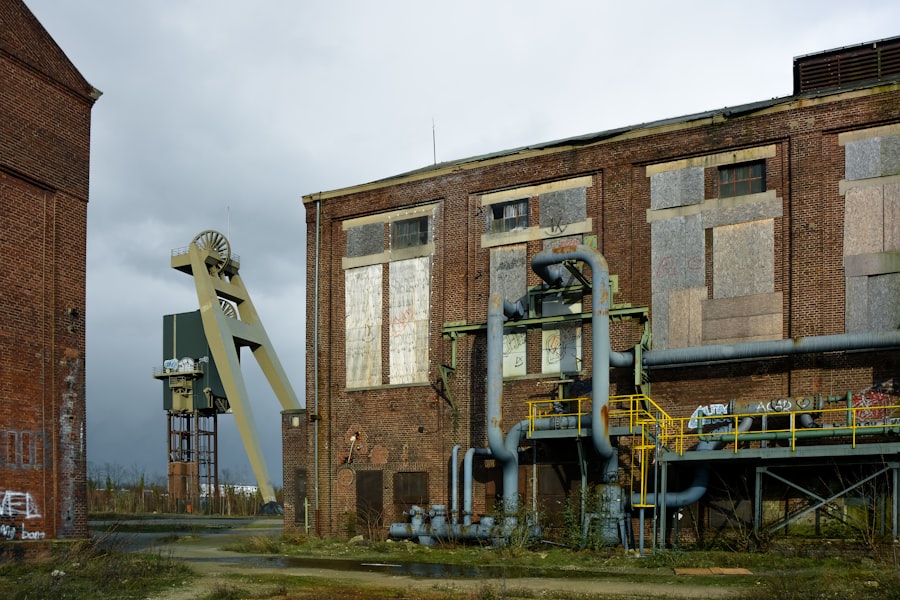
The German economy is not simply a passive recipient of these changes; it is undergoing a significant structural realignment as it seeks to adapt to the new realities of global manufacturing. This involves diversification, a renewed focus on higher-value activities, and embracing new technological frontiers.
The Rise of the “Smart Factory” and Industry 4.0
Germany has been a pioneer in the digital transformation of industry, often referred to as Industry 4.0. The “smart factory” concept, characterized by automation, data analytics, and interconnected systems, is now more crucial than ever.
Leveraging Automation and Digitalization
Even as physical production moves, remaining German operations can leverage automation and digitalization to enhance efficiency, reduce costs, and maintain competitiveness in highly specialized areas or for niche markets.
The Importance of Data and AI in Manufacturing
The ability to collect, analyze, and act upon vast amounts of data is paramount. Artificial intelligence (AI) offers new avenues for optimizing production processes, predicting maintenance needs, and driving innovation.
Embracing High-Value Services and R&D
As traditional manufacturing scales back, there is an increasing emphasis on transitioning towards higher-value services and concentrating on research and development.
The Service Sector as a Growth Engine
Germany’s robust service sector, encompassing areas like finance, logistics, IT, and consulting, is well-positioned to absorb some of the displaced workforce and to drive future economic growth.
Strengthening Research and Development Hubs
Maintaining and strengthening Germany’s position as a global leader in research and development is critical. This involves investing in universities, research institutions, and fostering collaboration between academia and industry.
Strategic Reindustrialization and Niche Manufacturing
The exodus does not necessarily mean a complete abandonment of manufacturing. A strategic approach to reindustrialization, focusing on niche, high-demand, and critical sectors, could be part of the solution.
Focusing on Specialized and High-Tech Production
Germany can capitalize on its strengths in precision engineering, specialized machinery, and advanced materials. Focusing on these niche areas where global competition is less about sheer volume and more about advanced capabilities is a viable strategy.
Securing Critical Supply Chains
In light of recent global disruptions, there is a growing imperative to secure supply chains for critical goods, such as pharmaceuticals, semiconductors, and renewable energy components. This may involve incentivizing the return or establishment of production in these strategic areas.
The Global Context: Germany’s Place in the New Order
The German factory exodus is not an isolated event but a symptom of a broader global shift in manufacturing paradigms. Understanding Germany’s position within this evolving international order is key to navigating the challenges and opportunities ahead.
Competition from Emerging Economies
The rise of manufacturing powerhouses in Asia and other emerging economies has fundamentally altered the global competitive landscape. These nations often benefit from lower labor costs, less stringent regulations, and rapidly developing infrastructure.
The “China Factor” and Beyond
China’s dominance in global manufacturing has been a defining feature of recent decades. However, other nations are also emerging as significant manufacturing hubs, further diversifying the global production landscape.
The Race for Talent and Innovation
The global race for talent and innovation is intensifying. Germany must continue to offer an attractive environment for skilled workers and researchers to remain competitive.
International Trade Relations and Partnerships
Germany’s economic future is inextricably linked to its international trade relations and partnerships. Navigating a complex geopolitical environment requires strategic diplomatic and economic engagement.
Navigating Trade Blocs and Agreements
Germany’s participation in the European Union provides a significant degree of stability and market access. However, engaging with other trade blocs and individual nations will be crucial for expanding market reach.
The Role of Industrial Policy and International Cooperation
Concerted industrial policies, both at the national and international level, can play a role in shaping the future of manufacturing. Collaborative efforts to address global challenges, such as climate change and supply chain resilience, are essential.
The ongoing exodus of factories from Germany has raised concerns about the future of the country’s manufacturing sector, as many companies seek more favorable conditions abroad. This trend has been discussed in various articles, including one that explores the long-term implications of this shift on the German economy. For more insights on this topic, you can read the article here, which delves into the factors driving this permanent relocation and its potential impact on local employment and industry.
The Road Ahead: Resilience and Reinvention
| Year | Number of Factories Closed | Percentage Decrease in Manufacturing Jobs | Primary Reasons for Exodus | Regions Most Affected | Impact on GDP (%) |
|---|---|---|---|---|---|
| 2018 | 120 | 1.2% | Rising labor costs, automation | North Rhine-Westphalia, Bavaria | 0.3% |
| 2019 | 150 | 1.5% | Global competition, energy costs | Saxony, Baden-Württemberg | 0.4% |
| 2020 | 180 | 2.0% | COVID-19 disruptions, supply chain issues | Berlin, Lower Saxony | 0.5% |
| 2021 | 200 | 2.3% | Energy prices, relocation to Eastern Europe | Thuringia, Hesse | 0.6% |
| 2022 | 220 | 2.5% | Inflation, geopolitical tensions | Brandenburg, Saxony-Anhalt | 0.7% |
The German factory exodus presents a profound challenge, but it is by no means an insurmountable one. The nation’s history is replete with examples of resilience and reinvention in the face of adversity. The path forward lies in embracing change, fostering innovation, and strategically adapting to the new global economic realities.
Investing in Future Industries and Skills
The transition demands significant investment in future-oriented industries, such as renewable energy, electromobility, biotechnology, and advanced digitalization. This also necessitates a corresponding investment in education and training to equip the workforce with the skills required for these new sectors.
Lifelong Learning and Upskilling Initiatives
The concept of lifelong learning must become ingrained in the German psyche. Robust initiatives for upskilling and reskilling existing workers are essential to prevent large-scale disenfranchisement and to ensure a smooth transition.
STEM Education and Vocational Training Revitalization
A renewed emphasis on STEM (Science, Technology, Engineering, and Mathematics) education is critical. Simultaneously, revitalizing vocational training programs, aligning them with the demands of modern industries, will be crucial.
Fostering an Innovation Ecosystem
Creating an environment that nurtures innovation is more critical than ever. This involves reducing bureaucratic hurdles, providing access to capital for startups, and fostering greater collaboration between established industries and agile innovators.
Supporting Startups and Emerging Technologies
Germany’s startup ecosystem needs continued support and encouragement. Policies that facilitate seed funding, venture capital investment, and access to global markets for these nascent companies are vital.
The Synergy of Academia and Industry
Strengthening the symbiotic relationship between universities, research institutions, and established industries is paramount. This ensures that breakthroughs in research are quickly translated into practical applications and economic opportunities.
The Imperative of Energy Transition and Sustainability
The energy crisis has underscored the urgent need for a complete and comprehensive transition to sustainable energy sources. This is not just an environmental imperative but also an economic one, offering a pathway to greater energy independence and long-term cost stability.
Decarbonization as an Economic Opportunity
The drive towards decarbonization can be a significant economic opportunity. Investing in renewable energy infrastructure, green technologies, and sustainable manufacturing processes can create new industries and jobs.
Ensuring Energy Security and Affordability
While the transition is essential, ensuring energy security and affordability for businesses and households remains a paramount concern. Strategic planning and diversification of energy sources are crucial to achieve this balance.
The migration of factories from Germany is not a sign of economic anemia, but rather a powerful signal of transformation. It is a siren song calling for introspection, adaptation, and a bold reimagining of what constitutes a robust and resilient German economy in the 21st century. The foundations of German ingenuity and industrial prowess remain, but they must now be rebuilt and repurposed for a new era. The challenge is significant, but the potential for a leaner, more agile, and ultimately more sustainable economic future is within reach.
FAQs
What is meant by the term “German factory exodus”?
The “German factory exodus” refers to the trend of manufacturing companies relocating their production facilities from Germany to other countries, often seeking lower labor costs, reduced regulations, or closer proximity to emerging markets.
Why is the German factory exodus considered permanent?
The exodus is considered permanent because many companies have made long-term investments in new locations abroad, integrated these sites into their global supply chains, and found sustained economic advantages that make returning to Germany unlikely.
Which industries in Germany are most affected by the factory exodus?
Industries such as automotive manufacturing, electronics, and heavy machinery have been notably affected, as companies in these sectors often move production to countries with lower operational costs or strategic market access.
What impact does the factory exodus have on the German economy?
The factory exodus can lead to job losses in manufacturing regions, reduced industrial output, and challenges to Germany’s position as a global manufacturing hub, although it may also encourage innovation and a shift toward high-tech and service-oriented sectors.
How is the German government responding to the factory exodus?
The German government is implementing policies to improve competitiveness, such as investing in digital infrastructure, supporting research and development, offering incentives for high-tech manufacturing, and promoting vocational training to retain skilled labor.