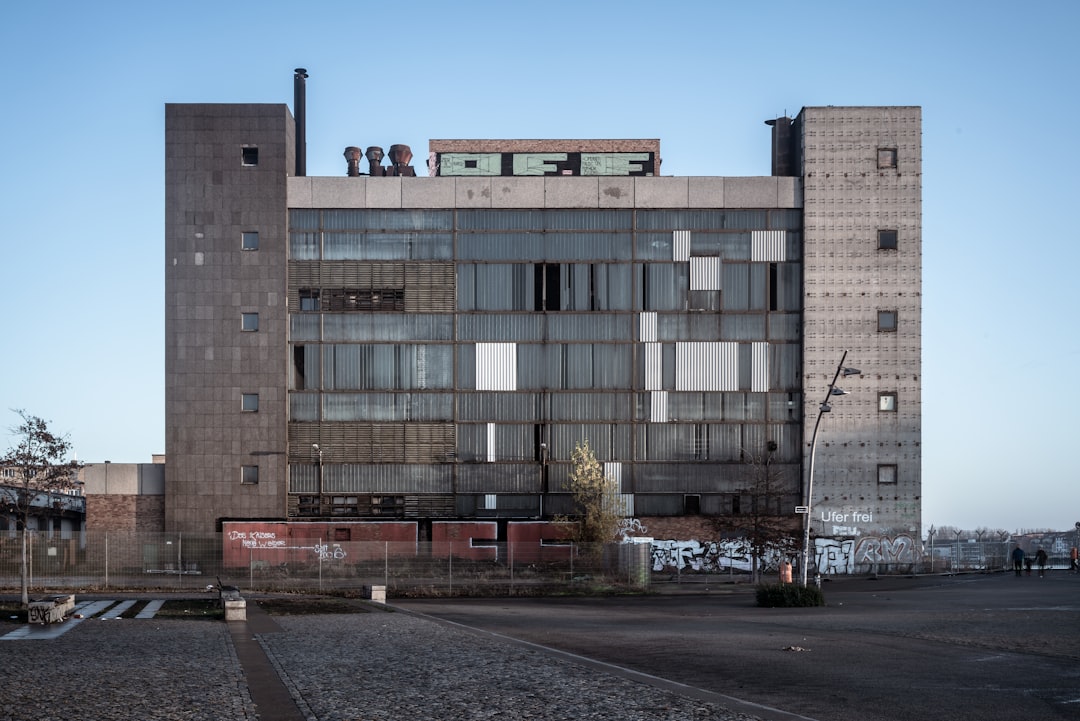
The German industrial landscape, long considered a cornerstone of Europe’s economic might, is undergoing a profound transformation. A phenomenon dubbed the “German Factory Exodus” describes a growing trend of manufacturing companies, particularly in energy-intensive sectors, either relocating production abroad or significantly scaling back domestic operations. This movement is not a fleeting trend but appears to represent a permanent shift in the global industrial order, with far-reaching implications for Germany and the broader European Union.
While the current exodus feels unprecedented in its scale and urgency, industrial relocations are not entirely novel. History is replete with examples of economic centers shifting due to evolving technological landscapes, labor costs, and access to resources. However, the confluence of factors driving the present German exodus creates a unique and challenging scenario.
Energy Crisis: The Primary Catalyst
The ongoing energy crisis, exacerbated by geopolitical events, stands as the most prominent driver of the factory exodus. Germany, heavily reliant on Russian natural gas prior to 2022, found its industrial model acutely vulnerable to price volatility and supply disruptions.
- Soaring Gas Prices: Industrial consumers disproportionately bore the brunt of soaring natural gas prices. For many energy-intensive manufacturing processes, such as in chemicals, steel, and glass, energy costs transformed from a manageable overhead into an existential threat. Production lines that were once profitable became unviable overnight.
- Electricity Market Dynamics: The interconnectedness of European energy markets meant that surging gas prices also translated into significantly higher electricity costs.德國’s ambitious renewable energy transition, while crucial for long-term sustainability, has, in the short term, lacked the buffering capacity to fully insulate industry from these shocks.
- Comparison to Competitors: Companies in Germany found themselves operating at a significant cost disadvantage compared to their counterparts in regions with more stable and affordable energy supplies, such as North America or parts of Asia. This disparity eroded competitive margins and made foreign investment increasingly attractive.
Regulatory Burdens and Bureaucracy
Beyond energy, a complex web of domestic regulations and bureaucratic hurdles often cited as contributing factors to Germany’s diminished appeal as an industrial location.
- Environmental Standards: Germany maintains some of the most stringent environmental regulations globally. While commendable for ecological protection, these standards frequently entail higher investment costs for new facilities and ongoing operational expenses for existing ones, particularly concerning emissions and waste management.
- Permitting Processes: The German permitting process for industrial projects is renowned for its length and complexity. Companies often face protracted approval times, involving multiple layers of government and extensive public consultation, delaying expansion plans or new factory constructions significantly.
- Labor Market Rigidities: While Germany boasts a highly skilled workforce, its labor market is characterized by high wages, strong unionization, and relatively rigid employment protection laws. These factors, while contributing to social cohesion, can increase labor costs and limit flexibility for businesses seeking to adapt quickly to changing economic conditions.
Geopolitical Realignments and Supply Chain Resilience
Recent global events have underscored the fragility of extended supply chains and prompted a re-evaluation of production locations. Geopolitical tensions are playing an increasingly significant role in corporate decision-making.
- “Friendshoring” and “Nearshoring” Trends: Companies are increasingly looking to diversify their supply chains away from politically sensitive or distant regions, opting for “friendshoring” (locating production in allied countries) or “nearshoring” (moving production closer to end markets). This strategy aims to enhance resilience and reduce vulnerability to disruptions.
- US Inflation Reduction Act: The US Inflation Reduction Act (IRA) has emerged as a significant magnet for industrial investment, particularly in green technologies. Its generous subsidies and tax credits for manufacturing within the United States have drawn considerable attention from German companies, some of whom perceive it as a more attractive investment environment than their domestic market.
- Decoupling from China: Efforts by Western nations to reduce economic dependence on China have led German firms to reconsider their manufacturing footprint in the East. While outright decoupling is a complex endeavor, a diversification of production away from China is a discernible trend.
The ongoing trend of German factory exodus has raised significant concerns about the future of manufacturing in the country. As companies seek to relocate their operations to countries with lower labor costs and fewer regulations, the implications for the German economy could be profound. For a deeper understanding of this issue and its potential long-term effects, you can read a related article that explores the factors driving this trend and its consequences for the workforce and industrial landscape in Germany. For more information, visit this article.
Sectors Most Affected by the Exodus
The impact of the exodus is not uniformly distributed across all industrial sectors. Certain industries, due to their inherent characteristics, are more exposed to the driving forces behind the shift.
Chemicals and Pharmaceuticals
The chemical industry, a bedrock of German manufacturing, is particularly vulnerable. It is notoriously energy-intensive, relying heavily on natural gas as both a fuel and a feedstock.
- Feedstock Dependence: Natural gas is a crucial raw material for many basic chemical processes, including the production of ammonia, methanol, and ethylene. Fluctuations in gas prices directly impact the cost of these foundational chemicals, rippling through countless downstream industries.
- Global Competition: Germany’s chemical producers face intense global competition. High domestic energy costs erode their ability to compete on price, leading to considerations of relocating production to regions with more favorable energy environments.
- Pharma’s Strategic Considerations: While generally less energy-intensive than basic chemicals, the pharmaceutical sector often involves complex, multi-stage manufacturing processes with high regulatory hurdles. Relocation decisions in this sector are driven by a combination of energy costs, regulatory predictability, and access to skilled labor and research ecosystems.
Metals and Basic Materials
Smelting and refining processes in the metals industry demand vast amounts of energy, making it another sector heavily impacted by high energy prices.
- Aluminum and Steel Production: The production of primary aluminum and steel involves electrolytic processes and high-temperature furnaces that consume immense quantities of electricity and gas. German producers of these materials have faced significant losses and production cuts due to untenable energy costs.
- Foundries: Foundries, which cast metal into various shapes, are also energy-intensive operations. Many smaller to medium-sized German foundries, lacking the scale of larger corporations, have struggled to absorb the increased energy burden.
- Impact on Downstream Industries: The exodus of basic materials production has cascading effects on downstream industries that rely on these materials, potentially leading to supply chain weaknesses and increased costs for manufacturers of cars, machinery, and consumer goods.
Automotive and Machinery Manufacturing
While not as directly energy-intensive as chemicals or metals, the automotive and machinery sectors are indirectly affected through their extensive supply chains and the need for competitive production costs.
- Supplier Relocation: The relocation of basic materials and component suppliers directly impacts the cost structure and logistical planning of automotive and machinery manufacturers. If key suppliers move abroad, these larger manufacturers may follow suit or face increased import costs and supply chain risks.
- Competitiveness and Investment: German automotive and machinery manufacturers operate in highly competitive global markets. Decisions about where to locate future production, particularly for electric vehicles or advanced machinery, are heavily influenced by overall cost structures, government incentives, and access to new markets.
- Strategic Repositioning: Companies in these sectors are not simply relocating, but often strategically repositioning their global footprint to be closer to emerging markets, key raw material sources, or robust research and development ecosystems.
Short-Term Consequences and Long-Term Implications
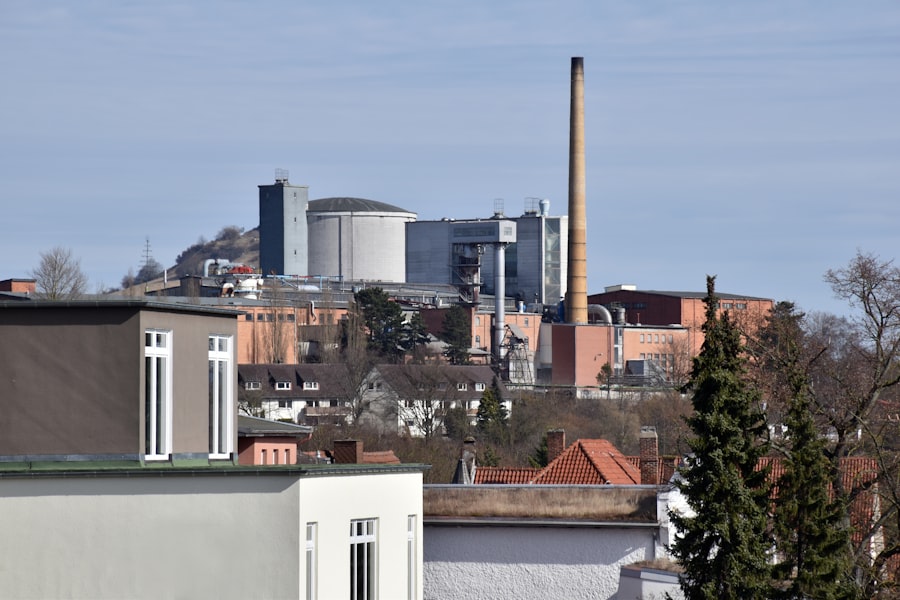
The immediate effects of the factory exodus are already discernible, with more profound long-term implications beginning to crystallize.
Economic and Social Disruption
The departure of manufacturing firms creates significant economic reverberations throughout Germany.
- Job Losses: Direct job losses in relocated factories are a primary concern. Beyond the factory floor, there are additional job losses in supporting industries such as logistics, maintenance, and local service providers. This can lead to localized economic downturns and increased unemployment.
- De-industrialization Concerns: A prolonged and widespread exodus raises concerns about de-industrialization, a process where manufacturing’s share of the economy declines. This can erode a nation’s productive capacity, its technological base, and its export strength.
- Loss of Tax Revenue: Companies relocating their operations cease to contribute corporate taxes in Germany, and a reduced workforce leads to lower income tax and social security contributions. This places additional strain on public finances, potentially impacting social programs and infrastructure investments.
Erosion of Innovation and Expertise
Germany’s industrial prowess is built not only on production but also on a strong foundation of research, development, and skilled labor. The exodus threatens this ecosystem.
- Brain Drain: The relocation of production facilities often entails the movement of engineers, researchers, and highly skilled technical personnel. This “brain drain” can weaken Germany’s technological edge and its capacity for future innovation.
- Weakening of Research Ecosystems: Close collaboration between industry and academic research institutions is a hallmark of the German innovation model. A dwindling industrial base can weaken these links, reducing funding for applied research and diminishing opportunities for students and scientists.
- Loss of Industrial Know-How: Generations of accumulated industrial know-how and tacit knowledge are embodied within Germany’s manufacturing workforce and its supplier networks. A significant factory exodus risks the fragmentation and eventual loss of this invaluable intellectual capital.
Geopolitical Standing and European Integration
Germany’s economic strength has long underpinned its political influence within the European Union and on the global stage. A weakening industrial base could have wider geopolitical ramifications.
- Shifting Power Dynamics within EU: A less industrially robust Germany could alter the economic and political balance within the EU. While other member states might see opportunities, a weakening of the bloc’s largest economy could affect overall cohesion and its ability to act decisively on global issues.
- Reduced Self-Sufficiency: The relocation of critical manufacturing capacity abroad can reduce Germany’s, and by extension, Europe’s, self-sufficiency in key strategic sectors. This increases vulnerability to external supply shocks and geopolitical leverage from other nations.
- Challenges to Economic Model: The German economic model, characterized by strong industrial exports and a robust manufacturing sector, has served as a benchmark for many. The factory exodus challenges the long-term viability of this model in its current form, necessitating a re-evaluation and adaptation.
Pathways Forward: Addressing the Exodus
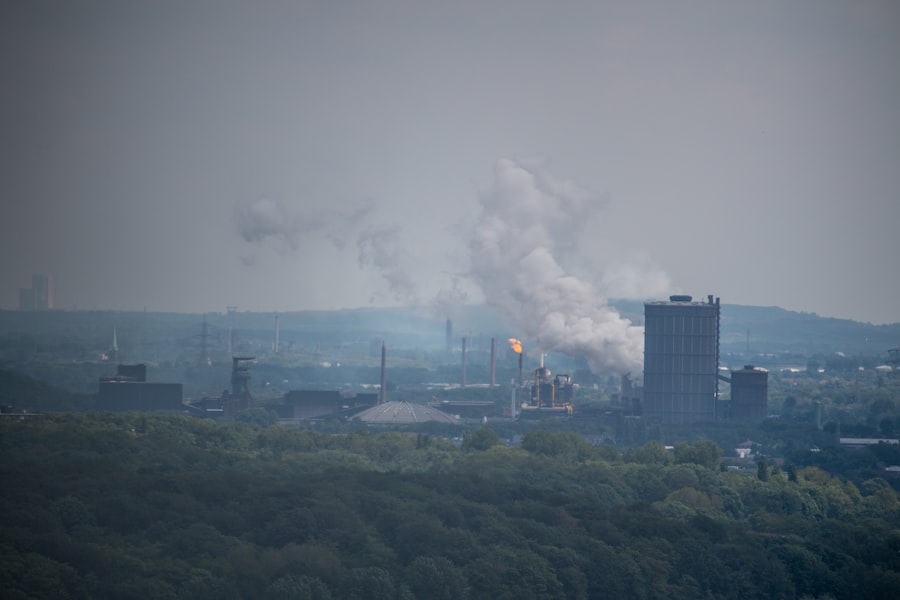
Addressing the complex challenges posed by the factory exodus requires a multifaceted and strategic approach, encompassing both short-term mitigations and long-term structural reforms.
Energy Policy Reorientation and Infrastructure Investment
The most pressing issue remains energy. Germany must accelerate its transition to a stable, affordable, and sustainable energy supply.
- Accelerated Renewable Expansion: Hastening the build-out of renewable energy sources – wind, solar, and potentially hydrogen – is paramount. This includes streamlining permitting processes for new installations and investing in grid infrastructure to handle increased intermittent supply.
- Diversification of Energy Sources: While the long-term goal is full decarbonization, in the interim, Germany needs to maintain diversified energy supplies, including exploring liquefied natural gas (LNG) imports and potentially re-evaluating the role of nuclear power as a transitional measure, if politically feasible.
- Industrial Energy Subsidies (Bridging): Short-term, targeted subsidies or price caps for energy-intensive industries could serve as a bridging mechanism to prevent immediate closures and allow firms time to adapt to new energy realities. However, these must be temporary and carefully designed to avoid distorting market signals excessively.
Regulatory Reform and Bureaucracy Streamlining
Germany’s regulatory environment needs a critical review to ensure that it fosters rather than hinders industrial investment.
- Faster Permitting: Implementing “fast-lanes” for specific strategic industrial projects, digitizing application processes, and improving inter-agency coordination could significantly reduce permitting times. This requires political will and a cultural shift within administrative bodies.
- Targeted Deregulation: Identifying areas where overly burdensome or outdated regulations can be streamlined or removed without compromising core environmental or social protections is crucial. This could involve benchmarking against regulatory frameworks in competitive industrial nations.
- Digitalization of Administration: Comprehensive digitalization of public administration would not only speed up processes but also increase transparency and efficiency, making it easier for businesses to interact with government agencies.
Fostering Innovation and Human Capital Development
Maintaining Germany’s competitive edge requires continuous investment in innovation, research, and a highly skilled workforce.
- Investment in R&D: Continued or increased public and private investment in research and development, particularly in cutting-edge fields such as artificial intelligence, quantum computing, and advanced materials, is essential to create the industries of tomorrow.
- Skills Development and Reskilling: Proactive policies to address skill shortages, including investment in vocational training, apprenticeships, and lifelong learning programs, are critical. This ensures that the workforce possesses the skills demanded by emerging industries.
- Attracting and Retaining Talent: Germany needs effective strategies to attract international talent and retain its own skilled professionals. This includes easing immigration procedures for highly qualified individuals and ensuring attractive living and working conditions.
European Coordination and Strategy
The factory exodus is not merely a German problem but a European challenge. Coordinated action at the EU level is necessary.
- Common Industrial Policy: The EU needs a more robust and coherent industrial policy that promotes competitive advantages across the bloc, supports strategic sectors, and prevents internal subsidy races that could fragment the single market.
- Energy Union Deepening: Further integration of European energy markets and infrastructure development is crucial to enhance energy security, reduce price volatility, and accelerate the renewable transition across the continent.
- Level Playing Field: The EU must ensure a level playing field with global competitors, addressing issues such as discriminatory subsidies in third countries and promoting fair trade practices. This could involve exploring European counterparts to initiatives like the US IRA, while respecting single market principles.
The German factory exodus is a stark reminder that economic leadership is not static but constantly contested. It represents a crucible moment for Germany and, by extension, the European Union. The outcome will depend not only on how effectively the immediate challenges are addressed but also on the willingness to embrace fundamental structural changes. This is not merely an economic adjustment but a re-calibration of Germany’s industrial identity in a dynamically evolving global economic order. The decisions made today will carve the industrial destiny of Germany for decades to come, either cementing its role as an industrial powerhouse or accelerating its transition into a different economic paradigm.
FAQs
What does the term “German factory exodus” refer to?
The term “German factory exodus” refers to the trend of manufacturing companies relocating their production facilities from Germany to other countries, often seeking lower labor costs, reduced regulations, or closer proximity to emerging markets.
Is the German factory exodus considered a permanent trend?
Yes, many experts and industry analysts view the German factory exodus as a permanent shift due to structural changes in the global economy, rising production costs in Germany, and ongoing globalization.
What are the main reasons behind the relocation of factories from Germany?
Key reasons include high labor and energy costs in Germany, stringent environmental and regulatory requirements, the search for cost efficiency, and the desire to be closer to growing markets in Asia and Eastern Europe.
How has the German government responded to the factory exodus?
The German government has implemented various measures such as investing in advanced manufacturing technologies, promoting Industry 4.0 initiatives, offering incentives for innovation, and supporting workforce training to maintain competitiveness.
What impact does the factory exodus have on the German economy?
The exodus can lead to job losses in traditional manufacturing sectors, reduced industrial output, and challenges for local economies. However, it also encourages a shift toward high-tech industries, research and development, and service-oriented sectors.