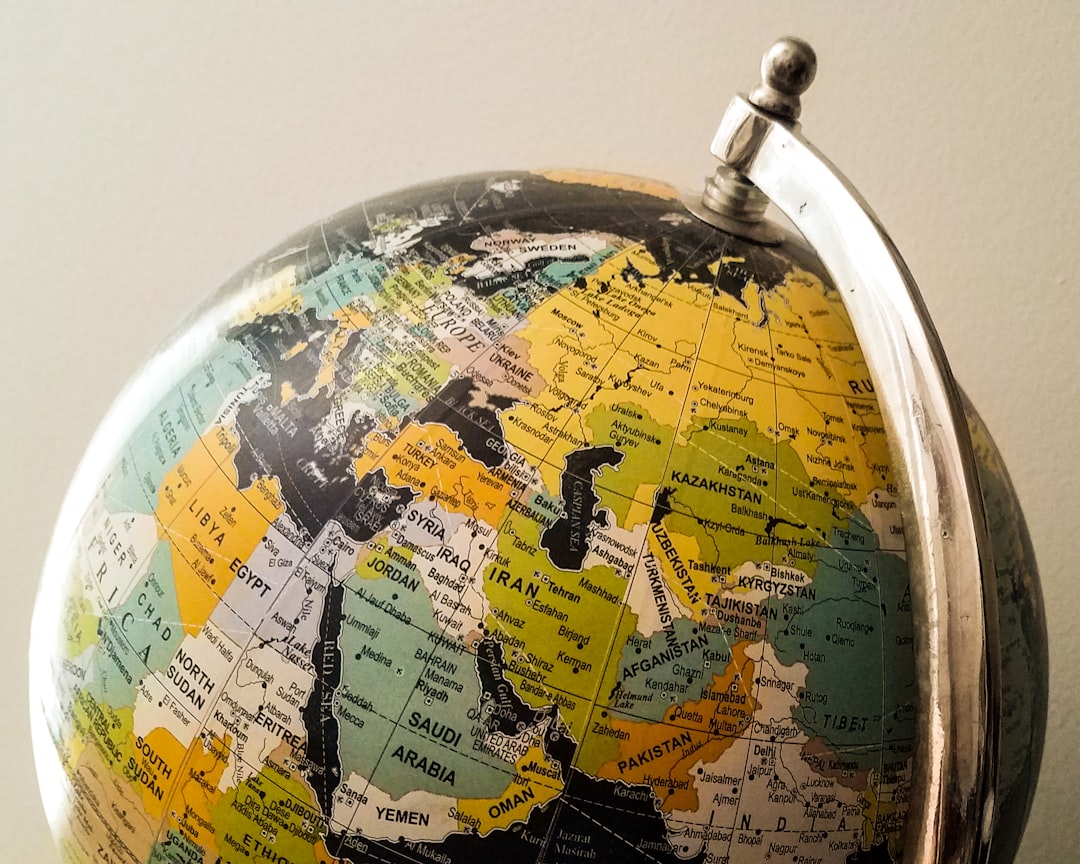
German industry, a venerable behemoth on the global stage, has historically exerted a profound geopolitical influence, shaping international relations, trade balances, and technological advancements. Its intricate network of manufacturing, engineering, and innovation acts as a barometer for the global economy and a bellwether for European stability. Understanding this impact requires examining its foundations, its current challenges, and its future trajectory, rather than merely admiring its output.
Germany’s industrial prowess is not an accident of history but the culmination of centuries of meticulous development, a relentless pursuit of quality, and a deeply ingrained culture of engineering excellence. These foundational elements continue to underpin its geopolitical footprint, making it a critical player in almost every major industrial sector. The recent report highlights the impact of [Germany factory closures] on the European economy.
Engineering Excellence and Kaizen
At the heart of German industry lies an unwavering commitment to engineering excellence. This is not merely about producing functional goods but about crafting products that embody precision, durability, and sophisticated design. The German Mittelstand, a sprawling network of small and medium-sized enterprises, often family-owned, forms the backbone of this tradition. These companies, many of them “hidden champions,” dominate niche markets globally, a testament to their specialized knowledge and continuous improvement, or Kaizen, a concept that, while Japanese in origin, resonates deeply with the German industrial spirit. This focus on incremental yet constant refinement means that German-engineered products often face minimal competition due to their superior quality and reliability.
Dual Vocational Training System
A critical enabler of this engineering excellence is Germany’s lauded dual vocational training system. This system, which combines theoretical classroom instruction with practical, on-the-job experience, creates a highly skilled workforce perfectly attuned to industrial demands. Apprenticeships are not merely entry-level positions but comprehensive training programs that foster deep expertise and loyalty. This steady pipeline of skilled technicians, engineers, and craftspeople provides German industries with a decisive competitive advantage, ensuring a continuous supply of talent capable of innovating and maintaining complex industrial processes.
Research and Development Investment
German industry consistently pours significant resources into research and development (R&D). This commitment is not confined to large corporations but extends across the industrial landscape. Universities, Fraunhofer Institutes, and corporate R&D departments collaborate extensively, fostering an ecosystem of innovation. This investment translates into cutting-edge technologies, from advanced robotics and automation to renewable energy solutions and sophisticated materials. The geopolitical implication is clear: Germany holds a leadership position in developing and deploying technologies that drive global progress and set international standards, effectively wielding soft power through technological supremacy.
The geopolitical implications of the German industry are becoming increasingly significant in the context of global economic shifts and political tensions. A related article that delves deeper into this topic can be found at this link, where the intricate relationship between Germany’s industrial policies and international relations is explored. Understanding these dynamics is crucial for grasping how Germany navigates its role as a leading economic power in Europe and beyond.
Geopolitical Leverage Through Trade and Supply Chains
Germany’s industrial output is predominantly export-oriented, making it a pivotal player in global trade and deeply embedded in intricate international supply chains. This interconnectedness grants it significant geopolitical leverage, allowing it to influence international norms, standards, and even political alignments.
Export Prowess and Global Market Penetration
Germany consistently ranks among the world’s leading exporters, a testament to the global demand for its high-quality goods. From automobiles and machinery to chemicals and pharmaceuticals, German products permeate markets across the globe. This extensive market penetration means that economic downturns or political shifts in Germany can send ripples throughout the international trading system, much like disrupting a central node in a vast network. The very act of selling its goods globally positions Germany as a key interlocutor in international trade negotiations, subtly shaping global economic rules.
Strategic Interdependence in Supply Chains
The globalized nature of modern manufacturing means that even German industry, despite its self-sufficiency in many areas, is deeply interconnected with international supply chains. Germany acts as both a consumer of raw materials and intermediate goods and a critical supplier of high-value components and finished products. This interdependence creates a complex web of strategic relationships. For instance, the demand for rare earth minerals for advanced electronics or specific alloys for automotive manufacturing ties Germany to supplier nations, while its role as a provider of precision machinery makes other economies reliant on German input. This intricate dance of dependencies often forms the basis for diplomatic engagement and can influence Germany’s foreign policy decisions.
Standard Setting and Regulatory Influence
Due to its technological leadership and established reputation, German industry often plays a crucial role in setting international technical standards and regulatory frameworks. DIN (German Institute for Standardization) standards, for example, are widely recognized and adopted globally, influencing everything from manufacturing processes to product quality. Similarly, Germany’s robust environmental regulations and labor standards, while sometimes seen as hurdles by other nations, often inspire similar reforms worldwide. This ability to shape norms, whether directly through international bodies or indirectly through market leadership, is a potent form of geopolitical influence, subtly ensuring that global industrial practices align, to some degree, with German values and engineering philosophies.
Navigating Contemporary Geopolitical Challenges
The modern geopolitical landscape is fraught with challenges, from climate change and resource scarcity to geopolitical rivalries and trade protectionism. German industry finds itself at the epicenter of many of these shifts, necessitating adaptation and strategic re-evaluation.
Energy Transition and Green Industry Leadership
Germany’s ambitious Energiewende, or energy transition, aims to shift the nation away from fossil fuels and nuclear power towards renewable energy sources. This massive undertaking presents both significant challenges and unparalleled opportunities for German industry. It has necessitated considerable investment in green technologies, from wind turbines and solar panels to hydrogen production and energy storage solutions. While the transition has faced hurdles, such as grid stability and energy costs, it has also positioned German industry as a leading developer and exporter of green industrial solutions. This leadership in sustainability becomes a powerful geopolitical tool, as Germany can champion climate action while simultaneously exporting the technologies needed to achieve it, effectively shaping the global energy landscape.
Geopolitical Rivalries and Supply Chain Resilience
The rise of geopolitical rivalries, particularly between major powers, has exposed vulnerabilities in global supply chains. Germany, with its heavy reliance on exports and imports, is particularly sensitive to these disruptions. The automotive sector, for example, heavily relies on components from Asia, while energy security remains a critical concern. In response, German industry is increasingly focusing on supply chain diversification and resilience, exploring options for “friend-shoring” or even reshoring critical production capabilities. This strategic realignment has significant geopolitical implications, potentially altering trade patterns and fostering new alliances based on shared values and supply chain security. Readers should consider the long-term impact on globalized production.
Digitalization and Industry 4.0
The ongoing digital revolution, encapsulated by the term “Industry 4.0” (a concept largely championed by Germany), is transforming manufacturing processes globally. German industry is at the forefront of integrating artificial intelligence, big data, and automation into its factories, creating “smart factories” that are more efficient, flexible, and responsive. This leadership in industrial digitalization not only enhances Germany’s competitive edge but also gives it a significant say in shaping the future of global manufacturing. However, it also presents challenges related to cybersecurity, data privacy, and the ethical implications of advanced automation – areas where Germany’s regulatory and technical expertise can again exert geopolitical influence.
Future Trajectories and Evolving Influence
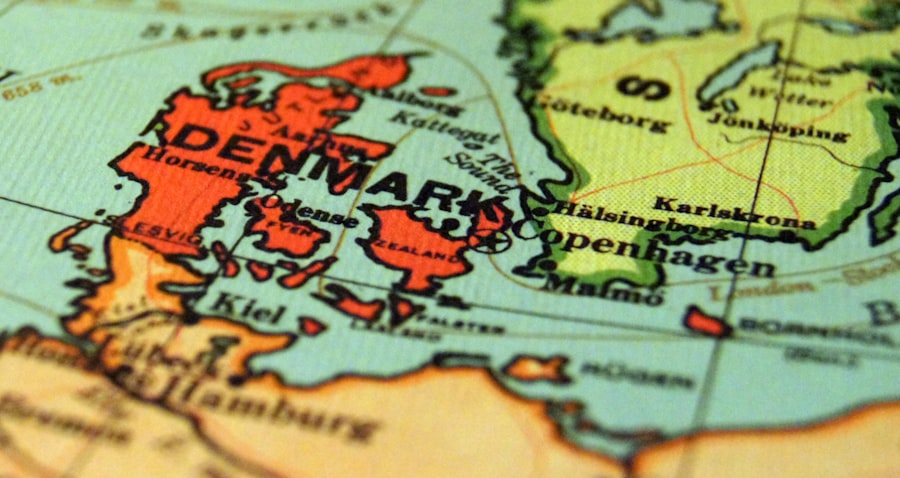
German industry faces a dynamic future, where its ability to maintain its geopolitical influence will hinge on its adaptability, innovation, and strategic foresight. The path forward is not without its obstacles, but also holds immense potential.
Adapting to Global Power Shifts
The global balance of power is continuously shifting, with emerging economies playing an increasingly prominent role. German industry must navigate this evolving landscape, adapting its strategies to engage with new markets and competitors. This may involve greater investment in joint ventures, technology transfer, and localized production in key growth regions. The traditional model of exporting finished high-end products may need to be complemented by more collaborative and regionally integrated approaches, potentially leading to a more diffuse, yet still significant, form of geopolitical influence.
Innovation in Sustainable Technologies
The urgency of climate change and the growing demand for sustainable solutions will undeniably shape the future of German industry. Continued leadership in renewable energy, green hydrogen, circular economy principles, and sustainable manufacturing processes will be paramount. By pioneering these technologies, German industry can not only address global challenges but also solidify its position as a moral leader and an indispensable partner in the global transition to a sustainable future. This leadership will translate into continued geopolitical relevance, as nations seek German expertise and technology to meet their own climate targets.
Maintaining European Cohesion
German industry’s strength is inextricably linked to the stability and economic cohesion of the European Union. As a major economic powerhouse within the bloc, Germany’s industrial decisions and policies have ripple effects across member states. The future of German industry’s geopolitical impact will therefore be deeply intertwined with its role in fostering European unity, strengthening the single market, and promoting European industrial competitiveness on a global scale. A strong, integrated European industrial base, anchored by Germany, can act as a counterweight to other global economic forces, amplifying Europe’s collective geopolitical voice.
In conclusion, German industry stands as a formidable edifice of innovation, quality, and strategic foresight. Its geopolitical impact is not merely a function of its economic output but a complex interplay of its engineering prowess, its export-oriented model, its role in global supply chains, and its commitment to research and development. Challenges abound, from energy transitions to geopolitical rivalries, yet its capacity for adaptation and its unwavering pursuit of excellence suggest that German industry will continue to wield significant influence on the global stage, shaping the contours of trade, technology, and international relations for the foreseeable future. The reader should thus view not just the products of German industry, but the intricate web of relationships and influences it fosters, as a vital force in the modern world.
WATCH THIS 🔴 SHOCKING: Why Germany’s Factory Exodus Is Permanent (Not Temporary)
FAQs
What are the key geopolitical factors affecting German industry?
Key geopolitical factors impacting German industry include international trade policies, supply chain dependencies, energy security, regulatory changes within the European Union, and global political tensions that influence market access and investment flows.
How does Germany’s reliance on energy imports influence its industrial sector?
Germany’s industrial sector is significantly affected by its reliance on energy imports, particularly natural gas and oil. Geopolitical disruptions or price fluctuations in energy supply can lead to increased production costs, supply shortages, and challenges in maintaining competitiveness.
In what ways do global trade tensions impact German manufacturing?
Global trade tensions, such as tariffs and sanctions, can disrupt export markets for German manufacturers, increase costs for imported raw materials, and create uncertainty that affects investment decisions and long-term planning within the industry.
How does Germany’s position within the European Union shape its industrial policies?
As a leading EU member, Germany’s industrial policies are influenced by EU regulations, trade agreements, and collective initiatives on climate change and digital transformation. This position allows Germany to shape and benefit from a large single market but also requires compliance with shared standards.
What role does technological innovation play in mitigating geopolitical risks for German industry?
Technological innovation helps German industry reduce dependency on vulnerable supply chains, improve energy efficiency, and develop alternative materials and processes. This enhances resilience against geopolitical disruptions and supports sustainable growth in a competitive global environment.