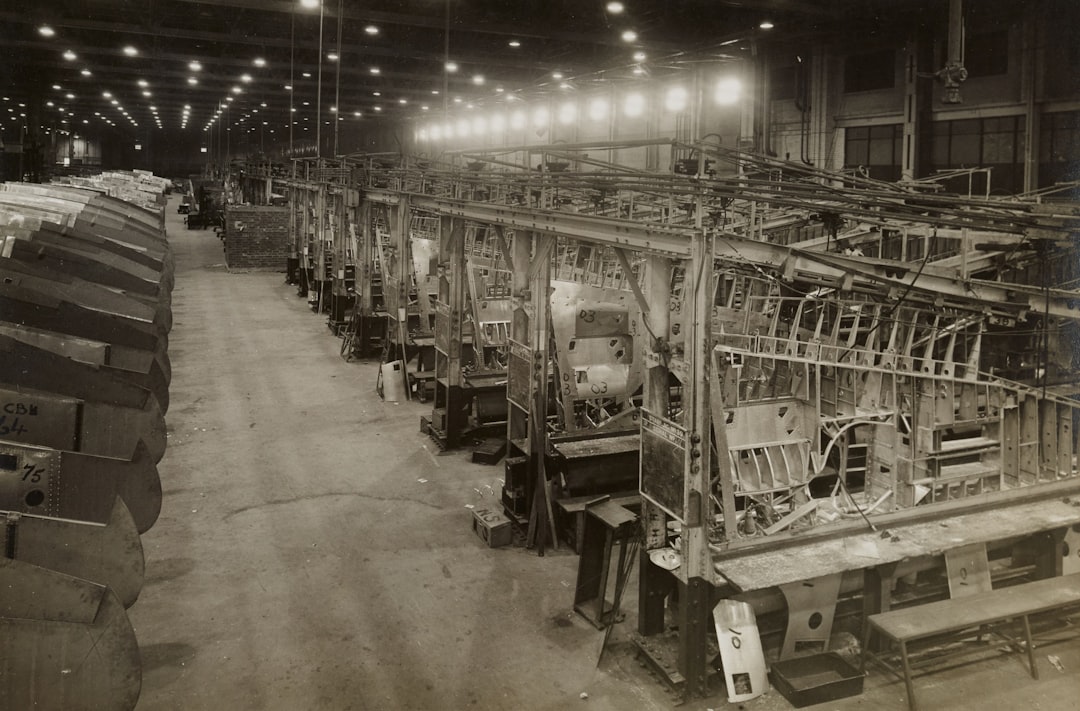
The foundational pillars of the global economy have long been associated with the bedrock of German manufacturing. For decades, the nation’s industrial prowess, characterized by precision engineering, robust quality, and innovation, has served as a significant engine driving global trade and setting benchmarks for other nations. However, recent trends indicate a discernible shift, a subtle yet persistent erosion in the strength of this industrial titan. This article will delve into the observable decline in German manufacturing and explore its multifaceted implications for the wider global economic landscape.
For many years, German factories were akin to well-oiled machines, churning out goods that were highly sought after across the globe. From the intricate workings of its automotive sector to sophisticated machinery and chemicals, Germany’s industrial output was a cornerstone of global commerce. This dominance was built on a unique combination of factors: a highly skilled workforce, a strong vocational training system, a culture of continuous improvement, and a supportive ecosystem of research and development. The “Made in Germany” label was not merely a badge of origin; it was a testament to reliability, durability, and advanced technology. This industrial might translated into a favorable trade balance for Germany and acted as a stabilizing force within the European Union and, by extension, the global economy. The recent report highlights the impact of [Germany factory closures] on the European economy.
The Symptoms of a Slowing Engine
The symptoms of a slowing industrial engine in Germany have become increasingly apparent. For instance, the country’s industrial production figures have, at various points, shown stagnation or even contraction, a stark contrast to its historical growth trajectories. Export growth, once a seemingly unstoppable tide, has begun to ebb in certain sectors. The order books of many German manufacturers, once overflowing, are now showing signs of leaner periods. This is not a sudden collapse but rather a gradual, almost imperceptible, unwinding of a decades-long trend. The world is not waking up to a fallen giant, but rather observing a once-mighty oak showing the first signs of weathering and structural strain.
Declining Industrial Production and Export Performance
Data from official statistical agencies consistently paints a picture of moderating, and at times declining, industrial output. While specific monthly or quarterly figures can fluctuate due to cyclical factors, the overarching trend highlights a loss of momentum. This has a direct impact on the global supply of high-value manufactured goods, wherein German companies often play a pivotal role. Similarly, the performance of German exports, a critical driver of global trade, has seen its growth rate temper. This deceleration is not uniform across all sectors, but it signals a broader systemic challenge to Germany’s export-led growth model.
Rise of New Competitors and Shifting Global Demand
The global manufacturing landscape is not static. The rise of Asian economies, powered by their own manufacturing capabilities and cost advantages, has presented formidable competition. Nations across Asia, from China and South Korea to Vietnam and India, have steadily climbed the value chain, challenging Germany’s traditional dominance in various product segments. Moreover, global demand patterns are evolving. A growing emphasis on digital technologies, sustainability, and services means that traditional manufacturing may not be the sole determinant of economic success moving forward. Germany, like any other industrial power, must adapt its offerings and strategies to meet these new realities.
The decline of German manufacturing has been a topic of significant concern, reflecting broader economic challenges faced by the country. A related article that delves into the factors contributing to this downturn can be found at Real Lore and Order. This piece explores the impact of global competition, technological advancements, and shifting consumer demands on Germany’s once-thriving industrial sector, providing valuable insights into the current state of the economy.
The Root Causes of German Manufacturing’s Unsettling Trajectory
Understanding the decline necessitates a deep dive into the underlying reasons. These are not isolated incidents but rather a confluence of interconnected factors, some internal to Germany and others stemming from the shifting global economic tecture. It is as if a ship, accustomed to favorable winds and currents, is now facing headwinds and changing tides.
Internal Challenges: The Burden of Cost and Regulation
One of the most frequently cited internal challenges is the escalating cost of production in Germany. High labor costs, driven by strong social welfare systems and collective bargaining agreements, combined with significant energy expenses, particularly in the wake of geopolitical shifts, put German manufacturers at a disadvantage compared to their international rivals operating in lower-cost environments. Furthermore, the regulatory landscape in Germany and the broader European Union, while often aimed at upholding high standards for environmental protection and worker safety, can also be perceived as complex and burdensome, potentially stifling agility and innovation.
High Labor and Energy Costs
The cost of labor in Germany, while reflecting a skilled and productive workforce, remains a significant factor in its manufacturing competitiveness. When juxtaposed with burgeoning manufacturing hubs in other parts of the world, these costs can make German-produced goods less price-competitive. In parallel, energy prices have become a particularly acute concern. Geopolitical events have disrupted traditional energy supply chains, leading to volatile and often elevated energy costs. For energy-intensive manufacturing sectors, this poses a substantial operational and financial challenge, akin to a factory continuously operating with an artificially inflated electricity bill.
Regulatory Environment and Bureaucracy
The intricate web of regulations governing German industry, from environmental standards to worker protection, is a double-edged sword. While promoting responsible corporate behavior and contributing to high quality of life, these regulations can also create bureaucratic hurdles and increase compliance costs. For businesses seeking to rapidly scale or innovate, navigating extensive permitting processes and adhering to a multitude of directives can be time-consuming and resource-intensive. This can slow down the pace of adaptation and investment, leaving German companies vulnerable to more nimble competitors.
External Pressures: Geopolitics and Global Uncertainties
Beyond internal factors, external forces are exerting significant pressure on German manufacturing. The evolving geopolitical landscape, marked by increased protectionism, trade disputes, and regional conflicts, creates an environment of uncertainty that is detrimental to long-term industrial planning and investment. The global supply chain, once a predictable network, has become more fragile and susceptible to disruptions.
Geopolitical Tensions and Trade Protectionism
The rise of protectionist policies in major economies and ongoing geopolitical tensions can directly impact German exports and the accessibility of crucial raw materials and components. Trade wars, sanctions, and the fragmentation of global markets create an unpredictable business environment. German manufacturers, heavily reliant on global trade, are particularly vulnerable to these shifts. Imagine a complex and interconnected irrigation system that suddenly faces multiple blockages and diversions; the smooth flow of goods is compromised.
Supply Chain Vulnerabilities and Disruptions
The COVID-19 pandemic and subsequent geopolitical events have laid bare the vulnerabilities inherent in globalized supply chains. German industries, which often rely on just-in-time inventory systems and intricate networks of international suppliers, have faced significant disruptions. Shortages of critical components, shipping delays, and increased freight costs have all contributed to production slowdowns and increased operational expenses. The resilience of the supply chain has become a critical factor in manufacturing success, and its fragility presents a clear challenge for Germany.
Implications for the Global Economy: A Ripple Effect
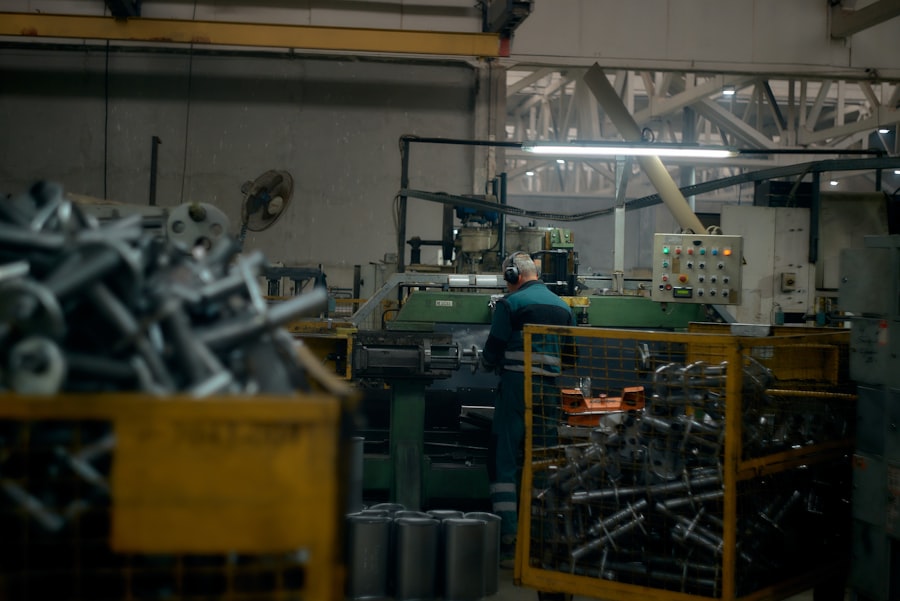
The decline of German manufacturing is not an insular event; it sends ripples across the entire global economic pond. As a major exporter and a key player in global value chains, Germany’s industrial shifts have far-reaching consequences. The world has grown accustomed to German precision and reliability; its decline suggests a recalibration of global expectations.
Impact on Global Supply Chains and Trade Flows
A weakening of German manufacturing capacity could lead to significant reconfigurations of global supply chains. As German companies potentially reduce production or shift certain operations, other nations may step in to fill the void. This could lead to a redistribution of manufacturing activity and a recalibration of established trade flows. For countries that have historically benefited from German industrial demand, a downturn could mean reduced export opportunities. Conversely, it could open doors for emerging manufacturing hubs.
Shifts in Sourcing and Production Locations
The vulnerability of current supply chains, coupled with the potential decline in German output, could accelerate a trend towards nearshoring or reshoring of production. Companies may seek to diversify their sourcing strategies, bringing production closer to end markets to mitigate risks and reduce lead times. This could lead to a decentralization of manufacturing and a redrawing of global production maps.
Competitiveness and Price Fluctuations
If German manufacturers struggle to maintain their competitive edge, it could lead to shifts in global pricing for manufactured goods. With less robust supply from a traditionally high-quality source, prices for certain goods might increase due to scarcity or a shift to less efficient production methods elsewhere. This could ultimately impact consumer prices and inflation globally.
The Broader Economic Impact on the European Union
As the economic powerhouse of the European Union, Germany’s industrial health is intrinsically linked to the economic well-being of the entire bloc. A sustained decline in German manufacturing would have a disproportionate impact on the EU’s overall economic performance, trade balance, and employment levels. The engine of the EU, if sputtering, affects the entire convoy.
Reduced Demand for Raw Materials and Intermediate Goods
European economies that supply raw materials, components, and intermediate goods to German manufacturers would experience a corresponding slowdown in demand. This could create a domino effect, impacting smaller economies within the EU that are particularly reliant on their industrial ties with Germany. Countries that provide specialized machinery or industrial services to German factories would also feel the pinch.
Competitiveness of Other EU Member States
The decline of a dominant player like Germany could, in some instances, create opportunities for other EU member states to increase their own manufacturing output and market share. However, it could also signal a broader challenge facing European manufacturing as a whole, if the root causes are systemic within the region. The question arises whether this is a localized ailment or a wider European industrial malaise.
The ‘Made in Germany’ Brand and Technological Leadership
The “Made in Germany” label is more than just a marketing tool; it represents a benchmark for quality, innovation, and reliability. A discernible decline in German manufacturing could tarnish this globally recognized brand, potentially diminishing its premium status and impacting consumer perception worldwide. Furthermore, Germany’s historical role as a technological innovator in various industrial sectors could be challenged, potentially slowing down the pace of global technological advancement in these areas.
Erosion of Perceived Quality and Reliability
If German manufacturing falters, the perception of its products’ quality and reliability could erode over time. This would have a direct impact on export markets, as buyers might look for alternatives if they no longer associate German goods with their previous high standards. This is akin to a renowned chef’s restaurant experiencing a dip in consistent quality; patrons might start exploring other culinary establishments.
Impact on Innovation and R&D Investment
A struggling manufacturing sector often leads to reduced investment in research and development. If German companies are less profitable or face significant financial pressures, their capacity to invest in cutting-edge innovation may diminish. This could have long-term implications for global technological leadership, particularly in traditional German strongholds like automotive engineering, automation, and advanced materials.
Navigating the Future: Germany’s Path Forward and Global Repercussions
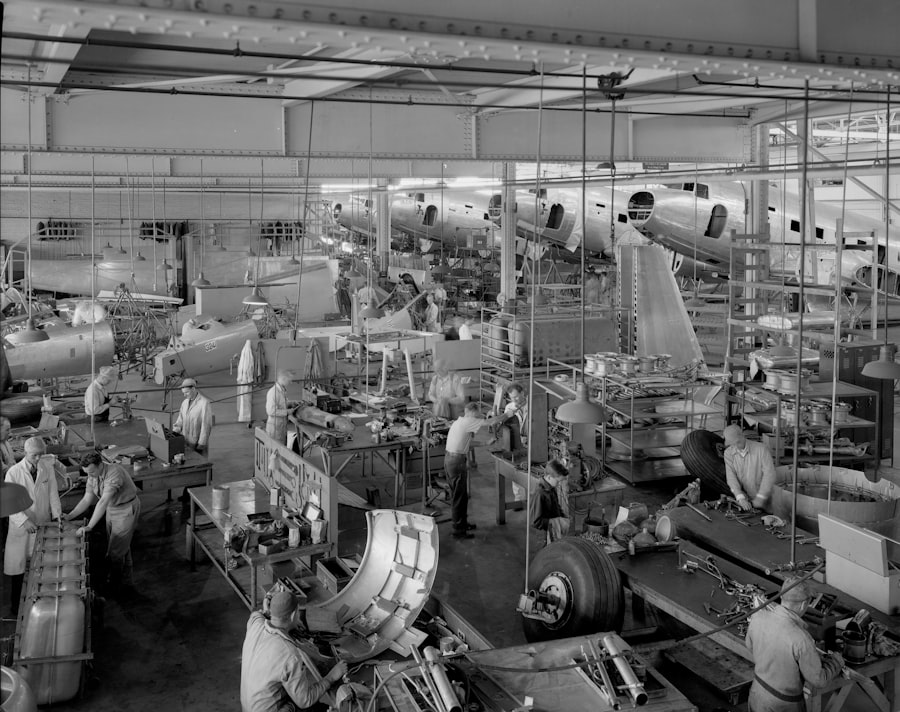
The trajectory of German manufacturing is not predetermined. While challenges are evident, there are also opportunities for adaptation and reinvention. The choices made by Germany and the responses of the global economy will shape the future of industrial production.
Germany’s Strategic Responses and Potential Solutions
Germany is not standing idly by. Various initiatives and strategies are being explored and implemented to address the decline. These range from investing in digitalization and automation to promoting a more circular economy and fostering greater energy independence. The focus is on modernizing the industrial base, enhancing resilience, and adapting to the demands of the 21st-century economy.
Embracing Digitalization and Industrie 4.0
The ongoing push towards “Industrie 4.0” – the digital transformation of manufacturing – is a critical strategy for Germany. This involves integrating smart technologies, artificial intelligence, and big data into production processes to enhance efficiency, flexibility, and product customization. Successful implementation could help overcome some of the cost disadvantages and re-establish Germany as a leader in advanced manufacturing.
Investing in Green Technologies and Sustainability
As the world grapples with climate change, the transition to a green economy presents both challenges and opportunities. Germany’s focus on renewable energy, sustainable production methods, and the development of green technologies could become a new area of industrial strength. This could lead to a shift in the country’s manufacturing focus, from traditional heavy industry to more eco-friendly and future-oriented sectors.
Global Economic Adjustments and Adaptation Strategies
The global economy will need to adapt to the evolving role of German manufacturing. This adaptation will involve diversifying trade partners, investing in new areas of production, and understanding the shifting competitive landscape. The resilience of the global economic system will be tested by these adjustments.
Diversification of Global Supply Chains
In response to the potential shifts in German manufacturing, other nations will likely seek to further diversify their supply chains. This could involve developing domestic manufacturing capabilities in key sectors or forging stronger ties with a wider range of international suppliers. The aim is to reduce reliance on any single source or region.
The Rise of New Industrial Powerhouses
As established manufacturing hubs face evolving challenges, new industrial powerhouses are likely to emerge and solidify their positions. Nations with a strong focus on innovation, skilled labor, and competitive cost structures could play an increasingly significant role in global manufacturing. The global industrial chessboard is always being reset.
The decline of German manufacturing has raised concerns among economists and industry leaders alike, as it could have significant implications for the European economy. A recent article discusses the factors contributing to this downturn, including rising energy costs and global supply chain disruptions. For a deeper understanding of the challenges facing this vital sector, you can read more in this insightful piece on the topic. The article can be found here.
Conclusion: A Changing Landscape, A Call for Agility
| Year | Manufacturing Output Change (%) | Industrial Production Index | Manufacturing Employment Change (%) | Key Factors |
|---|---|---|---|---|
| 2018 | -1.5 | 98.7 | -0.8 | Trade tensions, automotive sector slowdown |
| 2019 | -5.0 | 93.8 | -2.3 | Global demand drop, supply chain disruptions |
| 2020 | -10.2 | 84.5 | -5.0 | COVID-19 pandemic impact, lockdowns |
| 2021 | 3.5 | 87.4 | 1.2 | Partial recovery, easing restrictions |
| 2022 | -2.8 | 85.0 | -1.0 | Energy crisis, inflation pressures |
The observable decline in German manufacturing is a significant indicator of broader shifts within the global economy. It is a signal that long-held assumptions about industrial leadership and trade dynamics are being challenged. The implications are far-reaching, affecting supply chains, trade flows, and the competitive landscape for industries worldwide. For Germany, the path forward requires a strategic transformation, embracing digitalization, sustainability, and agile adaptation. For the global economy, it necessitates a similar spirit of adaptability, a willingness to navigate new realities, and an openness to the emergence of new centers of industrial innovation. The gears of the global economy are not grinding to a halt, but they are certainly turning in a new direction, and understanding the implications of Germany’s evolving industrial strength is crucial for anyone seeking to navigate this changing landscape. The reverberations of any significant shift in such a foundational sector are felt globally, reminding us that interconnectedness is the defining characteristic of today’s economic world.
WATCH THIS 🔴 SHOCKING: Why Germany’s Factory Exodus Is Permanent (Not Temporary)
FAQs
What are the main factors contributing to the decline in German manufacturing?
Key factors include global supply chain disruptions, rising energy costs, decreased demand in key export markets, and challenges related to digital transformation and automation within the industry.
How has the decline in manufacturing affected Germany’s economy?
Manufacturing is a significant part of Germany’s economy, so its decline has led to slower economic growth, reduced industrial output, and increased uncertainty in employment within manufacturing sectors.
Which manufacturing sectors in Germany are most impacted by the decline?
Sectors such as automotive manufacturing, machinery, and chemical production have been notably affected due to decreased global demand and supply chain issues.
What measures is the German government taking to address the manufacturing decline?
The government is investing in innovation, supporting digitalization efforts, promoting sustainable energy solutions, and providing financial aid to help industries adapt to changing market conditions.
Is the decline in German manufacturing expected to be a long-term trend?
While some challenges are structural, experts believe that with technological adaptation and policy support, the sector can stabilize and potentially recover, though the timeline remains uncertain.