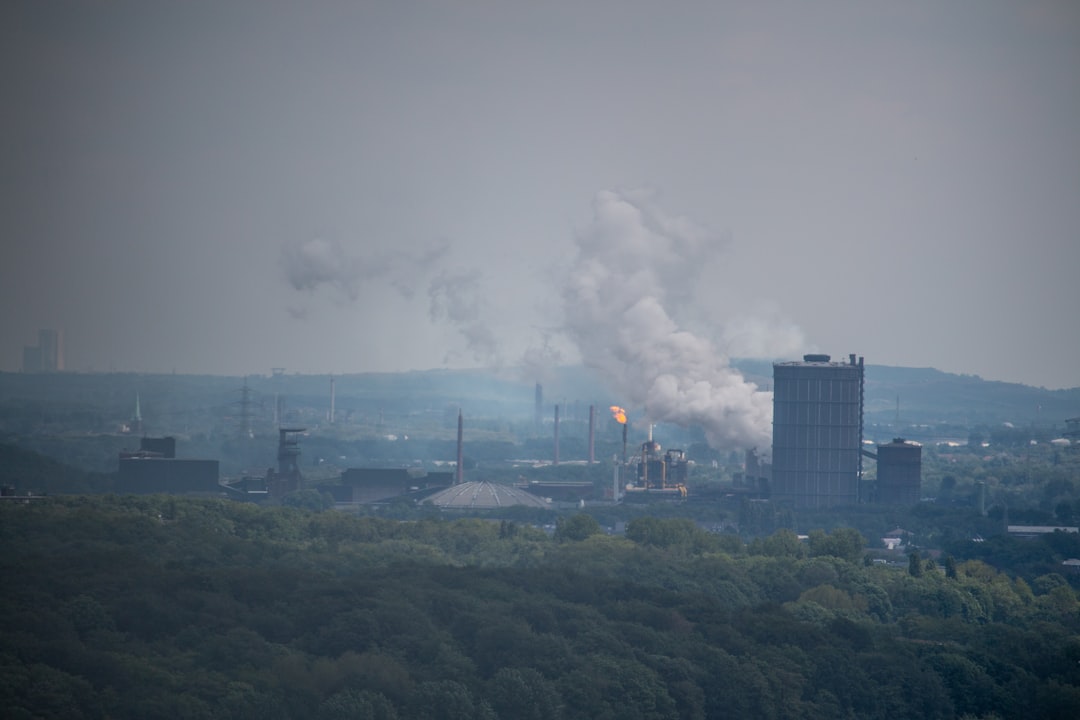
Germany, an industrial powerhouse, has long prided itself on its manufacturing prowess, a testament to its engineering excellence and robust economic infrastructure. However, this industrial might is inextricably linked to a substantial energy demand, a dependence that has become a focal point of concern and debate in recent years. This article delves into the intricate relationship between Germany’s vital industries and its energy supply, offering a critical analysis of the challenges, vulnerabilities, and potential pathways forward.
Germany’s economic miracle post-World War II was built upon bedrock industries that are inherently energy-intensive. From traditional heavy manufacturing to advanced chemical production, these sectors have historically thrived on a reliable and relatively affordable energy supply. Understanding the composition of these industries is crucial to grasping the magnitude of the nation’s energy dependence. The recent report highlights the impact of [Germany factory closures] on the European economy.
Heavy Industry: The Backbone of the Economy
The steel, cement, and chemical industries represent the behemoths of Germany’s industrial sector. These industries are characterized by continuous process operations that demand immense amounts of energy, often in the form of high-temperature heat.
- Steel Production: The blast furnace method, a cornerstone of steel manufacturing, requires temperatures exceeding 1,000°C, fueled predominantly by coke derived from coal. While alternative methods like electric arc furnaces are gaining traction, the legacy infrastructure remains significant.
- Cement Manufacturing: The clinker production process within cement factories is another major energy consumer, relying on high-temperature kilns to transform raw materials into cement.
- Chemical Industry: Germany’s chemical sector, a global leader, utilizes substantial energy for various synthesis processes, distillation, and heating, often requiring precise temperature control and continuous operation.
Manufacturing and Advanced Engineering: The Modern Engine
Beyond the traditional heavy industries, Germany’s strength in manufacturing, particularly in automotive, mechanical engineering, and electronics, also contributes significantly to energy demand, albeit with different profiles.
- Automotive Industry: While less energy-intensive per unit of output compared to steel, the sheer scale of automotive manufacturing, including fabrication, painting, and assembly, leads to considerable aggregate energy consumption. The transition to electric vehicles also introduces new energy demands for charging infrastructure and battery production.
- Mechanical Engineering: Precision machinery, tool building, and industrial automation rely on electricity for sophisticated manufacturing processes, often involving CNC machines, robotics, and advanced material processing.
- Electronics Industry: Although typically associated with lower energy demands per product, the cumulative energy consumption for semiconductor fabrication, cleanroom operations, and data centers within this sector is substantial.
Germany’s energy-dependent industries are facing significant challenges as the country transitions to more sustainable energy sources. A related article that delves into the implications of this transition can be found at Real Lore and Order, where the impact on various sectors, including manufacturing and technology, is explored in detail. This analysis highlights the balance between economic growth and environmental responsibility, providing insights into how industries can adapt to the evolving energy landscape.
Shifting Energy Paradigms: A Complex Tapestry of Challenges
Germany’s long-standing energy strategy, once heavily reliant on nuclear power and a significant proportion of natural gas, has undergone a dramatic transformation, known as the Energiewende. This transition, aimed at decarbonization and increased reliance on renewable sources, introduces both opportunities and profound challenges for energy-dependent industries.
The Phasing Out of Nuclear and Coal: A Deliberate Choice
The decision to completely phase out nuclear power by 2023 and gradually divest from coal-fired power generation has fundamentally altered Germany’s energy mix. While driven by environmental and safety concerns, this shift has significant implications for energy security and pricing.
- Reduced Base Load Capacity: Nuclear power stations provided a stable and continuous base load of electricity. Their removal necessitates robust replacements, often through natural gas or grid-scale battery storage, both of which have their own complexities.
- Increased Dependency on Natural Gas (Transitional): In the interim, natural gas serves as a crucial bridge fuel, particularly for flexible power generation to balance the intermittency of renewables. This has exposed Germany to geopolitical risks and price volatility, a stark reality underscored by recent international events.
- Challenge of Grid Stability: Integrating a higher share of intermittent renewable energy sources like wind and solar requires significant investments in grid infrastructure, smart grid technologies, and storage solutions to maintain stability and reliability.
The Intermittency of Renewables: A Supply-Side Dilemma
While renewable energy capacity has expanded significantly, its inherent variability poses a challenge for industries requiring a constant and reliable power supply. The sun does not always shine, and the wind does not always blow.
- Fluctuating Energy Prices: Periods of high renewable output can lead to negative electricity prices, while low output necessitates reliance on more expensive conventional power generation or imports, leading to price volatility which is difficult for industries to manage for long-term planning.
- Demand-Side Management Complexity: Industries are increasingly encouraged to adopt demand-side management strategies to optimize their energy consumption according to supply availability. However, adapting continuous production processes to fluctuating energy supply is a significant operational and financial hurdle.
- The Need for Storage Solutions: Large-scale energy storage, such as pumped-hydro, batteries, and potentially hydrogen, is critical to bridge gaps in renewable energy supply. The pace and scale of deployment of these solutions need to accelerate to match the ambitions of the Energiewende.
The Economic Implications: Navigating a Competitive Landscape
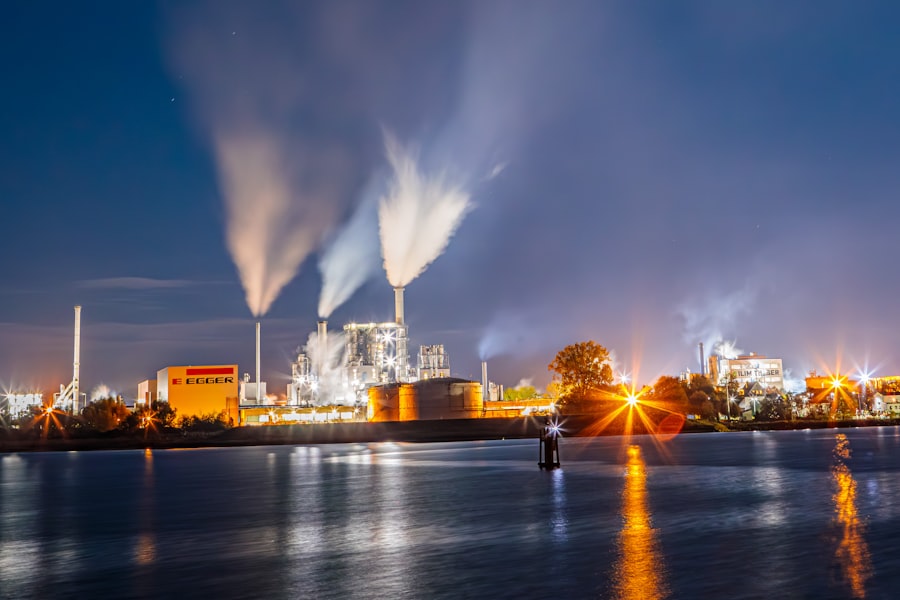
The interplay of energy policies, technological advancements, and global market dynamics creates a complex economic environment for Germany’s energy-dependent industries. Their ability to remain competitive hinges on effectively managing energy costs and adapting to new energy paradigms.
Energy Costs: A Competitive Disadvantage?
Germany has historically enjoyed a strong competitive position built partly on efficient energy use. However, the costs associated with the Energiewende, including levies for renewable energy subsidies and grid expansion, have led to some of the highest electricity prices in Europe.
- Impact on Production Costs: For industries where energy constitutes a significant proportion of production costs (e.g., steel, chemicals), higher energy prices can directly erode profit margins and make them less competitive internationally.
- Risk of Carbon Leakage: If stringent carbon pricing and energy policies in Germany are not matched by similar regulations in other regions, there is a risk of “carbon leakage,” where energy-intensive industries relocate to countries with less stringent environmental regulations, weakening Germany’s industrial base and global climate efforts.
- Governmental Support Mechanisms: The German government has implemented various mechanisms, such as reduced electricity levies for energy-intensive industries, to mitigate these impacts. However, the long-term sustainability and effectiveness of such subsidies are subjects of ongoing debate.
Investment in Energy Efficiency and Decarbonization: A Pathway to Resilience
To mitigate high energy costs and meet decarbonization targets, German industries are increasingly investing in energy efficiency measures and exploring new, cleaner production technologies.
- Process Optimization: Companies are focusing on optimizing existing production processes to reduce energy consumption, for example, through waste heat recovery, improved insulation, and more efficient motor drives.
- Material Substitution: Research and development into alternative materials and production methods that require less energy are gaining traction, although widespread adoption often faces technical and economic barriers.
- Hydrogen as a Decarbonization Vector: Green hydrogen, produced through electrolysis using renewable electricity, is seen as a key enabler for decarbonizing hard-to-abate sectors like steel and chemicals. However, the economic viability and scalability of green hydrogen production and infrastructure remain significant challenges.
Geopolitical Realities: External Vulnerabilities and Strategic Shifts
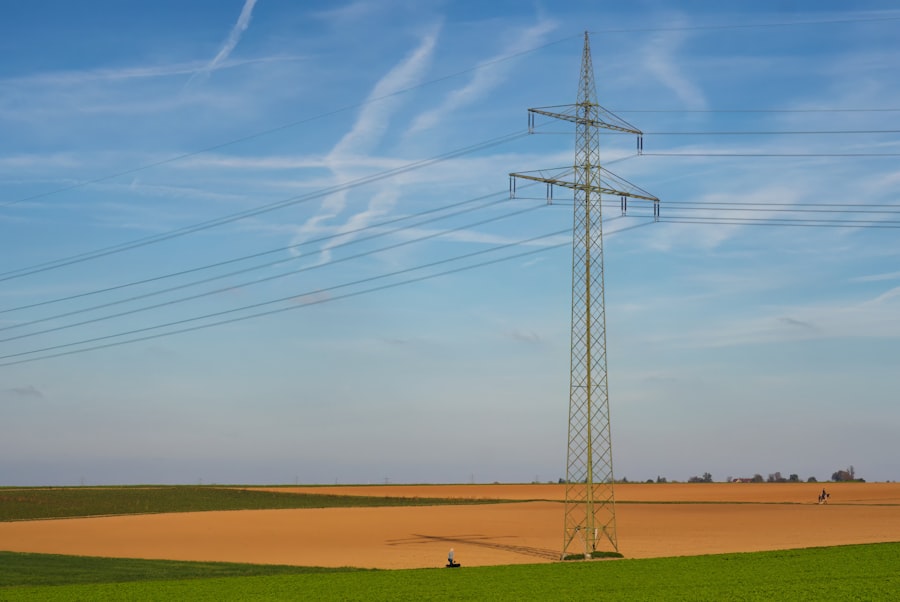
The energy crisis following recent geopolitical events served as a stark reminder of Germany’s vulnerability to external energy supply disruptions and price shocks. This has prompted a renewed focus on energy security and diversification.
Reliance on Russian Gas: A Critical Miscalculation
Germany’s historical reliance on piped natural gas from Russia, once considered a reliable and affordable source, proved to be a critical dependency. The disruption of these supplies exposed deep structural vulnerabilities.
- Rapid Diversification Efforts: The German government and industry swiftly moved to secure alternative gas supplies, primarily through liquefied natural gas (LNG) imports from various global sources. This required rapid infrastructure development, including new LNG terminals.
- Accelerated Renewable Expansion: The crisis also provided fresh impetus for accelerating the expansion of renewable energy sources and improving energy efficiency to reduce overall gas demand.
- Strategic Energy Partnerships: Germany is actively seeking to forge new energy partnerships with countries rich in renewable energy potential or hydrogen production capabilities to diversify its energy import portfolio.
The Role of European Integration: Collective Security
Germany’s energy security is deeply intertwined with that of the wider European Union. Collaborative efforts and interconnected energy markets play a crucial role in mitigating supply risks.
- Interconnected Gas Networks: The extensive European gas network allows for mutual support and diversification of supply routes across member states during periods of disruption.
- Electricity Market Coupling: The integrated European electricity market facilitates cross-border trading, enhancing grid stability and allowing for the balancing of renewable energy generation across a larger geographical area.
- Joint Procurement Initiatives: European initiatives for joint procurement of energy aim to leverage collective bargaining power to secure more favorable terms and diversify supply sources.
Germany’s energy-dependent industries are facing significant challenges as the country transitions to more sustainable energy sources. A recent article discusses the implications of this shift for various sectors, highlighting how companies are adapting to new regulations and market conditions. For more insights on this topic, you can read the full article here. As industries strive to balance energy efficiency with productivity, the future of Germany’s economy hangs in the balance.
Future Outlook: A Path Paved with Innovation and Adaptation
| Industry | Energy Consumption (TWh) | Percentage of Total Industrial Energy Use | Primary Energy Source | CO2 Emissions (Million Tons) | Employment (Thousands) |
|---|---|---|---|---|---|
| Chemical Industry | 120 | 25% | Natural Gas | 45 | 450 |
| Steel and Metal Production | 150 | 31% | Coal and Electricity | 60 | 180 |
| Cement Industry | 40 | 8% | Coal | 20 | 30 |
| Paper and Pulp | 35 | 7% | Electricity and Biomass | 10 | 70 |
| Glass Industry | 25 | 5% | Natural Gas and Electricity | 8 | 20 |
| Food and Beverage | 30 | 6% | Electricity and Gas | 5 | 300 |
Addressing the challenges posed by Germany’s energy dependence requires a multi-faceted approach, encompassing technological innovation, policy coherence, and strategic adaptation across all levels of industry and government.
Technological Advancements: The Engine of Change
Continued investment in research and development is paramount to pioneering cleaner, more efficient, and more flexible energy technologies for industrial applications.
- Industrial Electrification: Substituting fossil fuels with electricity, particularly for low- and medium-temperature heat applications and some high-temperature processes, where technically feasible and economically viable, is a key trend.
- Carbon Capture, Utilization, and Storage (CCUS): For industries where process emissions are unavoidable (e.g., cement production), CCUS technologies offer a pathway to decarbonization. However, their scalability, cost, and public acceptance remain significant hurdles.
- Digitalization and AI in Energy Management: Leveraging digital technologies and artificial intelligence for optimizing energy consumption, predicting demand, and integrating renewable energy sources more effectively is a burgeoning field with immense potential.
Policy Frameworks: Enabling the Transition
Effective government policies are crucial to providing the necessary incentives, regulations, and infrastructure for industries to successfully navigate the energy transition.
- Clear and Stable Regulatory Environment: Industries require a predictable and transparent policy framework to make long-term investment decisions in decarbonization technologies and energy efficiency.
- Financial Incentives and Support: Targeted subsidies, grants, and tax credits can de-risk investments in new, often more expensive, green technologies and infrastructure.
- Infrastructure Development: Investments in electricity grids, hydrogen pipelines, and CO2 transport infrastructure are essential enablers for the widespread adoption of new energy solutions.
Industrial Adaptation: Embracing the New Reality
German industries must proactively adapt their business models, production processes, and energy sourcing strategies to thrive in a decarbonized and interconnected global economy.
- Supply Chain Resilience: Rethinking global supply chains to reduce reliance on single energy sources or volatile regions will enhance overall resilience.
- Skill Development: Investing in workforce training and development to equip employees with the skills needed for new green technologies and energy management practices is crucial.
- International Collaboration: Engaging in international partnerships for technology transfer, resource sharing, and joint research initiatives can accelerate the pace of innovation and decarbonization.
In conclusion, Germany’s energy-dependent industries stand at a critical juncture. The historical reliance on a stable and affordable energy supply is being reshaped by the imperatives of decarbonization, geopolitical shifts, and technological advancements. The journey ahead is complex, akin to steering a massive ocean liner through uncharted waters, requiring meticulous planning and constant adaptation. Success hinges on a concerted effort that combines technological innovation, supportive policy frameworks, and the proactive adaptation of its industrial heartland to a future characterized by a diverse, sustainable, and resilient energy landscape.
WATCH THIS 🔴 SHOCKING: Why Germany’s Factory Exodus Is Permanent (Not Temporary)
FAQs
What are energy dependent industries in Germany?
Energy dependent industries in Germany are sectors that require significant amounts of energy to operate. These include industries such as chemicals, steel production, manufacturing, and automotive, which rely heavily on electricity, gas, and other energy sources for their processes.
Why is energy consumption important for these industries in Germany?
Energy consumption is crucial because it directly affects production costs, competitiveness, and sustainability. Efficient energy use can reduce expenses and environmental impact, while energy shortages or high prices can disrupt operations and increase costs.
How does Germany ensure a stable energy supply for its energy dependent industries?
Germany ensures a stable energy supply through a diversified energy mix, including renewable energy sources like wind and solar, as well as natural gas and coal. The country also invests in energy infrastructure, grid stability, and energy efficiency measures to support industrial demand.
What challenges do energy dependent industries in Germany face regarding energy costs?
These industries face challenges such as fluctuating energy prices, carbon pricing under the EU Emissions Trading System, and the transition to renewable energy, which can lead to higher operational costs. Balancing competitiveness with environmental regulations is a key concern.
How is Germany’s energy transition affecting energy dependent industries?
Germany’s energy transition (Energiewende) aims to reduce carbon emissions by shifting to renewable energy. While this creates opportunities for innovation and sustainability, it also requires industries to adapt to new energy sources, invest in energy efficiency, and manage potential supply variability.