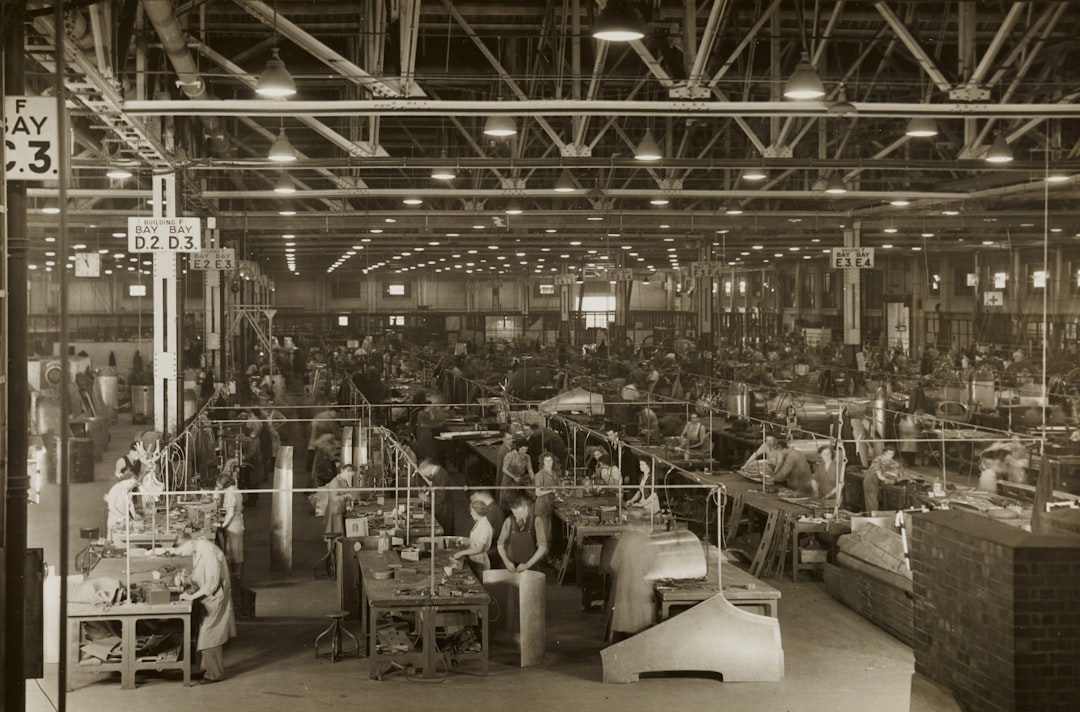
Germany, once the undisputed titan of manufacturing, a clockwork precision machine churning out goods that defined quality and engineering prowess, is experiencing a noticeable shift in its competitive landscape. The steady march of its industrial might, a beacon for global markets, is now showing signs of faltering, raising concerns about its long-term economic health. This article will explore the multifaceted factors contributing to this decline, examining the internal and external pressures that are testing the resilience of the German manufacturing sector.
The bedrock of Germany’s manufacturing dominance was built on a foundation of skilled labor, robust infrastructure, and a deep well of technical expertise. However, the global economic environment of the 21st century is a far cry from the post-war era where these advantages were largely unassailable. The world has learned, adapted, and in many cases, innovated, challenging Germany’s long-held supremacy. The recent report highlights the impact of [Germany factory closures] on the European economy.
The Rise of New Industrial Powers
The most significant tremor in the global manufacturing earthquake comes from the emergence of formidable competitors. Nations once content to be assembly lines for Western innovations are now developing their own technological capabilities and establishing their own global brands.
China’s Ascent as a Manufacturing Hub
China, in particular, has evolved from a low-cost manufacturing base to a significant innovator and competitor across a broad spectrum of industries. Its massive domestic market provides a strong launchpad for its own companies, and its strategic investments in research and development have propelled it into areas previously dominated by established players. This is not merely about cheap labor anymore; it’s about innovation, scale, and market penetration.
Emerging Markets’ Growing Capabilities
Beyond China, other emerging economies are steadily increasing their manufacturing sophistication. Countries in Southeast Asia and Eastern Europe are leveraging their own unique strengths, from lower production costs to growing domestic demand, to carve out significant market share. This diversification of the global manufacturing landscape means that opportunities for German manufacturers are no longer guaranteed.
Globalization’s Double-Edged Sword
While globalization initially fueled Germany’s export-driven economy, its ongoing evolution presents new challenges. The interconnectedness of supply chains, while efficient, can also be a vulnerability. Furthermore, the pursuit of cost optimization by global corporations often leads to a de-localization of manufacturing away from high-cost European centers.
The Race to the Bottom in Cost Competition
German manufacturers, historically operating with higher labor costs and stringent environmental regulations, find themselves at a disadvantage in a global marketplace where cost is often a primary determinant of purchase. This forces a difficult decision: either absorb these costs and reduce profit margins, or find ways to significantly cut down on expenditures, which can impact quality or necessitate offshoring.
Shifting Demand Patterns
Consumer preferences and industrial needs are also evolving. The demand for highly customized, niche products is increasing, while the reliance on mass-produced, standardized goods is decreasing in some sectors. German manufacturers, accustomed to large-scale production runs, need to adapt their strategies to cater to these more fragmented and specific market demands.
Germany’s manufacturing competitiveness has faced significant challenges in recent years, leading to concerns about its position in the global market. A related article that delves deeper into this topic can be found at this link. The article explores various factors contributing to the decline, including rising production costs and increased competition from emerging economies, providing valuable insights into the current state of Germany’s manufacturing sector.
Internal Strides and Stumbles: The Domestic Landscape
While external forces are undeniably powerful, internal factors within Germany are also contributing to the perceived decline in manufacturing competitiveness. These are often complex, deeply ingrained issues that require sustained attention and strategic reform.
The Aging Workforce and Skills Gap
Germany has long prided itself on its highly skilled workforce, often trained through its dual vocational education system. However, demographic shifts are creating a significant challenge.
Demographic Challenges and an Aging Population
The German population is aging, leading to a shrinking proportion of younger workers entering the labor market. This means that a smaller workforce is supporting a larger, retired population, creating a strain on social security systems and reducing the pool of available talent for manufacturing roles. This is akin to a well-oiled machine with fewer and fewer skilled mechanics to keep it running.
The Growing Disconnect Between Education and Industry Needs
While the vocational system remains a strength, there is an increasing concern that the skills being imparted are not always aligning perfectly with the evolving needs of modern manufacturing. The rise of digitalization, automation, and new materials requires a different set of competencies than those traditionally emphasized.
The Impact of Immigration on the Labor Market
While immigration offers a potential solution to the demographic challenge, its integration into the manufacturing sector is not without its complexities. Language barriers, differences in educational backgrounds, and the need for specialized training can present initial hurdles. However, a proactive and well-managed approach can unlock significant potential.
The Burden of Regulation and Bureaucracy
Germany’s reputation for meticulous regulation, while ensuring high standards, can also translate into a significant administrative burden for businesses, particularly smaller and medium-sized enterprises (SMEs) that form the backbone of its industrial sector.
Navigating a Complex Regulatory Framework
Compliance with intricate environmental, labor, and safety regulations, while important, can consume valuable resources and time that could otherwise be invested in innovation and expansion. This can slow down decision-making processes and make it more challenging for German companies to react quickly to market changes.
The “Green Deal” and its Economic Implications
The ambitious European Green Deal, aimed at making Europe carbon-neutral, presents both opportunities and challenges for German manufacturing. While driving innovation in sustainable technologies, the transition requires significant investment and can impose immediate cost increases on energy-intensive industries. Balancing environmental goals with economic competitiveness is a delicate tightrope walk.
The Energy Dilemma: High Costs and Uncertain Supply
Germany’s reliance on imported energy, compounded by its decision to phase out nuclear power and a gradual move away from fossil fuels, has led to significantly higher energy costs compared to many international competitors. This directly impacts the profitability of manufacturing operations.
The Impact of Geopolitical Factors on Energy Prices
Global geopolitical events, such as conflicts and supply disruptions, have a magnified impact on energy prices in a country heavily dependent on imports. This creates an environment of price volatility and uncertainty, making long-term production planning difficult.
The Transition to Renewable Energy and its Cost Implications
While the long-term goal of renewable energy is crucial, the immediate costs associated with the transition, including grid upgrades and the integration of intermittent energy sources, are being borne by consumers and industries. This puts German businesses at a cost disadvantage in the short to medium term.
Technological Stagnation vs. Innovation: The Digital Divide
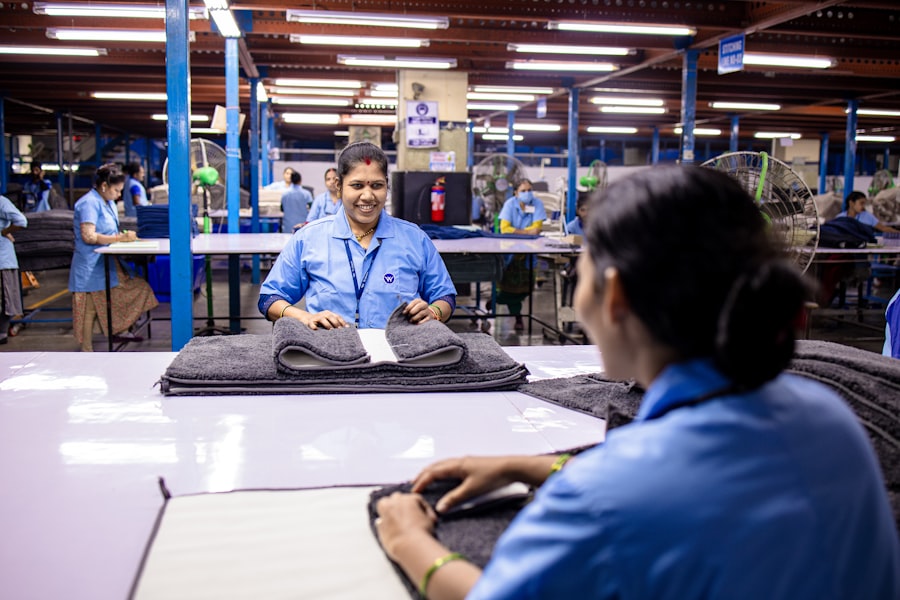
The rapid pace of technological advancement, particularly in the digital realm, is a critical battleground for manufacturing competitiveness. Countries that effectively embrace and integrate new technologies are poised to gain a significant advantage.
The Pace of Digitalization and Automation
The integration of digital technologies, such as artificial intelligence (AI), the Internet of Things (IoT), and advanced robotics, is transforming manufacturing processes globally. German firms, while possessing strong engineering foundations, have faced challenges in fully embracing this digital revolution at the pace of some competitors.
The “Industry 4.0” Initiative – Progress and Pitfalls
Germany’s “Industry 4.0” initiative, launched with great fanfare, aimed to usher in an era of smart manufacturing. While it has driven innovation and raised awareness, its full implementation across the broad spectrum of German industry, especially among SMEs, has been slower than anticipated. Many small and medium-sized businesses may lack the resources or expertise to fully implement these complex digital solutions.
Investment in R&D and Innovation
While Germany consistently invests heavily in research and development, the effectiveness of this investment in translating into competitive advantages in the rapidly evolving digital landscape is a subject of ongoing debate. The focus needs to be on not just developing new technologies, but also on their rapid and efficient adoption into production.
Competition in Emerging Technologies
New technological frontiers, such as advanced materials, biotechnology, and additive manufacturing (3D printing), represent the next wave of industrial innovation. Germany’s ability to compete and lead in these areas will be crucial for its future manufacturing prowess.
The Race for Dominance in AI and Machine Learning
AI and machine learning are no longer aspirational concepts; they are becoming integral to optimizing production, predictive maintenance, and product design. Countries and companies that master these technologies will gain a significant edge in efficiency and innovation.
The Future of Additive Manufacturing and Advanced Materials
The potential of 3D printing to revolutionize prototyping, customization, and even mass production is immense. Similarly, the development of advanced materials with unique properties can unlock new product possibilities. Germany’s leadership in these nascent fields will shape its future manufacturing landscape.
Geopolitical Shifts and Trade Dependencies
The global geopolitical landscape is a turbulent sea, and Germany’s export-oriented economy is particularly susceptible to its currents. Shifts in international relations, trade policies, and geopolitical tensions can significantly impact its manufacturing sector.
The Impact of Trade Wars and Protectionism
The rise of protectionist policies and trade disputes between major economic blocs can disrupt established supply chains and create uncertainty for exporters. Germany, heavily reliant on outward trade, is particularly vulnerable to these disruptions.
Increased Tariffs and Trade Barriers
The imposition of tariffs by key trading partners can make German goods more expensive, diminishing their attractiveness in international markets. This can lead to a direct reduction in export volumes and put pressure on profit margins.
The Weaponization of Trade and Sanctions
In an era of increased geopolitical competition, trade can be used as a tool of leverage. Restrictions imposed through sanctions or other trade-related measures can severely impact industries that rely on specific export markets or imported components.
The Shifting Alliances and Supply Chain Resilience
The COVID-19 pandemic and subsequent geopolitical events have highlighted the fragility of globalized supply chains. Companies are increasingly looking to diversify their sourcing and reduce their reliance on single points of failure.
The Need for Diversification and Reshoring Debates
While reshoring all manufacturing to Germany may be fiscally unfeasible, there is a growing imperative to diversify supply chains and build greater resilience. This could involve a more regionalized approach to production or strategic investments in alternative sourcing locations.
The EU’s Strategic Autonomy Agenda
The European Union, recognizing the vulnerabilities exposed by recent global events, is advocating for greater “strategic autonomy.” This aims to reduce the EU’s dependence on external actors for critical goods and technologies, which could potentially create new opportunities for German manufacturing within a more self-sufficient European bloc. However, the practical implementation and economic implications of this agenda are still unfolding.
Germany’s manufacturing competitiveness has faced significant challenges in recent years, prompting discussions about the factors contributing to its decline. A related article explores these issues in depth, highlighting the impact of rising labor costs and global competition on the country’s industrial sector. For a comprehensive analysis, you can read more about this topic in the article available at this link. Understanding these dynamics is crucial for policymakers and business leaders aiming to restore Germany’s position as a manufacturing powerhouse.
Conclusion: Navigating the Winds of Change
| Metric | Value | Year | Notes |
|---|---|---|---|
| Manufacturing Share of GDP | 22% | 2010 | Germany’s manufacturing sector contribution to GDP |
| Manufacturing Share of GDP | 19% | 2023 | Decline indicating loss in competitiveness |
| Manufacturing Employment | 7.5 million | 2010 | Number of people employed in manufacturing |
| Manufacturing Employment | 6.2 million | 2023 | Decrease due to automation and offshoring |
| Export Market Share (Manufactured Goods) | 12% | 2010 | Germany’s share of global manufacturing exports |
| Export Market Share (Manufactured Goods) | 9.5% | 2023 | Reduced share due to rising competition |
| Unit Labor Costs (Index, EU=100) | 110 | 2010 | Higher costs reduce competitiveness |
| Unit Labor Costs (Index, EU=100) | 125 | 2023 | Increased labor costs impacting manufacturing |
| R&D Spending in Manufacturing (% of GDP) | 3.1% | 2010 | Investment in innovation |
| R&D Spending in Manufacturing (% of GDP) | 2.7% | 2023 | Decline in R&D investment |
Germany’s manufacturing competitiveness is not a static entity but a dynamic organism constantly adapting to external pressures and internal dynamics. The challenges it faces are multifaceted, ranging from the rise of new global competitors and evolving demand patterns to the complexities of an aging workforce, stringent regulations, and the ever-present specter of volatile energy prices. Furthermore, the rapid pace of technological change and the shifting geopolitical landscape add further layers of complexity to the equation.
The once-invincible German manufacturing juggernaut is not on the brink of collapse, rather it is at a critical juncture, a crossroads where strategic adaptation and proactive reform are paramount. The resilience and innovative spirit that defined its past success must now be channeled into navigating these new headwinds. This requires a concerted effort from government, industry, and educational institutions to foster an environment that encourages investment in research and development, embraces digital transformation, addresses the skills gap, and ensures a stable and competitive energy future. The ability of German manufacturing to retain its global standing hinges on its capacity to evolve, adapt, and once again, lead the way in the ever-changing landscape of global industry.
WATCH THIS 🔴 SHOCKING: Why Germany’s Factory Exodus Is Permanent (Not Temporary)
FAQs
What factors contributed to Germany losing manufacturing competitiveness?
Several factors contributed to Germany’s loss in manufacturing competitiveness, including rising labor costs, increased global competition from countries with lower production costs, supply chain disruptions, and slower adoption of digital technologies compared to some competitors.
How has Germany’s manufacturing sector changed in recent years?
Germany’s manufacturing sector has experienced slower growth, a decline in export market share, and challenges in maintaining cost efficiency. While still strong in high-quality engineering and automotive industries, the sector faces pressure from emerging economies and shifting global trade dynamics.
What role does innovation play in Germany’s manufacturing competitiveness?
Innovation is critical to maintaining manufacturing competitiveness. Germany has traditionally excelled in engineering and advanced manufacturing technologies, but recent challenges include slower digital transformation and automation adoption, which have impacted its ability to compete globally.
How does Germany’s manufacturing competitiveness compare to other countries?
Germany remains one of the leading manufacturing nations globally but has seen its relative competitiveness decline compared to countries like China, the United States, and some Eastern European nations, which have increased their manufacturing capabilities and cost advantages.
What measures is Germany taking to regain manufacturing competitiveness?
Germany is investing in Industry 4.0 technologies, digitalization, workforce upskilling, and sustainable manufacturing practices. The government and private sector are focusing on innovation, research and development, and improving supply chain resilience to strengthen the manufacturing base.