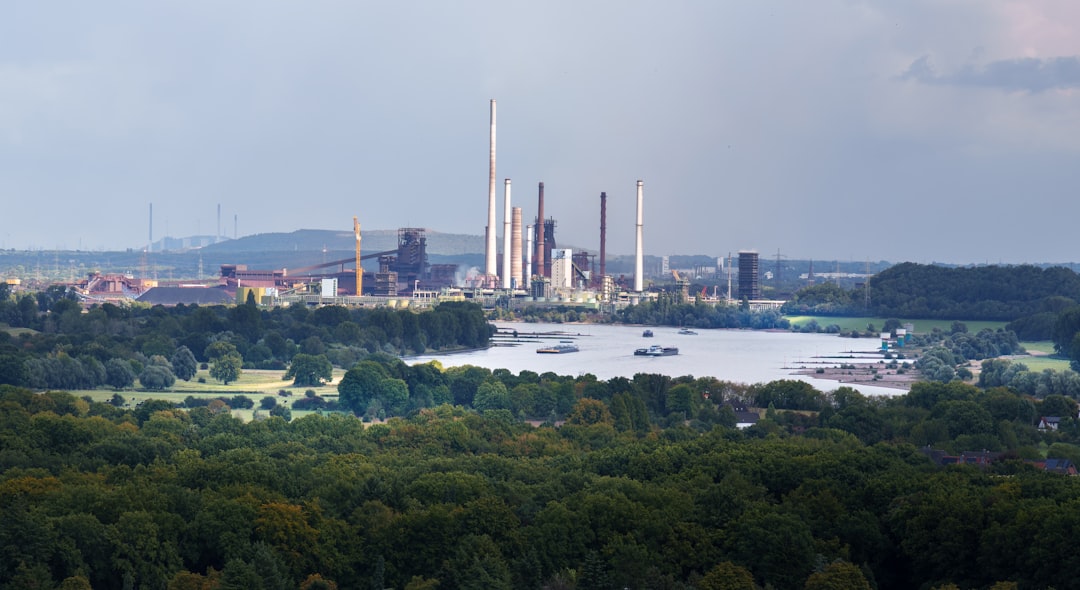
Germany, long a powerhouse of European industry, is currently navigating a turbulent economic landscape, largely shaped by escalating energy prices. This surge, akin to a sudden frost threatening a delicate bloom, is casting a long shadow over the nation’s manufacturing sector, a vital engine of its economic prosperity. The complex interplay of geopolitical events, energy transition policies, and global market dynamics has created a perfect storm, forcing businesses to adapt or risk faltering. For manufacturers, whose operations are intrinsically tied to the cost and availability of energy, these rising prices are not merely an inconvenience; they represent a fundamental challenge to their competitiveness, profitability, and long-term viability.
The current predicament in Germany’s energy pricing is not a sudden eruption but rather the culmination of several compounding factors. Understanding these roots is crucial to grasping the depth of the impact on the manufacturing sector. The recent report highlights the impact of [Germany factory closures] on the European economy.
Geopolitical Fault Lines: A Shifting Energy Landscape
The most significant catalyst for the recent energy price shock has undeniably been the geopolitical upheaval stemming from Russia’s invasion of Ukraine. Germany, like many European nations, had developed a significant reliance on Russian natural gas, a relationship built over decades. This dependency, once viewed as a stable and cost-effective supply, became a critical vulnerability when geopolitical tensions escalated.
The Intertwined Fate of Gas and Electricity
Natural gas plays a dual role in Germany’s energy mix. It is a direct fuel source for many industrial processes, and it is also a primary fuel for electricity generation, particularly for gas-fired power plants. Consequently, spikes in natural gas prices have a direct and pronounced effect on the cost of producing electricity. When the price of this key commodity rises, the cost of every kilowatt-hour of electricity inevitably follows suit, a domino effect rippling through the industrial value chain.
Sanctions and Supply Disruptions: A Double Whammy
The international sanctions imposed on Russia in response to its aggression, while politically necessary, had a direct impact on energy supply routes. Disruptions to the flow of Russian gas, whether through deliberate actions or logistical challenges, tightened the market considerably. This reduction in supply, coupled with sustained or increasing demand, naturally drove prices upwards. Germany, finding itself at the sharp end of these supply reductions, faced the immediate consequences of a market suddenly starved of a key resource.
The Energy Transition: Accelerating Towards a Greener Future
Germany’s commitment to a “Energiewende” – a comprehensive energy transition away from fossil fuels and nuclear power towards renewable sources – is a long-standing policy objective. While laudable in its environmental aspirations, the transition itself, particularly in its accelerated phase, has contributed to the current pricing challenges.
The Phased Withdrawal from Nuclear and Coal
The planned and executed phase-out of nuclear power plants and, more recently, coal-fired power plants, has reduced Germany’s baseload electricity generation capacity. This reduction means a greater reliance on other sources, including natural gas, during periods when renewable energy output is insufficient. When this reliance on gas intersects with a volatile global gas market, the price of electricity inevitably climbs. It’s akin to removing pillars from a support structure without immediately having equally robust replacements in place.
The Intermittency of Renewables and the Need for Flexibility
While renewable energy sources like solar and wind are crucial for the future, their inherent intermittency presents challenges. On days with little sunshine or wind, conventional power plants, often fueled by natural gas, must step in to fill the gap. The cost of operating these backup systems, especially when natural gas prices are high, adds a significant premium to the overall cost of electricity. This need for flexibility, powered by a volatile commodity, becomes a significant cost factor.
Global Market Dynamics and Supply Chain Vulnerabilities
Beyond the specific German context, broader global economic forces have also contributed to the current energy price situation, creating a ripple effect felt across manufacturing sectors worldwide.
The Post-Pandemic Demand Rebound
The global economy, after the sharp contraction induced by the COVID-19 pandemic, experienced a significant rebound in demand. This surge in economic activity across many countries simultaneously increased the demand for energy resources, including oil and natural gas, at a time when supply chains were already struggling to recover. This simultaneous surge in demand and constrained supply created a potent recipe for price inflation.
Underinvestment in Traditional Energy Infrastructure
For years, there has been a discernible trend of underinvestment in traditional fossil fuel exploration and production. This has been driven by a combination of factors, including the push towards renewables, regulatory uncertainties, and a focus on shorter-term financial returns. While the shift to renewables is essential, the lack of commensurate investment in ensuring stable fossil fuel supplies during the transition period has left the energy market more susceptible to supply shocks.
As energy prices continue to fluctuate in Germany, the impact on the manufacturing sector has become a pressing concern for businesses and policymakers alike. A related article that delves into this issue can be found at Real Lore and Order, where the challenges faced by manufacturers in adapting to rising energy costs are explored in detail. This analysis highlights the potential consequences for production efficiency and competitiveness in the global market.
The Manufacturing Sector Under Pressure: A Delicate Balancing Act
The German manufacturing sector, a cornerstone of the nation’s economy and a global leader in many industrial niches, is acutely sensitive to energy costs. The recent price surge has introduced a significant strain, forcing businesses to re-evaluate their operational models and pricing strategies.
Increased Operational Costs: The Direct Financial Blow
For manufacturers, energy is not a minor input; it is a fundamental cost of doing business. Furnaces for steel and glass production, complex machinery in automotive plants, and the daily operations of countless SMEs all consume vast amounts of energy.
Electricity as a Direct Production Input
In many manufacturing processes, electricity is not just a peripheral cost; it is the lifeblood that powers the machinery. The cost of this power directly translates into the cost of producing goods. When electricity prices rise by a significant margin, the profit margins of manufacturers are squeezed, impacting their ability to reinvest, innovate, and remain competitive.
Natural Gas for Heating and Industrial Processes
Many industries rely on natural gas for direct heating in processes like forging, baking, or drying. The dramatically increased cost of natural gas directly inflates the production cost of goods that require these thermal processes. This is particularly true for energy-intensive industries such as chemicals, metals, and ceramics.
Reduced Profitability and Investment Hesitation: A Stifled Growth Engine
The direct impact on operational costs inevitably leads to reduced profitability. When a larger portion of revenue is consumed by energy expenses, there is less left for other critical business functions.
Erodion of Profit Margins
The profit margin on manufactured goods is often relatively slim. A sudden and sustained increase in energy costs can quickly erode these margins, making it difficult for businesses to achieve profitability. Some businesses may be forced to absorb these costs, while others will need to pass them on to consumers, a move that carries its own set of market risks.
Hesitation in Capital Expenditure and Innovation
With reduced profitability and uncertainty about future energy costs, manufacturers often become hesitant to undertake significant capital expenditure projects. Investments in new machinery, research and development, or expansion plans become riskier propositions. This stifles innovation and the adoption of new, potentially more energy-efficient technologies, creating a vicious cycle that can hinder long-term competitiveness.
Competitiveness Under Threat: The Global Playing Field
Germany’s manufacturing sector has historically excelled due to its high quality, innovation, and efficiency. However, the current energy price environment creates a significant disparity when competing with manufacturers in regions with lower energy costs.
The Disadvantage in International Markets
When German manufacturers face significantly higher energy bills than their competitors in countries like the United States or parts of Asia where energy costs are lower, their products become less competitively priced on the global market. This can lead to a loss of market share and a decline in export volumes, impacting Germany’s trade balance.
The Risk of “Carbon Leakage”
The concept of “carbon leakage” becomes a pertinent concern. If German manufacturers become uncompetitive due to high energy costs, especially those related to carbon emissions, there is a risk that production will simply shift to countries with less stringent environmental regulations and lower energy prices. This would undermine the very goals of the energy transition and not solve the underlying environmental problem, merely relocating it.
Specific Industry Impacts: A Sectoral View
The ripple effects of rising energy prices are not uniformly distributed across the vast German manufacturing landscape. Certain sectors, by their very nature, are more vulnerable than others, experiencing the sharpest blows.
Energy-Intensive Industries: The Frontline of the Crisis
Industries that require substantial amounts of energy for their core processes are the most immediately and severely impacted. Their operations are intrinsically linked to the cost of electricity and gas, making them highly susceptible to price fluctuations.
The Chemical Sector: A Vital Cog with High Energy Demands
The chemical industry is a crucial component of the German industrial base, supplying essential materials for a wide range of downstream industries, including pharmaceuticals, automotive, and construction. Many chemical production processes, such as electrolysis and steam cracking, are incredibly energy-intensive. High energy prices directly translate into significantly higher production costs for these fundamental building blocks, impacting the competitiveness of numerous value chains.
The Metals and Mining Sector: Forging Under Pressure
The production of metals like steel, aluminum, and copper requires vast amounts of energy for smelting and refining. Electric arc furnaces, powered by electricity, are essential for steel production, while aluminum smelting is also highly energy-dependent. As energy prices climb, the cost of producing these foundational materials escalates, making it difficult for German metal producers to compete with international counterparts who benefit from lower energy tariffs.
The Paper and Pulp Industry: Energy as a Core Component
Producing paper and pulp is a process that involves significant energy input for pulping, drying, and pressing. The cost of electricity and natural gas directly impacts the profitability of these operations. When energy costs rise sharply, the price of paper products increases, affecting not only industrial users but also the broader consumer market.
The Automotive Sector: Navigating a Complex Transition
Germany’s world-renowned automotive industry, a significant employer and exporter, faces a multifaceted challenge. While not as uniformly energy-intensive as the chemical or metals sectors, its complex supply chains and the increasing demand for electric vehicles introduce unique energy-related considerations.
Upstream Supply Chain Vulnerabilities
While the direct energy consumption of the final assembly plants may vary, the broader automotive supply chain is heavily reliant on the energy-intensive production of components. The increased cost of producing steel, plastics, and other materials due to high energy prices directly impacts the cost of automotive parts, ultimately feeding into the final price of vehicles.
The Electric Vehicle Transition: A Double-Edged Sword
The transition to electric vehicles (EVs) presents both opportunities and challenges. While EVs hold the promise of reduced operational costs for consumers due to lower fuel expenses, the production of batteries for EVs is itself an energy-intensive process. Furthermore, the electricity used to charge EVs will be more expensive if generated from increasingly costly sources. Germany’s ability to produce batteries domestically and ensure an affordable and sustainable electricity supply for charging infrastructure is therefore critical.
Small and Medium-Sized Enterprises (SMEs): The Backbone at Risk
Germany’s Mittelstand, its robust network of small and medium-sized enterprises, forms the backbone of its manufacturing economy. These companies, often highly specialized and export-oriented, are particularly vulnerable to sudden and significant increases in operational costs.
Limited Bargaining Power and Absorption Capacity
Unlike large corporations that may have hedging strategies or the ability to negotiate bulk energy purchases, SMEs often have limited bargaining power with energy suppliers. Their ability to absorb sudden cost increases is also significantly lower, pushing many to the brink of survival.
The Challenge of Investment in Energy Efficiency
While many SMEs recognize the need for greater energy efficiency, the upfront capital investment required for upgrades can be prohibitive, especially when faced with immediate cost pressures and economic uncertainty. This can trap them in a cycle of high energy consumption and costs.
Adapting to a New Reality: Strategies for Resilience
Faced with this escalating energy price environment, German manufacturers are compelled to adapt and strategize to ensure their continued success and the nation’s industrial strength. This is not a time for passive observation but for proactive adjustment, like a seasoned sailor adjusting their sails to changing winds.
Enhancing Energy Efficiency: The Low-Hanging Fruit and Beyond
The most immediate and impactful response for many manufacturers is to redouble their efforts in improving energy efficiency. This involves a multi-pronged approach, from simple behavioral changes to significant technological upgrades.
Process Optimization and Waste Reduction
Detailed analysis of energy consumption within production processes can reveal areas of wastage. Implementing lean manufacturing principles, optimizing machine usage, and improving insulation for heating and cooling systems can yield substantial savings. This is akin to finding unminted coins scattered on the factory floor.
Investment in Energy-Efficient Technologies
Adopting state-of-the-art, energy-efficient machinery and equipment is a crucial long-term strategy. This can include high-efficiency motors, variable speed drives, advanced lighting systems, and optimized heating and cooling solutions. While requiring initial investment, these technologies offer significant payback periods through reduced energy bills.
Smart Grid Integration and Demand-Side Management
Connecting to smart grids and actively participating in demand-side management programs can offer financial benefits. By adjusting energy consumption during peak demand periods, manufacturers can often secure lower electricity prices and contribute to grid stability.
Diversification of Energy Sources: Reducing Reliance on Volatile Commodities
Over-reliance on a single or a few energy sources creates significant vulnerability. For German manufacturers, a strategic diversification of their energy portfolio is becoming increasingly critical.
Increased Utilization of Renewable Energy
Integrating on-site renewable energy generation, such as solar panels on factory roofs or dedicated wind turbines, can significantly reduce reliance on grid electricity, especially during daylight hours. Power purchase agreements (PPAs) for renewable energy from off-site sources also offer a more stable and predictable pricing mechanism.
Exploring Alternative Fuels and Technologies
For industries that rely heavily on natural gas, exploring alternative fuels like hydrogen, biogas, or synthetic natural gas (SNG) is becoming increasingly important. While these technologies are still developing and may require significant infrastructure investment, they offer a pathway to decarbonization and greater energy independence.
Government Support and Policy Frameworks: A Crucial Partnership
The government plays a pivotal role in supporting the manufacturing sector through this challenging period. An effective policy framework can provide a lifeline and foster the necessary conditions for adaptation and growth.
Financial Incentives for Energy-Saving Investments
Direct financial support, such as grants, subsidies, or tax credits, for investments in energy efficiency upgrades and renewable energy installations can significantly alleviate the financial burden for manufacturers, particularly for SMEs.
Streamlining Permitting and Regulatory Processes
Bureaucratic hurdles and lengthy permitting processes for renewable energy projects or the adoption of new technologies can hinder progress. Governments can accelerate the transition by streamlining these processes, enabling faster implementation of solutions.
Long-Term Energy Policy Stability and Predictability
The manufacturing sector thrives on predictability. Long-term, consistent energy policies that provide a clear roadmap for the transition, along with stable and predictable energy pricing mechanisms, are essential for businesses to make confident investment decisions. This certainty acts as a beacon, guiding manufacturers through the fog of uncertainty.
Recent fluctuations in energy prices have significantly impacted the manufacturing sector in Germany, prompting many companies to reevaluate their operational strategies. A related article discusses how these rising costs are forcing manufacturers to innovate and adapt to maintain competitiveness in the global market. For more insights on this topic, you can read the full article here. Understanding these dynamics is crucial for stakeholders looking to navigate the challenges posed by energy price volatility.
Looking Ahead: The Future of German Manufacturing
| Year | Electricity Price (Euro/MWh) | Natural Gas Price (Euro/MWh) | Manufacturing Energy Cost Index | Percentage of Manufacturing Costs |
|---|---|---|---|---|
| 2021 | 70 | 20 | 100 | 15% |
| 2022 | 120 | 50 | 160 | 25% |
| 2023 | 110 | 45 | 150 | 23% |
| 2024 (Q1) | 105 | 40 | 140 | 22% |
The current energy price crisis is undoubtedly a significant challenge for Germany’s manufacturing sector, but it also presents an opportunity for reinvention and a stronger, more resilient future. The ingenuity and adaptability that have defined German industry for generations will be paramount.
The Imperative of Innovation and Technological Advancement
The drive for greater energy efficiency and the transition to sustainable energy sources will undoubtedly spur innovation. Companies that invest in research and development for new materials, cleaner production processes, and advanced energy technologies will likely emerge as leaders in the transformed global landscape. This is an evolutionary pressure, favoring the strong and adaptable.
The Role of the Circular Economy
Embracing the principles of the circular economy, where resources are reused and recycled to minimize waste and energy consumption, will become increasingly important. This can reduce the demand for raw materials, which are often energy-intensive to produce, and create new business models.
Redefining Competitiveness: Beyond Just Price
While cost competitiveness remains crucial, the future of German manufacturing may also be defined by factors such as sustainability, technological leadership, and product quality. Manufacturers that can effectively communicate their commitment to environmental responsibility and offer innovative, high-value products may find new avenues for success, even in a challenging cost environment.
The current energy price surge in Germany is a stark reminder of the interconnectedness of global events and the critical role of energy in industrial economies. The manufacturing sector, a vital pillar of Germany’s prosperity, is bearing the brunt of this challenge. However, through a concerted effort involving technological adaptation, strategic diversification, and supportive government policies, German industry can not only weather this storm but also emerge stronger, more sustainable, and better positioned for the challenges and opportunities of the future. The path forward is one of focused resilience, innovation, and a commitment to a redefined, sustainable industrial paradigm.
WATCH THIS 🔴 SHOCKING: Why Germany’s Factory Exodus Is Permanent (Not Temporary)
FAQs
What factors influence energy prices for manufacturing in Germany?
Energy prices in Germany’s manufacturing sector are influenced by factors such as global energy market trends, government policies, taxes and levies on energy, the mix of energy sources used, and infrastructure costs.
How do energy prices in Germany compare to other European countries for manufacturing?
Germany generally has higher energy prices for manufacturing compared to many other European countries, due in part to its energy transition policies, taxes, and reliance on renewable energy investments.
What impact do energy prices have on Germany’s manufacturing competitiveness?
High energy prices can increase production costs for manufacturers, potentially affecting their competitiveness both domestically and internationally. However, efficiency improvements and innovation can help mitigate these effects.
Are there any government measures to support manufacturers with energy costs in Germany?
Yes, the German government offers various support mechanisms such as exemptions, rebates, and subsidies to energy-intensive industries to help offset high energy costs and maintain competitiveness.
How is the transition to renewable energy affecting manufacturing energy prices in Germany?
The transition to renewable energy involves upfront costs and infrastructure investments, which can contribute to higher energy prices in the short term. Over time, increased renewable energy use aims to stabilize or reduce costs and improve sustainability for manufacturers.