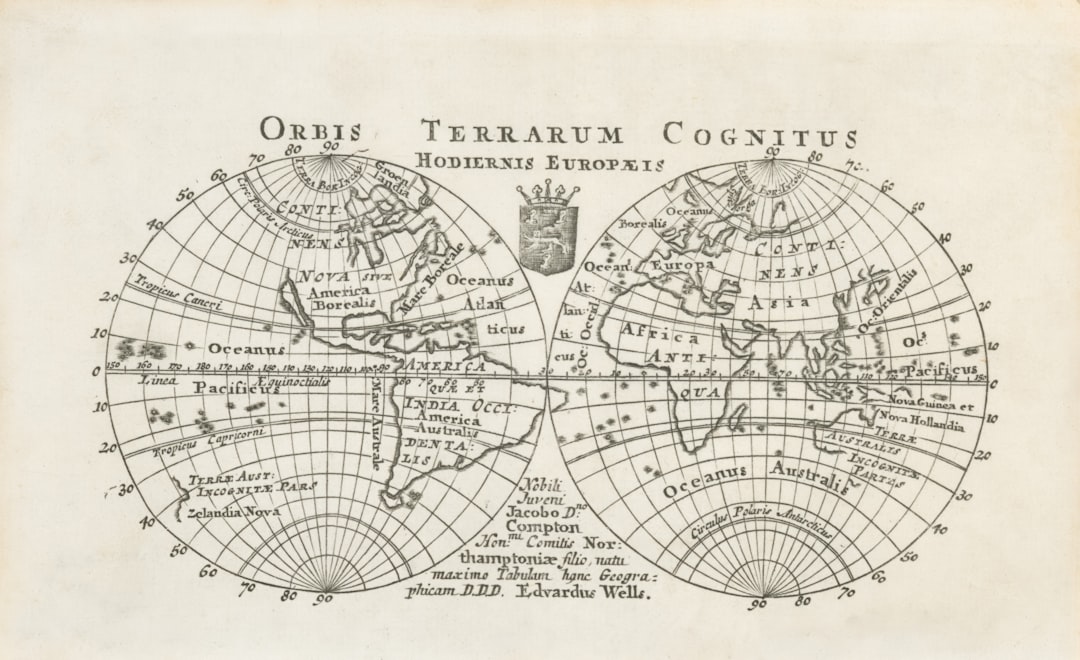
For millennia, before the advent of highways and container ships, vast interconnected webs of commerce pulsed across the ancient world. These intricate arteries of trade, stretching across continents and oceans, facilitated the movement of goods, ideas, and even diseases, shaping the destinies of civilizations. Recent archaeological discoveries are pulling back the curtain on these once-hidden networks, revealing a tapestry of human ingenuity and interconnectedness that predates many commonly held historical narratives. As we delve into the evidence unearthed, we begin to see how the echoes of these ancient exchanges resonate even today.
The story of global ancient trade networks begins not with empires and written records, but with the very earliest human movements and the recognition of valuable, portable resources. Obsidian, a volcanic glass prized for its sharp edges and used for tools and weapons, serves as a potent early indicator of these burgeoning trade routes. Its geological origins are often highly localized, meaning the presence of obsidian far from its source directly points to human agency in its transport.
The Spread of Obsidian Tool Technology
The identification of obsidian artifacts in archaeological sites thousands of kilometers from their nearest volcanic source provides irrefutable evidence of deliberate long-distance transport. These are not accidental dispersals; they are the fingerprints of early human explorers and traders. Researchers meticulously analyze the chemical composition, or geochemistry, of obsidian samples, using techniques like X-ray fluorescence (XRF) or mass spectrometry, to match artifacts found at one location to specific geological sources. This geochemical fingerprinting is akin to a forensic investigation, identifying the precise origin of the raw material. By mapping the distribution of these obsidian artifacts, archaeologists can reconstruct the earliest known trade routes, demonstrating that nascent forms of exchange were operating well within the Paleolithic and Neolithic periods.
Early Exchange Networks in the Near East and Europe
In the Near East, for instance, obsidian from sources like Çatalhöyük and Nemrut Dağ has been found widely distributed across Anatolia and extending into the Levant and Cyprus. This suggests that even before the establishment of settled agricultural communities, mobile groups were engaged in regular exchange. Similarly, in Europe, obsidian from sources such as Melos in the Aegean and Lipari in Italy played a crucial role in the spread of advanced lithic technologies. The presence of Melian obsidian in contexts as far north as the Balkans and even within Central Europe underscores the remarkable reach of these early networks. These were not just isolated instances of material movement but represented established pathways that facilitated the transmission of knowledge and technology along with the valued raw material.
The Significance of Obsidian as a Barter Commodity
Obsidian’s value stemmed from its superior flaking properties compared to flint or chert, allowing for the creation of more precise and effective tools. This inherent utility made it a desirable commodity for barter. It is reasonable to infer that these exchanges were likely reciprocal, with obsidian being traded for other essential resources or manufactured goods that were locally scarce. While direct evidence of specific barter goods from these earliest periods is scarce, the consistent pattern of obsidian distribution strongly implies a system of mutual benefit, the very bedrock of any trade network.
Recent discoveries have shed light on the extensive global ancient trade networks that connected civilizations across vast distances. An insightful article titled “City of Secrets: The Unsinkable City” explores how these trade routes facilitated not only the exchange of goods but also cultural interactions among diverse societies. The evidence presented in this article highlights the significance of maritime trade in shaping the economic and social landscapes of ancient cities. For more information, you can read the full article here: City of Secrets: The Unsinkable City.
Bronze Age Interconnections: The Dawn of Intercontinental Commerce
The advent of bronze metallurgy in the Bronze Age marked a significant leap forward in human technological and economic development. The widespread demand for copper and tin, the essential components of bronze, necessitated extensive trade networks that spanned vast distances and connected diverse cultures. This era witnessed the crystallization of more formalized trade routes and the rise of specialized trading communities.
The Quest for Copper and Tin: Essential Ingredients of Bronze
The production of bronze required a reliable supply of both copper and tin. While copper sources were relatively more widespread, tin was geographically concentrated, with major deposits found in regions such as the British Isles, the Iberian Peninsula, and parts of Central Europe and Afghanistan. This geographical disparity in resources was a primary driver of long-distance trade. Communities that possessed abundant copper but lacked tin, or vice versa, were compelled to engage in complex exchange relationships to acquire the necessary materials. This dependency forged a delicate interdependence among distant populations.
The Maritime Silk Road and Mediterranean Trade Hubs
The eastern Mediterranean became a crucial nexus for Bronze Age trade. Ports like Byblos (modern Lebanon) served as vital entrepôts, facilitating the exchange of raw materials and finished goods between the Near East, Egypt, Crete, and the mainland Aegean. Evidence from these sites, including the presence of goods from diverse origins and shipwrecks laden with cargo, attests to the intensity of maritime activity. The “shipwrecks of Uluburun” off the coast of Turkey, dating to the late 14th century BCE, is a spectacular testament to this. Its cargo, including copper ingots from Cyprus and tin ingots from further afield, along with Canaanite jars, Egyptian scarabs, and Baltic amber, paints a vivid picture of a truly intercontinental trading vessel. This shipwreck is a snapshot, a buried treasure chest revealing the vast scope of interconnectedness.
The Rise of Trading Ports and Specialized Craftsmen
The growth of these trade networks fostered the development of specialized trading ports and the emergence of professional merchants. Cities and settlements engaged in extensive trade often developed sophisticated harbors, warehouses, and administrative structures to manage the flow of goods. Furthermore, the demand for bronze and the diverse materials used in its production spurred the development of specialized crafts, from mining and smelting to metalworking and shipbuilding. The artisans in these centers were not merely local craftsmen; they were part of a broader economic ecosystem.
The Role of Written Records and Administration
While direct written records from early Bronze Age traders are scarce, later cuneiform texts from Mesopotamia and Egypt provide tantalizing glimpses into the administrative and economic aspects of trade. These documents detail trade agreements, accounts of goods, and even letters between rulers and merchants, illustrating the growing complexity of commercial dealings. The presence of standardized weights and measures in various regions also suggests a conscious effort to facilitate fair exchange and reduce transactional friction.
The Spice Routes and the Global Reach of Luxury Goods
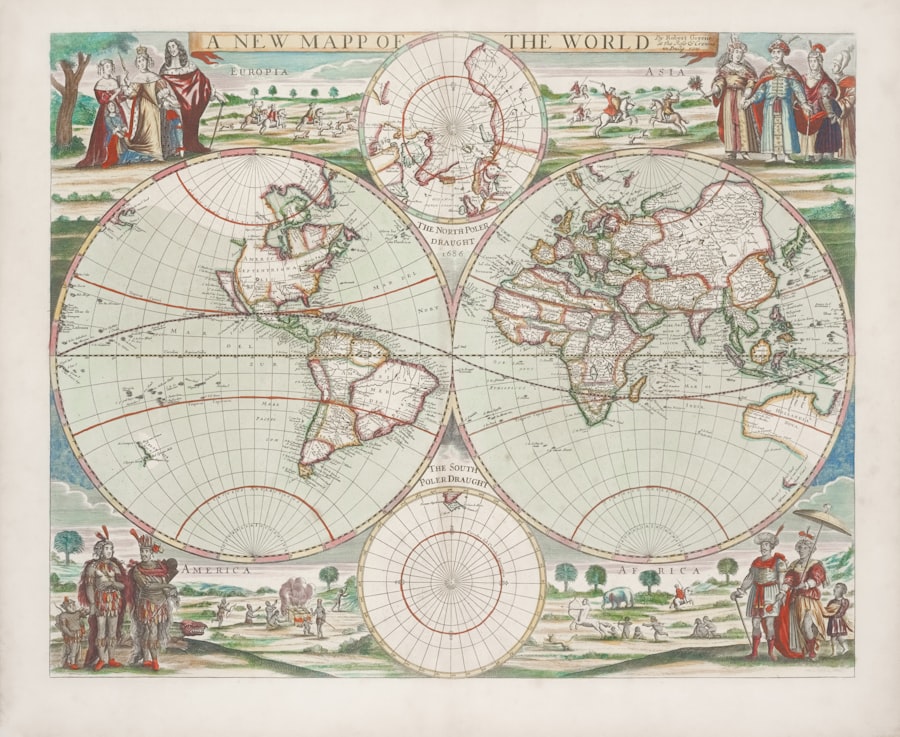
As civilizations flourished, the demand for luxury goods, often possessing unique properties or originating from distant and exotic lands, fueled the expansion and diversification of ancient trade networks. The Spice Routes, a term that evokes images of camel caravans laden with precious commodities, represent a seminal example of this phenomenon, demonstrating the profound impact of desirable commodities on global connectivity.
The Allure of Spices: From Medicine to Cuisine
Spices such as frankincense, myrrh, cinnamon, and pepper were highly prized in the ancient world for their medicinal, culinary, and religious uses. Their rarity and the arduous journeys required to transport them from their places of origin – primarily the Arabian Peninsula, India, and Southeast Asia – made them incredibly valuable commodities. The scent of these spices, wafting across ancient marketplaces, was the perfume of wealth and power. For example, frankincense and myrrh, resinous gums from trees grown in Southern Arabia, were essential components of religious rituals and embalming practices across the Mediterranean and Mesopotamian worlds.
The Role of Camel Caravans and Desert Oases
The overland transport of spices largely relied on camel caravans, which were adept at traversing arid and challenging terrains. The development of sophisticated desert trade routes, punctuated by strategically located oasis towns, facilitated the sustenance and movement of these caravans. These oases were not just watering holes; they were vital hubs of commerce, where goods were exchanged, and travelers rested before embarking on the next leg of their journeys. The whisper of the breeze through the palms of a desert oasis often carried the murmur of diverse languages and the clinking of coins.
The Discovery of Incense Trade Routes: Archaeological Evidence
Archaeological discoveries in desert regions have unearthed evidence of these ancient routes, including ancient campsites, discarded pottery, and even camel skeletons. Excavations at sites like Iram of the Pillars (Ubar), a legendary lost city in Oman, have provided tangible proof of the wealth generated by the incense trade, revealing fortifications and structures indicative of a major trading center. The presence of specific types of pottery or imported goods at these sites can also help trace the flow of commodities.
The Interplay of Overland and Maritime Spice Trade
It is important to note that the spice trade was not solely an overland phenomenon. Maritime routes played an equally, if not more, significant role, especially in connecting Southeast Asia and India with the broader Eurasian trade system. Ships traversing the Indian Ocean and the Red Sea transported spices to ports in Egypt, the Levant, and the Persian Gulf, from where they would then be distributed further inland. This seamless integration of sea and land routes created a truly global network for these coveted commodities.
The Roman Empire and the Pax Romana: A Foundation for Trade

The Roman Empire, with its vast territorial expanse and its prolonged period of relative peace and stability – the Pax Romana – created an unprecedented environment conducive to trade and economic integration. The Romans were not only military conquerors but also adept administrators and engineers, whose infrastructure projects and legal frameworks facilitated the efficient movement of goods and fostered a unified economic space. Their empire acted as a colossal bellows, fanning the flames of commerce.
Roman Infrastructure: Roads, Ports, and Aqueducts
The Romans were prodigious builders of infrastructure. Their extensive network of well-maintained roads, stretching from Britain to North Africa and from Spain to the East, served as vital arteries for the movement of troops, administrators, and, crucially, merchants and their goods. Similarly, Roman advancements in harbor construction and canal building opened up new maritime trade routes and improved the efficiency of existing ones. Even aqueducts, seemingly purely for domestic water supply, indirectly supported urban centers that were centers of consumption and trade.
The Mediterranean as a Roman Lake: Maritime Trade Dominance
Under Roman rule, the Mediterranean Sea transformed into what is often referred to as a Mare Nostrum – “Our Sea.” Roman naval dominance ensured the safety of maritime trade routes, suppressing piracy and facilitating the regular flow of goods across the Mediterranean. Grain from Egypt, wine from Italy and Gaul, olive oil from Spain, and raw materials from across the provinces were transported in vast quantities, feeding the empire’s growing population and fueling its economy. The rhythmic lapping of waves against Roman galleys was the heartbeat of this maritime dominion.
The Romanization of Economies and the Spread of Roman Coinage
The expansion of Roman influence led to the gradual Romanization of economies throughout the empire. Roman coinage, standardized and widely accepted, became the dominant medium of exchange, simplifying transactions and fostering a sense of economic unity. The presence of Roman coins in far-flung regions, even beyond the empire’s formal borders, attests to the reach of Roman economic power and the trust placed in its currency. The gleam of a Roman denarius, unearthed in a distant land, tells a story of economic reach.
The Impact of Roman Law and Administration on Trade
Roman law and administrative structures also played a crucial role in fostering trade. The development of legal precedents for contracts, property rights, and commercial disputes provided a framework of predictability and security for merchants. The efficiency of Roman bureaucracy, while sometimes cumbersome, also helped to regulate trade and collect taxes, contributing to the overall stability of the economic system. This legal scaffolding, though often unseen, was as vital as the cobblestones of their roads.
Recent discoveries have shed light on the extensive trade networks that existed in ancient times, revealing how civilizations connected through commerce and cultural exchange. Evidence of these networks can be seen in various archaeological sites, where artifacts from distant lands have been unearthed, indicating a complex web of trade routes. For a deeper understanding of how these ancient connections influenced societies, you can explore a related article that delves into the fascinating remnants of past civilizations and their interactions. Check out this insightful piece on ancient city ruins and their significance in trade history at ancient city ruins.
Beyond the Empire: Connecting the Post-Roman World
| Artifact | Origin | Discovery Location | Estimated Age | Significance |
|---|---|---|---|---|
| Mesopotamian Cylinder Seals | Mesopotamia | Indus Valley (Harappa) | c. 2500 BCE | Indicates trade and cultural exchange between Mesopotamia and Indus Valley civilizations |
| Roman Glass Beads | Roman Empire | South India | 1st century CE | Evidence of Roman trade with South Asia |
| Chinese Silk | China | Egypt (Nile Valley) | c. 1000 BCE | Proof of early Silk Road trade routes |
| Olmec Jade Artifacts | Mesoamerica | Guatemala | c. 1200 BCE | Shows long-distance trade within the Americas |
| Lapita Pottery | South Pacific | Fiji, Tonga, Samoa | c. 1500 BCE | Indicates early oceanic trade and migration networks |
| Amber Beads | Baltic Region | Mycenaean Greece | c. 1600 BCE | Evidence of trade between Northern Europe and the Mediterranean |
While the Roman Empire eventually fragmented, its legacy of interconnectedness did not disappear. The sophisticated trade networks established during the Roman period served as a foundation for subsequent exchanges, with new powers and cultures emerging to fill the vacuum and continue the flow of goods and ideas across continents. The threads of ancient commerce, though sometimes frayed, were never truly broken.
The Byzantine Empire and the Continuation of Eastern Trade
The Eastern Roman Empire, or the Byzantine Empire, continued to be a major player in global trade for centuries after the fall of the Western Roman Empire. Constantinople, strategically located at the crossroads of Europe and Asia, remained a vital center for trade, connecting the Mediterranean world with the Silk Road and routes leading to India and beyond. The Byzantines were masters of silk production and trade, controlling a significant portion of this lucrative market.
The Rise of Islamic Trade Networks and the Silk Road Revival
The emergence of the Islamic Caliphates in the 7th and 8th centuries CE led to the establishment of vast and dynamic Islamic trade networks that spanned from the Iberian Peninsula to Central Asia and India. Islamic merchants played a crucial role in revitalizing and expanding the Silk Road, facilitating the exchange of goods such as silk, spices, paper, and gunpowder. The intellectual and scientific advancements that accompanied these trade routes, including the transmission of knowledge from East to West, were equally significant. The vibrant caravans of the Silk Road, carrying not just silk but also science and philosophy, were a testament to this era.
The Viking Age and the Expansion of Northern European Trade
In Northern Europe, the Viking Age (roughly 8th to 11th centuries CE) witnessed the expansion of maritime trade networks that connected Scandinavia with the British Isles, continental Europe, and even reaching as far as the Byzantine Empire and the Abbasid Caliphate via river systems. Viking traders exchanged furs, amber, walrus ivory, and slaves for silver, silks, and other luxury goods, demonstrating the remarkable reach of these previously peripheral regions into the global economic system.
The Medieval Crusades and their Economic Impact
The medieval Crusades, initially religious wars, also inadvertently spurred trade and cultural exchange. The increased contact between Western European Crusaders and the Byzantine and Islamic worlds led to the introduction of new goods, technologies, and ideas into Europe. Italian city-states like Venice, Genoa, and Pisa flourished as maritime powers, profiting from the transport of goods and soldiers during the Crusades and thereafter, further solidifying connections between the Mediterranean and the East. The desire for Eastern goods, ignited by the Crusades, became a persistent ember in the European economy.
In conclusion, the evidence unearthed by archaeologists and historians paints a compelling picture of ancient global trade networks, not as isolated incidents of exchange, but as a continuous, evolving tapestry of human interaction. From the earliest obsidian roads to the sophisticated maritime routes of the Bronze Age, and the continent-spanning networks of the Roman and post-Roman eras, these ancient arteries of commerce demonstrate a profound and enduring human drive for connection, prosperity, and the acquisition of the exotic and the essential. The whispers of these ancient exchanges continue to echo in our modern globalized world.
FAQs
What is meant by global ancient trade networks?
Global ancient trade networks refer to the interconnected systems of trade and exchange that existed between different civilizations and regions around the world in ancient times. These networks facilitated the movement of goods, ideas, technologies, and cultural practices across vast distances.
What types of evidence support the existence of ancient global trade networks?
Evidence includes archaeological findings such as foreign artifacts found far from their place of origin, ancient shipwrecks containing traded goods, written records like trade documents and merchant accounts, and scientific analyses such as isotope studies that trace the origins of materials.
Which ancient civilizations were involved in global trade networks?
Many ancient civilizations participated in global trade, including Mesopotamia, Ancient Egypt, the Indus Valley, Ancient China, the Roman Empire, and various cultures in Africa and the Americas. These societies exchanged goods like spices, metals, textiles, and precious stones.
How did ancient trade networks impact cultural exchange?
Trade networks facilitated the spread of ideas, technologies, religious beliefs, and artistic styles between distant cultures. This exchange contributed to advancements in science, agriculture, language, and social organization across different regions.
What are some notable examples of goods traded in ancient global networks?
Notable traded goods included silk from China, spices from India and Southeast Asia, gold and ivory from Africa, lapis lazuli from Afghanistan, and amber from the Baltic region. These items often held high value and were sought after by various ancient societies.