The global shipping industry, a colossal network of vessels, ports, and logistical infrastructure, serves as the lifeblood of international trade. While its operations often appear transparent, a deeper examination reveals a complex web of control mechanisms, both explicit and implicit, that shape its present and future. This article delves into the “Global Shipping Control: Unveiling the Secret Plan” – not a conspiracy theory, but a scrutinization of the influential forces and strategic maneuvers that govern this indispensable sector.
To understand the current landscape of global shipping control, one must first appreciate its historical trajectory. The industry has evolved significantly from the rudimentary trade routes of antiquity, with each era leaving an indelible mark on its governance.
Early Maritime Dominance
- Phoenician and Greek Influence: The earliest forms of control were localized, with dominant seafaring nations establishing maritime empires. Their control was exercised through naval power and the establishment of trading posts, dictating terms of trade and access to resources.
- The Mercantile Era: The rise of European colonial powers brought about a more structured, albeit often exploitative, form of control. National flags became symbols of economic and political might, with shipping routes and commodities fiercely contested. This era saw the emergence of navigational charts, standardized shipping practices, and the development of rudimentary international maritime law.
The Industrial Revolution’s Impact
- Technological Advancement: The advent of steamships and later, diesel engines, revolutionized cargo capacity and speed. This technological leap facilitated greater trade volumes and extended the reach of shipping lines, creating an impetus for broader regulatory frameworks.
- Formation of Shipping Conferences: To manage fierce competition and stabilize freight rates, shipping companies began forming “conferences.” These cartels, though often controversial, exerted significant influence over routes, pricing, and market entry, representing an early form of private sector control over the industry.
In recent discussions about the future of global shipping, a related article titled “Global Shipping Control: The Secret Plan Unveiled” sheds light on the intricate strategies being developed to manage international trade routes more effectively. This article explores the implications of these plans on global commerce and environmental sustainability. For more insights, you can read the full article here: Global Shipping Control: The Secret Plan Unveiled.
The Pillars of Modern Control: Regulatory Frameworks and International Governance
The contemporary global shipping industry operates within a sophisticated, multi-layered framework of regulations and international agreements. This structure, far from being accidental, is the result of decades of negotiation, adaptation, and ongoing refinement.
Intergovernmental Organizations (IGOs)
- The International Maritime Organization (IMO): As the United Nations specialized agency responsible for the safety and security of shipping and the prevention of marine pollution by ships, the IMO is perhaps the most significant pillar of global shipping control. Its conventions and protocols serve as the bedrock of international maritime law.
- Safety of Life at Sea (SOLAS) Convention: This fundamental treaty sets minimum safety standards in the construction, equipment, and operation of merchant ships. Its provisions range from fire safety to navigational equipment, directly impacting ship design and operational procedures.
- Prevention of Pollution from Ships (MARPOL) Convention: Addressing environmental concerns, MARPOL regulates various forms of ship-generated pollution, including oil, noxious liquid substances, sewage, and garbage. Compliance with MARPOL is critical for shipowners and operators, influencing vessel design and waste management practices.
- Standards of Training, Certification and Watchkeeping for Seafarers (STCW) Convention: This convention establishes minimum qualification standards for masters, officers, and watch personnel on seagoing merchant ships. It ensures a consistent level of competency among seafarers globally, directly impacting the human element of shipping control.
- The World Trade Organization (WTO): While not exclusively focused on shipping, the WTO’s agreements on trade in services and goods indirectly shape the shipping landscape. Its principles of non-discrimination and market access influence port policies, customs procedures, and the overall ease of international trade.
National and Regional Regulations
- Flag State Control: Each ship is registered under the flag of a particular country (the flag state), which bears primary responsibility for enforcing international maritime regulations. This decentralized system, while promoting national sovereignty, can also lead to variations in enforcement effectiveness.
- Port State Control (PSC): To ensure compliance, port authorities in foreign countries (port states) inspect visiting vessels. These inspections act as a crucial safety net, identifying and rectifying deficiencies that may have been overlooked by the flag state. PSC regimes, such as the Paris MoU (Memorandum of Understanding) and the Tokyo MoU, standardize these inspection processes.
- Economic Regulations: Beyond safety and environmental concerns, national and regional bodies also implement economic regulations. These include anti-trust laws to prevent monopolies, subsidies for national shipping lines, and port development strategies, all of which contribute to the competitive dynamics and overall structure of the industry.
The Invisible Hands: Economic Power and Strategic Alliances
Beneath the explicit regulatory surface, a powerful undercurrent of economic forces and strategic collaborations exerts profound control over the global shipping narrative. This “secret plan” is less about clandestine meetings and more about the natural accumulation of power within a highly capital-intensive industry.
The Rise of Mega-Carriers and Alliances
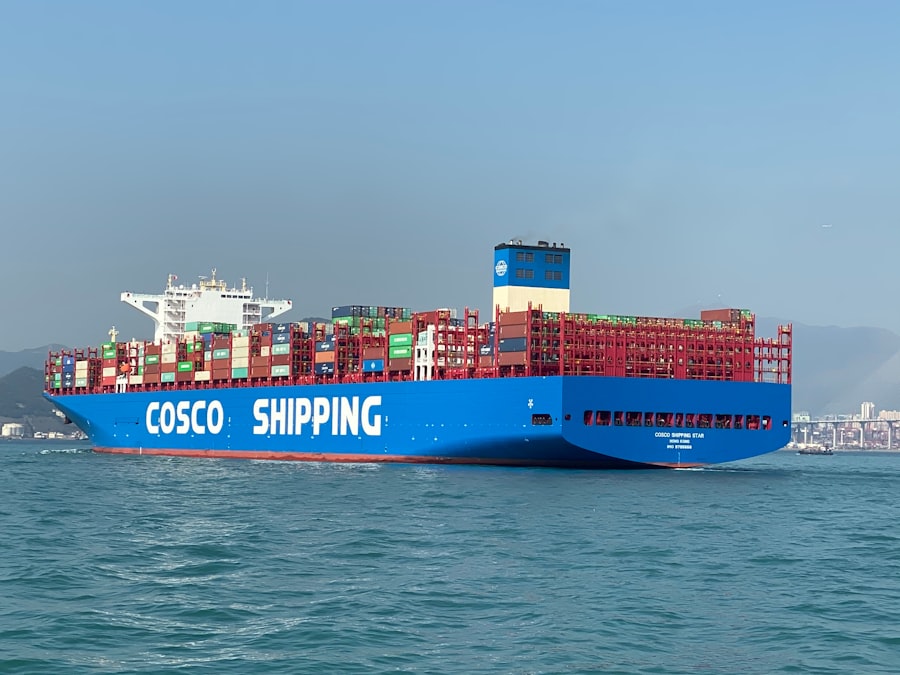
- Consolidation and Market Dominance: The shipping industry has witnessed significant consolidation over the past two decades. A relatively small number of mega-carriers now control a substantial share of the global container shipping market. This concentration of power allows them to influence freight rates, service frequencies, and even port development decisions.
- Strategic Alliances (The “Vessel Sharing Agreements”): To optimize vessel utilization and reduce operational costs, major shipping lines have formed strategic alliances (e.g., 2M, Ocean Alliance, THE Alliance). These alliances, while promoting efficiency, can also lead to reduced competition on certain routes, effectively controlling capacity and pricing in key trade lanes. Consider these alliances as the nervous system of global containerized trade, coordinating the flow of goods with precision.
- Vertical Integration: Some shipping lines have expanded their operations beyond vessel ownership to include terminals, logistics providers, and even inland transportation. This vertical integration allows them to control more links in the supply chain, enhancing their overall market leverage and creating comprehensive end-to-end solutions for their clients.
Financial Influence and Investment
- Private Equity and Institutional Investors: The substantial capital required to build and operate modern fleets has attracted significant investment from private equity firms, pension funds, and other institutional investors. These financial actors, driven by returns, can influence corporate strategies, mergers, and acquisitions, thereby shaping the industry’s competitive landscape.
- Shipbuilding Industry Concentration: The global shipbuilding industry is increasingly concentrated in a few East Asian nations. This concentration gives these nations considerable influence over the pace of technological innovation, the availability of new tonnage, and the overall cost structure of acquiring new vessels – a crucial lever in controlling future capacity.
The Geopolitical Chessboard: Navigational Chokepoints and National Security
Global shipping is inextricably linked to geopolitics, serving as both a facilitator of international relations and a potential flashpoint for conflict. The control of strategic maritime routes and the consideration of national security interests are integral to the broader “secret plan.”
Strategic Maritime Chokepoints
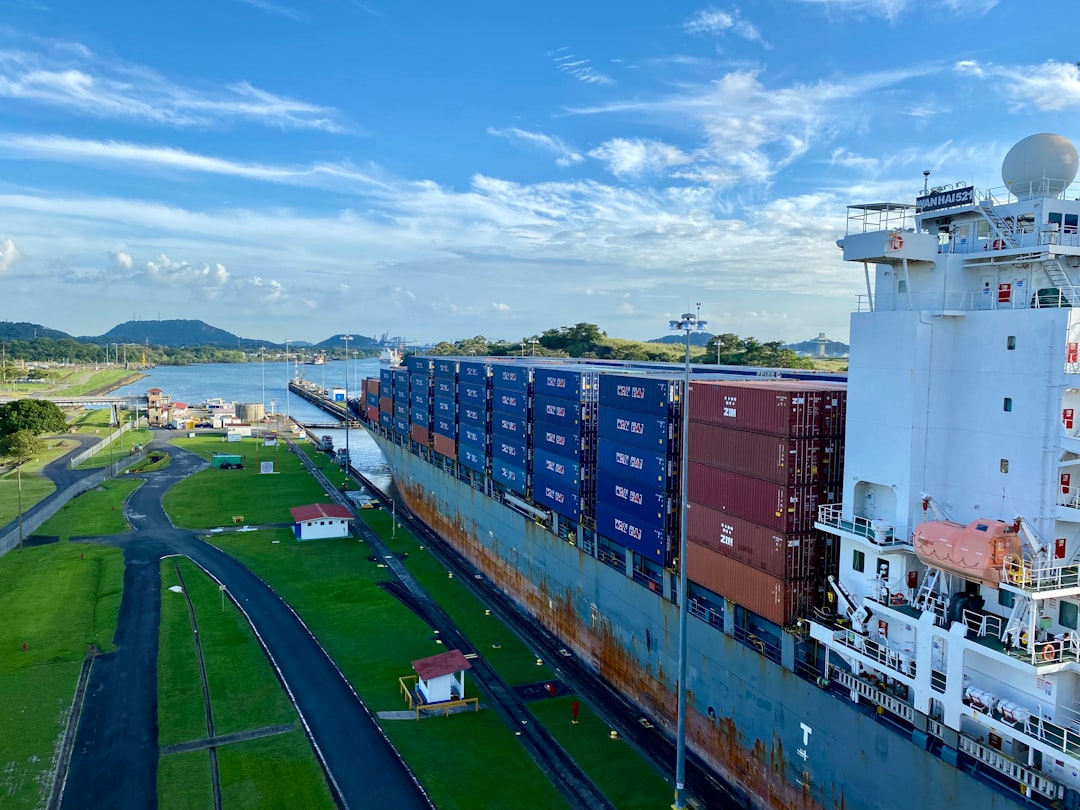
- Straits and Canals: Key maritime chokepoints – such as the Suez Canal, the Panama Canal, the Strait of Hormuz, and the Strait of Malacca – are critical arteries for global trade. Control over or influence in these narrow passages grants immense geopolitical leverage. Disruptions in these areas, whether due to conflict, piracy, or natural disaster, can have cascading effects on global supply chains, illustrating their vulnerability and strategic importance. Imagine these chokepoints as the narrow gates of a grand stadium; a blockage at any one can prevent the flow of thousands.
- Naval Power Projection: Major naval powers maintain a significant presence in crucial shipping lanes, not only to protect their national interests but also to ensure the free flow of international commerce. This naval presence acts as a deterrent against piracy and other threats, but also represents a form of coercive control, subtly influencing regional dynamics.
National Security and Economic Resilience
- Energy Security: The vast majority of global energy supplies (oil and gas) are transported by sea. Nations reliant on these imports consider the security of their shipping lanes paramount, leading to significant investments in naval capabilities and international cooperation to safeguard these routes.
- Supply Chain Resilience: Recent disruptions, such as the COVID-19 pandemic and the Suez Canal blockage, have highlighted the fragility of global supply chains. Governments are increasingly prioritizing supply chain resilience, leading to policies that may influence shipping routes, port development, and the diversification of sourcing, thereby exerting a different kind of control over trade flows.
- Cybersecurity Threats: The increasing reliance on digital systems for navigation, logistics, and port operations has introduced new vulnerabilities. Cyberattacks on shipping companies or port infrastructure could paralyze trade, making cybersecurity a burgeoning area of national security concern and a new frontier for control and defense.
Recent discussions surrounding global shipping control have unveiled a secret plan that could significantly alter international trade dynamics. This plan, which aims to streamline shipping regulations and enhance security measures, has raised concerns among various stakeholders. For a deeper understanding of the implications of these changes, you can explore a related article that delves into the intricacies of this initiative. The article provides insights into how these developments may affect global commerce and the potential challenges that lie ahead. To read more about this topic, visit this insightful article.
The Future of Control: Technology, Sustainability, and New Frontiers
| Metric | Description | Value | Unit | Notes |
|---|---|---|---|---|
| Global Shipping Volume | Total number of containers shipped worldwide | 800 | Million TEUs | Annual estimate |
| Control Nodes | Number of strategic ports under control | 15 | Ports | Key global hubs |
| Surveillance Coverage | Percentage of global shipping lanes monitored | 85 | % | Includes satellite and radar systems |
| Communication Intercepts | Number of intercepted communications monthly | 120,000 | Messages | Encrypted and unencrypted |
| Security Personnel | Number of operatives involved in plan | 5,000 | People | Global deployment |
| Response Time | Average time to respond to shipping incidents | 30 | Minutes | From detection to action |
| Budget Allocation | Annual budget for control operations | 1.2 | Billion USD | Includes technology and personnel |
The “secret plan” of global shipping control is not static; it is continually evolving in response to technological advancements, pressing societal demands, and emerging global challenges.
Technological Disruption and Digitalization
- Autonomous Shipping: The development of autonomous vessels promises to revolutionize shipping operations, potentially reducing crew costs and increasing efficiency. However, it also raises complex questions regarding liability, cybersecurity, and the role of human oversight, necessitating new regulatory frameworks and forms of control.
- Blockchain and IoT: Technologies like blockchain can enhance transparency and traceability within the supply chain, potentially empowering shippers and consumers with more information and control. The Internet of Things (IoT) can provide real-time data on cargo and vessel performance, leading to more optimized and controlled logistics.
- Data Analytics and AI: The vast amounts of data generated by the shipping industry are being harnessed by artificial intelligence (AI) and data analytics to optimize routes, predict maintenance needs, and manage logistics more efficiently. This data-driven approach represents a sophisticated form of control, allowing for proactive decision-making and resource allocation.
The Green Transition and Environmental Control
- Decarbonization Targets: The shipping industry faces immense pressure to decarbonize, with international targets set by the IMO and increasingly stringent regional regulations. This drive towards sustainability will necessitate significant investments in alternative fuels, propulsion technologies, and operational efficiencies, fundamentally reshaping the industry and introducing new layers of environmental control.
- Emission Control Areas (ECAs): Designated ECAs impose stricter limits on air emissions from ships, pushing technological innovation and influencing vessel design and fuel choices. These areas represent localized, yet impactful, forms of environmental control.
- Circular Economy Principles: The adoption of circular economy principles in shipbuilding and ship recycling, aiming to minimize waste and maximize resource utilization, will introduce new standards and regulations, guiding the industry towards more sustainable practices.
The Human Element and Labor Control
- Seafarer Welfare and Training: As shipping becomes more technologically advanced, the demand for highly skilled and digitally literate seafarers will increase. Ensuring adequate training, fair labor practices, and competitive wages for seafarers remains a crucial aspect of responsible industry governance and control.
- Automation’s Impact on Workforce: The increasing automation of port operations and potential for autonomous vessels raise concerns about job displacement and the need for workforce retraining and adaptation. Managing this transition effectively will be a significant challenge for industry stakeholders and regulators.
In conclusion, reader, the “Global Shipping Control: Unveiling the Secret Plan” is not a singular, clandestine blueprint. Instead, it is a multifaceted tapestry woven from historical precedents, explicit regulatory frameworks, the inexorable forces of economic power, geopolitical imperatives, and the transformative potential of future technologies. It represents the perpetual balancing act between national interests and international cooperation, economic efficiency and environmental stewardship, and technological advancement and human welfare. Understanding these intricate layers of control is paramount for anyone seeking to comprehend the true dynamics of international trade and the unseen forces that keep the global economy afloat.
FAQs
What is the global shipping control secret plan?
The global shipping control secret plan refers to a coordinated strategy or set of measures implemented by international authorities or organizations to regulate and oversee global maritime shipping activities. Its goal is to enhance security, efficiency, and environmental compliance in the shipping industry.
Who is responsible for implementing the global shipping control secret plan?
Implementation typically involves collaboration between international bodies such as the International Maritime Organization (IMO), national maritime authorities, port authorities, and shipping companies. These entities work together to enforce regulations and monitor shipping operations worldwide.
What are the main objectives of the global shipping control secret plan?
The primary objectives include improving maritime security, preventing illegal activities such as smuggling and piracy, reducing environmental impact through emission controls, ensuring safe navigation, and enhancing the overall efficiency of global shipping logistics.
How does the global shipping control secret plan affect international trade?
By standardizing regulations and improving security measures, the plan aims to facilitate smoother and safer international trade. It helps reduce delays caused by security checks and environmental compliance, thereby promoting more reliable and sustainable shipping routes.
Is the global shipping control secret plan publicly available or confidential?
While some aspects of the plan may be confidential to protect security measures, most regulations and guidelines are publicly available through international maritime organizations. Transparency is maintained to ensure compliance and cooperation among global shipping stakeholders.