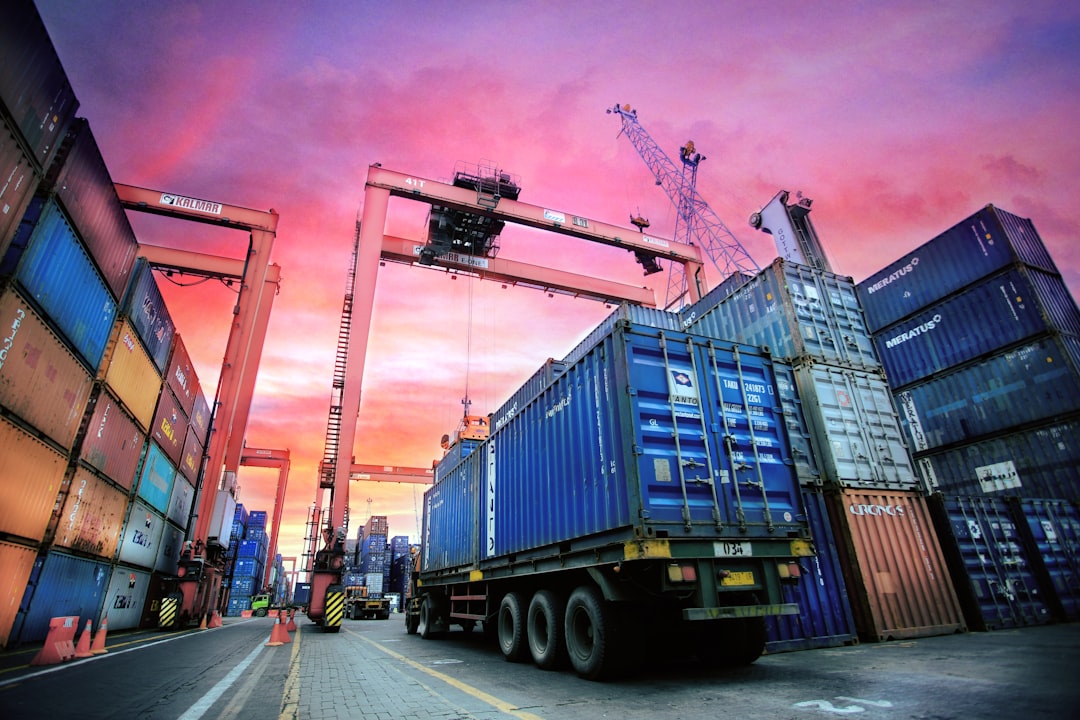
The global supply chain, once a well-oiled machine humming with predictable efficiency, has undergone a profound and often tumultuous realignment in recent years. Geopolitical shifts, technological advancements, and unforeseen disruptions have collectively forced a reevaluation of previously established norms. This article will explore the multifaceted nature of this realignment, dissecting the challenges and examining the strategies being employed to navigate this evolving landscape.
The era of “just-in-time” and hyper-optimized global sourcing, while offering significant cost advantages, has revealed inherent fragilities. The interconnectedness that once fostered efficiency now also amplifies vulnerabilities. Understanding this foundational shift is the first step in grasping the current realignment. The recent report highlights the impact of [Germany factory closures] on the European economy.
The Retreat from Hyper-Globalization
For decades, the prevailing logic dictated a relentless pursuit of the cheapest production locations, often irrespective of geographical distance or political risk. This resulted in sprawling supply chains that spanned continents, creating complex logistical webs. However, the very factors that enabled this model – access to labor, lower regulatory burdens – are now subject to change. Increased nationalism, trade protectionism, and a growing awareness of the environmental cost of long-distance transportation are all contributing to a reassessment of this approach.
Nearshoring and Reshoring as Strategic Pillars
In response to the risks identified in hyper-globalized models, businesses are increasingly exploring nearshoring and reshoring. Nearshoring involves relocating production closer to the end market, often to neighboring countries, while reshoring brings manufacturing back to the company’s home country. These strategies aim to reduce transit times, enhance responsiveness, and mitigate geopolitical risks. The allure of lower labor costs in distant lands is now being weighed against the costs and risks associated with extended supply lines.
The Diversification Imperative: Beyond a Single Basket
A critical lesson learned from recent disruptions is the danger of placing all eggs in a single supply chain basket. Over-reliance on a single country or region for critical components has proven to be a significant vulnerability. This has spurred a widespread effort to diversify sourcing, identifying alternative suppliers and production facilities in different geographical locations. This diversification is not merely about spreading risk; it is about building resilience into the very fabric of the supply chain.
As companies navigate the complexities of global supply chain realignment, it is essential to stay informed about the latest trends and strategies. A related article that provides valuable insights on this topic can be found at this link. This resource discusses the challenges and opportunities presented by the shifting landscape of global trade, offering practical solutions for businesses looking to optimize their supply chains in a rapidly changing environment.
Geopolitical Tectonic Plates and Their Impact
The international landscape is no longer static. Shifting political alliances, trade disputes, and the rise of new global powers are directly influencing supply chain configurations. These geopolitical forces act like tectonic plates, causing tremors that necessitate strategic adjustments.
The US-China Trade Relationship: A Case Study in Disruption
The trade tensions between the United States and China, characterized by tariffs and export controls, have been a significant catalyst for supply chain realignment. Many companies, previously heavily reliant on Chinese manufacturing, have been compelled to seek alternative production sites. This has fueled the growth of manufacturing in countries like Vietnam, Mexico, and India, among others. The ripple effect of this trade dynamic extends far beyond the direct participants, shaping global production networks.
The War in Ukraine: A Scar on the Global Flow of Goods
The conflict in Ukraine has underscored the interconnectedness of the global economy and the vulnerability of supply chains to large-scale geopolitical events. Disruption to energy supplies, grain exports, and shipping routes has had a profound impact on numerous industries. The war has highlighted the need for greater transparency and contingency planning for unforeseen crises that can cripple the flow of essential goods.
The Rise of Economic Blocs and Regionalization
The formation and strengthening of regional economic blocs are also influencing supply chain dynamics. These blocs, driven by shared economic interests and geopolitical considerations, can create preferential trading environments that encourage the development of regional supply chains. Companies are increasingly assessing their operations within the context of these emerging economic geographies.
Technological Advancements: Architects of Change
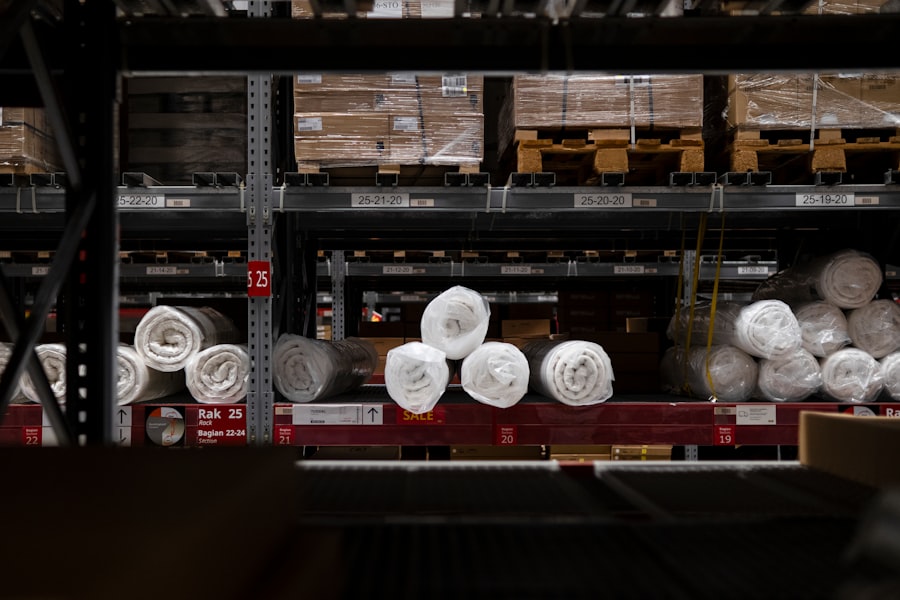
Technology is not merely a tool within the supply chain; it is a fundamental architect of its current realignment. Innovations in data analytics, automation, and artificial intelligence are enabling new levels of visibility, efficiency, and adaptability.
Digitalization and the Connected Supply Chain
The digital transformation of supply chains is paramount. Cloud-based platforms, the Internet of Things (IoT), and advanced analytics are providing unprecedented visibility into inventory levels, production status, and transportation movements. This real-time data allows for more agile decision-making and proactive problem-solving. The ability to see, understand, and react to events across the entire supply chain is a game-changer.
Artificial Intelligence and Machine Learning: Predictive Powerhouses
AI and machine learning are revolutionizing supply chain management. These technologies enable predictive analytics, allowing businesses to forecast demand more accurately, identify potential disruptions before they occur, and optimize inventory levels. From route optimization to supplier risk assessment, AI is becoming an indispensable tool for navigating complexity. The human eye, however keen, cannot process the sheer volume of data that AI can leverage.
Automation and Robotics: Enhancing Efficiency and Resilience
Automation, particularly in warehousing and logistics, is increasing efficiency and reducing reliance on manual labor in certain areas. This not only drives down costs but can also enhance resilience by ensuring operational continuity even during labor shortages or other human-centric disruptions. The integration of robotics is transforming the physical aspects of the supply chain, from picking and packing to autonomous transport.
The Imperative of Resilience and Agility
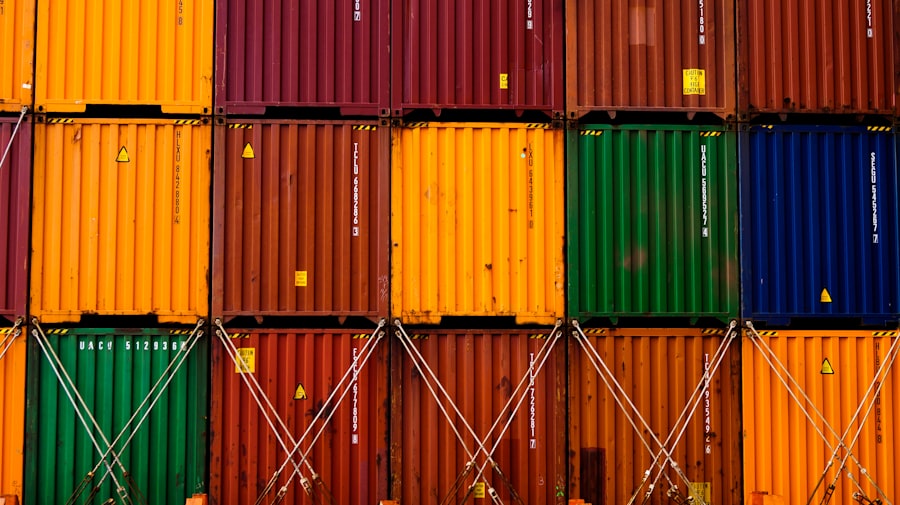
In this new era, resilience and agility have transcended buzzwords to become essential survival strategies. The ability to withstand shocks and adapt quickly to changing circumstances is now a primary driver of supply chain design.
Building Redundancy: A Buffer Against Disruption
A key aspect of building resilience is incorporating redundancy into supply chain networks. This can involve having multiple suppliers for critical components, maintaining safety stock of essential materials, or having alternative transportation routes available. While redundancy can introduce additional costs, it is increasingly viewed as an insurance policy against catastrophic disruptions.
Agile Manufacturing and Flexible Production Models
Agile manufacturing and flexible production models are crucial for adapting to volatile demand and unforeseen events. Companies are moving away from rigid, mass-production lines towards more modular and adaptable systems that can quickly reconfigure to produce different products or volumes. This allows businesses to pivot rapidly in response to market shifts or supply chain disruptions.
Enhanced Risk Management and Scenario Planning
Proactive risk management is no longer a peripheral activity; it is central to supply chain strategy. This involves identifying potential risks across the entire value chain, assessing their likelihood and impact, and developing comprehensive mitigation plans. Scenario planning, which involves simulating various disruptive events and evaluating potential responses, is becoming a standard practice. This is akin to a ship’s captain regularly reviewing their charts and escape routes, even when the seas are calm.
In recent discussions about global supply chain realignment, many experts have pointed to the need for businesses to adapt to changing market dynamics. A related article highlights various strategies companies can employ to enhance their resilience and efficiency in the face of disruptions. For more insights on this topic, you can read the article at Real Lore and Order, which offers valuable perspectives on navigating the complexities of modern supply chains.
The Future of Supply Chains: A Continual Evolution
| Metric | Description | 2022 | 2023 | 2024 (Projected) |
|---|---|---|---|---|
| Average Lead Time (days) | Time taken from order to delivery in global supply chains | 45 | 38 | 32 |
| Supply Chain Disruption Index | Measure of frequency and severity of disruptions (scale 0-100) | 75 | 60 | 45 |
| Percentage of Nearshoring | Share of companies relocating production closer to end markets | 15% | 25% | 35% |
| Inventory Turnover Ratio | Number of times inventory is sold and replaced annually | 5.2 | 6.0 | 6.8 |
| Investment in Supply Chain Technology (billion units) | Capital allocated to digitalization and automation | 12 | 18 | 25 |
| Carbon Emissions Reduction (%) | Decrease in emissions due to supply chain realignment | 5% | 12% | 20% |
The realignment of global supply chains is not a singular event but an ongoing process. The forces driving this change are dynamic and will continue to shape how goods are produced, transported, and consumed.
Sustainability as a Core Value
Environmental, social, and governance (ESG) considerations are increasingly becoming integral to supply chain design. Consumers and regulators are demanding greater transparency and accountability regarding the environmental footprint and ethical sourcing of products. This is leading to a greater emphasis on sustainable logistics, responsible material sourcing, and circular economy principles. The long-term viability of any supply chain will be increasingly tied to its sustainability.
Collaboration and Ecosystem Thinking
The future of supply chains will likely involve greater collaboration among diverse stakeholders, including suppliers, manufacturers, distributors, and even competitors. Ecosystem thinking, where companies view their supply chains as part of a broader network of interconnected businesses, will foster innovation and shared problem-solving. Trust and information sharing will be critical currencies in this collaborative future.
The Human Element: Skills and Talent Development
While technology is transforming supply chains, the human element remains critical. There is a growing demand for skilled professionals who can manage complex digital systems, interpret data, and make strategic decisions in a rapidly changing environment. Investing in talent development and upskilling the workforce is therefore essential for navigating the challenges and opportunities of the evolving supply chain landscape.
In conclusion, the global supply chain realignment is a complex and multifaceted phenomenon driven by geopolitical shifts, technological advancements, and a growing imperative for resilience and agility. Businesses that embrace innovation, prioritize adaptability, and foster strong collaborative relationships are best positioned to thrive in this dynamic new era. The journey of realignment is ongoing, demanding constant vigilance and strategic foresight.
WATCH THIS 🔴 SHOCKING: Why Germany’s Factory Exodus Is Permanent (Not Temporary)
FAQs
What is global supply chain realignment?
Global supply chain realignment refers to the process of restructuring and adjusting the networks and strategies involved in sourcing, manufacturing, and distributing goods worldwide. This is done to improve efficiency, reduce risks, and adapt to changing economic, political, or environmental conditions.
Why are companies pursuing global supply chain realignment?
Companies pursue global supply chain realignment to mitigate risks such as geopolitical tensions, trade disruptions, and natural disasters. It also helps in reducing costs, improving delivery times, enhancing flexibility, and complying with new regulations or sustainability goals.
What factors drive the need for global supply chain realignment?
Key factors include geopolitical shifts, trade policy changes, rising labor costs in certain regions, technological advancements, supply chain disruptions like pandemics, and increasing emphasis on sustainability and resilience.
How does global supply chain realignment impact businesses?
Realignment can lead to improved supply chain resilience, cost savings, and better market responsiveness. However, it may also involve significant upfront investment, operational challenges, and the need to manage complex logistics and supplier relationships.
What are common strategies used in global supply chain realignment?
Common strategies include diversifying suppliers and manufacturing locations, nearshoring or reshoring production, investing in digital supply chain technologies, enhancing inventory management, and building stronger supplier partnerships.