
Government energy monopolies exist in numerous countries where state-controlled entities maintain exclusive authority over energy production, distribution, and sales. These monopolies typically operate through state-owned enterprises that control electricity generation, natural gas supply, or renewable energy development. Governments often justify this centralized approach by characterizing energy as an essential public service requiring state management to ensure universal access and price stability.
However, this concentration of control creates significant economic and operational challenges. Government energy monopolies influence multiple aspects of energy markets beyond pricing mechanisms. These systems affect operational efficiency, environmental sustainability, and equitable resource distribution.
When governments function as primary energy providers, policy decisions may prioritize political objectives rather than market efficiency, potentially limiting competitive dynamics and technological advancement. This analysis examines the comprehensive effects of government energy monopolies on consumer outcomes, market competition, and regulatory frameworks. It also investigates the political factors that maintain these monopolistic structures and evaluates their environmental and social impacts on affected populations.
Key Takeaways
- Government energy monopolies limit competition, affecting consumer choice and innovation.
- Political interests and regulations often sustain and reinforce energy monopolies.
- Energy monopolies can lead to environmental harm and social inequities.
- Breaking government energy monopolies faces significant political and structural challenges.
- Reform and increased public awareness are essential for a more equitable and sustainable energy sector.
The Impact of Government Energy Monopoly on Consumers
Consumers are often at the mercy of government energy monopolies, which can lead to a range of negative outcomes. One of the most significant impacts is the lack of choice available to consumers. In a competitive market, individuals can select from various providers based on price, service quality, and renewable options.
Without alternatives, consumers may find themselves stuck with high prices and poor service quality, as there is no incentive for the monopoly to improve its offerings. Moreover, government energy monopolies can create a disconnect between pricing and actual costs.
In many cases, these entities are not driven by profit motives but rather by political considerations. This can result in artificially low prices that do not reflect the true cost of production or distribution. While this may seem beneficial in the short term, it can lead to long-term financial instability for the monopoly itself.
When prices are kept artificially low, there is often insufficient revenue to invest in infrastructure improvements or renewable energy initiatives. Consequently, consumers may face future price hikes or service disruptions as the monopoly struggles to maintain its operations.
Lack of Competition and Innovation in the Energy Market
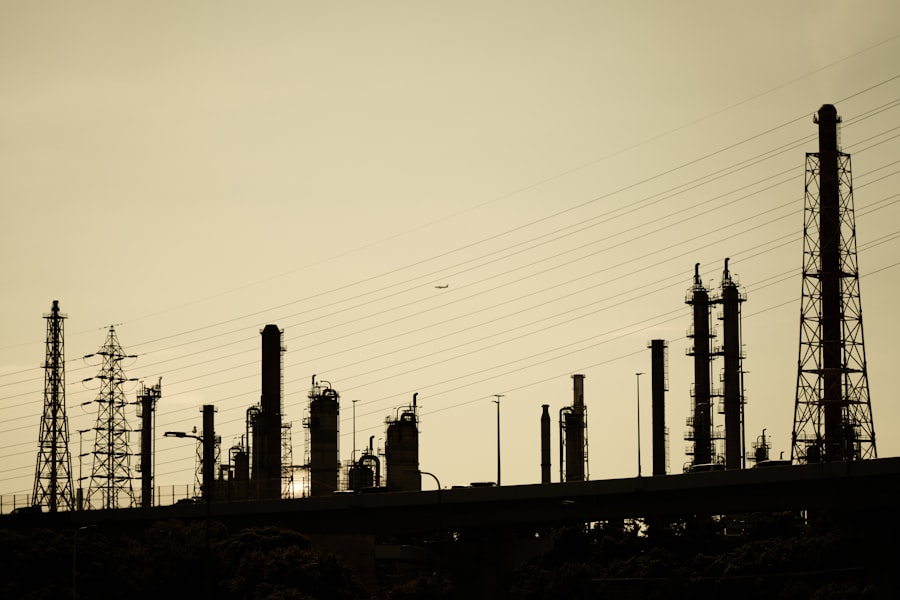
The absence of competition in a government-controlled energy market stifles innovation and technological advancement. In a free market environment, companies are incentivized to develop new technologies and improve efficiency to gain a competitive edge. However, when a single entity dominates the market, there is little motivation to innovate.
The lack of competition can lead to stagnation in research and development efforts, resulting in outdated technologies and practices that do not meet modern energy demands. Furthermore, monopolies often prioritize short-term political goals over long-term sustainability. For instance, a government energy monopoly may focus on maintaining low prices to appease voters rather than investing in renewable energy sources or modernizing infrastructure.
This short-sighted approach can hinder progress toward cleaner energy solutions and exacerbate environmental issues.
The Role of Government Regulations in Energy Monopoly
Government regulations play a crucial role in shaping the landscape of energy monopolies. While regulations are often intended to protect consumers and ensure fair practices, they can inadvertently reinforce monopolistic structures. For example, regulatory frameworks may impose barriers to entry for new competitors, making it difficult for alternative energy providers to enter the market.
This can create an environment where existing monopolies face little to no competition, further entrenching their dominance. Additionally, regulations can sometimes prioritize the interests of established monopolies over those of consumers or potential competitors. Lobbying efforts by powerful energy companies can influence regulatory decisions, leading to policies that favor incumbents at the expense of innovation and consumer choice.
As a result, regulatory frameworks may need reform to promote competition and encourage new entrants into the energy market.
The Influence of Political Interests on Energy Monopoly
| Country | Year | Energy Sector | Government Monopoly Profit (in billion) | Profit Margin (%) | Notes |
|---|---|---|---|---|---|
| China | 2023 | Electricity | 45.2 | 12.5 | State-owned enterprises dominate electricity generation and distribution |
| India | 2023 | Oil & Gas | 12.8 | 8.7 | Government controls major oil refining and distribution companies |
| Russia | 2023 | Natural Gas | 38.5 | 15.3 | Gazprom as a government monopoly in gas exports |
| France | 2023 | Electricity | 10.1 | 9.4 | EDF is a government majority-owned utility |
| Brazil | 2023 | Electricity | 7.6 | 11.2 | Eletrobras is a government-controlled company |
Political interests significantly influence the dynamics of government energy monopolies. In many cases, politicians may support these monopolies as a means of securing votes or maintaining control over essential services. By presenting themselves as guardians of affordable energy access, politicians can gain public support while simultaneously stifling competition that could threaten their power base.
Moreover, political interests can lead to misallocation of resources within the energy sector. For instance, government funds may be directed toward projects that align with political agendas rather than those that address pressing energy needs or environmental concerns. This misalignment can result in inefficiencies and missed opportunities for innovation and growth within the sector.
Environmental and Social Consequences of Energy Monopoly
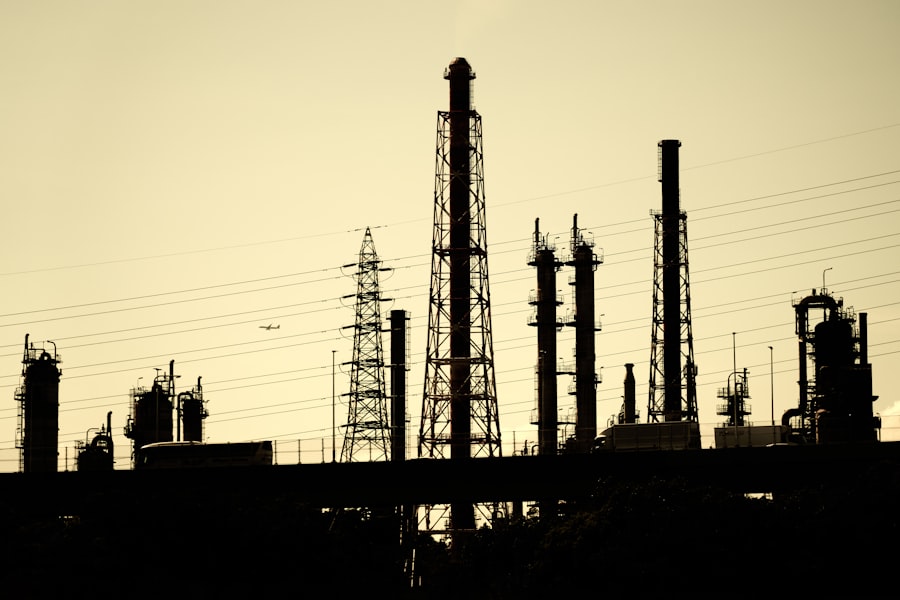
The environmental impact of government energy monopolies cannot be overlooked. Often driven by short-term political goals rather than long-term sustainability, these monopolies may prioritize fossil fuel production over renewable energy sources. This reliance on non-renewable resources contributes to climate change and environmental degradation while hindering progress toward cleaner alternatives.
Socially, government energy monopolies can exacerbate inequalities within communities. Low-income households may struggle to afford rising energy costs or face service disconnections due to unpaid bills. Additionally, marginalized communities may bear the brunt of environmental harm caused by fossil fuel extraction or pollution from power plants.
The lack of competition means that these communities have limited recourse or options for more sustainable energy solutions.
The Inequity of Profits from Energy Monopoly
The profits generated by government energy monopolies often raise questions about equity and fairness within society. In many cases, these profits do not benefit consumers directly but instead flow into government coffers or are used to fund politically motivated projects that do not address pressing energy needs. This inequity can lead to public discontent as citizens perceive that they are paying for services without receiving adequate returns in terms of quality or innovation.
Moreover, the concentration of profits within a single entity can stifle economic growth in other sectors. When a significant portion of national revenue is tied up in a government monopoly, there may be less investment available for other industries or initiatives that could drive economic development. This imbalance can hinder overall progress and limit opportunities for entrepreneurship and job creation in alternative sectors.
Challenges in Breaking the Government Energy Monopoly
Breaking free from a government energy monopoly presents numerous challenges that require careful consideration and strategic planning. One significant hurdle is the entrenched nature of these monopolies; they often have established networks and relationships that make it difficult for new competitors to enter the market. Additionally, there may be significant resistance from political entities that benefit from maintaining control over energy resources.
Another challenge lies in public perception and trust. Many citizens may view government-run entities as more reliable than private companies due to concerns about profit motives overshadowing service quality. Overcoming this perception requires transparent communication about the benefits of competition and innovation in the energy sector.
Public Opinion and Perception of Government Energy Monopoly
Public opinion plays a critical role in shaping policies related to government energy monopolies. While some citizens may support these monopolies for their perceived stability and affordability, others express frustration over lackluster service quality and limited choices. Surveys often reveal a growing desire for more competition within the energy market as consumers seek better options tailored to their needs.
Moreover, as awareness of environmental issues increases, public sentiment is shifting toward favoring renewable energy sources over traditional fossil fuels. This change in perception presents an opportunity for advocates seeking reform within the energy sector; by highlighting the benefits of competition and innovation in promoting sustainable practices, they can galvanize public support for breaking down monopolistic structures.
Potential Solutions to Address Government Energy Monopoly
Addressing government energy monopolies requires a multifaceted approach that prioritizes competition while ensuring consumer protection. One potential solution is implementing regulatory reforms that lower barriers to entry for new competitors in the market. By creating an environment conducive to innovation and investment in alternative energy sources, governments can stimulate competition that benefits consumers.
Additionally, fostering public-private partnerships could encourage collaboration between government entities and private companies focused on renewable energy development. These partnerships could leverage resources from both sectors while promoting sustainable practices that align with societal goals.
The Need for Reform in the Energy Sector
In conclusion, government energy monopolies present significant challenges that impact consumers, hinder innovation, and perpetuate inequities within society. The interplay between political interests and regulatory frameworks often reinforces these monopolistic structures at the expense of competition and sustainability. As public awareness grows regarding environmental issues and consumer rights, there is an urgent need for reform within the energy sector.
By embracing competition and fostering innovation through regulatory changes and public-private partnerships, governments can create a more equitable and sustainable energy landscape that benefits all citizens. The path forward requires bold action and commitment to breaking down barriers that have long stifled progress in this vital sector.
The issue of government energy monopoly profits has been a topic of significant debate, particularly in relation to how these profits impact consumers and the economy. For a deeper understanding of this subject, you can read a related article that explores the implications of energy monopolies on market dynamics and consumer rights. Check it out here: Government Energy Monopoly Profits.
FAQs
What is a government energy monopoly?
A government energy monopoly is a situation where a government owns and controls the production, distribution, and sale of energy resources, such as electricity or natural gas, without competition from private companies.
How do government energy monopolies generate profits?
Government energy monopolies generate profits by setting prices for energy services, managing operational costs, and sometimes through subsidies or tariffs. Profits may be reinvested into infrastructure or returned to the government budget.
Are profits from government energy monopolies used for public benefit?
Yes, profits from government energy monopolies are often used to fund public services, infrastructure development, or to subsidize energy costs for consumers, depending on government policies.
What are the advantages of a government energy monopoly?
Advantages include centralized control over energy resources, potential for stable pricing, ability to invest in long-term infrastructure projects, and ensuring universal access to energy services.
What are the disadvantages of government energy monopolies?
Disadvantages can include lack of competition leading to inefficiency, potential for higher prices, limited innovation, and reduced incentives to improve customer service.
How do government energy monopolies impact energy prices?
Energy prices under government monopolies can be regulated to protect consumers, but without competitive pressure, prices may not always reflect market efficiencies, potentially leading to higher or artificially low prices.
Can government energy monopolies coexist with private energy companies?
In some countries, government energy monopolies coexist with private companies, often with the government controlling key infrastructure while private firms operate in generation or retail sectors under regulation.
What role does regulation play in government energy monopolies?
Regulation ensures that government energy monopolies operate transparently, set fair prices, maintain service quality, and invest appropriately in infrastructure and innovation.
How do government energy monopoly profits affect energy policy?
Profits can influence energy policy by providing funds for renewable energy projects, infrastructure upgrades, or social programs, shaping the direction and priorities of national energy strategies.
Are government energy monopoly profits subject to public scrutiny?
Yes, since these monopolies are publicly owned, their financial performance and use of profits are typically subject to government oversight, audits, and public accountability measures.